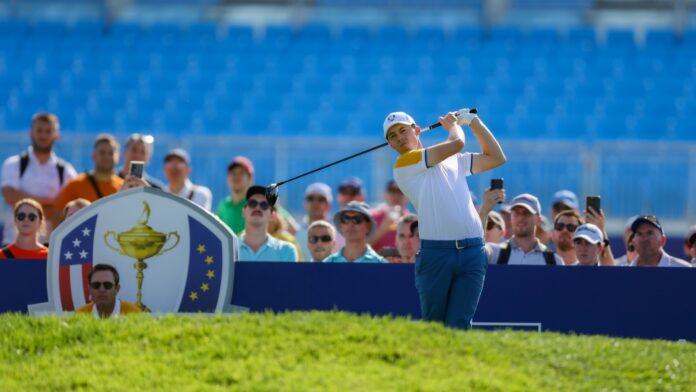
Golf’s slow-play problem just got called out by one of the game’s best players, and he’s not done talking. Matt Fitzpatrick’s 2026 Valspar Championship win came with a visible pace-of-play flashpoint. During the final round, he complained to a rules official about Adrien Dumont de Chassart’s slow pace, leading to an official warning but no stroke penalty.
It was bold, it was rare, and it reignited a debate that the PGA Tour has been kicking down the road for years. Fitzpatrick has called out slow play before, using words like “appalling” and “a disgrace” to describe what he sees on Tour. This time, he put his actions where his mouth was. The question fans are asking: will the Tour finally do something about it?
Let’s take a closer look.
The Valspar flashpoint that started it all
Paired with Adrien Dumont de Chassart in the final round at Innisbrook Resort in Florida, Fitzpatrick watched his playing partner drag through the back nine at a painful pace. On the par-5 11th, Fitzpatrick hit his approach first despite being closer to the hole, then waited nearly three minutes on the green before Dumont de Chassart played his shot.
That was enough. Fitzpatrick walked over to a rules official and asked for action. NBC on-course commentator John Wood described the pace as “glacial, to be kind.” Rules director Orlando Pope confirmed on broadcast that Dumont de Chassart was being unofficially timed and later received an official warning. No stroke penalty was issued.
Fitzpatrick’s frustration in his own words
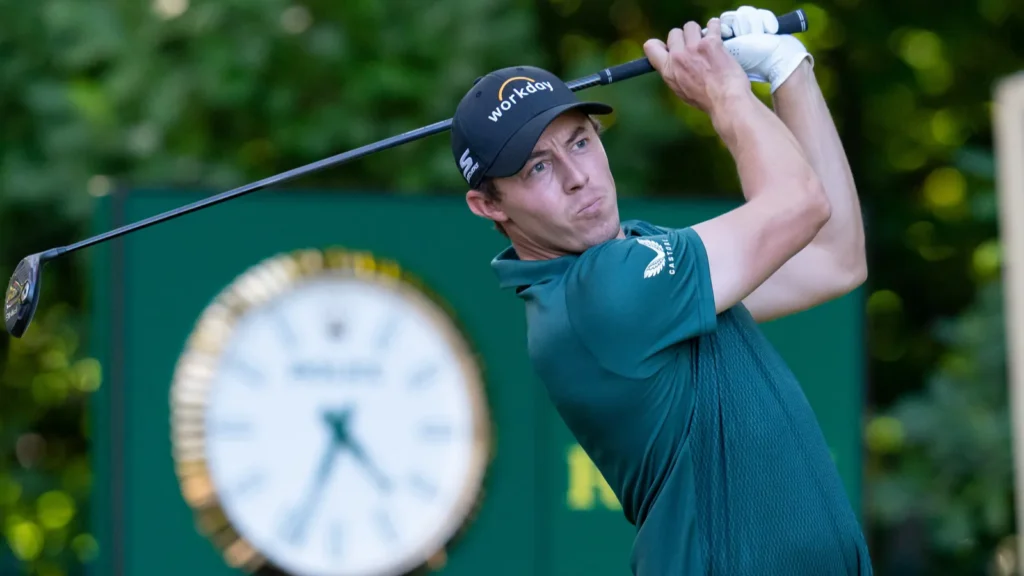
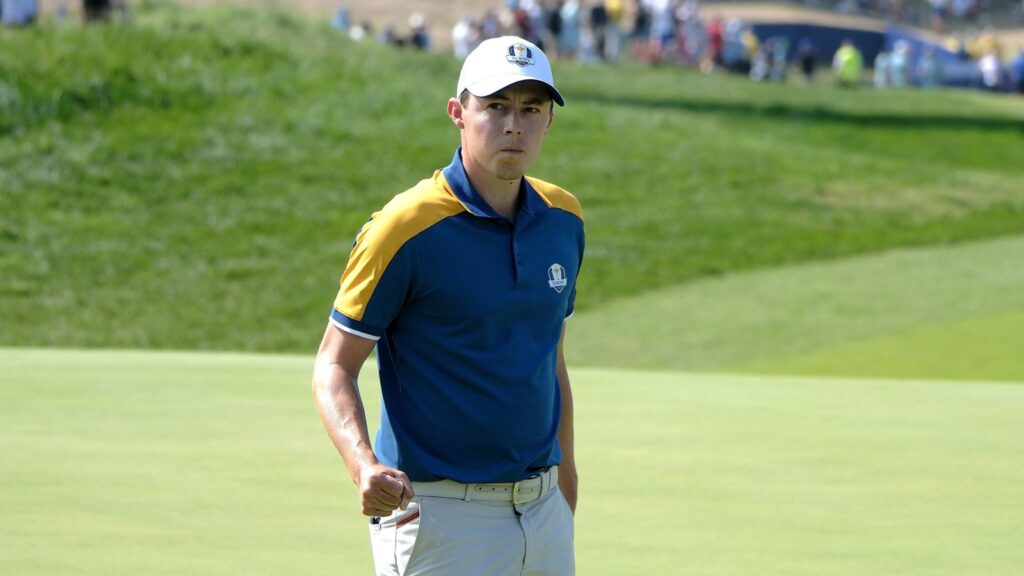
Fitzpatrick never named Dumont de Chassart directly in his post-round press conference. He did not need to. “That was really frustrating,” he told reporters. “It was slow today. I felt like there was a lot of stop-start. When you’re not ready to play a golf shot, it gets frustrating after a while, particularly when you’re playing well or in contention.”
He described how the slow play knocked him out of his rhythm for two or three holes. “I was kind of chasing my tail,” he said, “because I’m trying to speed up and keep us in position, and at the same time I’m obviously trying to win a golf tournament.” He won anyway. Dumont de Chassart finished tied 26th with a three-over 74.
The numbers behind golf’s slow problem
The PGA Tour reported that the median round time in 2025 sat at 4 hours and 46 minutes, an improvement of nearly five minutes from 2024. That sounds promising until you realize it still means nearly five hours per round as the middle figure. Away from limited-field events, large-field tournaments routinely push into five-hour territory.
At the amateur and recreational level, USGA research shows the average round has ballooned to 4 hours and 30 minutes, a figure described as a new high. Golfers themselves identify pace of play as the top complaint hurting their enjoyment of the sport. The problem is not exclusive to the pros, but what happens on Tour sets the tone for the whole game.
Fun fact: The PGA Tour has rarely issued slow-play stroke penalties. A team-event penalty happened at the 2017 Zurich Classic, while the last widely cited regular individual PGA Tour slow-play stroke penalty was Glen Day in 1995.
This is not the first time Fitzpatrick has spoken out
Back in April 2023, after winning the RBC Heritage at Harbour Town, Fitzpatrick unloaded on Sky Sports. “You’re talking five hours and 15 minutes, five-and-a-half hours at some venues,” he said, “and it’s truly appalling.” He played that day alongside Patrick Cantlay, who had become a flashpoint for pace-of-play criticism that week.
Fitzpatrick admitted even then that speaking out felt pointless. “This conversation has gone on for years and years and years, and no one has ever done anything,” he said. “I feel it’s almost a waste of time talking about it. PGA Tour, DP World Tour, no one’s going to do anything about it.” Nearly three years later, that quote has remained relevant.
Other players who have felt the same frustration
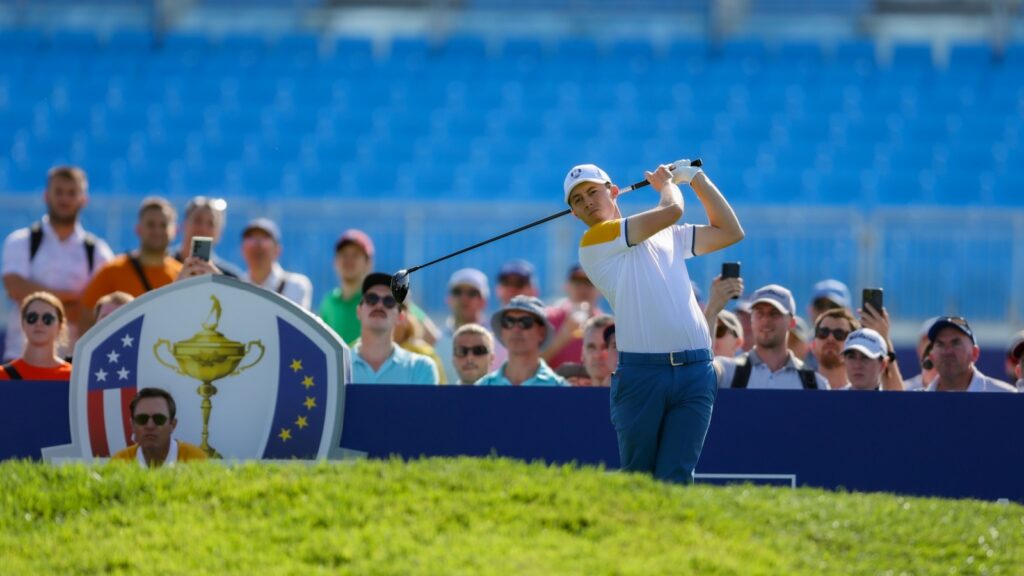
Nelly Korda and Lucas Glover both spoke out about slow play in 2024, joining a growing chorus inside the ropes. Collin Morikawa put it simply in 2025: “I think you just have to start stroking guys and giving guys actual penalties, whether it be strokes or FedEx Cup. If you’re slow, you know you’re slow.” Even Justin Thomas, a self-admitted slow player, backed the idea of public data to hold people accountable.
Brooks Koepka famously criticized the pace in his final group at the 2023 Masters, and LIV Golf has actually handed out stroke penalties for slow play that the PGA Tour has been unwilling to dish out at its own level. The embarrassment of a rival league enforcing rules more firmly has not gone unnoticed by players or media members watching from the outside.
Lesser-known fact: LIV Golf handed out a slow-play penalty to Adrian Meronk, marking a rare moment where the breakaway league took a harder line on pace than the established PGA Tour did at its own events.
Why slow play actually hurts the game
When rounds drag past five hours, broadcast windows get stretched, and TV coverage becomes harder to schedule cleanly. Casual fans switching on a Sunday afternoon to watch the final stretch may be tuning in during hour three of a four-hour back nine. That is a tough product to sell in a sports media landscape where attention spans are shrinking fast.
Slow play at the elite level can influence wider conversations about how the game is played. Long rounds discourage new golfers from returning and frustrate experienced ones enough to quit. The health of the entire sport is tied to how watchable and playable the game feels.
What Fitzpatrick actually wants to happen
Fitzpatrick has been clear over the years: tighten the leeway given to players, put referees on the course where they can be seen, and actually penalize violations when they occur. In 2023, he said, “I didn’t see a single ref all day. There were a few shots we were waiting for,and I don’t understand where they are all hiding.” His ask is not radical; it is the enforcement of rules that already exist.
He also sees rhythm as a competitive issue, not just a courtesy one. Slow play by a struggling playing partner directly disrupts a contending player’s mental flow. That is not a small thing when millions of dollars are on the line. Fitzpatrick won the Valspar in spite of the disruption, not because the problem was managed well. He should not have had to fight on two fronts at the same time.
TL;DR
- Matt Fitzpatrick complained to a rules official mid-round at the 2026 Valspar Championship about his playing partner’s slow pace.
- Adrien Dumont de Chassart received an official warning, but no stroke penalty was applied.
- Fitzpatrick has spoken out about slow play since at least 2023, calling it “truly appalling” and “a disgrace.”
- The PGA Tour allows 40 seconds per shot but has issued almost no stroke penalties for slow play in nearly a decade.
If you liked this story, don’t forget to follow us for more exclusive content.
This article was made with AI assistance and human editing.
If you liked this, you might also like: