
The profound impact of a loss
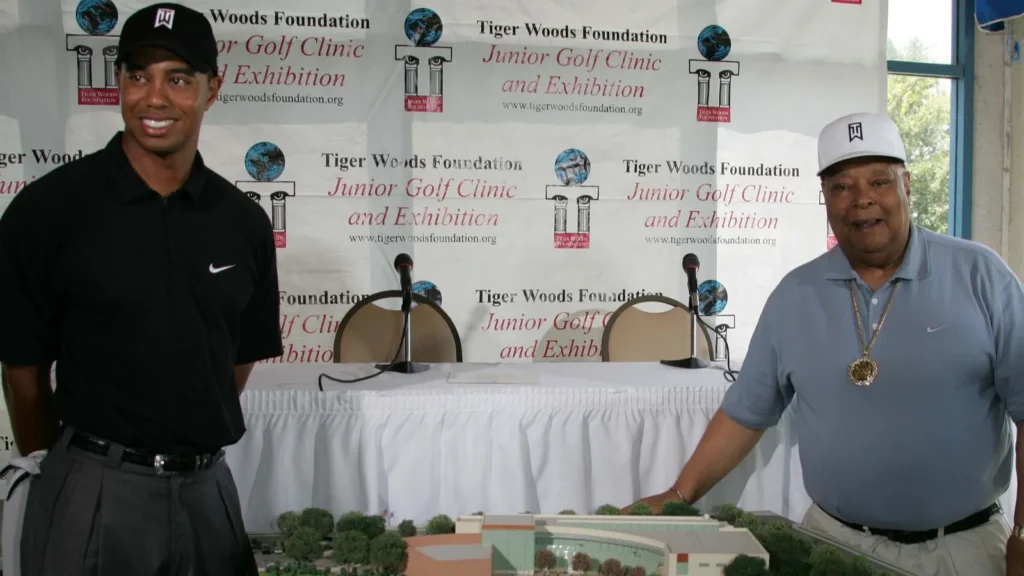
After Earl Woods died in 2006, a massive void opened for Tiger. He began searching for a unique way to reconnect with the legendary military legacy that his late father left behind.
This loss triggered a private obsession that eventually led him away from the golf course. He turned his focus toward the elite world of Navy SEALs to find a new personal purpose.
The military influence of Earl Woods
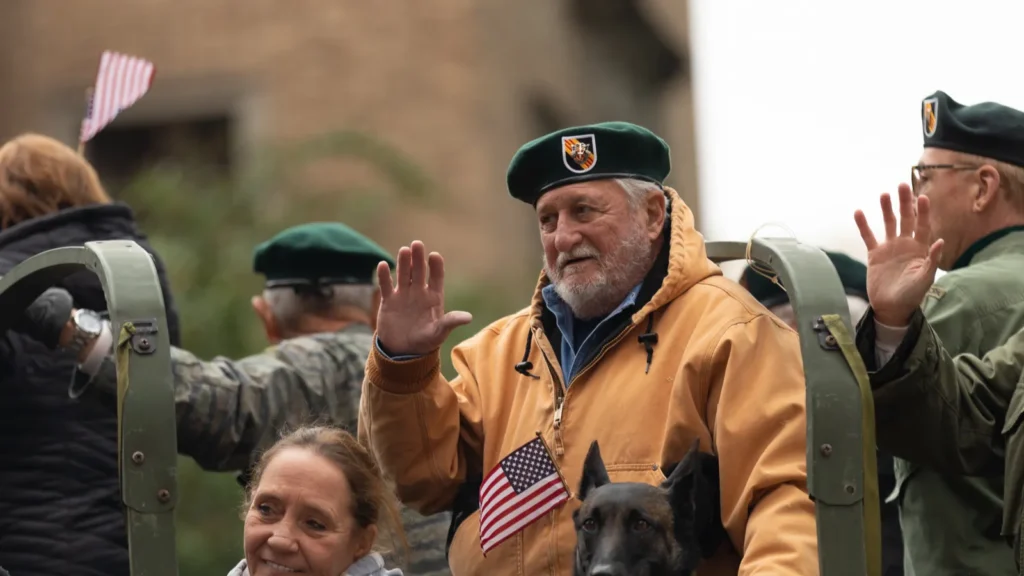
Earl was a Green Beret who often spoke about his time in Vietnam with pride. Tiger grew up hearing these stories and felt a deep need to prove his own physical toughness.
Their bond was built on a foundation of mental discipline. Once Earl was gone, Tiger felt compelled to experience the same rigorous training his father had endured during his long military career.
First trips to the San Diego facilities
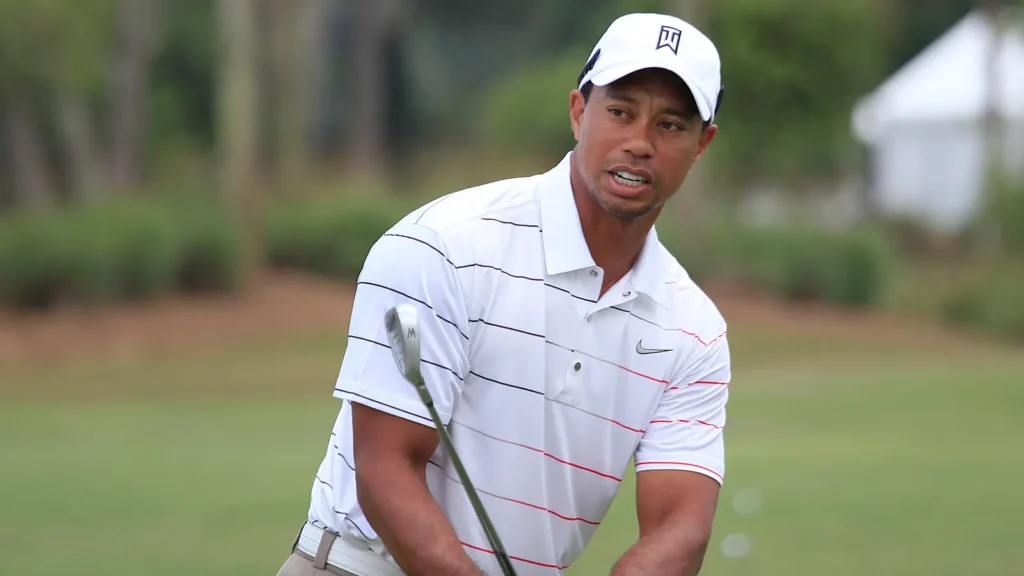
Tiger started making trips to California to visit the Naval Special Warfare Center. He wanted to see if he had what it took to survive among the most elite warriors in history.
These early visits were kept very quiet to avoid public scrutiny from the media. He spent time watching the SEALs train while observing the elite brotherhood of the special operations teams.
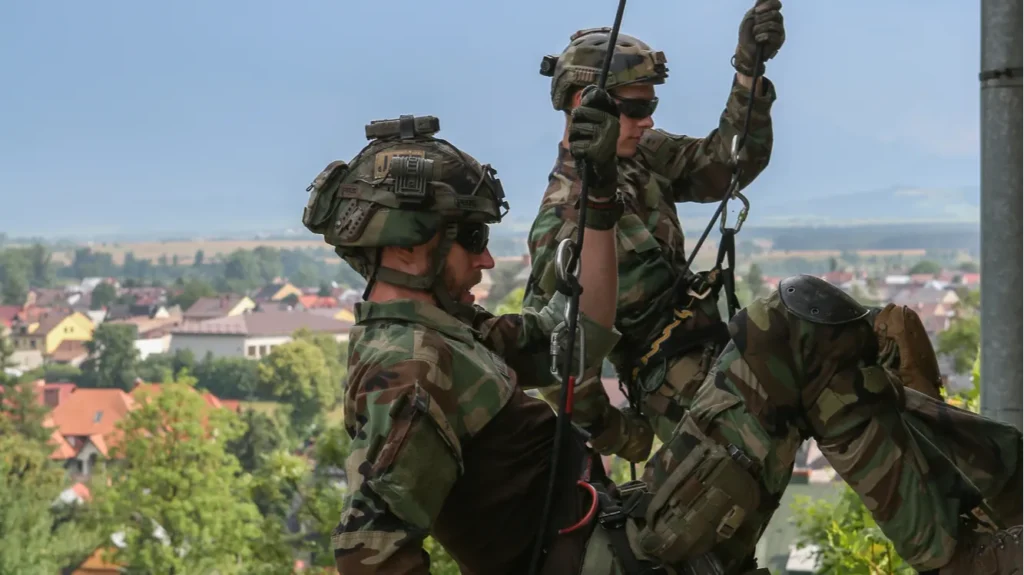
Intense tactical drills in military environments
The superstar began participating in tactical exercises inside training facilities. He wore heavy gear and practiced clearing rooms with special operations teams during these intense and simulated urban combat drills every week.
This environment was a world away from the quiet greens of the Masters. He sought the adrenaline and physical danger that came with these high-stakes missions outside of his professional career.
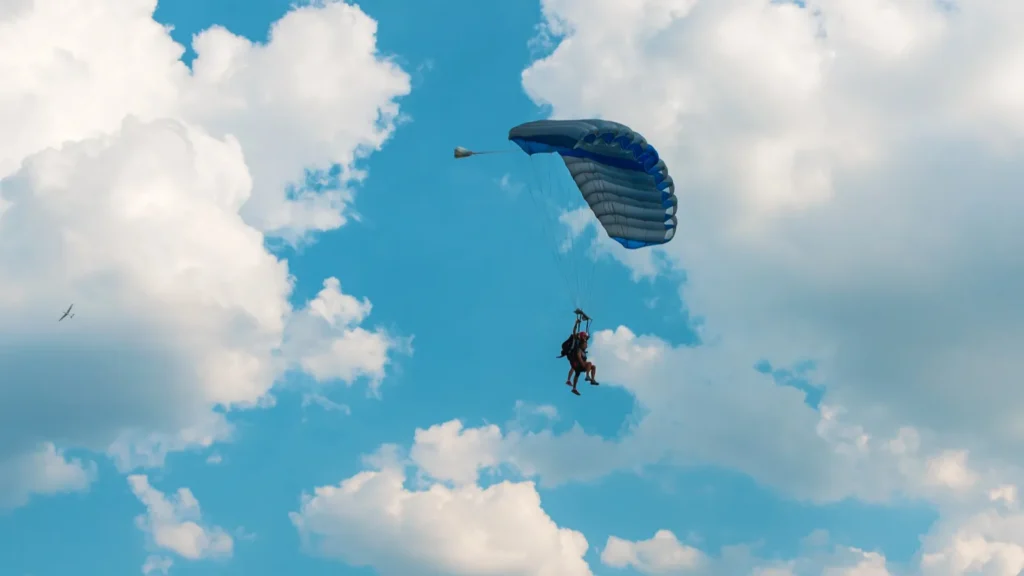
Leaping from planes during tandem jumps
Tiger took his training to the sky by participating in high-altitude parachute jumps. Even though he was the best golfer alive, he participated in several dives with elite military personnel.
His inner circle worried about the potential for a catastrophic accident during these jumps. He was determined to push his limits and prove he was much more than just a famous athlete.
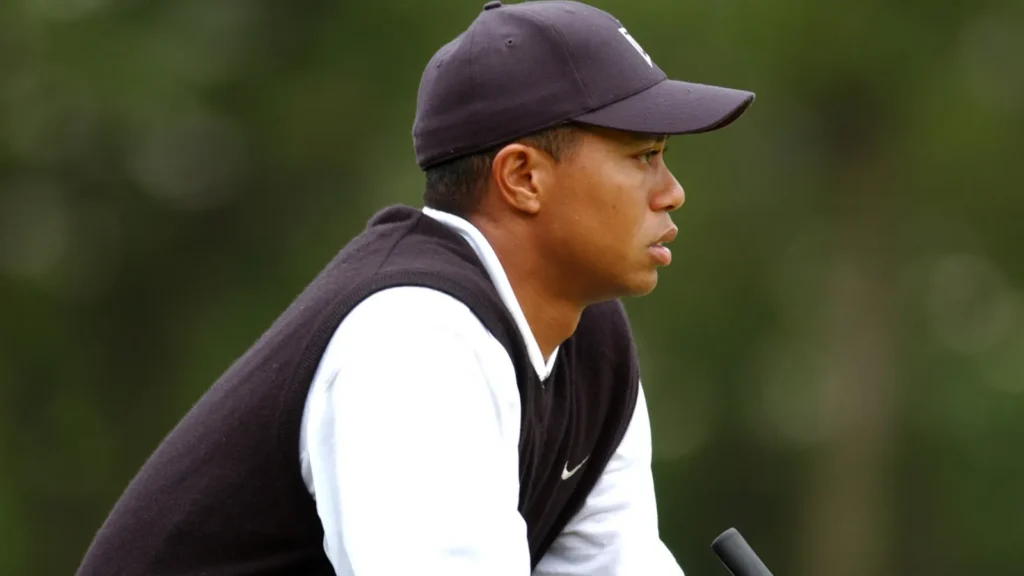
Transforming his physique through intense training
This obsession began to change the way he looked and moved on the course. He added significant muscle mass to handle the grueling physical requirements of the special forces training sessions.
His swing evolved as his body became bulkier during this time. Some analysts believe this physical transformation was a direct result of his desire to mirror the build of a modern soldier.
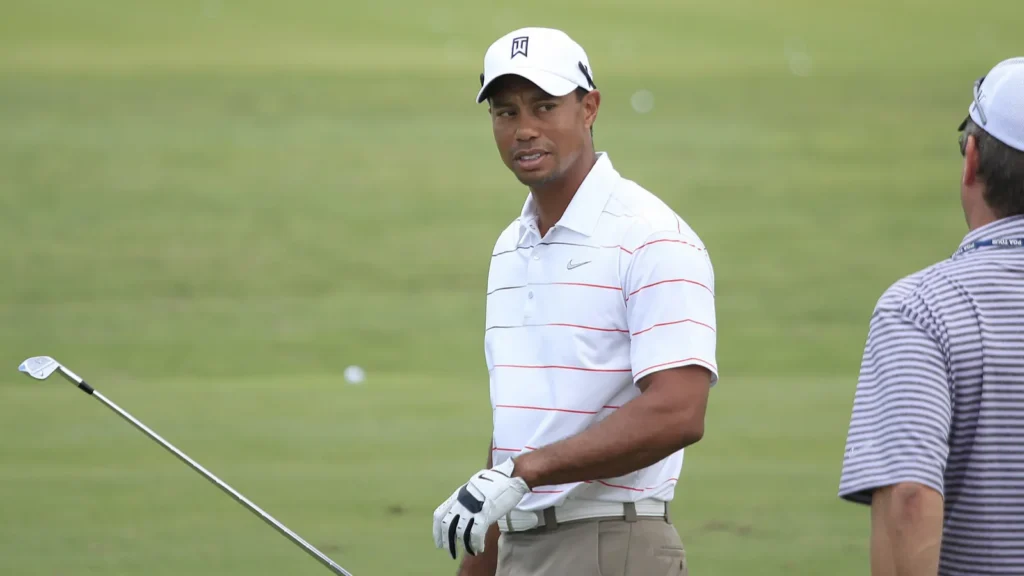
Keeping his military interests private
While the world saw a dominant golfer, Tiger was living a private life behind the scenes. He worked hard to hide his military activities from his many sponsors and his fans.
Only a few trusted individuals knew about the time he spent at the base. This privacy created a growing wall between him and his established life as a successful professional athlete.
The mounting physical toll on his body
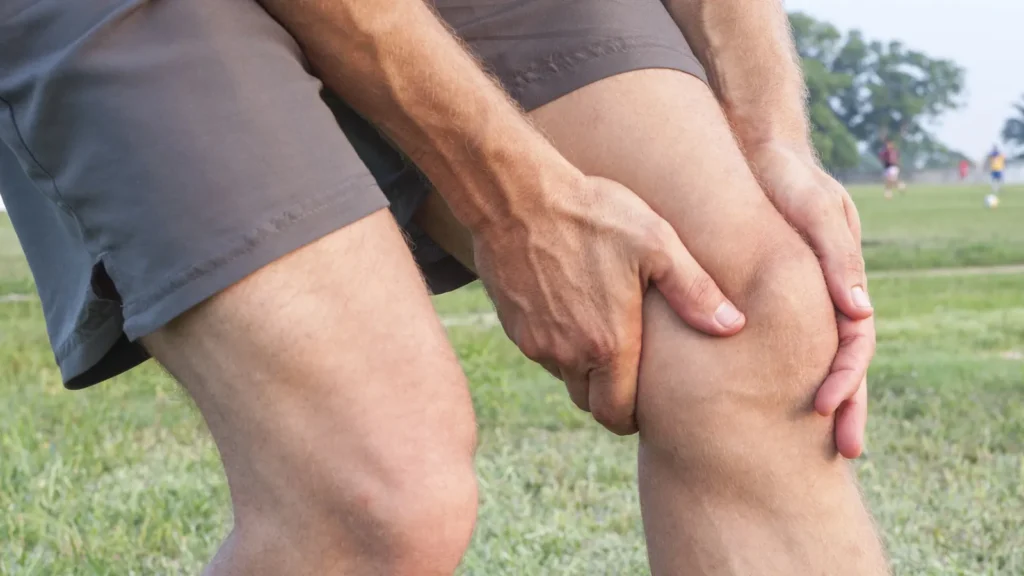
The heavy boots and hard landings during training started to stress his left knee. Running on pavement in military gear placed immense pressure on his body that golf would never cause.
He suffered multiple injuries that required surgery, but he refused to slow his pace. This damage became a major hurdle as he continued to push through pain for his military goals.
Questions about his changing priorities
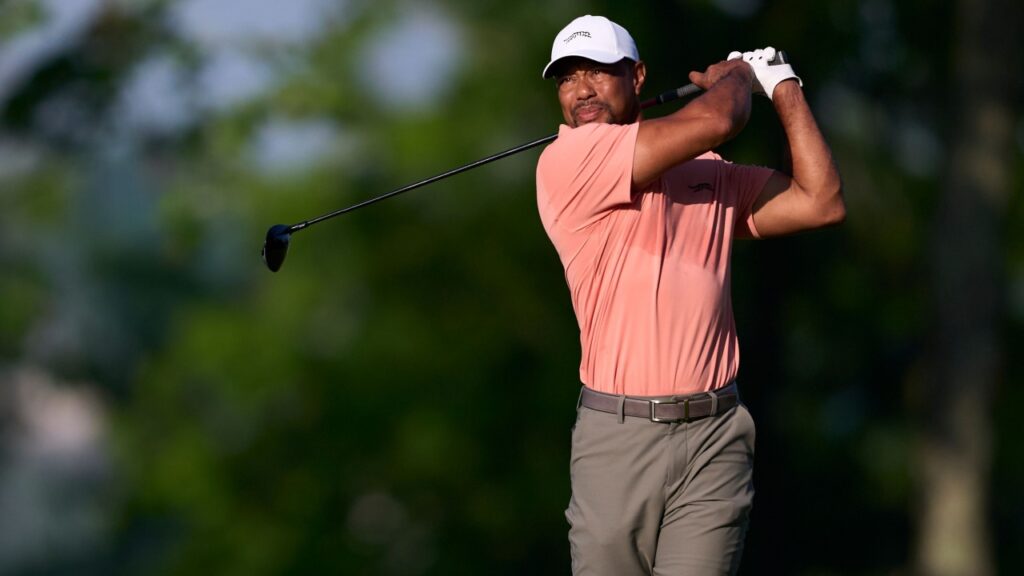
His caddie and coaches began to notice a change in his focus. The camaraderie he found with the SEALs made his golf relationships feel more professional rather than personal and close.
Tension grew as his team realized his mind was not always on the game. They watched as he engaged in tactical training instead of the practice rounds needed to actually win.
Fun fact: Tiger Woods once ran 4-mile routes wearing heavy combat boots just to beat his personal records. This grueling routine was part of his secret obsession with Navy SEAL training that pushed his body to its absolute limit.
An increasingly private public figure
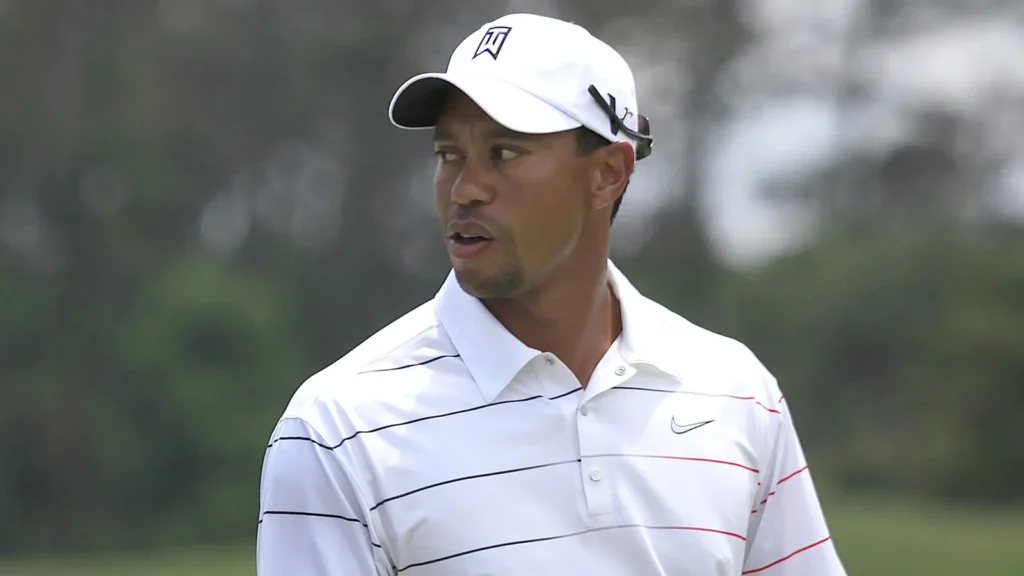
The mental conditioning of the military started to leak into his daily personality. He became more guarded and distant toward his peers on the tour during this secret and intense obsession.
This new stoicism made it difficult for others to reach him emotionally. He was trying to mirror the discipline of a warrior while navigating the massive fame of his global stardom.
The breaking point at the 2008 Open
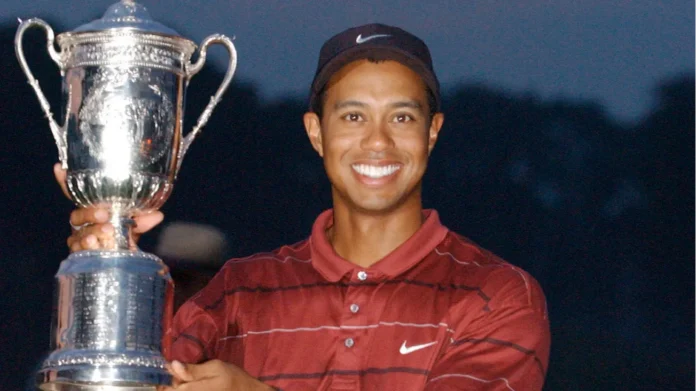
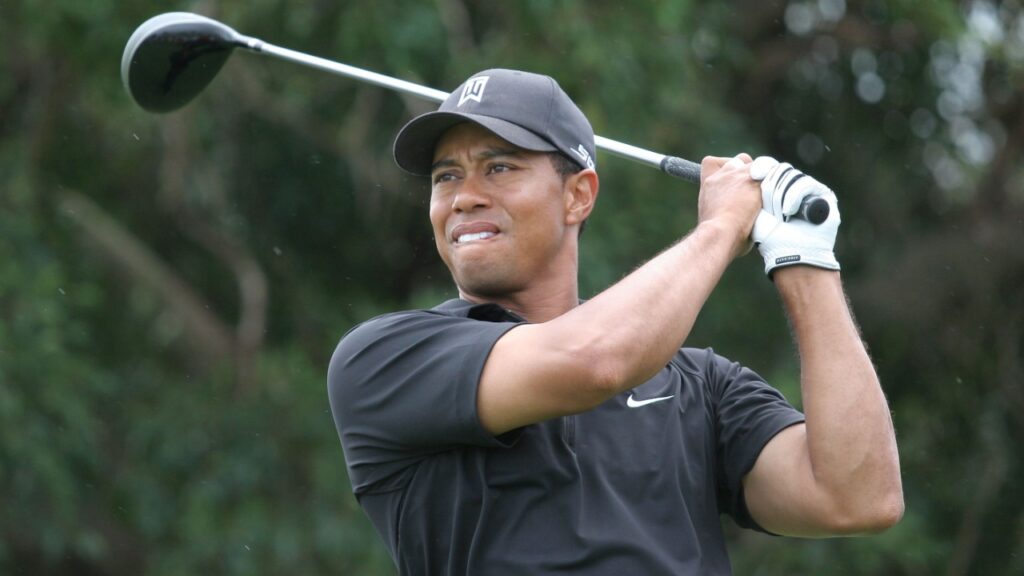
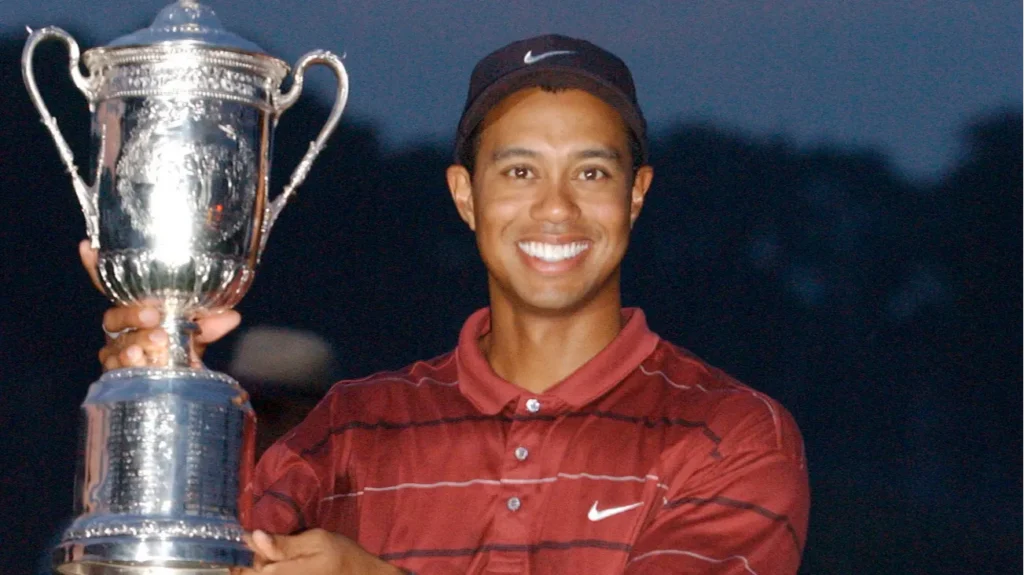
By the 2008 U.S. Open, his body was in a state of collapse. He played 91 holes on a torn ACL and stress fractures in his left tibia during the tournament.
Winning that trophy was a testament to his toughness, but it came at a cost. His training gave him the grit to finish, but it sidelined him for the rest of 2008.
While organizational decisions have fractured professional golf, the future of icons like Rory McIlroy and Scottie Scheffler remains uncertain. Explore the internal failures that forced these stars toward a crossroads and dive into the consequences for the PGA Tour.
A legacy changed by an impossible dream
The obsession with the SEALs ultimately altered the trajectory of his career. He chased a life that was not truly his to lead while the world watched him slowly and painfully.
History will remember his 15 major championships, but the secret training remains a fascinating chapter. It shows how far a man will go to find the pieces of his past.
Despite Scottie Scheffler continuing his historic dominance with a win at the RBC Heritage, the world number one now faces unprecedented personal and professional stakes. Dive into the underlying factors creating this intense pressure as he navigates the 2026 season.
Do you think Tiger Woods would have reached even greater heights without his military obsession, or did that elite mindset help him win the 2008 U.S. Open on one leg? Share your thoughts on how this secret training changed his legacy in the comments below!
This slideshow was made with AI assistance and human editing.
Read More From This Brand: