The NBA’s decision not to suspend or fine Wembanyama after his Game 4 Flagrant 2 foul sparked debate, especially after Draymond Green publicly criticized the decision. His response was blunt, pointed, and impossible to ignore.
This story goes far beyond just one single playoff game. It cuts straight to the heart of reputation, fairness, and how the league quietly decides who gets punished and who avoids further discipline. The double standard debate is back, and it is louder now than it has ever been before.
What happened in Game 4
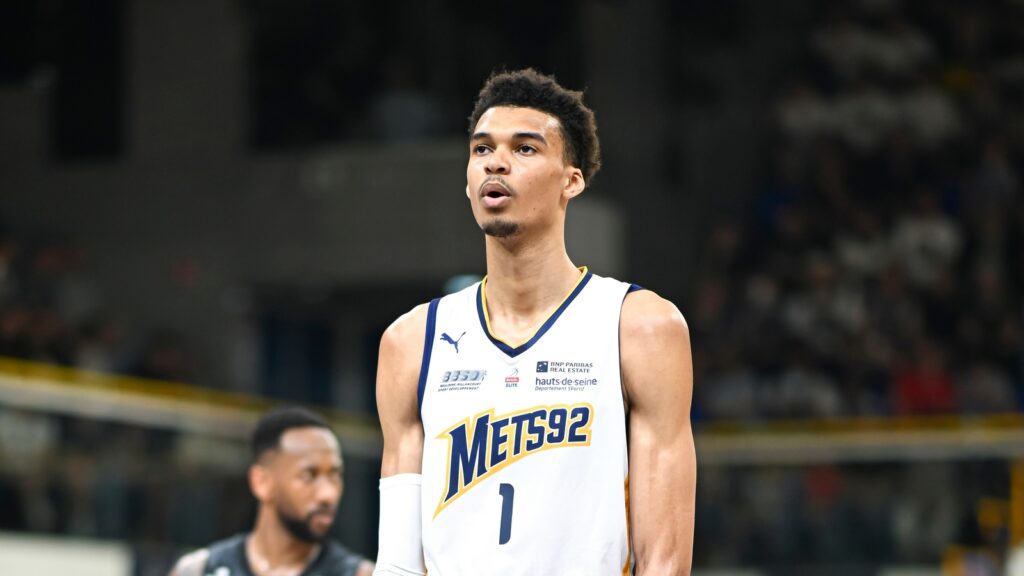
The moment came early in the second quarter of a tightly contested playoff game. Wembanyama, boxed in after hauling down a rebound, swung his right elbow hard into the jaw of Timberwolves forward Naz Reid. The contact sent Reid spinning to the floor and silenced one half of the arena.
After video review, officials upgraded the foul to a Flagrant 2, which triggered an automatic ejection. It was the first ejection of Wembanyama’s young career, and it came at just about the worst possible moment for San Antonio.
The NBA’s decision to let Wembanyama play
The bigger story wasn’t the ejection itself. It was what came next. After reviewing the play overnight, the NBA announced that Wembanyama would face no further discipline whatsoever. No suspension. No additional fine beyond the automatic $2,000 penalty that comes attached to every Flagrant 2 call in the league.
The decision cleared him to play in the pivotal Game 5 with the series tied 2-2. Many around the league were genuinely surprised by the outcome. The league ruled the play was an act of frustration during a physical rebound battle rather than clear proof of deliberate intent to injure.
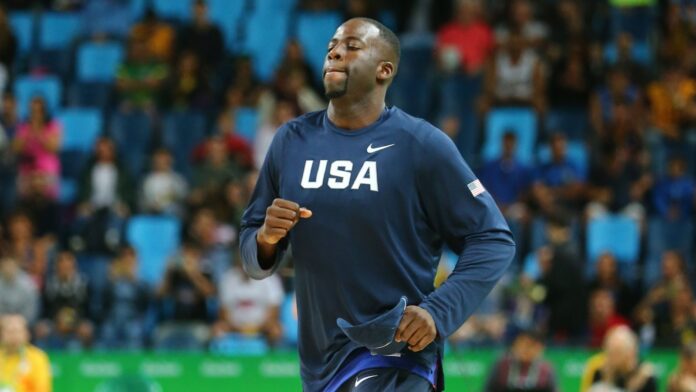
Green’s blunt four-word response
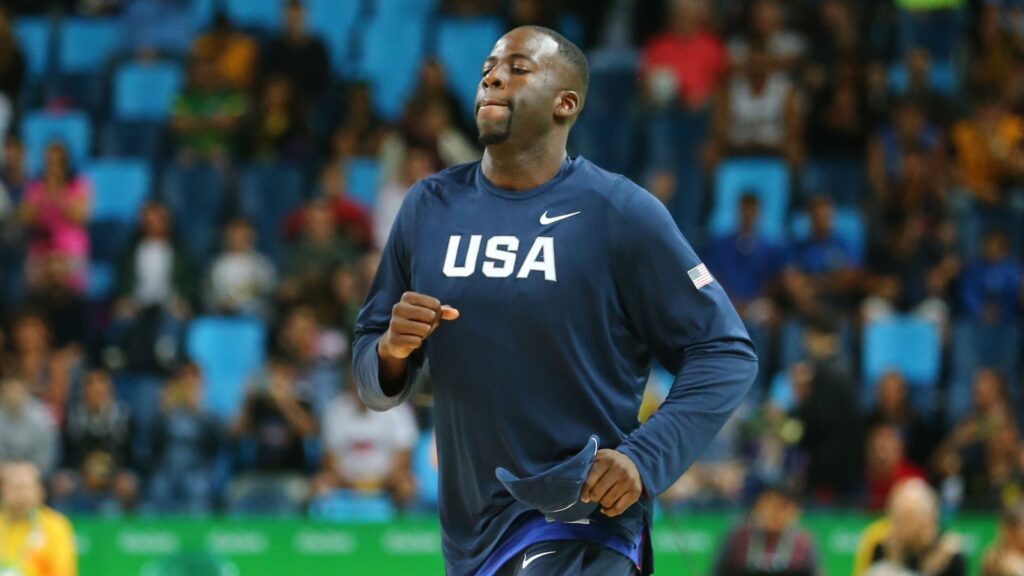
Draymond Green didn’t need a lengthy press conference to make his point heard. When a fan on X posted a close-up video of the elbow and asked how many games Green would have been suspended for the exact same act, Green’s reply was instant and sharp.
“Y’all have called for my career for less,” Green wrote on X. The message exploded online and reignited one of the NBA’s most persistent debates. Green wasn’t just reacting to one isolated decision. He was calling out a pattern he believes has quietly followed him throughout his entire career.
Green digs deeper on his podcast
Green took his frustration further on The Draymond Green Show. He questioned what the outcome would have looked like if the roles were reversed. “What if it was Naz Reid elbowing Wemby like that?” Green asked directly. “I think this situation would look totally different. There would be fines. There would be suspensions.”
He also pointed to a recent precedent. “Jaden McDaniels and Joker (Nikola Jokic) just got fined for much less. For there not to even be a fine is crazy.” Green’s frustration wasn’t just personal. He argued the league had set a dangerous precedent for the rest of the series.
Little-known fact: Green holds the record for the most ejections by any active NBA player and, as of early 2026, ranks second all-time with 24 career ejections, trailing only Rasheed Wallace’s all-time record of 29.
The role of reputation in NBA discipline
This is where the debate gets genuinely complicated. NBA analyst Colin Cowherd put it plainly on air: “If it were Bill Laimbeer, Metta World Peace, maybe Dennis Rodman, or Draymond Green, I’d suspend him for multiple games in the series. But it’s Wemby…. He’s not a dirty player.”
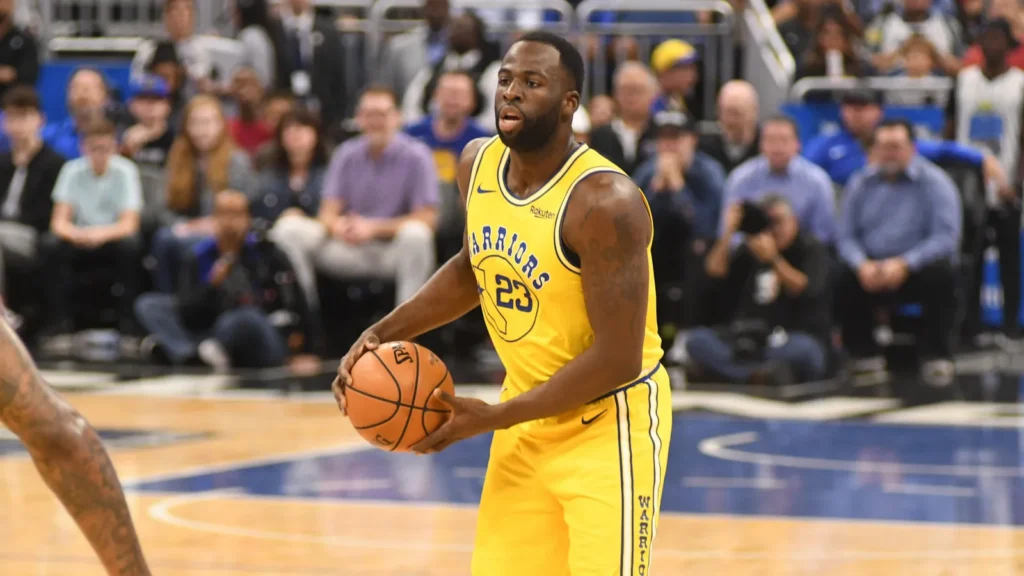
That comment captures something real about how the league operates. Green’s disciplinary record has historically been used against him, with the NBA explicitly citing past conduct when handing down longer bans. Wembanyama, entering this game with zero career ejections, carried no such baggage into the review process whatsoever.
Kendrick Perkins and the ratings argument
Green wasn’t the only prominent voice pushing back hard against the league’s ruling. ESPN analyst Kendrick Perkins went straight to what he believes was the real motive behind the decision. “Did the NBA get it right? No,” Perkins said on First Take. “Because you prioritized superstardom and views over someone’s health.”
The business angle here is genuinely hard to dismiss. A potential Wembanyama–Shai Gilgeous-Alexander matchup would carry major star appeal. Suspending Wembanyama with the series knotted at 2-2 would have put that dream matchup at real and immediate risk.
Little-known fact: Green was suspended during the 2016 NBA Finals for accumulating flagrant foul points after a confrontation with LeBron James.
Green’s call for Timberwolves retaliation
Green didn’t stop at criticism. He suggested the Timberwolves take matters into their own hands. “There’s no suspension, there’s no fines. This is a fair game,” Green said. “Who’s coming out there and doing it to Wemby? Because clearly there are no fines for this act.”
It was a controversial take, even by Green’s own standards. The suggestion that players should respond with physical force because the league failed to act appropriately crossed a clear line for many observers. Green was essentially arguing that the NBA’s inaction had opened a door it now cannot close.
What this means for the league going forward
The Wembanyama decision will not fade quietly into the background. It has raised genuine and serious questions about whether the NBA applies discipline consistently across its roster of players or whether commercial interests quietly shape outcomes behind closed doors. Green’s voice in this conversation carries real weight because of his personal history.
He has lived through suspensions that explicitly referenced past behavior. He knows firsthand what it feels like when a player’s reputation quietly becomes part of the final verdict. Whether you agree with Green or not, his point lands hard. In the NBA, who you are matters just as much as what you actually did.
TL;DR
- Victor Wembanyama was ejected in Game 4 for elbowing Naz Reid in a Flagrant 2 call during the 2026 playoffs.
- The NBA announced no further discipline, meaning no suspension and no additional fine beyond the automatic $2,000.
- Draymond Green fired back on X and his podcast, calling out what he sees as a clear double standard.
- Green pointed to recent fines for Jaden McDaniels and Nikola Jokic as evidence that the league was inconsistent.
- Analysts like Colin Cowherd argued that reputation plays a major role in how the NBA handles discipline.
If you liked this story, don’t forget to follow us for more exclusive content.
This article was made with AI assistance and human editing.
If you liked this, you might also like: