

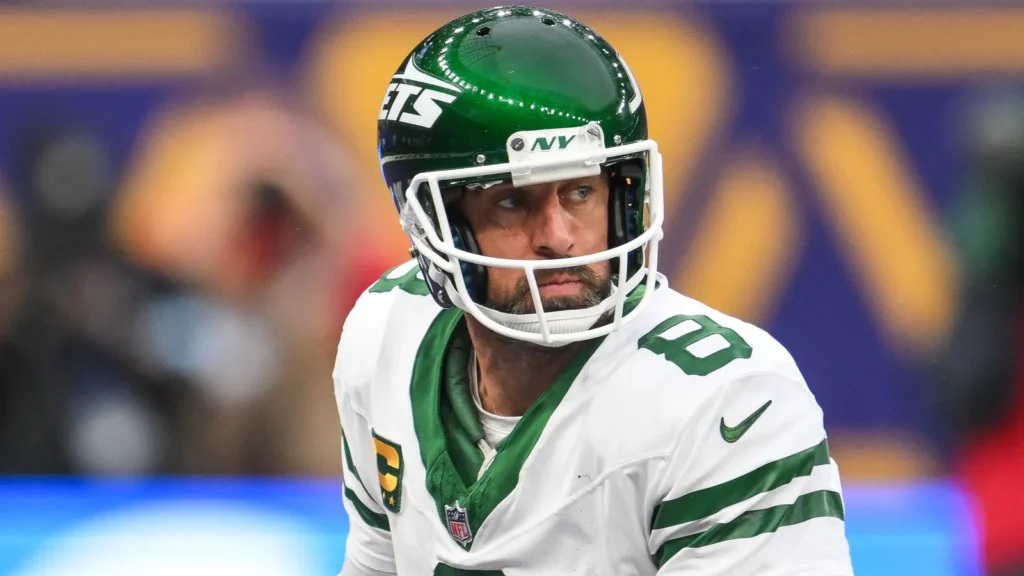
The moment Wilbon changed the topic
Michael Wilbon stepped into ESPN’s Aaron Rodgers discussion with a sharper point than most expected, turning a quarterback segment into a critique of his own network’s priorities.
Instead of treating Rodgers’ Steelers return as major suspense, Wilbon argued the bigger story was ESPN’s daily appetite for keeping him central in football conversation across several programs.
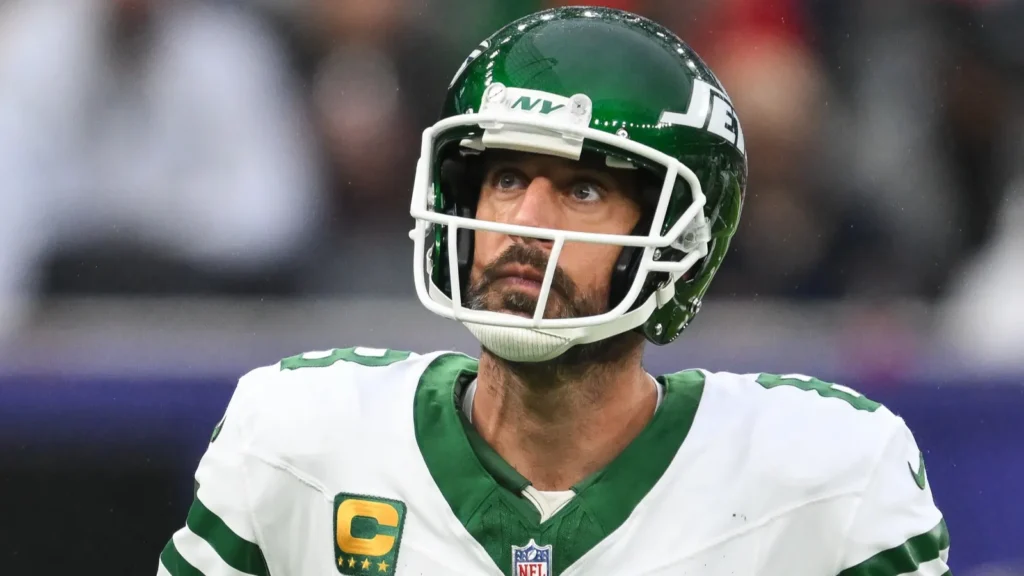
Rodgers was not the only target
Wilbon made clear he was not trying to erase Rodgers’ career, calling him a future first ballot Hall of Famer and a great quarterback for many years.
His frustration centered on the gap between Rodgers’ legendary past and the level of attention surrounding his current place with the Pittsburgh Steelers after another reported return.

The word that framed everything
The bluntest line came when Wilbon called Rodgers irrelevant, but the meaning was aimed less at football history and more at present media value for ESPN programming each week.
He questioned what still makes Rodgers a daily headline, especially when the attention depends more on television cycles than recent dominance on the field for Pittsburgh fans.
Why ESPN took the hardest hit
Wilbon’s strongest criticism landed on ESPN itself, as he said the network keeps treating Rodgers like a suspenseful centerpiece across its daily shows and football discussions each morning.
He described the coverage as too constant and breathless, arguing that repeated segments can create relevance even when the current football case feels thinner to many viewers.
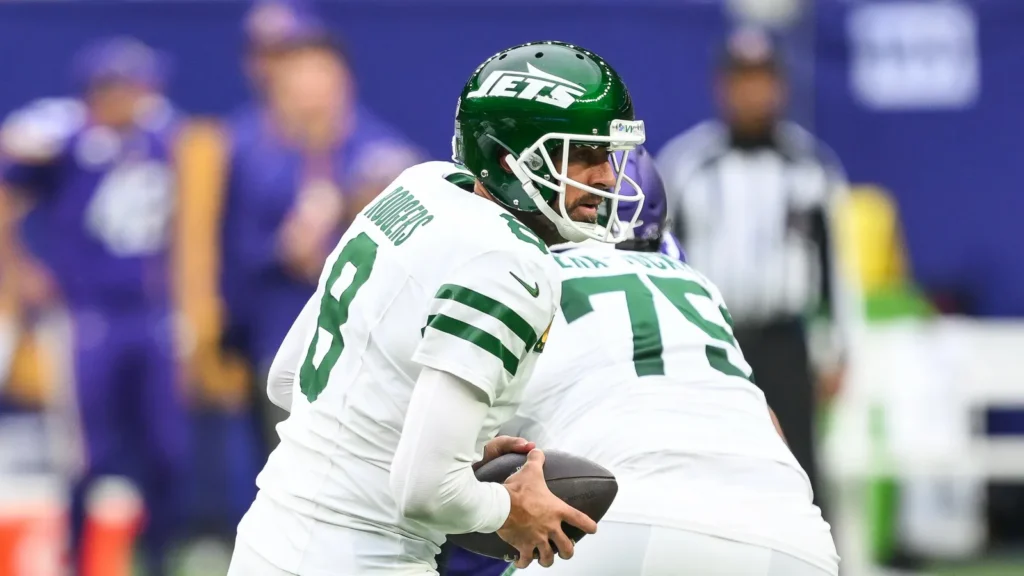
Breaking news became the joke
Wilbon also pushed back against the idea that every Rodgers update deserves urgent treatment, especially when the quarterback’s return had already been widely discussed by ESPN analysts.
He suggested the only truly major Rodgers development left would be retirement, not another round of chatter about workouts, attendance, or routine team activity in Pittsburgh during spring.

Aging comparisons sharpened his point
To explain his frustration, Wilbon contrasted Rodgers with LeBron James and Tom Brady, two stars who both remained central because their late-career production demanded attention from viewers.
His argument was not about age alone, but whether a 42-year-old quarterback still creates the same level of competitive fear he once carried against opponents.

The Steelers context mattered
Wilbon also looked beyond Rodgers and pointed toward Pittsburgh’s position inside the AFC North, where Baltimore and Cincinnati still shape the division conversation around current division contenders.
That team context helped his case because he viewed the Steelers as unlikely to command the same championship expectation attached to bigger quarterback stories in May programming.

Last season did not settle doubts
Rodgers’ first season with the Steelers brought a 10-7 record and an AFC North title, giving the Pittsburgh Steelers a stronger regular season than many expected.
Still, Wilbon’s criticism leaned on what came next, since the playoff ending made the offseason attention feel harder to justify for viewers watching the coverage around Rodgers.
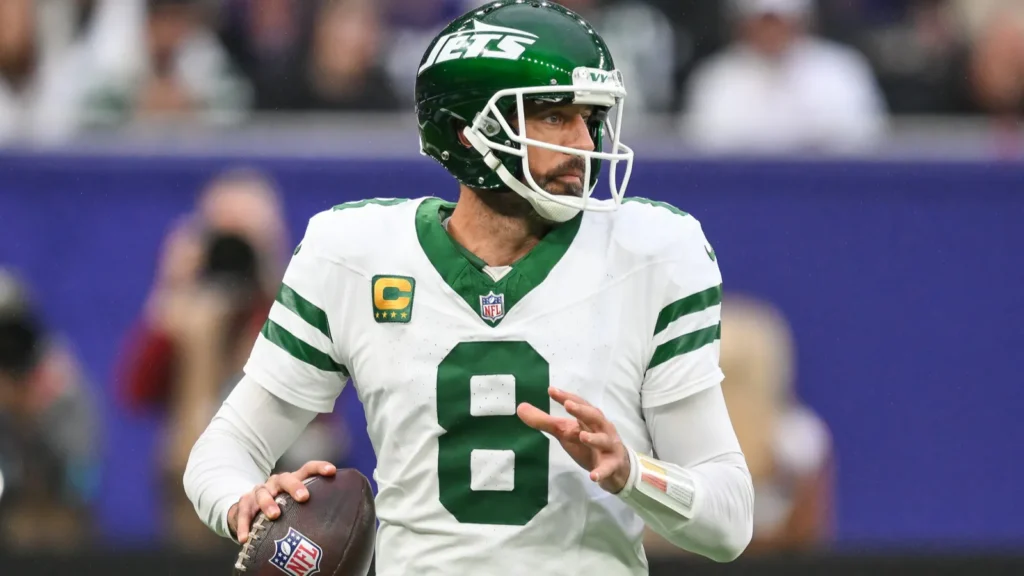
The playoff loss changed the mood
Pittsburgh’s season ended with a 30-6 home loss to Houston in the wild-card round, turning a division title into a short and disappointing postseason stay.
Rodgers finished that game 17 for 33 with 146 passing yards and an interception, leaving little playoff momentum behind the renewed spotlight around Pittsburgh entering the 2026 season.
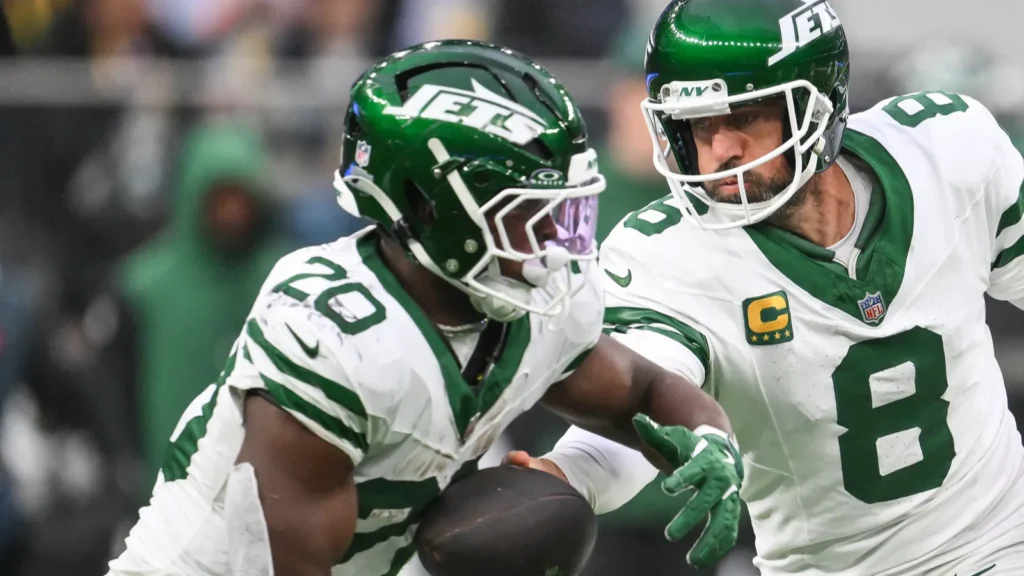
The numbers told a mixed story
Rodgers’ 2025 season was not empty, with 3,322 passing yards, 24 touchdowns, seven interceptions, and a 65.7% completion rate across 16 regular-season games for Pittsburgh.
Those numbers showed he remained functional, but Wilbon’s point was that functional production does not automatically deserve daily national drama around every move or update from Pittsburgh.
Fun fact: Aaron Rodgers once traveled to Peru for an ayahuasca retreat, then returned claiming the experience helped unlock “self-love” and one of the best stretches of his NFL career.

The tone protected the career
Wilbon repeatedly separated Rodgers’ résumé from the current debate, which kept the criticism from becoming a simple attack on a decorated quarterback with major achievements across 21 seasons.
That distinction mattered because he praised the full career while challenging whether ESPN should still frame Rodgers as a must-discuss figure in every football cycle on television.

The real complaint was editorial
The segment became less about Pittsburgh’s depth chart and more about editorial judgment, asking why one veteran quarterback keeps consuming so much airtime on ESPN programming each week.
Wilbon’s criticism worked because it came from inside ESPN, making the moment feel like a media critique rather than an outside complaint from frustrated viewers at home.
Matthew Stafford’s historic MVP season secures the Rams’ immediate future, but it also provides the rare luxury of planning ahead without desperation. Explore how Los Angeles can now use this stability to identify a premier young talent in the upcoming draft to eventually lead the next generation.

Why the moment landed
The exchange stood out because Wilbon said the quiet part out loud, challenging the machinery that turns familiar names into daily programming fuel across modern sports television.
By blaming the network more than Rodgers, he turned a quarterback debate into a sharper question about what sports television chooses to reward with constant attention each week.
Patrick Mahomes chasing revenge against the Broncos already adds major drama to Week 1, but explore why the Chiefs’ quarterback believes this recovery could redefine the next stage of his career.
Do you agree with Michael Wilbon that ESPN gives Aaron Rodgers too much airtime, or is Rodgers still worth the daily attention? Share your take in the comments.
This slideshow was made with AI assistance and human editing.
Read More From This Brand: