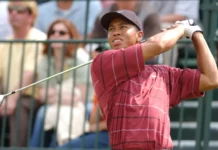


The exemption scare begins
Jordan Spieth entered the U.S. Open conversation facing an unusual question for a player of his reputation, because his familiar safety net had finally disappeared before the deadline.
That made his status feel less automatic than many fans expected, especially after years of major appearances built around past victories, ranking achievements and steady star power.

A past title no longer covered him
Spieth’s 2015 U.S. Open victory once carried major protection, but that long exemption window had run out before the upcoming championship at Shinnecock Hills arrived in June.
Without that category, the former champion needed another path into the field, turning a routine major appearance into a watchable qualification story for golf fans everywhere.

The ranking route became critical
His best available path came through the Official World Golf Ranking, where a strong enough position could still protect him before the qualification cutoff officially arrived for entry.
That ranking became the practical scoreboard for his U.S. Open hopes, because it offered a direct way into the field without relying on special treatment from organizers.

Weeks of speculation followed
The uncertainty grew because Spieth was close enough to the OWGR cutoff to appear safe, but not fully secure while the May 18 qualification date approached.
That tension kept his name in the conversation as golf watchers tracked whether his ranking would hold or send him toward final qualifying later in the process.
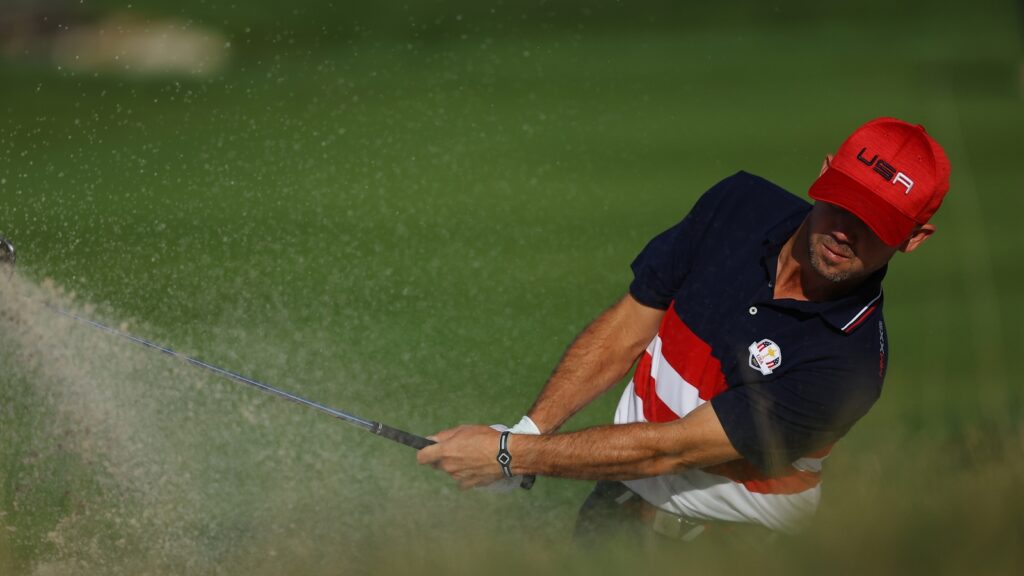
Recent form added concern
Spieth’s results had been uneven, mixing flashes of familiar brilliance with difficult stretches that made his U.S. Open status feel more fragile than usual before qualification arrived.
His short game still produced creative moments, but issues off the tee and inconsistent scoring left questions about whether momentum would arrive in time for him there.

The cutoff brought relief
Spieth locked down his U.S. Open berth when his world ranking remained inside the top 60 at the May 18 cutoff, ending the anxious wait around his status.
The result mattered because it turned a possible major absence into another appearance, keeping one of golf’s most recognizable names in the championship field this year.

Why the story drew attention
The qualification drama became bigger because Spieth is not a fringe name, but a former Masters and Open Championship winner with a devoted following in golf circles.
Fans wanted clarity because his presence changes the feeling of a major week, especially when familiar stars help shape early storylines and viewer interest for golf audiences.

The field gained a proven draw
Spieth’s inclusion gives the U.S. Open another player with a major pedigree, even if his path into the tournament required more attention than expected from observers watching.
His name adds instant recognition to the field, making the event stronger for viewers who still connect him with dramatic moments and pressure-packed golf scenes under stress.
Experience still gives him value
Even during inconsistent stretches, Spieth’s major experience keeps him relevant because difficult setups often reward patience, recovery shots and smart course management.
That background matters at the U.S. Open, where firm conditions, thick rough and demanding scoring can punish mistakes quickly. A player with Spieth’s major résumé still brings experience that can matter under pressure.
His creativity remains dangerous
Spieth’s appeal has never depended only on perfect driving, because his best golf often comes from scrambling, touch shots, and fearless recovery attempts under heavy pressure.
That style keeps him interesting in majors, since one sharp week around the greens can quickly change the way people view his chances against stronger fields in contention.

The pressure did not vanish
Securing a spot solved the qualification problem, but it did not answer every question surrounding Spieth’s current form against elite competition this season.
He still needs sharper scoring and steadier play to turn his entry into a serious run, rather than simply another start in a major field.
Fun fact: Jordan Spieth’s longtime caddie, Michael Greller, was once a sixth-grade math teacher, which makes their yardage debates weirdly on-brand.

The crisis became a reset
What looked like a rare major crisis ended with Spieth safely in the field, but the episode still showed how quickly exemptions can fade for champions, too.
For a player with his résumé, the scare served as a reminder that past success opens doors only until new performance becomes necessary again under pressure situations.
Despite their loyalty, stars like Rory McIlroy and Scottie Scheffler are increasingly choosing rest over Signature Events. Explore how recent scheduling demands and logistical burnout are forcing the PGA Tour to confront a growing crisis with its most iconic players.

The bigger takeaway
Spieth avoided the headline nobody expected, which was a major week without one of golf’s most familiar and unpredictable contenders in the field at Shinnecock Hills in June.
His U.S. Open place keeps the storyline alive, with fans waiting to see whether relief turns into a stronger performance under championship pressure this summer.
Tiger Woods’ drill shows how small habits can shape major championship moments, but the deeper question is why this simple routine mattered so much under pressure. Explore how Woods turned repetition into a winning edge.
Do you think Jordan Spieth’s U.S. Open spot proves his experience still matters most, or should recent form carry more weight in major championship debates? Share your thoughts.
This slideshow was made with AI assistance and human editing.
Read More From This Brand: