The key decisions that fueled Egypt’s FIFA complaint
Egypt’s World Cup journey ended in dramatic fashion, but the final whistle was only the beginning of a much bigger story. Questions about key officiating decisions quickly sparked reactions from players, officials, and football fans worldwide.
As the debate intensified, Egypt took an official step that kept the match in the spotlight. Here’s a closer look at what happened, why it matters, and how the controversy continues to shape conversations about the tournament.
Egypt asks FIFA to investigate the officiating team
The Egyptian Football Association responded by filing a formal complaint with FIFA following the controversial elimination from the tournament. Federation president Hany Abou Rida requested an investigation into the refereeing team and criticized what officials described as serious mistakes. The complaint also questioned how VAR was used during important moments.
Egyptian officials asked FIFA to review the match and consider disciplinary action involving the officiating crew. Their response ensured the controversy remained in global headlines, with football fans continuing to discuss the disputed decisions after the final whistle.
VAR overturns Mostafa Zico’s goal
One of Egypt’s biggest complaints involved a goal by Mostafa Zico that was overturned following a VAR review. Officials ruled that Marwan Attia committed a foul on Lisandro Martínez earlier in the attacking sequence before the ball reached Zico. The decision prevented Egypt from extending its lead during a critical stage of the match.
The overturned goal became the central focus of Egypt’s complaint after the final whistle. Egyptian players, coaches, and federation officials repeatedly cited the VAR decision while urging FIFA to review the officiating and the application of the Laws of the Game.
Egypt challenges key VAR decisions
Egyptian officials argued that multiple refereeing decisions influenced important moments, including the VAR decision to disallow Mostafa Zico’s goal and a challenge involving Mohamed Salah shortly before Argentina’s winning goal. The Egyptian Football Association included both incidents in its formal complaint to FIFA.
FIFA’s Chief Refereeing Officer, Pierluigi Collina, defended the officiating and said VAR was applied correctly under the Laws of the Game. He stated that the disallowed goal resulted from a foul by Marwan Attia in the attacking phase and that the contact involving Salah did not warrant a penalty.

FIFA rejects claims of bias in officiating
FIFA’s head of refereeing, Pierluigi Collina, firmly rejected allegations that match officials favored Argentina during the Round of 16 contest. He said referees operate independently and are never influenced by FIFA leadership or outside pressure. Collina also warned that unsupported accusations can damage referees’ reputations and safety. FIFA reiterated its confidence in the officiating team.
Collina explained that the overturned Egyptian goal resulted from a foul detected during the attacking buildup via VAR review. He emphasized that every major decision followed the competition’s established refereeing procedures and protocols.
FIFA defends its officiating decisions
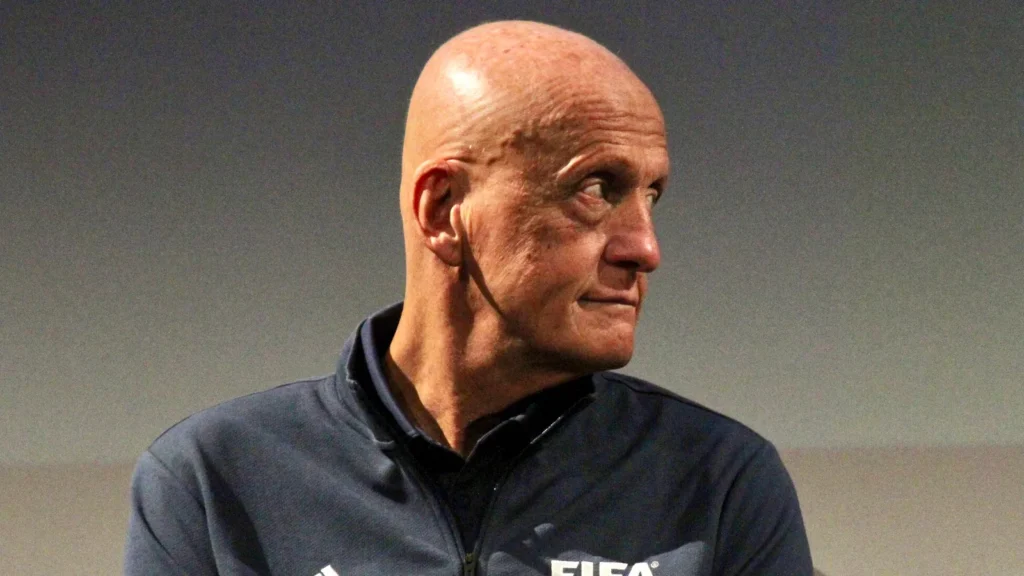
FIFA publicly defended the officiating following Egypt’s complaint about the Round of 16 match against Argentina. Pierluigi Collina said the refereeing team correctly applied the Laws of the Game when overturning Mostafa Zico’s goal after a VAR review. He also said the contact involving Mohamed Salah before Argentina’s winning goal did not warrant a penalty under FIFA’s interpretation.
FIFA rejected allegations that its officials favored Argentina and stated that referees operate independently, free of outside influence. The organization did not alter the match result and continued to support the decisions made by the refereeing crew after reviewing the incidents raised by Egypt.
FIFA responds to Egypt’s refereeing complaint
Egypt’s complaint prompted responses from FIFA and widespread media coverage following the Round of 16 match against Argentina. FIFA Chief Refereeing Officer Pierluigi Collina defended the officiating and rejected allegations of bias, saying the referees correctly applied the Laws of the Game. He also stated that criticism of decisions is part of football, but unsupported accusations have no place in the sport.
Collina explained that VAR correctly overturned Mostafa Zico’s goal after identifying a foul by Marwan Attia in the attacking phase. He also defended the decision not to award Egypt a penalty before Argentina’s winning goal, saying the contact involving Mohamed Salah was judged to be normal football contact.

Argentina advances after 3-2 comeback win
Argentina advanced to the World Cup quarterfinals after coming from 2-0 down to defeat Egypt 3-2 in the Round of 16. The official result stood despite Egypt’s subsequent complaint to FIFA regarding several refereeing decisions. FIFA continued to support the officiating team and did not alter the match’s outcome.
Argentina’s victory secured its place in the quarterfinals under the official tournament bracket. FIFA’s public response focused on defending the application of the Laws of the Game and the use of VAR during the match.

Egypt files official complaint with FIFA
The Egyptian Football Association submitted a formal complaint to FIFA after its 3-2 Round of 16 loss to Argentina, citing concerns about several refereeing decisions during the match. The complaint specifically challenged the VAR decision to disallow Mostafa Zico’s goal and the decision not to award Egypt a late penalty after contact involving Mohamed Salah.
As of today, FIFA has not announced any change to the official result of the match or the tournament bracket. FIFA’s public response has focused on defending the officiating decisions and maintaining that the Laws of the Game were applied correctly during the match.
FIFA defends the match officials
FIFA publicly defended the officiating team after Egypt challenged several decisions from its Round of 16 loss to Argentina. FIFA Chief Refereeing Officer Pierluigi Collina rejected allegations of bias and said referees operate independently without outside influence. He also warned that unsupported accusations can place referees and their families at risk.
Collina said VAR correctly overturned Mostafa Zico’s goal after identifying a foul by Marwan Attia during the attacking phase. He also defended the decision not to award Egypt a penalty before Argentina’s winning goal, stating that the contact involving Mohamed Salah was deemed normal football contact.
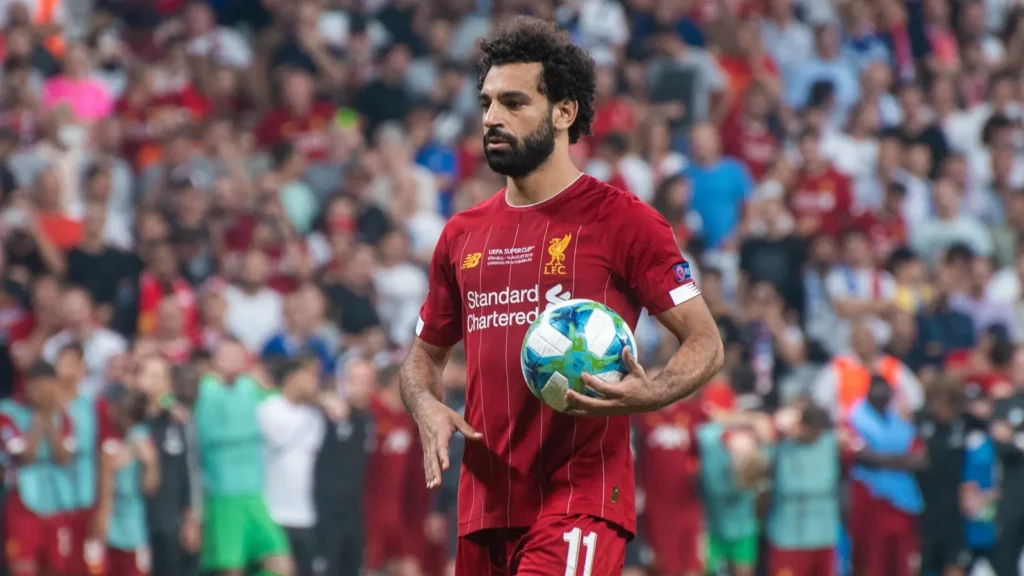
Egypt’s World Cup campaign comes to an end
Egypt reached the Round of 16 at the expanded 48-team FIFA World Cup before losing 3-2 to Argentina after leading 2-0 late in the match. The team delivered its best World Cup campaign, pushing the defending champions to the final minutes before Argentina’s comeback.
Following the elimination, Egypt’s coach and football federation focused much of their public response on the refereeing decisions. The result officially ended Egypt’s World Cup campaign while Argentina advanced to the quarterfinals.
The internet is also talking about Jude Bellingham’s post-match gesture, which captured football at its best.
Official match result still stands
Egypt’s complaint prompted a public response from FIFA after the Round of 16 match against Argentina. FIFA defended the officiating decisions, rejected allegations of bias, and maintained that VAR was applied correctly during the match.
Argentina remains the official quarterfinalist following its 3-2 victory over Egypt. As of July 10, 2026, no official change to the result or tournament bracket has been announced.
In other news, Zohran Mamdani takes a measured approach to FIFA’s biggest World Cup debate.
What do you think about Egypt’s response to the controversial refereeing decisions? Share your thoughts in the comments, and don’t forget to like this slideshow if you found it informative.
This slideshow was made with AI assistance and human editing.
Read More From This Brand: