
FIFA faces renewed scrutiny after Egypt’s explosive World Cup officiating complaints: Egypt’s historic run ended with a dramatic 3-2 loss to Argentina, followed by strong allegations from coach Hossam Hassan, forward Mostafa Zico and the Egyptian Football Association over several refereeing decisions.
The backlash spread quickly among supporters and commentators. The Egyptian Football Association filed a formal complaint, while FIFA refereeing chief Pierluigi Collina later defended the officials’ independence and explained the disputed decisions.
A stunning comeback that sparked the fire
Argentina stunned Egypt with a dramatic 3-2 comeback in the Round of 16, erasing a 2-goal deficit during the closing stages in Atlanta. Cristian Romero scored in the 79th minute, Lionel Messi equalized in the 83rd and Enzo Fernández completed the comeback in stoppage time.
Egypt had taken control through goals from Yasser Ibrahim and Mostafa Zico after Messi missed a first-half penalty. The Pharaohs appeared close to reaching their first World Cup quarterfinal before Argentina’s late surge ended their historic run.
Egypt’s coach and Zico criticize the officiating
Egypt coach Hossam Hassan and forward Mostafa Zico strongly criticized the officiating after the final whistle in Atlanta. Hassan suggested that external factors favored Argentina and Lionel Messi, while an emotional Zico described the result as an injustice and alleged that the match had been rigged.
Their accusations spread rapidly online and intensified scrutiny of referee François Letexier and FIFA. No credible evidence has emerged proving that the match was manipulated or that officials deliberately favored Argentina.
The disallowed goal that divided opinion
Mostafa Zico appeared to give Egypt a 2-0 lead with a breakaway finish, but the goal was disallowed following a VAR review. Officials ruled that Marwan Attia had fouled Argentina defender Lisandro Martínez earlier in the attacking phase.
The decision drew criticism because the foul occurred well before the finish and far from the eventual scoring position. FIFA refereeing chief Pierluigi Collina later defended the ruling, explaining that the foul formed part of the attacking phase that led to the disallowed goal.
The penalty appeal before Argentina’s winner
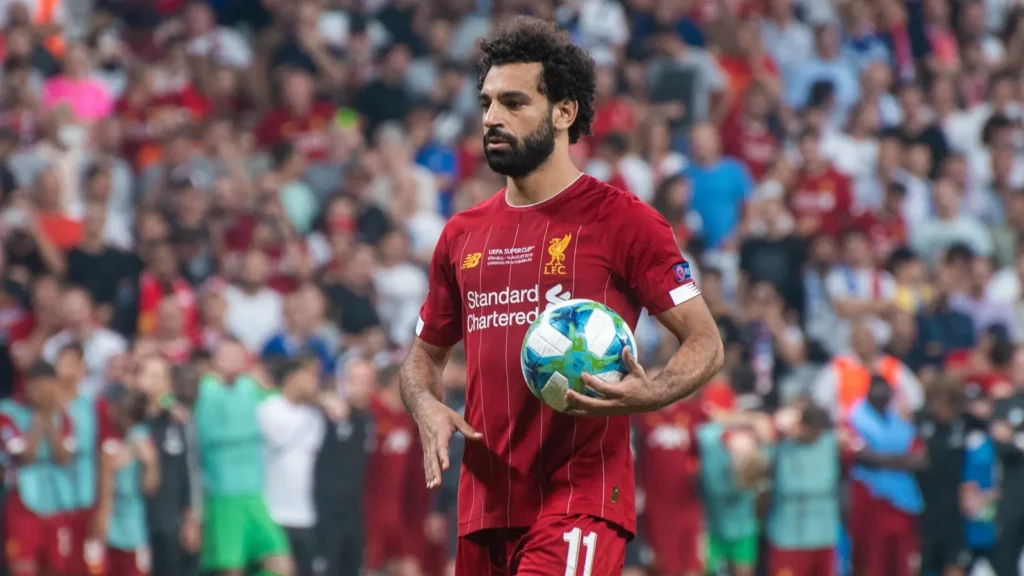
Late in the match, Julián Álvarez challenged Mohamed Salah inside Argentina’s penalty area near the byline. Salah went down, but referee François Letexier allowed play to continue after Álvarez touched the ball before making contact.
Argentina then attacked at the other end and Enzo Fernández scored the winning goal in stoppage time. Egypt appealed for a penalty, but the referee and VAR judged the incident to be normal football contact rather than a foul.
Egypt demands answers from FIFA
The Egyptian Football Association filed a formal complaint after the loss and requested an investigation into the refereeing. Head coach Hossam Hassan also alleged that external factors favored Argentina and Lionel Messi, although he provided no evidence that FIFA or match officials manipulated the result.
FIFA refereeing chief Pierluigi Collina rejected allegations of bias and said the officials acted independently. The complaint nevertheless intensified debate over the disallowed goal and Egypt’s unsuccessful late penalty appeal.
Fun fact: Egypt reached the knockout stage of a modern group-format World Cup for the first time in 2026, 92 years after its tournament debut in 1934. The country has appeared at 4 World Cups: 1934, 1990, 2018 and 2026.
FIFA’s refereeing chief responds
Pierluigi Collina, FIFA’s refereeing chief, defended the officials’ decisions following Egypt’s defeat. He said Julián Álvarez touched the ball before making what the referee and VAR considered normal football contact with Mohamed Salah.
Collina also defended the decision to disallow Mostafa Zico’s goal because officials determined that Marwan Attia had committed a foul during the attacking phase. He rejected allegations of FIFA interference and warned that unsupported accusations against referees can have serious consequences.
The controversy adds to debate over VAR
The Argentina-Egypt match became one of the tournament’s most heavily debated refereeing episodes, particularly because of Zico’s disallowed goal and Egypt’s late penalty appeal involving Salah and Álvarez.
The incidents prompted renewed discussion among supporters, analysts and former players about VAR’s intervention threshold, the definition of an attacking phase and the consistency of decision-making. However, criticism of individual calls does not establish that FIFA or its officials deliberately favored a particular team.
What this means for Egypt and Salah
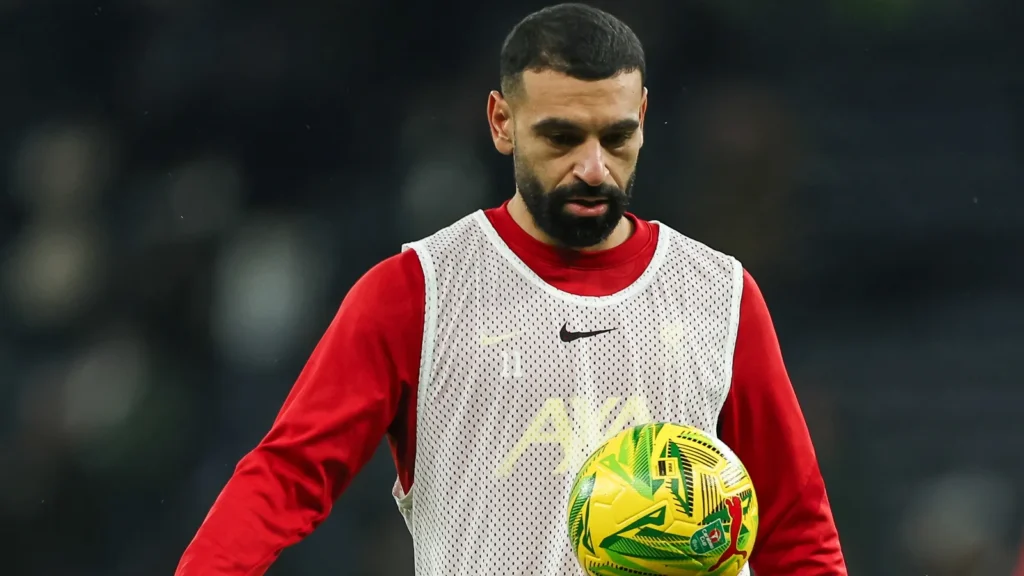
At 34 years old, Salah may have played his final World Cup match for Egypt after guiding the nation past the group stage for the first time in its long history. His leadership throughout the tournament earned respect, even as the ending left millions of supporters furious and heartbroken.
For Argentina, the win sends Messi’s side into the quarterfinals despite the controversy trailing their dramatic victory over Egypt. For FIFA, the challenge now is convincing new fans across North America that outcomes are always decided by players on the field, not by disputed calls made in a booth.
Fun fact: Salah is Egypt’s all-time leading scorer at the World Cup, with 68 goals to his name, and made his World Cup debut in Russia in 2018, the same tournament in which VAR was first introduced.
TL;DR
- Argentina beat Egypt 3-2 in the Round of 16 after trailing 2-0 late.
- Salah accused FIFA of highway robbery, blaming officiating for Egypt’s exit.
- VAR disallowed a Zico goal for a foul far from the ball.
- A potential penalty on Salah before Argentina’s win was never reviewed.
- Referee chief Pierluigi Collina defended both calls as correct and unbiased.
- Egypt filed an official complaint demanding an investigation into the officiating.
If you liked this story, don’t forget to follow us for more exclusive content.
This article was made with AI assistance and human editing.
If you liked this, you might also like: