
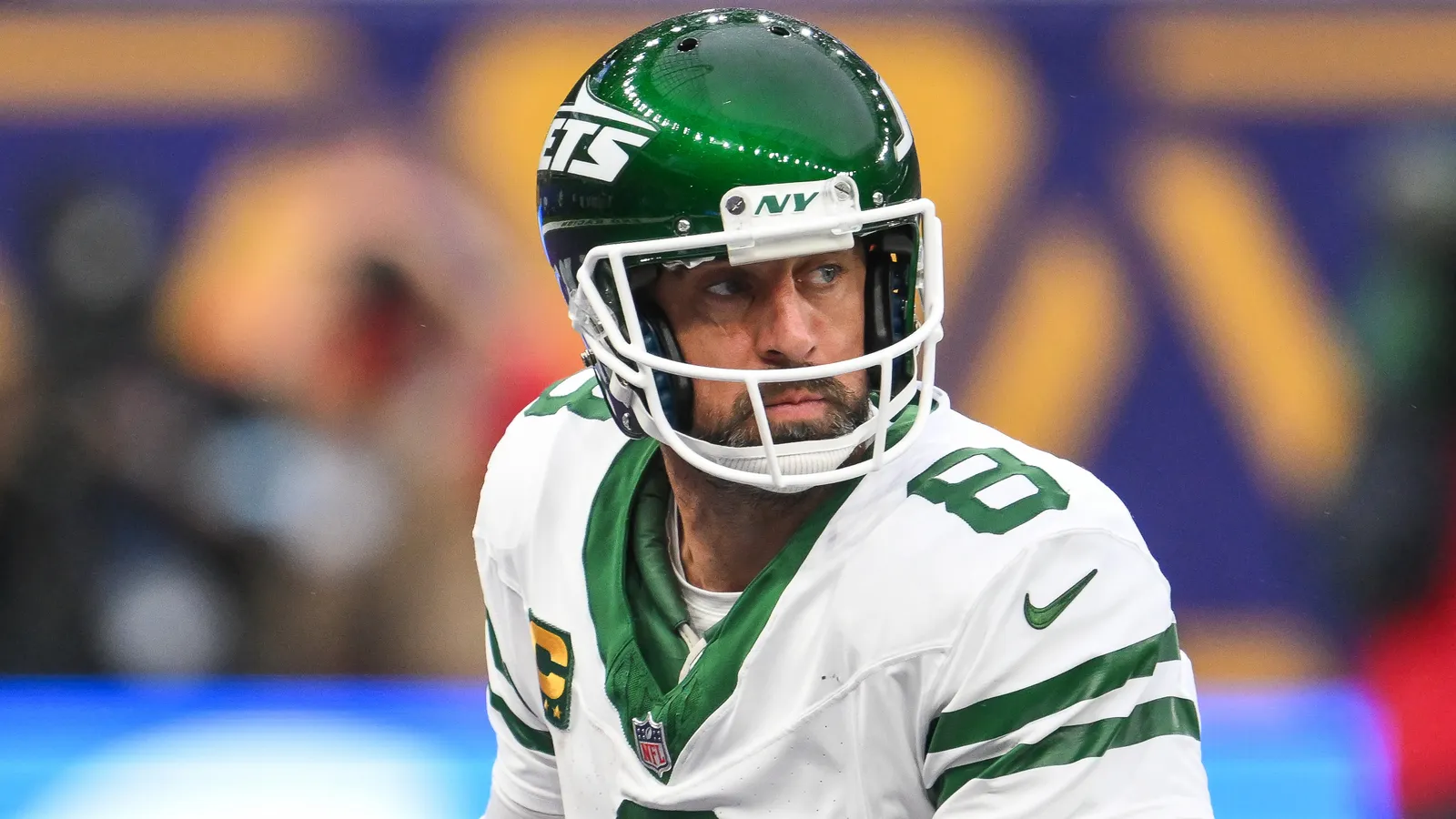
Aaron Rodgers made headlines this week for comments unrelated to football. During an August 3 appearance on “The Pat McAfee Show” at Steelers training camp, the Pittsburgh quarterback criticized former U.S. health official Dr. Anthony Fauci. Rodgers called Fauci an “absolute coward” after discussing his recent Senate testimony.
The Steelers responded the following day through spokesperson Burt Lauten. The statement defended players’ ability to hold personal views but did not endorse Rodgers’ criticism of Fauci. The episode renewed discussion about athletes, political commentary, and the limits of workplace speech.
Rodgers reignites debate with pointed Fauci remarks
Rodgers has repeatedly discussed public health and cultural issues during sports media appearances. During his latest interview, he pivoted from a question about his final NFL season to Fauci’s Senate testimony. There is no evidence establishing that his remarks were scripted or planned in advance.
The comments became a prominent story from the Steelers’ August 3 training-camp coverage. Multiple sports and entertainment outlets subsequently reported the segment. However, no reliable engagement data establishes that it became the single biggest story from camp or that fans focused on it more than football.
Rodgers has previously used “The Pat McAfee Show” and other media appearances to discuss vaccination, health policy, and cultural issues. In 2021, he acknowledged that his description of himself as “immunized” had misled some people. His willingness to discuss subjects outside football has remained a recurring part of his media presence.
What happened on the Pat McAfee show
The exchange began when Rodgers was asked about his mindset entering his final NFL season. He responded that he would “plead the Fifth,” referring to Fauci’s recent Senate testimony. The joke then turned into a criticism of the former federal health official.
Rodgers repeatedly called Fauci an “absolute coward.” He criticized Fauci for invoking his Fifth Amendment right after receiving a federal pardon. The constitutional protection concerns possible self-incrimination and does not, by itself, establish wrongdoing.
Rodgers also criticized ESPN’s coverage of Fauci’s hearing and compared it with the attention his own vaccination status had received. He discussed several additional media controversies during the appearance. His criticism, therefore, extended beyond Fauci and public-health policy.
Steelers issue a carefully worded response
Steelers spokesperson Burt Lauten issued a statement to WTAE after Rodgers’ remarks received media attention. He did not address whether the organization agreed with Rodgers’ characterization of Fauci. The statement instead focused on the existence of differing personal opinions.
Lauten said discussions involving politics and culture can produce different perspectives. He added that Steelers players are entitled to their own personal views. He also said he was certain that numerous opinions existed within the locker room.
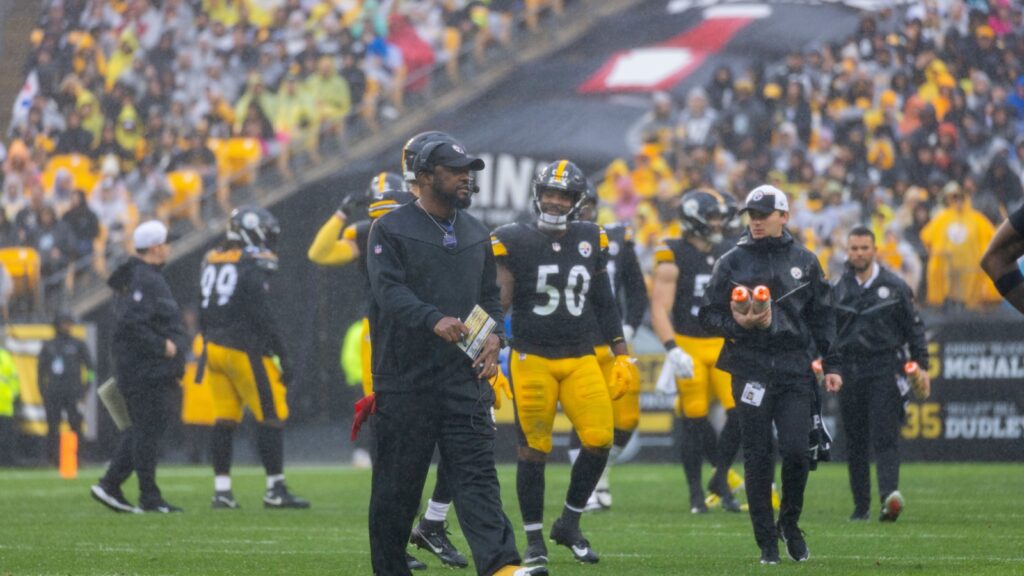
The statement neither condemned Rodgers nor explicitly endorsed his comments. Head coach Mike McCarthy later said that players are grown men with different opinions and emphasized the need to keep the team focused on football. Claims about the organization’s private motives for responding cannot be independently established.

Rodgers has criticized Fauci for years
Rodgers became a vocal critic of COVID-19 vaccination policies during the 2021 NFL season. His comments focused on personal choice, league rules, and public health officials, including Anthony Fauci. His criticism of Fauci became more direct in later interviews.
In 2021, Rodgers said he was “immunized” despite not receiving an approved COVID-19 vaccine. He later acknowledged the wording had misled some people. The NFL fined him about $14,000 for violating COVID-19 protocols.
Rodgers has continued to criticize Fauci and COVID-19 policies in subsequent interviews. However, there is no evidence that Rodgers and Fauci had a direct personal dispute before Rodgers’ latest remarks.
Fauci’s own 5th Amendment testimony sparked backlash
Rodgers’ comments followed Anthony Fauci’s July 29 appearance before a Senate committee. Fauci invoked the Fifth Amendment and declined to answer questions about his handling of the COVID-19 pandemic. The hearing also examined material from his personal diaries.
Committee chairman Rand Paul argued that Fauci’s federal pardon removed his Fifth Amendment protection. Fauci’s attorneys and several legal experts disagreed, citing possible legal risks. The committee was considering a contempt referral.
Rodgers described Fauci’s refusal to answer as evidence of cowardice. That was Rodgers’ opinion, not a legal finding. Invoking the Fifth Amendment is a constitutional right and does not by itself indicate guilt.
Fun fact: Through the 2025 season, Rodgers had a career interception rate of about 1.4%, among the lowest ever recorded by qualified NFL quarterbacks.
Reaction from teammates, fans, and sports media
Online reaction included both support for and criticism of Rodgers’ remarks. Selected social media posts cannot establish how fans viewed the exchange overall. Coverage also varied in its focus on Fauci, ESPN, or Rodgers’ previous vaccination controversy.
Fauci’s attorney, David Schertler, responded by saying Rodgers did not understand the subject and should focus on football. Steelers coach Mike McCarthy said his responsibility was to keep the team focused and united. These responses extended the story beyond the organization’s original statement.
Available reports did not document a broad public response from Rodgers’ Steelers teammates. That absence should not be interpreted as proof of their private feelings or a coordinated decision to remain silent. No reliable survey or locker-room reporting establishes how the entire roster viewed his remarks.
Why teams rarely police players’ political opinions
Private sports teams can regulate employee speech under certain circumstances. The First Amendment protects against government restrictions, not actions by private employers. Contracts, workplace policies, and employment laws may also apply.
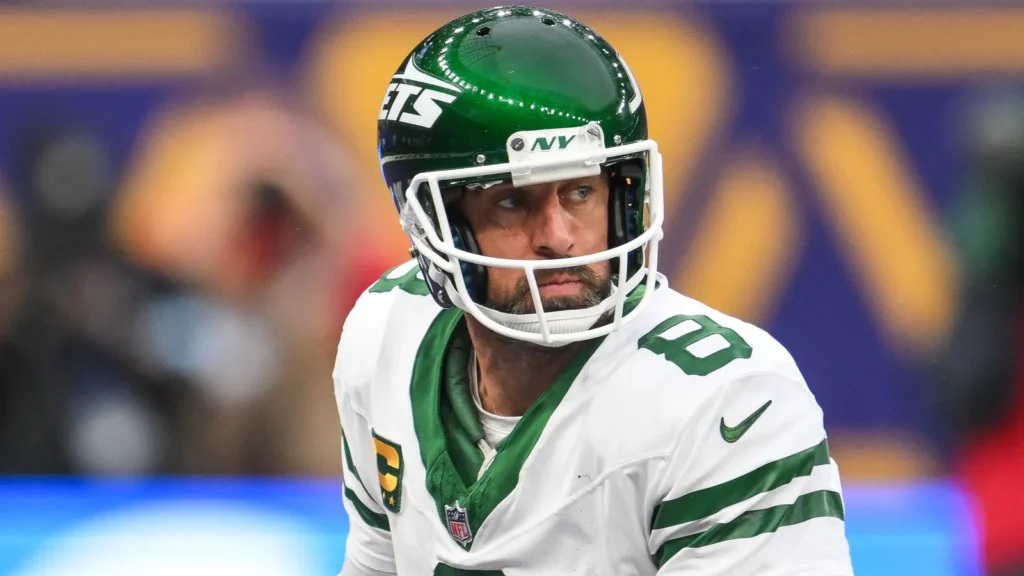
The Steelers did not discipline Rodgers and acknowledged that players can hold different personal views. We should not view that response as a universal team policy. The organization has responded differently in other situations.
A neutral statement can separate a player’s views from the team’s official position. It does not give players unlimited protection from professional consequences. Teams still evaluate speech in light of contracts, workplace rules, and business considerations.
What this means for Rodgers final season
Rodgers has confirmed that the 2026 NFL season will be his last. His latest comments add off-field attention to a season already focused on his retirement plans and reunion with coach Mike McCarthy. Their effect on the team’s performance cannot yet be determined.
The Steelers are preparing for preseason games and evaluating the roster before the regular season. McCarthy has publicly emphasized maintaining a football-focused and united team. No team official has said that the organization expects the controversy to affect personnel or game preparations.
Rodgers has continued discussing subjects beyond football during public appearances. It is possible that additional controversies will emerge, but predicting them as inevitable would be speculative. The significance of this episode will depend on whether it continues affecting media coverage or team operations.
Little-known fact: Rodgers attracted little Division I recruiting interest after high school and played 1 season at Butte College before transferring to California.
TL;DR
- Aaron Rodgers criticized Dr. Anthony Fauci during an August 3 appearance on “The Pat McAfee Show“.
- The Steelers responded that players are entitled to personal views but did not endorse Rodgers’ statements.
- Rodgers called Fauci an “absolute coward” over his recent Fifth Amendment testimony.
- Rodgers has a long history of public disputes with Fauci since 2021.
- The moment adds attention to Rodgers’ reported final NFL season.
If you liked this story, don’t forget to follow us for more exclusive content.
This article was made with AI assistance and human editing.
If you liked this, you might also like: