

Aaron Rodgers criticized ESPN’s coverage priorities during an Aug. 3 appearance on The Pat McAfee Show from Pittsburgh Steelers training camp.
Rodgers described ESPN as a “gutless organization” with “no integrity” and compared the network’s coverage of his vaccination controversy with its treatment of Anthony Fauci’s Senate testimony and reports involving former NFL insider Dianna Russini and New England Patriots coach Mike Vrabel.
The remarks drew coverage from sports and media outlets and renewed discussion about the relationship between ESPN and McAfee’s independently produced show, which the network licenses and distributes across its platforms.
What did Aaron Rodgers say about ESPN?
During his Aug. 3 appearance, Rodgers called ESPN a “gutless organization” with “no integrity.” He questioned how much airtime the network had devoted to Fauci’s Senate testimony compared with its coverage of Rodgers’ vaccination status and celebrity stories.
Rodgers also criticized ESPN’s treatment of reports concerning Russini and Vrabel. He questioned whether the network had sufficiently examined the controversy and raised concerns about media access, award voting and possible conflicts of interest.
His remarks focused on ESPN’s editorial priorities rather than the Steelers’ preparations for the 2026 season.
Why did the comments attract attention?
Rodgers became a regular guest on The Pat McAfee Show in 2020 and made weekly appearances during several NFL seasons. ESPN identified him as a recurring Tuesday guest when the program joined its platforms in 2023.
The show retains McAfee’s conversational style while airing on ESPN and digital platforms. That arrangement made Rodgers’ remarks especially notable because he criticized ESPN during a program distributed by the network.
The segment received coverage from sports-business and media outlets, continuing a pattern in which Rodgers’ appearances generate stories extending beyond football.
Fun fact: Rodgers has appeared regularly on The Pat McAfee Show for several NFL seasons, making it one of the longest-running recurring player-media partnerships in football.

ESPN declines to comment on Rodgers
ESPN declined to comment publicly on Rodgers’ remarks, avoiding a direct exchange with the quarterback.
The network’s silence renewed questions about its responsibility for content carried through The Pat McAfee Show. ESPN content president Burke Magnus previously acknowledged that the network bears some responsibility because the program appears on its platforms, even though McAfee produces and controls the show.
Media commentary following the Aug. 3 interview focused on whether ESPN should continue to provide Rodgers with a prominent platform for discussions that extend beyond football.
Rodgers has built a reputation for speaking candidly
Whether people agree with him or not, Rodgers has consistently shown a willingness to express opinions that generate headlines. His interviews often move beyond football into broader conversations about leadership, public discourse, and media coverage.
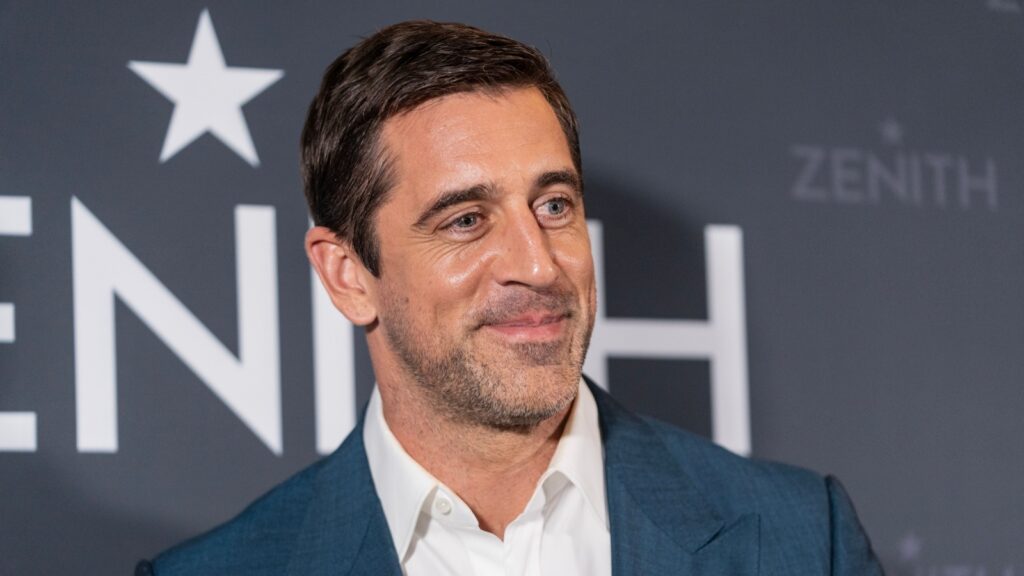
That history helps explain why his latest appearance immediately attracted widespread interest. Many fans expected another headline-grabbing conversation, while others tuned in specifically because Rodgers rarely limits himself to discussing football strategy or upcoming opponents.
Fun fact: Rodgers is one of only five quarterbacks in NFL history to win four Associated Press NFL Most Valuable Player awards, joining one of the league’s most exclusive groups.
What does this mean for ESPN and Pat McAfee?
The episode also renewed discussion about The Pat McAfee Show’s unique place within ESPN’s programming. McAfee has built his brand around informal conversations and unscripted interviews, giving guests freedom to express opinions that traditional studio shows may not explore.
That format has attracted major athletes while occasionally producing controversial moments. Earlier interactions involving Rodgers also generated significant attention, demonstrating how the partnership regularly creates news beyond football itself.
At the same time, ESPN continues balancing its traditional news operations with personality-driven programming that appeals to modern sports audiences. Rodgers’ comments became another example of the challenges that can emerge when those approaches intersect.
Fans remain divided over Rodgers’ approach
Online reaction reflected just how polarizing Rodgers remains. Some supporters praised him for challenging a major sports media company and encouraging debate about editorial decisions. Others argued that his criticism distracted from football and continued a pattern of creating off-field controversy.
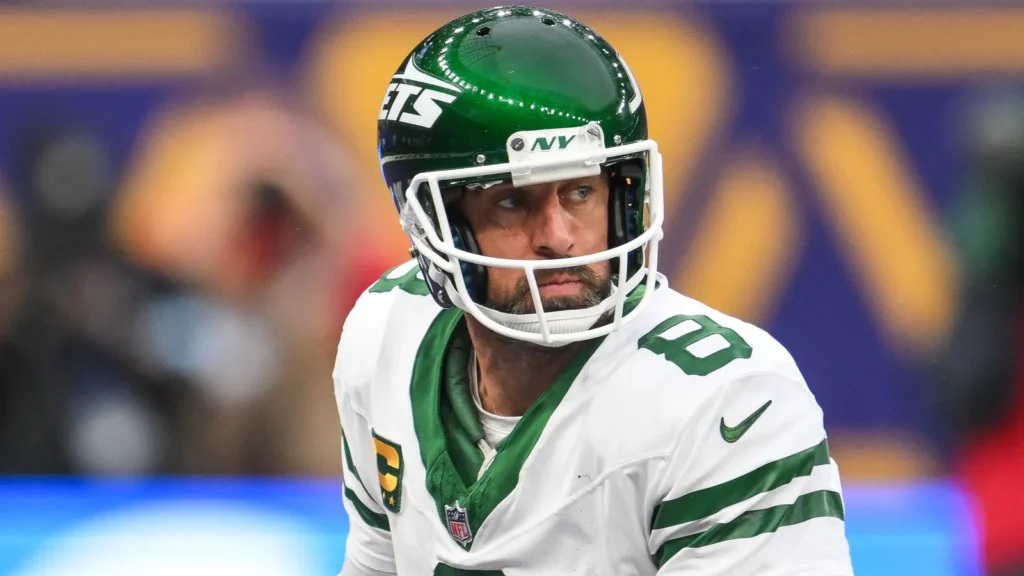
The differing responses underscore Rodgers’ unique position in professional sports. Few active quarterbacks generate as much discussion from interviews alone, regardless of whether those conversations involve football, media, or broader public issues.
Fun fact: Rodgers was selected 24th overall in the 2005 NFL Draft after waiting through nearly the entire first round, one of the most memorable draft-night slides for a future Hall of Fame-caliber quarterback.
Why this conversation matters beyond one interview
The broader significance of Rodgers’ remarks lies less in the criticism itself and more in what it reveals about today’s sports media landscape. Athletes now have multiple ways to communicate directly with fans through podcasts, streaming shows, and social platforms rather than relying exclusively on traditional interviews.
That shift has changed how public conversations develop. A single interview can quickly become a national talking point, especially when it involves one of football’s most recognizable figures speaking candidly about one of the country’s largest sports networks.
For now, there is no indication that Rodgers’ comments will affect his relationship with The Pat McAfee Show or ESPN’s continued distribution of the program. Instead, the interview has reinforced Rodgers’ reputation as one of the NFL’s most outspoken voices while sparking another round of discussion about media, journalism, and athlete influence in modern sports.
TL;DR
- Aaron Rodgers criticized ESPN’s editorial decisions during The Pat McAfee Show.
- His comments centered on stories he believed deserved more network coverage.
- ESPN declined to comment publicly on Rodgers’ remarks.
- The interview sparked widespread debate about athletes, media, and editorial independence.
- Fans and analysts remain divided over Rodgers’ outspoken communication style.
- The episode highlighted the growing influence of long-form athlete interviews in shaping sports conversations.
If you liked this story, don’t forget to follow us for more exclusive content.
This article was made with AI assistance and human editing.
If you liked this, you might also like: