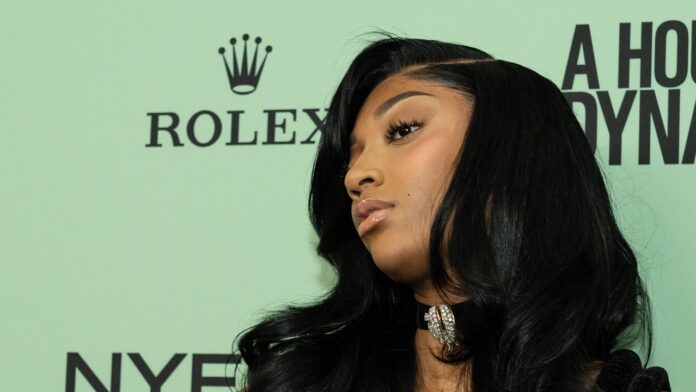
Angel Reese’s comments about Caitlin Clark’s fans are back in the spotlight as their rivalry enters a new chapter. Reese has long separated her respect for Clark from the behavior of some supporters. Their competition began before college and became a defining storyline in women’s basketball. In 2026, the pair added a new layer by playing together for Team USA.
That partnership became especially visible during the FIBA Women’s World Cup in Germany. Clark and Reese helped the United States win gold while rejecting personal animosity. Yet the fan debate surrounding them has continued to draw attention.
Reese’s criticism was aimed at parts of the fanbase
Reese made the comments in September 2024 on her podcast Unapologetically Angel, during her rookie WNBA season with the Chicago Sky. She praised Clark as an “amazing player” and said the two had been competing against each other since high school, while directing her criticism toward portions of Clark’s fanbase. Media outlets reported that Reese described some interactions as disrespectful and said she believed racism had entered the rivalry.
Reese also said the online hostility had gone beyond ordinary sports trash talk. She described receiving death threats, being followed home and seeing manipulated AI images of herself sent to family members, allegations she made on her podcast rather than claims independently established in the report.
The distinction Reese made between Clark and Clark’s supporters has remained important to the story. She said she did not believe Clark personally shared the hateful attitudes she was describing, keeping the criticism focused on behavior surrounding the rivalry rather than on Clark herself.
The rivalry started long before the WNBA
Clark and Reese’s history stretches back to their AAU days, years before their names became linked to the WNBA. Reese later said they had faced each other since roughly eighth or ninth grade, continuing a competitive relationship through college and into the WNBA.
Their most famous college meeting came in the 2023 national championship game, when Reese and LSU defeated Clark and Iowa. Clark and Iowa then won their rematch in the 2024 Elite Eight, adding another nationally significant chapter to the rivalry before both players entered the WNBA.
The WNBA highlighted Clark and Reese during its 2026 Rivals Week coverage, noting that their college rivalry had carried into the league even after Reese moved from Chicago to Atlanta.
2026 has changed the dynamic between them
Reese joined the Atlanta Dream in April after Chicago traded her for Atlanta’s 2027 and 2028 first-round picks, along with 2028 second-round pick swap rights. The move created a new setting for her WNBA meetings with Clark while keeping their head-to-head connection firmly in the league’s spotlight.
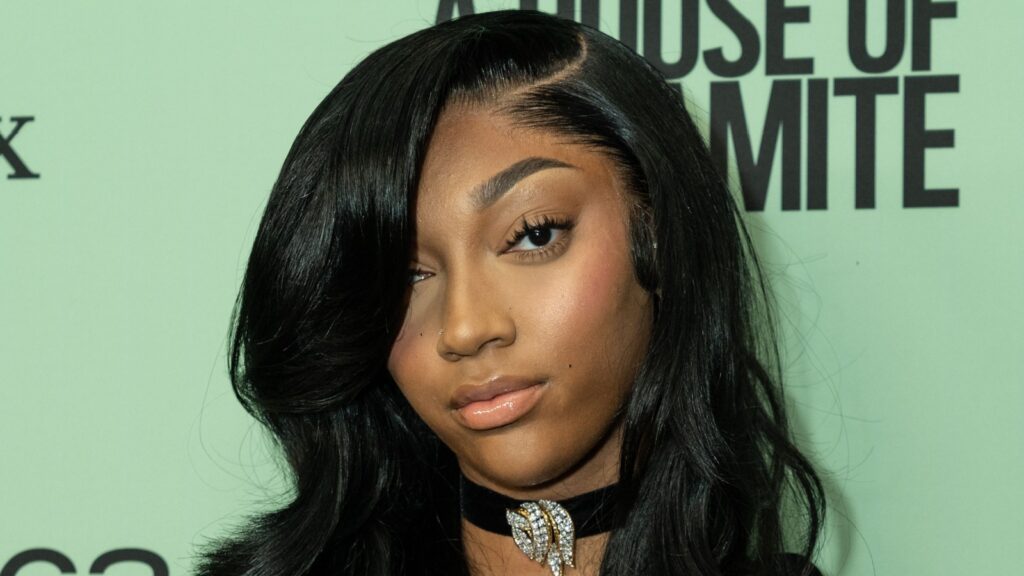
The teams met several times during the 2026 season, including Atlanta’s 108-101 victory in Indianapolis on June 18. Reese recorded 21 points and 11 rebounds, while Clark scored 26 points for Indiana.
Two days later, Reese reached 1,000 career rebounds in Atlanta’s 113-96 win over Indiana. The milestone made her the fastest player in WNBA history to reach 1,000 career rebounds.
Fun fact: Angel Reese wore No. 10 at LSU because it was the same number worn by her mother at UMBC and her brother at Maryland. She initially wore No. 1 during her first 13 games with LSU before switching to No. 10 when it became available.
Team USA showed a different side of the rivalry
The biggest change came overseas, where Clark and Reese became teammates rather than opponents. During the 2026 FIBA Women’s World Cup in Germany, their on-court chemistry became part of Team USA’s gold-medal run.
Reese said playing alongside Clark had been fun, pointing to their passing connection during the tournament. Clark also pushed back against attempts to frame their relationship as hostile, saying after the tournament that the two had “always been friends.”
Their Team USA experience added context to years of rivalry coverage. The players can compete intensely when their WNBA teams meet while still functioning comfortably as teammates, a distinction both have emphasized publicly.
Fan loyalty remains part of the conversation
The intensity around Clark and Reese has grown with the popularity of women’s basketball. During the 2026 World Cup, coverage again focused on how easily their relationship can be reduced online to a rivalry narrative, even as both players pushed back against that framing.
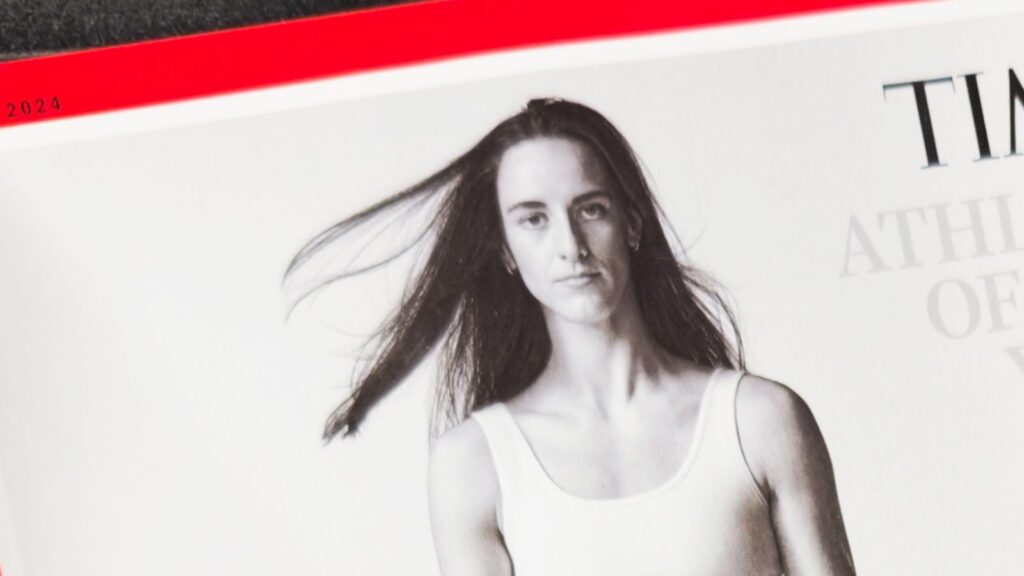
Reese’s 2024 comments remain part of that conversation because she separated Clark’s own conduct from the behavior she said she experienced from some people identifying as Clark fans. Her remarks addressed specific interactions she said had crossed from ordinary rivalry into harassment.
Clark has also rejected attempts to frame her relationship with Reese as hostile. After Team USA’s World Cup win, she told a reporter, “We’ve always been friends. Don’t try to do that.”
The 2026 season has added another layer through Reese’s move to Atlanta and the pair’s Team USA partnership. Their rivalry remains rooted in years of competition, but their recent interactions have also shown that their relationship is more complicated than the fan divide surrounding them.
TL;DR
- Angel Reese’s criticism of some Caitlin Clark fans dates to her September 2024 podcast.
- Reese said she respected Clark and did not believe Clark shared the hateful attitudes she described.
- Their rivalry began in youth basketball and continued through college and the WNBA.
- Reese joined the Atlanta Dream in 2026 and faced Clark’s Fever during the regular season.
- Reese became the fastest player in WNBA history to reach 1,000 career rebounds.
- Clark and Reese later played together for Team USA at the 2026 FIBA Women’s World Cup.
- Their teammateship highlighted a distinction between competitive rivalry and personal hostility.
If you liked this story, don’t forget to follow us for more exclusive content.
This article was made with AI assistance and human editing.
If you liked this, you might also like: