

The 2026 FIFA World Cup final ended in extra-time chaos that overshadowed Spain’s narrow win over Argentina. What began as raw postgame emotions boiled over into a physical confrontation involving players from both teams. FIFA reviewed the entire incident for weeks before issuing suspensions and fines that rank among the toughest in tournament history.
The Argentine Football Association now says those punishments went much too far and plans to fight them through official channels. This growing dispute raises bigger questions about how soccer’s governing body polices bad behavior on the sport’s biggest stage. The outcome could shape far more than just a handful of suspensions for Argentina’s national team going forward.
A brawl erupts after the World Cup final
Spain beat Argentina 1 to 0 in the World Cup final on July 19, 2026. The match took place in East Rutherford, New Jersey, in front of a packed stadium crowd. Tempers flared the moment the referee blew the final whistle.
Argentina defender Nahuel Molina struck Spain midfielder Rodri during the postgame celebration on the field. The 2 players exchanged heated words before the situation quickly grew physical. Other players from both teams rushed in and joined the growing scuffle.
Argentina midfielder Leandro Paredes grabbed Spain defender Eric García by the throat during the chaos. He also shoved Spain midfielder Gavi hard to the ground near midfield. Television cameras captured the entire incident, giving FIFA plenty of footage to review.
FIFA issues bans and fines to players
FIFA announced disciplinary sanctions after reviewing the post-match confrontation following the 2026 World Cup final. The organization suspended 3 Argentina players, Argentine assistant coach Roberto Ayala, and Spanish midfielder Gavi for their roles in the incident. Leandro Paredes received the strongest punishment, with a 10-match suspension and a $90,000 fine.
Nahuel Molina received a 7-match ban and a $90,000 fine, while Thiago Almada and Gavi were each suspended for 1 match and fined $30,000. Ayala received a 3-match suspension and a $30,000 fine after FIFA reviewed his involvement in the confrontation.
The disciplinary decisions followed FIFA’s investigation into the scenes after Spain’s 1-0 victory over Argentina in the World Cup final. The sanctions affected both players and team officials involved in the post-match incidents.
The AFA faces a costly financial penalty
FIFA did not stop at punishing individual players for their actions that day. The Argentine Football Association itself was fined a total of $321000. That fine covered several separate violations connected to the tournament.
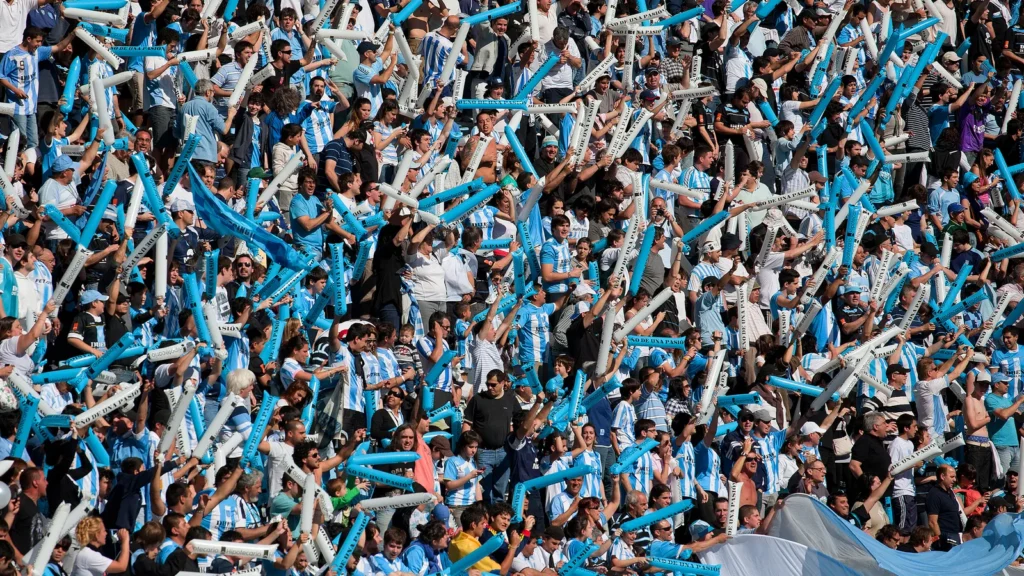
Part of that money must go toward projects aimed at combating discrimination in the sport. FIFA specifically ordered $100,000 to support that particular effort going forward. Officials pointed to discriminatory chants coming from Argentina fans throughout the tournament.
Argentina must also play its next two home matches, with one sanction suspended, at a reduced stadium capacity. FIFA capped attendance at half the venue as an additional form of punishment. The fine and the capacity limit both stemmed from crowd behavior and security failures.

Argentina calls the sanctions unfair and extreme
AFA legal advisor Andrés Patón Urich criticized FIFA’s disciplinary decisions after the rulings were announced. He described the punishments as excessive and said the federation had expected sanctions but considered the final penalties harsher than anticipated.
The AFA plans to challenge the suspensions through FIFA’s appeal process. The federation is seeking reductions to the bans involving players and staff members, including Leandro Paredes and Nahuel Molina.
Argentina has 10 days to request the full written decisions from FIFA before pursuing the next steps in its appeal. The disciplinary decisions remain subject to challenge under FIFA’s rules.
How teams typically appeal FIFA disciplinary rulings
National federations can first challenge FIFA rulings through an internal appeals committee. That committee reviews every detail of the case and can adjust the punishment. Federations must act quickly within strict deadlines set by FIFA’s own rules.
If that internal appeal fails, teams can choose to escalate the case even further. The Court of Arbitration for Sport handles many disputes just like this one. CAS is based in Switzerland and hears cases from sports around the world.
Appeals rarely overturn a ban once FIFA has officially issued it. Reduced suspensions or slightly lowered fines tend to be the more common outcome. The entire process can take several weeks or even a few months to resolve.
Fun fact: FIFA branded the venue New York New Jersey Stadium during the event, covering MetLife sponsorship signage.
Suspensions threaten Argentina’s lineup in the coming matches
The bans will sideline several key players across Argentina’s next set of fixtures. Paredes and Molina are both regular starters for the senior national team. Their combined absence could noticeably weaken the squad during the upcoming important matches.
Coach Roberto Ayala also faces real time away from the sideline himself. He cannot accompany the team at all during his suspension, covering three matches. That leaves the rest of the coaching staff to adjust without his direct guidance.
Almada’s much shorter ban means he should return to action fairly soon. Still, losing several players at once creates real depth challenges for any national squad. Argentina will likely need solid contributions from less experienced players in the meantime.
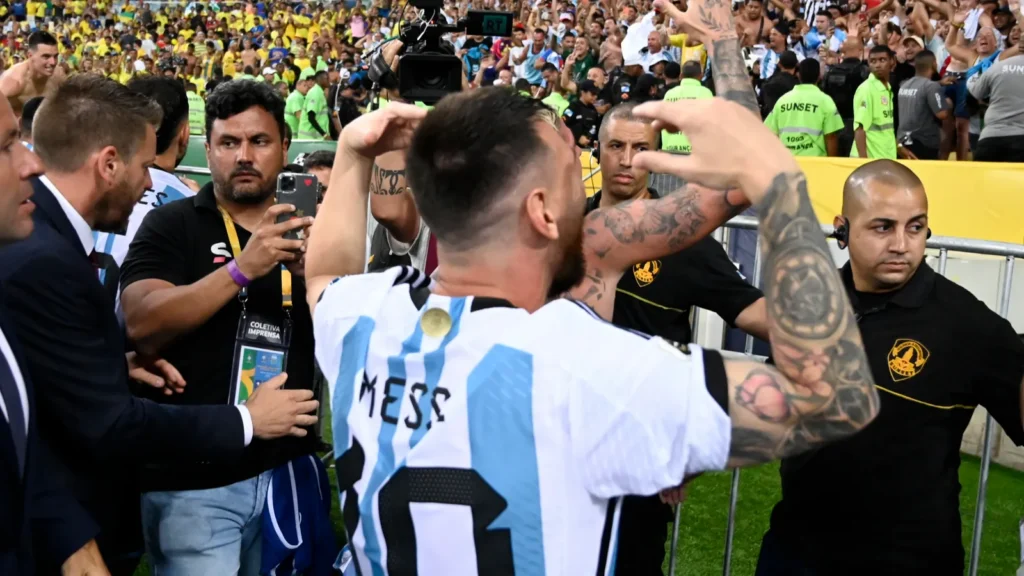
Past cases show FIFA rarely reduces bans
History offers a useful guide for what Argentina might realistically expect going forward. Luis Suarez was banned for 9 matches back in 2014 after biting an opponent. That punishment stood despite strong public criticism of its length.
Paredes now shares a rare distinction with a player from the 2014 World Cup qualifying cycle. Josip Šimunić of Croatia also received a 10-match ban. His punishment involved leading fans in an offensive chant right after a match.
These past examples show FIFA tends to hold firm once it hands down long bans. Argentina’s odds of a full reversal look fairly slim based on this pattern.
What comes next in this legal battle
The AFA’s appeal process will begin through FIFA’s established disciplinary procedures. If the federation remains dissatisfied with the outcome, it could explore further legal options, including a possible appeal to the Court of Arbitration for Sport (CAS).
FIFA has published its disciplinary decisions and confirmed the sanctions following its review of the incidents. The AFA has indicated that it plans to request the detailed rulings before deciding its next steps.
For now, the suspended players and officials must prepare for the consequences of their bans as the appeal process unfolds. The final outcome will depend on FIFA’s review procedures and any further legal action taken by the federation.
Little-known fact: Argentina faced disciplinary sanctions and fines from soccer authorities after players displayed a “Las Malvinas son Argentinas” banner following a dramatic 2-1 victory over England in the 2026 World Cup semifinal.
TL;DR
- FIFA banned and fined 3 Argentine players over the World Cup final brawl.
- Paredes received the longest ban, 10 matches, plus a $ 90,000 fine.
- The AFA itself was fined a total of $321000 for tournament violations.
- Argentina plans to formally appeal the rulings within the next 10 days.
- History suggests long FIFA bans rarely get overturned once an appeal is filed.
If you liked this story, don’t forget to follow us for more exclusive content.
This article was made with AI assistance and human editing.
If you liked this, you might also like: