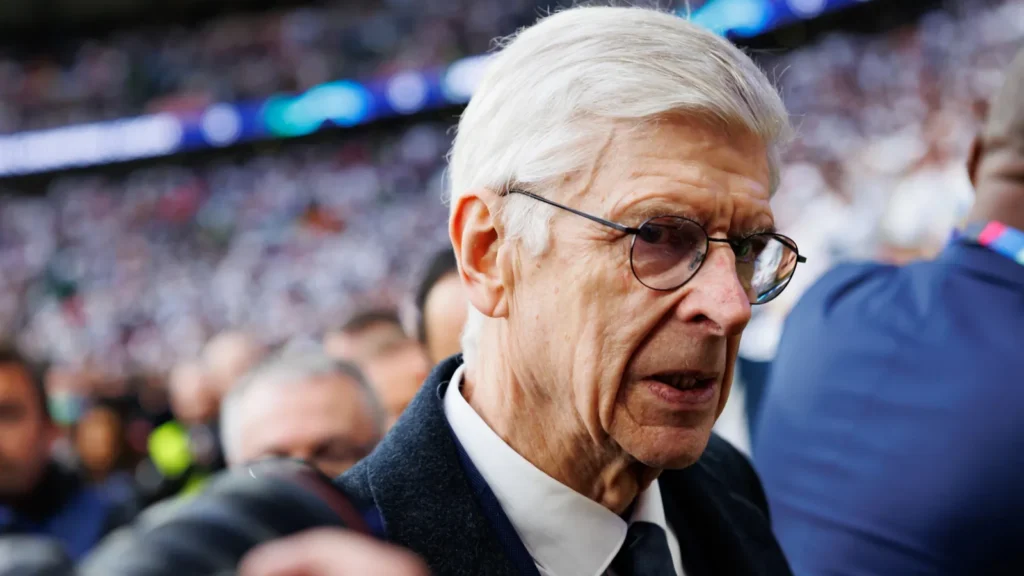
Wenger weighs in on FIFA’s latest controversy
The fallout from Gianni Infantino’s controversial World Cup proposal has sparked one of FIFA’s biggest governance debates in years. Arsène Wenger has now broken his silence, adding a new perspective to a story that continues to make headlines across the soccer world.
What exactly happened behind the scenes, and why has Wenger’s response attracted so much attention? Here’s a closer look at the events shaping the conversation around FIFA’s future.
FIFA’s proposal draws criticism
FIFA proposed creating FIFA Forward Enterprise, a new FIFA-owned commercial subsidiary linked to its tournament portfolio and commercial operations. The plan involved selling a stake in World Cup commercial rights, with reports valuing the proposed deal at around $4.2 billion and the overall valuation at around $20 billion.
FIFA said it would retain control over governance, competitions, the match calendar, and sporting decisions. UEFA and other football leaders criticized the proposal’s transparency, consultation process, and potential impact on the management of global football.
Wenger explains his role
Wenger said he had no involvement in developing the commercial proposal before it became public. Since joining FIFA in 2019, he has served as Chief of Global Football Development, focusing on football development projects worldwide.
He also works as a technical adviser to the International Football Association Board. Wenger said his responsibilities do not include FIFA’s commercial strategy.
Opposition grows across football
Several football organizations criticized the proposal after it was announced. UEFA said football’s governance should not become a commercial asset and questioned the lack of transparency surrounding the plan.
Former Portugal captain Luis Figo also criticized FIFA President Gianni Infantino over the controversy. Their responses reflected wider concerns about how the proposal had been introduced.

FIFA leadership meets in Morocco
Gianni Infantino met senior FIFA officials in Morocco after the proposal was withdrawn. The meeting focused on the fallout from the abandoned plan and the organization’s next steps.
FIFA’s leadership later expressed its support for Infantino following the discussions. The organization also acknowledged that its communication and decision-making processes could be improved.
Regional divisions become clearer
The controversy highlighted differing views among FIFA’s member associations. Several European football associations opposed the proposal, criticized the approval process, or withdrew support for Infantino’s re-election.
At the same time, Infantino still had important backing outside Europe, including prior support from African member associations and continued support from some smaller federations. Those regional and political differences became an important part of the debate surrounding FIFA’s future direction.

Attention shifts to FIFA’s future
After withdrawing the proposal, FIFA returned its focus to its football programs and upcoming competitions. The organization also began reviewing how major commercial initiatives should be presented to member associations.
Football leaders continue discussing governance and consultation following the controversy. The issue is expected to remain significant as FIFA prepares for its March 2027 presidential election.
FIFA apologizes to its members
Following the controversy, FIFA issued an apology to its 211 member associations for how the proposal had been handled. The organization acknowledged that the process had not met the expectations of many stakeholders.
FIFA also committed to reviewing its procedures for major commercial decisions. The apology came after criticism from member associations, confederations, and football leaders.
Infantino retains global backing
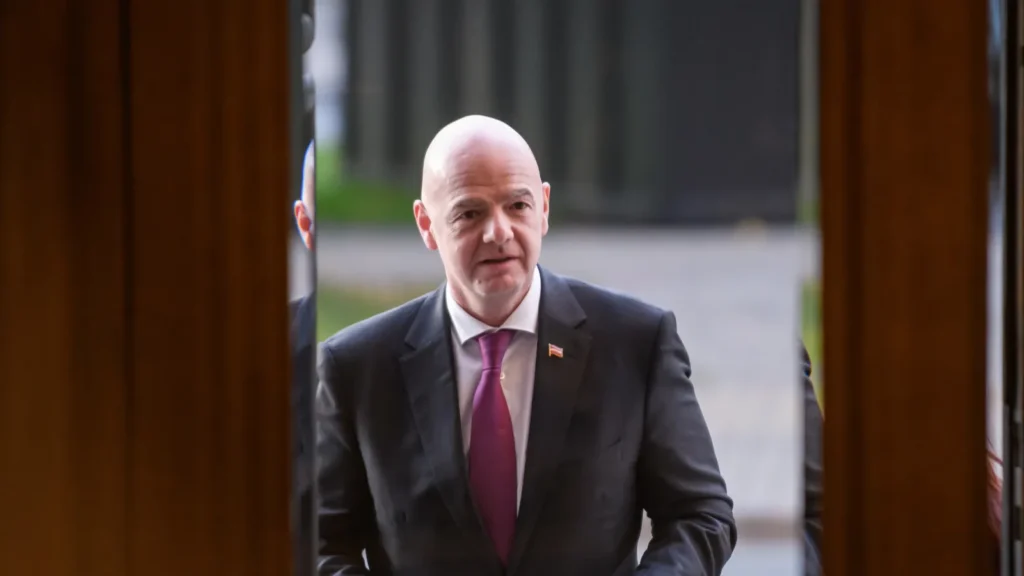
Although several European football organizations criticized the proposal, Gianni Infantino continued to receive support from important FIFA members outside Europe. African member associations had backed his 2027 re-election bid, and some smaller federations continued to support his leadership after the proposal was withdrawn.
That backing remains important because FIFA’s president is elected by its member associations. As of August 6, 2026, no major challenger had officially entered the March 2027 presidential race.
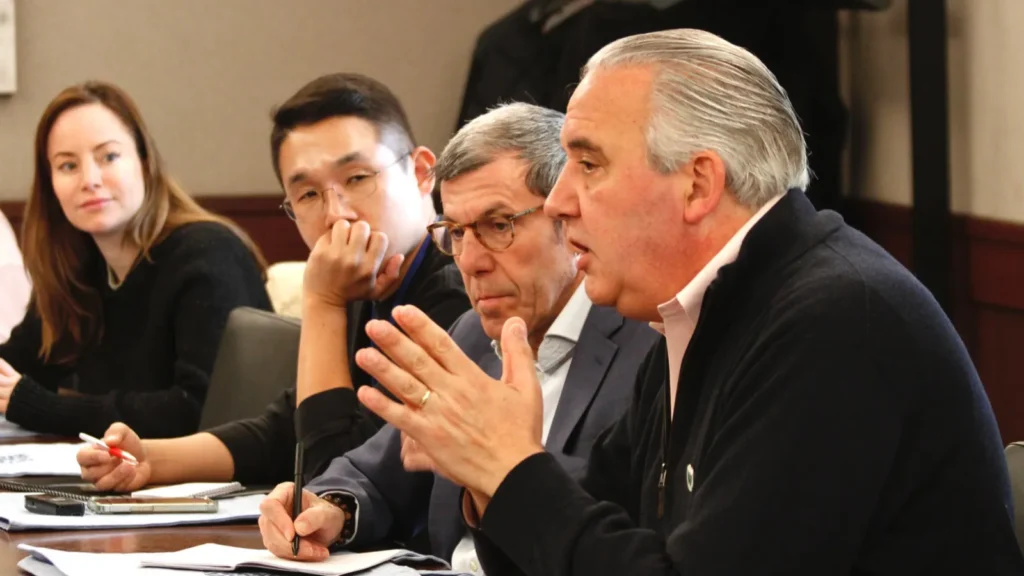
Governance reforms take center stage
The failed proposal has prompted renewed discussion about FIFA’s governance and internal decision-making. Football officials have called for stronger consultation before major commercial initiatives are presented to member associations.
FIFA has said it will review the procedures used during the proposal’s development. The outcome of that review could influence how similar projects are handled in the future.

Commercial plans remain on hold
FIFA has not announced a replacement for the withdrawn commercial proposal. The organization continues overseeing its existing competitions and football development programs while evaluating future business opportunities.
Any new commercial initiative is expected to receive closer scrutiny from member associations. Football leaders have emphasized the importance of transparency throughout that process.

Wenger stands by his position
Wenger reiterated that he was not involved in developing the proposal before it became public. He said withdrawing the plan was the correct decision because the process had not been sufficiently transparent.
Wenger also expressed his support for an independent FIFA that serves the interests of football. His comments reinforced his focus on governance rather than commercial policy.
The internet is also talking about UEFA considering legal action over FIFA’s plan involving Gianni Infantino and Joshua Kushner.
FIFA moves forward after the fallout
FIFA has resumed its focus on competitions and long-term football development projects after withdrawing the proposal. At the same time, the organization continues facing questions about governance and institutional oversight.
The controversy has become an important issue ahead of FIFA’s March 2027 presidential election. Future commercial initiatives are likely to receive greater scrutiny from football stakeholders worldwide.
In other news, Gianni Infantino’s Argentina letter overshadows FIFA investigation. What forced Brighton to scrap its preseason camp in France?
Share your thoughts in the comments. Do you think FIFA handled the situation appropriately? If you found this slideshow informative, please like it.
This slideshow was made with AI assistance and human editing.
Read More From This Brand: