
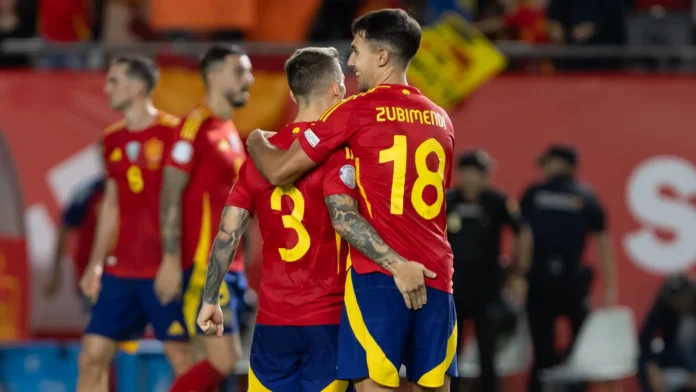
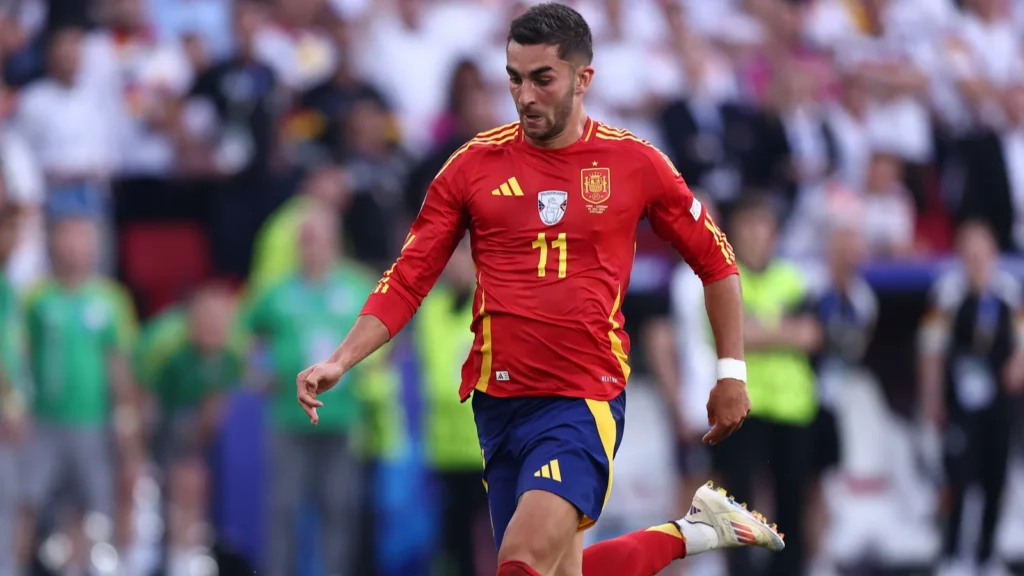
FIFA World Cup final crowns Spain
The 2026 FIFA World Cup final ended on July 19 at New York-New Jersey Stadium in East Rutherford, New Jersey. Spain defeated defending champion Argentina 1-0 after extra time.
Substitute Ferran Torres scored the deciding goal in the 106th minute after the match remained 0-0 through regulation. Spain secured its second men’s World Cup title, following its 2010 championship.
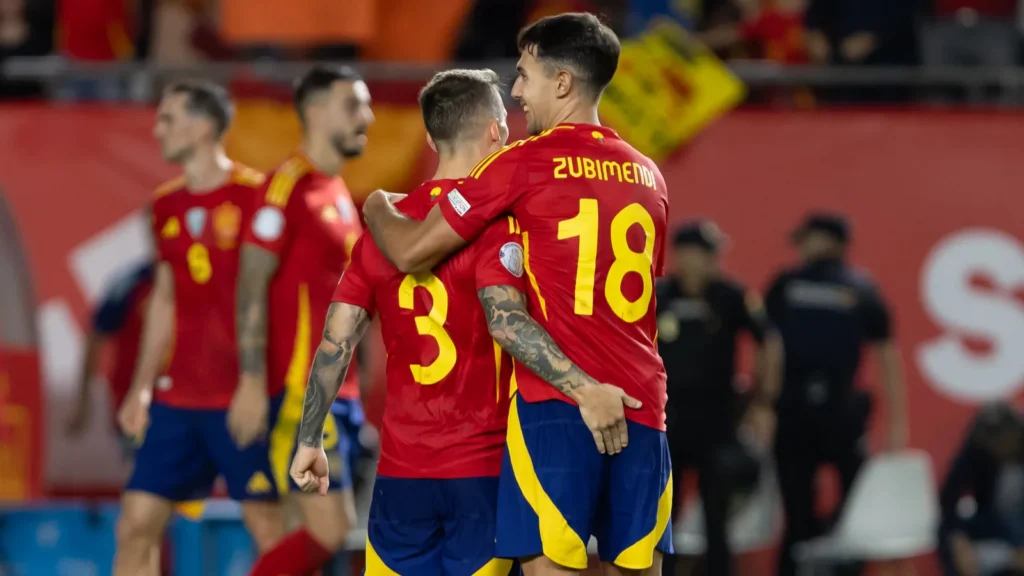
Spain controls the final
Spain controlled the final with 65% possession, 20 attempts, and 12 efforts on target. Argentina did not record a single attempt during regulation and finished without a shot on target.
The match stayed level through 90 minutes before substitutes changed Spain’s attack. Nico Williams created the decisive opening, and Ferran Torres converted it during the second period of extra time.
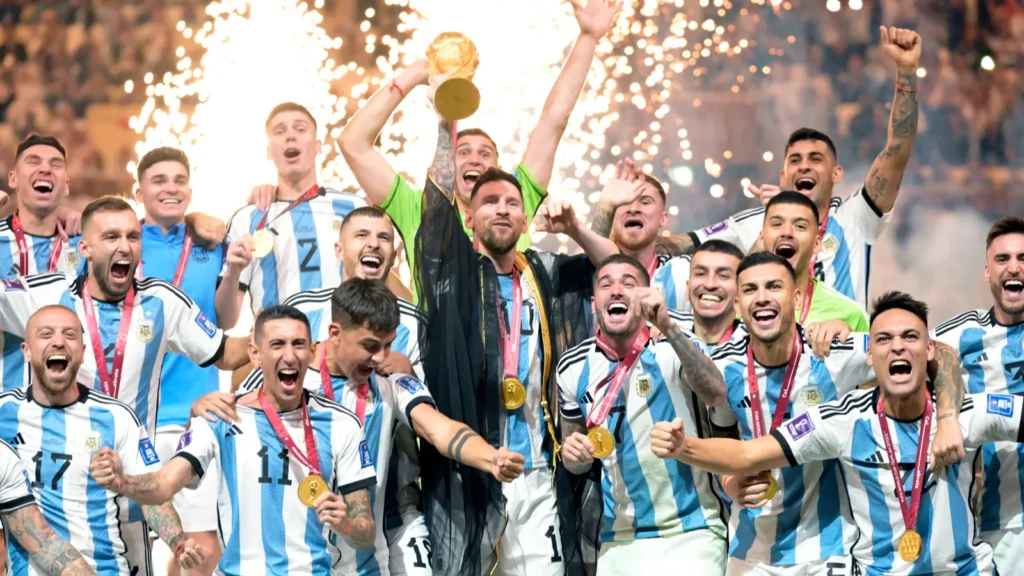
Argentina enters as the defending champion
Argentina reached the 2026 final as the defending champion after winning the 2022 World Cup in Qatar. That match ended 3-3, with Argentina then defeating France 4-2 in the penalty shootout.
The 2022 victory gave Argentina its third men’s World Cup title after championships in 1978 and 1986. Spain ended the country’s attempt to secure consecutive trophies in East Rutherford that night.
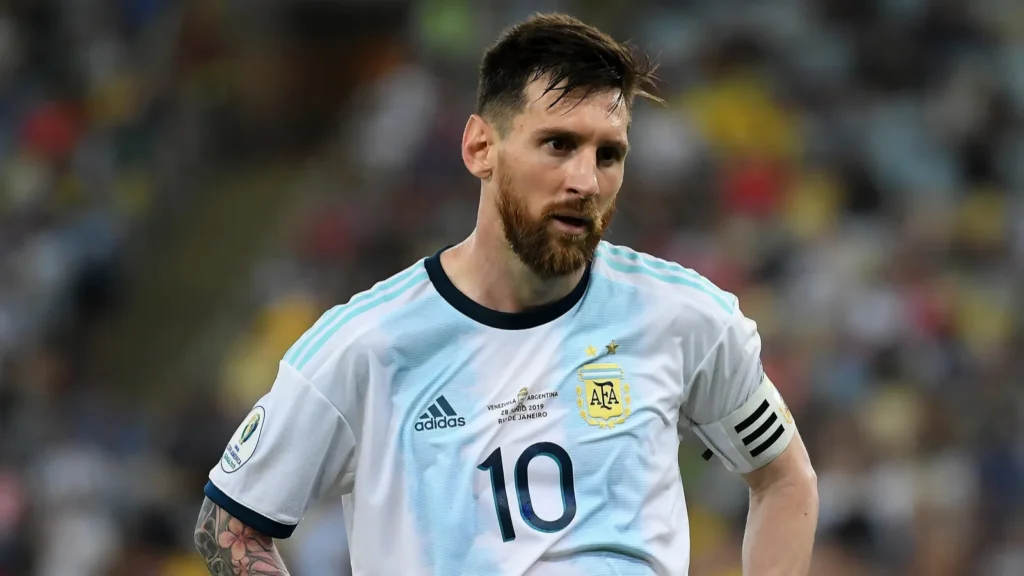
Lionel Messi plays a sixth World Cup
Lionel Messi started the final for Argentina at age 39, four years after lifting the trophy in Qatar. The match marked his sixth World Cup and may have been his final appearance at the tournament.
The championship also featured Spain forward Lamine Yamal, who was 19. Messi and Yamal embraced after Spain’s victory, creating a visible moment of closure between players from different football generations.
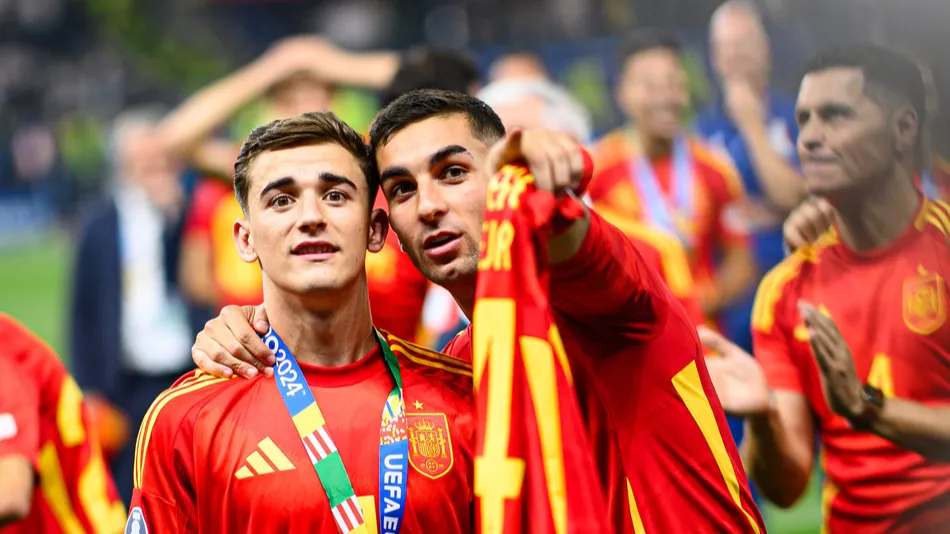
Lamine Yamal wins at age 19
Lamine Yamal reached the final during his first World Cup and started for Spain at age 19. His appearance placed him among the rare teenagers to play in a men’s World Cup championship match.
Yamal did not decide the final, but Spain’s substitutes changed the contest. Nico Williams supplied the decisive pass, and Ferran Torres scored the winning goal in the 106th minute of extra time.
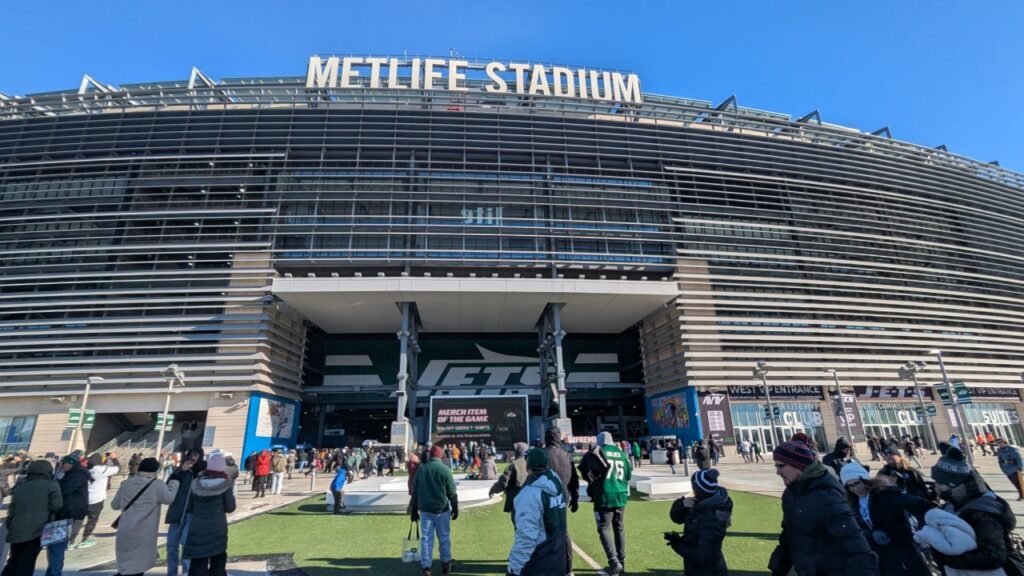
New Jersey hosts the final
The New York-New Jersey Stadium hosted the championship match in East Rutherford on July 19. The venue became the closing site for the first men’s World Cup featuring 48 national teams.
The stadium sits in the New York metropolitan area but outside New York City. FIFA selected the East Rutherford venue when the organization released its complete 2026 tournament schedule for all host cities.
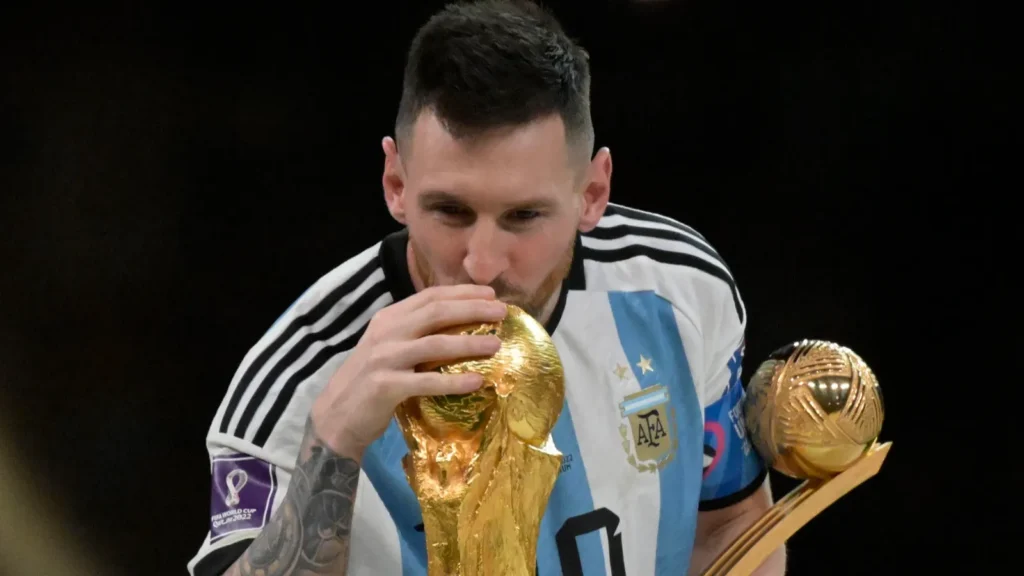
Past finals show the audience scale
The 2022 World Cup final reached close to 1.5 billion viewers worldwide as Argentina defeated France. FIFA’s official audience report identifies that total as the event’s confirmed global reach.
The 2018 final between France and Croatia drew a combined global audience of 1.12 billion. Those figures provide verified benchmarks for assessing the 2026 championship once consolidated viewing data becomes available.

Super Bowl comparison shows the gap
Super Bowl LX averaged 125.6 million viewers across United States television and streaming platforms in February 2026. Nielsen ranked the broadcast second behind the 127.7 million audience for the 2025 game.
The comparison shows scale rather than identical measurement. FIFA reports worldwide reach across several viewing methods, while Nielsen’s Super Bowl figure measures average United States audiences across listed domestic platforms.
Semifinals show the United States interest
Argentina’s 2-1 semifinal victory over England set a United States English-language World Cup semifinal record. The Fox broadcast averaged 15.063 million viewers and peaked at 22.177 million.
Spain’s 2-0 semifinal victory over France had set the previous record one day earlier, averaging 11.462 million viewers. Both broadcasts showed strong American interest before the championship match in New Jersey.
Spain extends unbeaten run
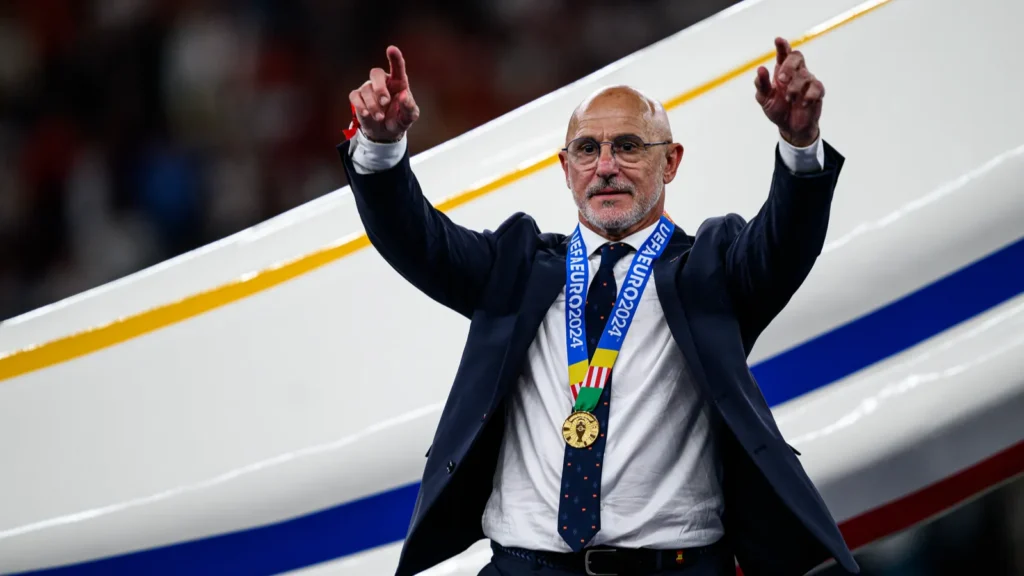
Spain completed the World Cup with a 38-match unbeaten run under Luis de la Fuente. The sequence included the country’s 2024 European Championship title and its 2026 World Cup victory.
De la Fuente became the oldest coach to win the men’s World Cup at age 65. His substitutes shaped the final, with Williams creating the chance that Torres converted in extra time.
Rodri wins the Golden Ball
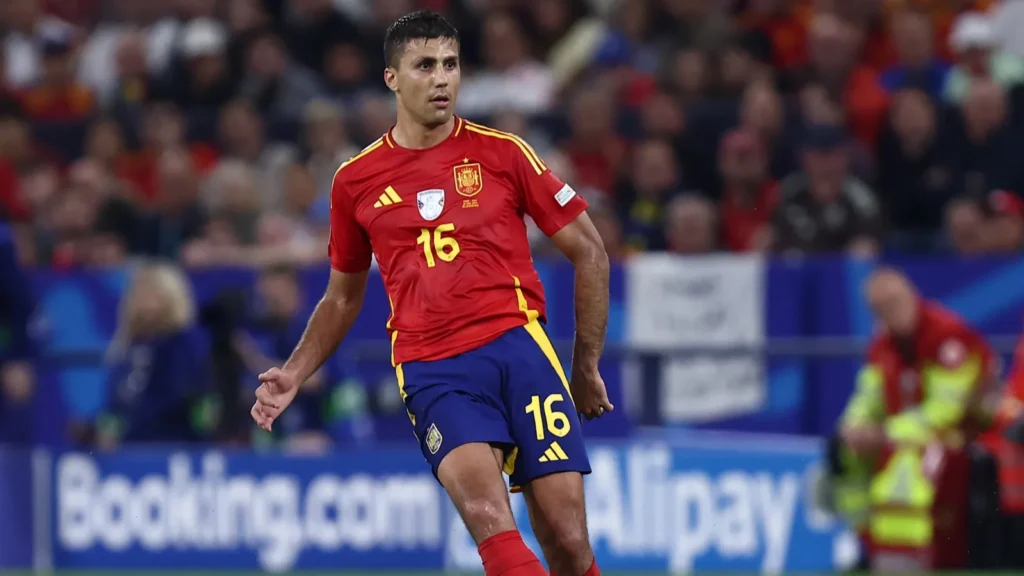
Rodri received the Golden Ball as the 2026 World Cup’s best player after Spain’s championship run. FIFA also reported that the midfielder won 80% of his duels during the final.
France forward Kylian Mbappé earned the Golden Boot with 10 goals. The awards recognized separate achievements, with Rodri named the best player and Mbappé the tournament’s leading scorer.
Spain holds both senior world titles
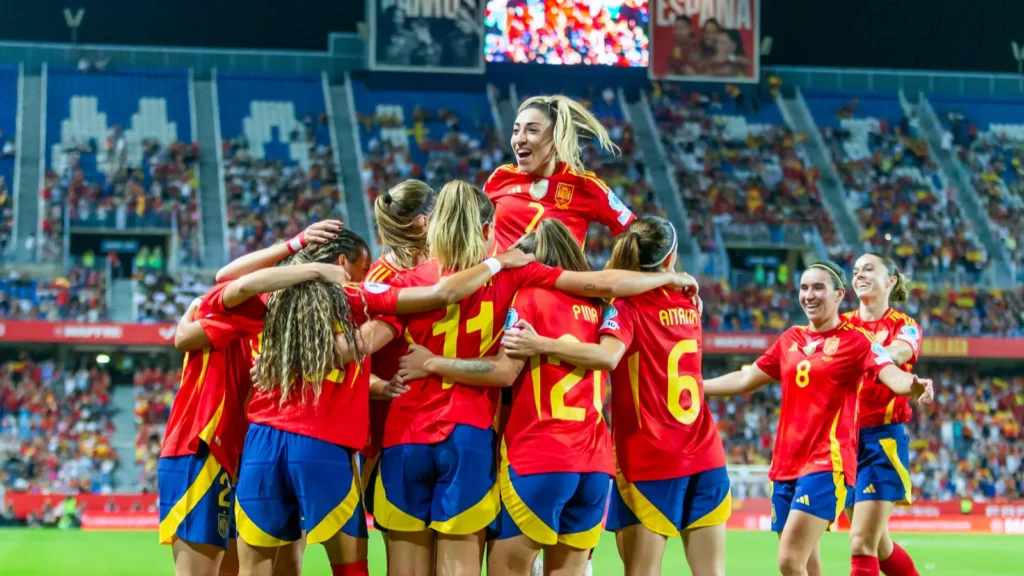
Spain’s 2026 men’s championship followed the country’s 2023 Women’s World Cup victory in Australia and New Zealand. Spain became the first nation to hold both senior FIFA World Cup titles simultaneously.
The two championships placed Spain at the top of men’s and women’s international soccer at the same time. The women secured their first title in 2023, while the men earned their second.
Lionel Messi and Antonela Roccuzzo shared a bond years before fame changed their lives. Dive into how their childhood connection in Rosario grew into one of soccer’s best-known relationships.
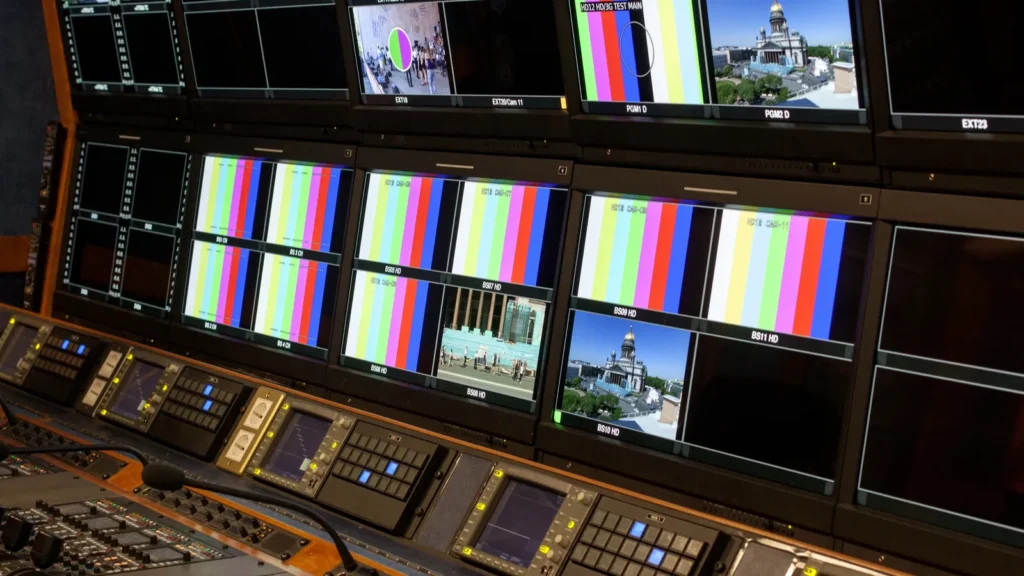
Final viewership remains unreported
FIFA had not released a consolidated global audience figure for the 2026 final by July 21. Early match reports confirmed Spain’s victory but did not provide a complete worldwide viewership audit.
The closest official benchmark remains the 2022 final, which reached nearly 1.5 billion people worldwide. A reliable comparison requires FIFA’s final data across television, digital platforms, and public viewing locations.
The disputed decision left U.S. coach Mauricio Pochettino questioning the referee’s judgment. Dive into why he insisted the World Cup incident never deserved a red card and what the replay revealed.
Spain claimed the 2026 World Cup, but the final’s worldwide audience remains unknown. Could the match surpass the 2022 viewership record? Share your thoughts in the comments below!
This slideshow was made with AI assistance and human editing.
Read More From This Brand: