The NFL has seen some extraordinary defenses that reshaped the game and set standards future teams still chase.
These units weren’t just tough; they were strategic, disciplined, and packed with generational talent. From historic pass-rushing groups to secondary-driven shutdown squads, each left a long-lasting imprint on the league.
Their dominance spanned different eras but shared one thing: absolute control over opponents. Fans still debate which group truly stands above the rest, and each has a strong case.
Let’s break it down.
The Steel Curtain: Setting the standard for defensive toughness
The 1970s Pittsburgh Steelers built a defense so intimidating that offenses struggled to even find rhythm.
Anchored by legends like Mean Joe Greene, Jack Lambert, Jack Ham, and L.C. Greenwood, the Steel Curtain became the blueprint for physical, disciplined football. Their ability to stop the run while generating constant pressure turned them into a nightmare for every opponent.
They powered Pittsburgh to four Super Bowls in six years, controlling the pace in nearly every postseason run. The unit’s communication and chemistry made it exceptionally hard to exploit, and they consistently held elite offenses well under their season averages. Even today, defensive coaches reference the Steelers’ structure as a master class in balance and toughness.
The 2000 Ravens: A brick wall against the run
When people talk about the greatest defenses ever, the 2000 Baltimore Ravens always enter the conversation early.
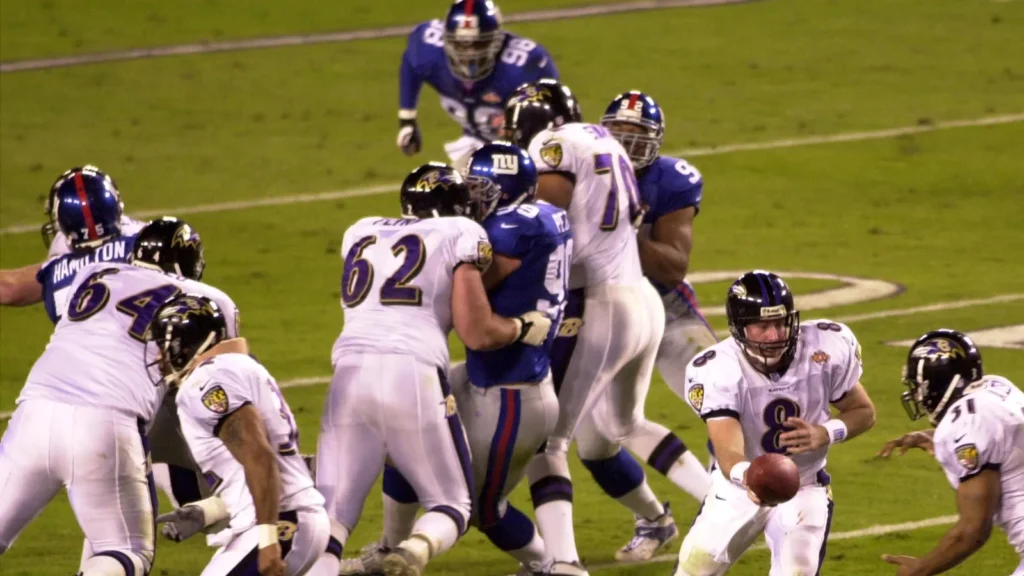
Ray Lewis led a group that allowed just 165 total points all season, the fewest ever in a 16-game schedule. Their run defense was historically stingy, giving up only 2.7 yards per carry and refusing to allow a single 100-yard rusher.
The offense struggled throughout the regular season, but the Ravens’ defense compensated by controlling games physically and mentally. In the postseason, the unit tightened even further, allowing just 23 points in four games. Their combination of speed at linebacker, discipline in the secondary, and depth across the defensive line made them nearly impossible to crack.
The 2002 Buccaneers: A masterpiece of coverage and discipline
The 2002 Tampa Bay Buccaneers didn’t just beat offenses; they dismantled them mentally.
Led by Derrick Brooks, Warren Sapp, Ronde Barber, John Lynch, and Simeon Rice, this defense mastered the Tampa 2 scheme. They allowed the fewest yards and points in the league while also leading the NFL in interceptions.
Their dominance peaked in Super Bowl XXXVII, where they intercepted Rich Gannon five times and scored multiple defensive touchdowns. Tampa Bay’s ability to disguise coverages while closing space with lightning speed caused quarterbacks to hesitate constantly.
The unit’s Big Three: Brooks, Sapp, and Lynch, became Hall of Famers, solidifying the defense as one of the most complete units ever assembled.
The Legion of Boom: Redefining modern pass defense
The early-2010s Seattle Seahawks turned physical secondary play into a defensive identity known around the league.
With Richard Sherman, Earl Thomas, and Kam Chancellor forming one of the greatest back-end trios in NFL history, the Legion of Boom became the standard for aggressive, smart coverage. Their ability to take away deep plays while punishing receivers at the line made opponents rethink their passing plans entirely.
Supported by a strong front featuring Michael Bennett, Cliff Avril, and Bobby Wagner, the Seahawks built a complete defensive structure. They held the Broncos’ record-setting offense to just eight points in Super Bowl XLVIII, showcasing their unmatched communication and closing speed. Their impact influenced defensive schemes league-wide for years to come.
The 1991 Eagles: A forgotten but freakishly talented unit
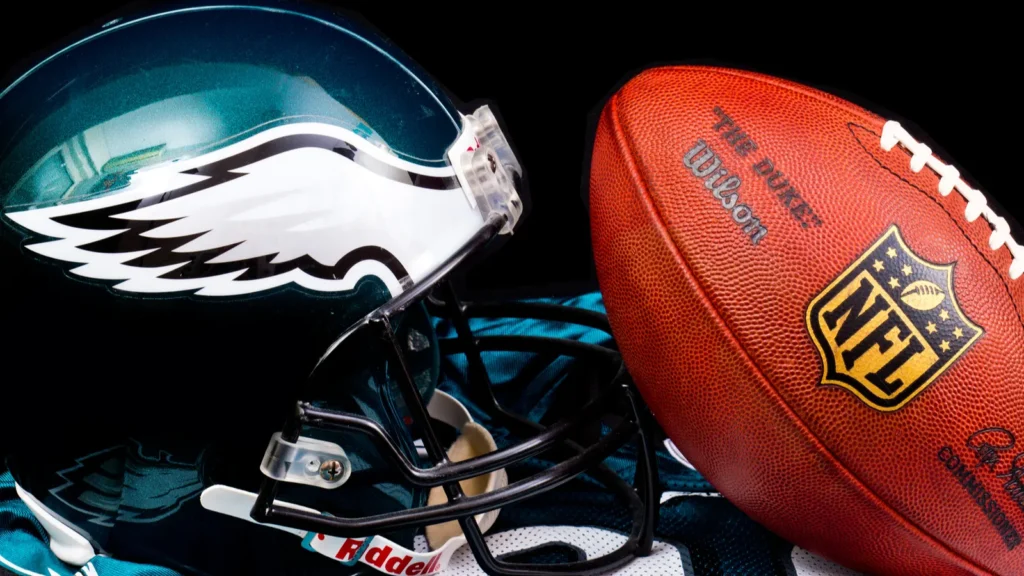
The 1991 Philadelphia Eagles often fly under the radar, but their defensive dominance is undeniable.
Built around Reggie White, Jerome Brown, Clyde Simmons, and Seth Joyner, the Eagles were suffocating up front. They led the league in run defense, pass defense, and total defense, an extremely rare achievement.
Their ferocious pass rush helped them overwhelm quarterbacks and disrupt game plans quickly. While injuries and offensive inconsistency held the team back, the defense remained historically good. Many analysts consider the 1991 Eagles one of the most talented defensive groups ever assembled, even without a deep postseason run.
The Doomsday Defense: A Dallas legacy
The Dallas Cowboys’ Doomsday Defense spanned two eras and played a major role in the franchise’s rise.
Stars like Bob Lilly, Randy White, Harvey Martin, and Cliff Harris built a unit that could attack offenses from every angle. Their combination of size up front and range in the secondary made them one of the most balanced defenses of the 1970s.
Dallas won two Super Bowls with Doomsday as its anchor. The unit thrived on physical tackling and well-timed pressure, frustrating quarterbacks who relied on rhythm throws. Their ability to adjust week after week made them a top-tier defense throughout Tom Landry’s coaching tenure.
The 2015 Broncos: A pass-rush clinic
The 2015 Denver Broncos rode a historic defensive performance all the way to a championship.
Led by Von Miller, DeMarcus Ware, Chris Harris Jr., Aqib Talib, and Malik Jackson, this defense overwhelmed offensive lines and quarterbacks with relentless pressure. They finished the regular season first in total defense while consistently shutting down top quarterbacks.
Their playoff run is one of the strongest ever recorded. Denver held the Steelers, Patriots, and Panthers, three elite offenses at the time, well below their scoring averages. The unit’s speed, versatility, and communication made them incredibly hard to solve, even for experienced quarterbacks.
What defines a truly dominant defense?
The greatest defenses share traits that transcend eras and offensive trends.
They communicate clearly, adjust quickly, and rely on leaders who elevate everyone else. Whether anchored by a legendary secondary or a generational front seven, these units take over games by dictating tempo and eliminating an opponent’s strengths.
Dominant defenses also excel situationally. They win on third down, force turnovers, and control red-zone play. While offensive innovation continues to shape the modern NFL, these units remind fans that defense can still win championships, sometimes almost single-handedly.
TL;DR
- The NFL’s greatest defenses dominated through discipline, talent, and scheme.
- Iconic units include the Steel Curtain, 2000 Ravens, 2002 Bucs, and Legion of Boom.
- Each unit controlled games by stopping the run, pressuring quarterbacks, or locking down the secondary.
- Their influence still shapes modern defensive systems across the league.
Read More:
The Hidden Strategy Behind NFL Scheduling Each Season
How NFL Draft Busts Shape a Franchise’s Future for Decades
Why Special Teams Coaches Are More Important Than Fans Realize in NFL
This article was made with AI assistance and human editing.