The withdrawal raised the alarm
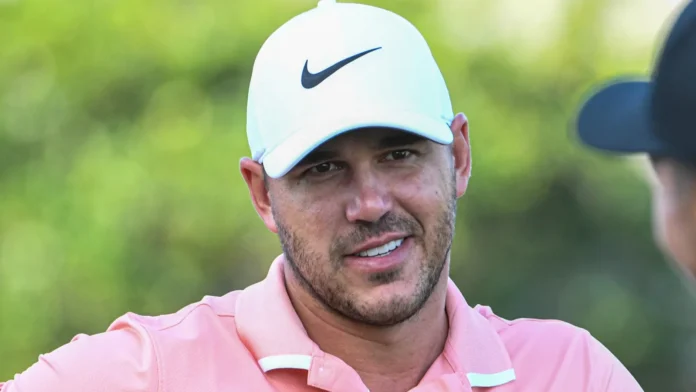
Brooks Koepka’s U.S. Open buildup changed when he withdrew before the RBC Canadian Open’s final round because a hand issue affected his grip during competition in Canada.
The concern grew because the U.S. Open begins June 18 at Shinnecock Hills, where Koepka won one of his biggest titles in 2018 against a tough field.

The issue appeared during warmups
Koepka said the problem came on suddenly during warmups in Canada, when gripping the club became difficult before the third round.
He did not offer a clear diagnosis afterward, which made it harder to judge, with another major championship approaching within days at Shinnecock Hills.
His grip became the concern
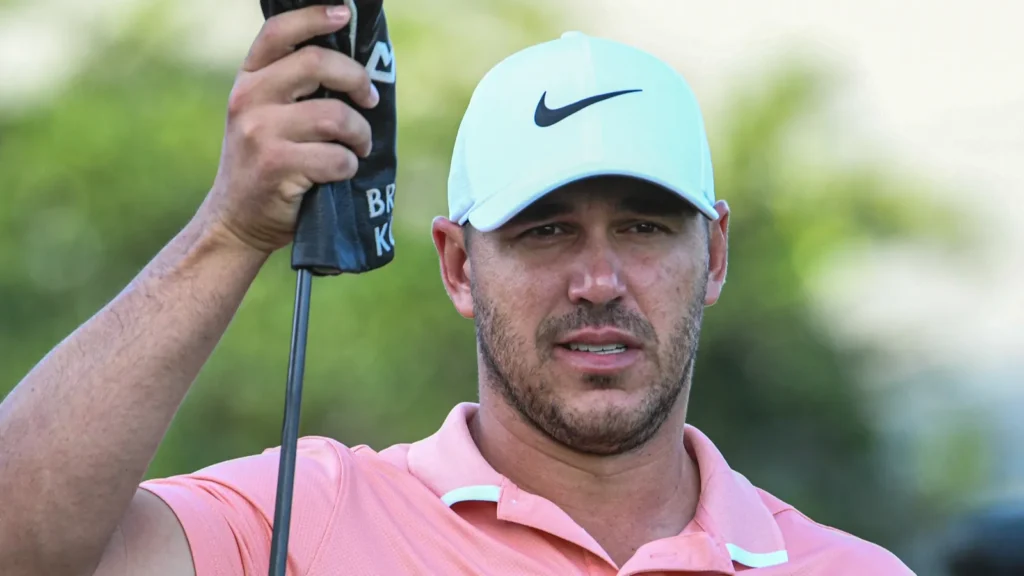
Reports said the issue affected Koepka’s ring and pinky fingers, making his ability to hold the club the clearest immediate concern during play at TPC Toronto.
That detail matters because grip pressure controls contact, direction, and feel, especially when a U.S. Open course punishes small misses under pressure for four demanding rounds.
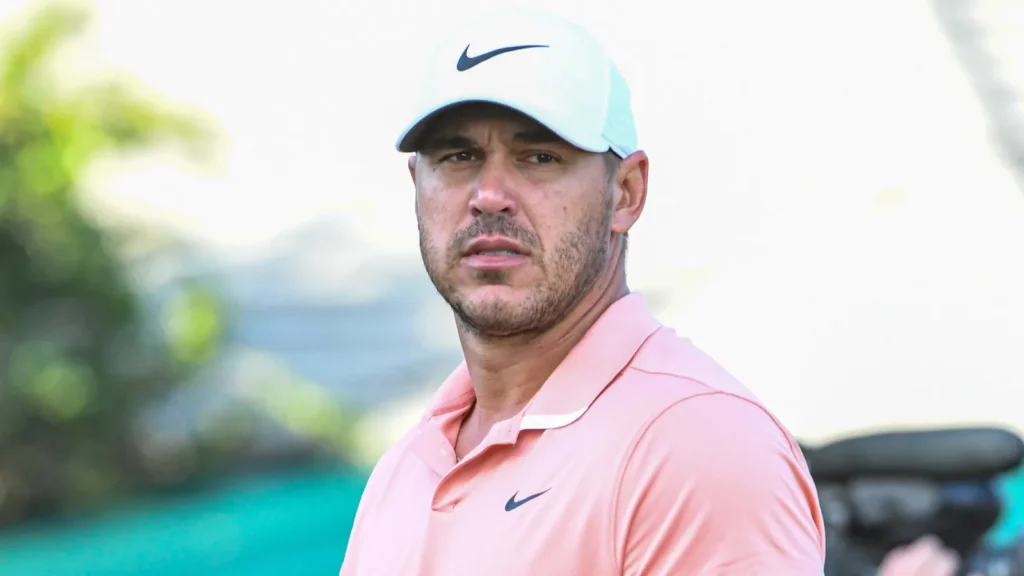
The third round showed strain
Koepka opened the RBC Canadian Open with rounds of 64 and 68, putting himself in a strong position before the injury changed his week in Canada.
His third round ended at 72, but the score was less concerning than the hand discomfort that affected his grip during Saturday’s round.

The decision looked cautious
With the U.S. Open days away, withdrawing before the final round looked like a protective move instead of a simple competitive exit from Canada that week.
That choice did not erase the concern, but it gave Koepka a chance to stop, assess the injury, and avoid extra strain before the major week started in New York.

Shinnecock adds pressure
Shinnecock Hills makes the injury more concerning because it demands control, patience, and precise placement when conditions become firm around the greens in June at major speed.
A hand issue can affect all of that, from tempo and clubface control to confidence during a demanding U.S. Open setup at Shinnecock against elite players.
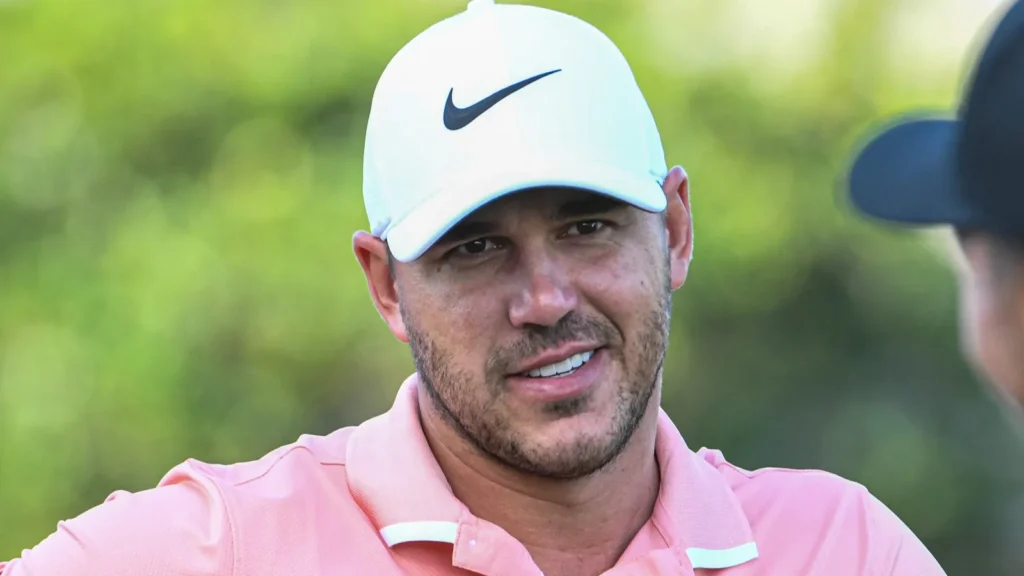
Koepka owns history there
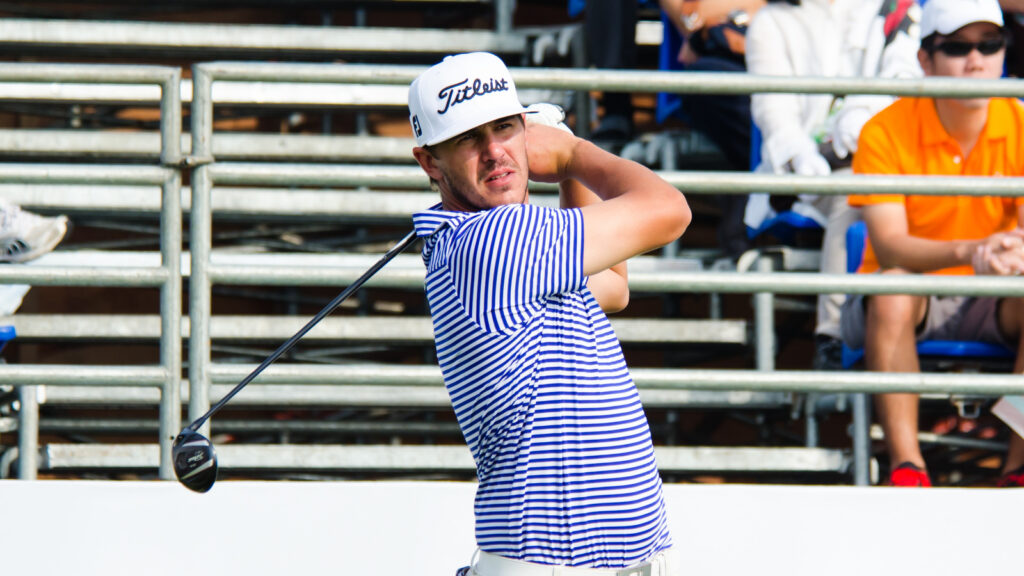
Koepka’s Shinnecock connection gives the story added weight because he won the 2018 U.S. Open there with power, patience, and composure over four rounds.
That history makes his possible return more meaningful, since he would arrive at a course tied directly to a defining career victory from 2018 in New York.
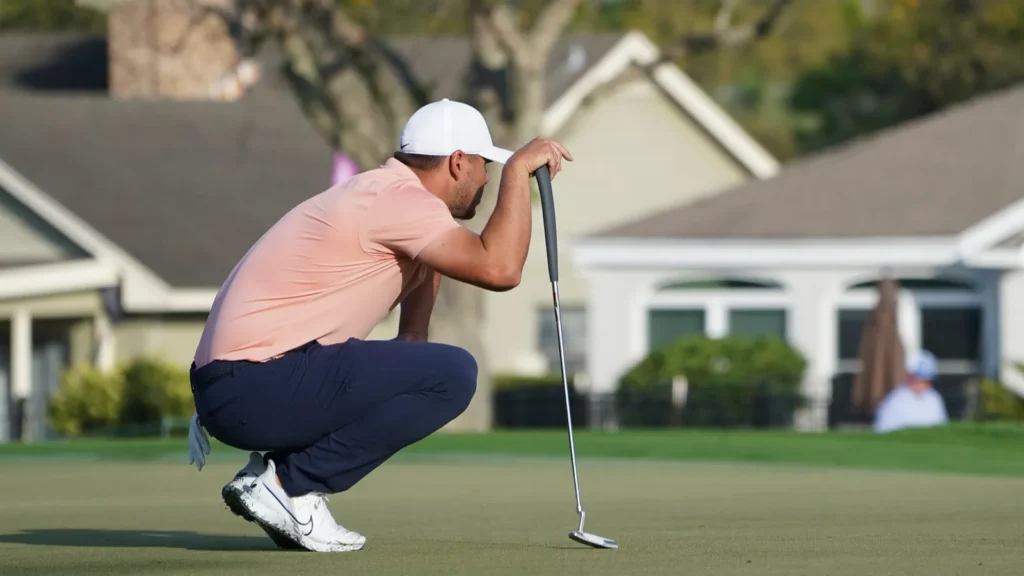
His major record matters
Koepka draws attention before major championships because his best golf has often come on the hardest stages, against elite fields and difficult setups, under pressure.
He owns five major titles, so any injury update around him can shape expectations more than a routine withdrawal before Shinnecock week begins for fans watching closely.

Recent form had improved
The Canadian Open mattered because Koepka had been showing stronger form, including multiple top-20 finishes in recent events.
That made the timing frustrating because a useful tuneup became a health question just as Shinnecock offered another major test for Koepka days later in June.
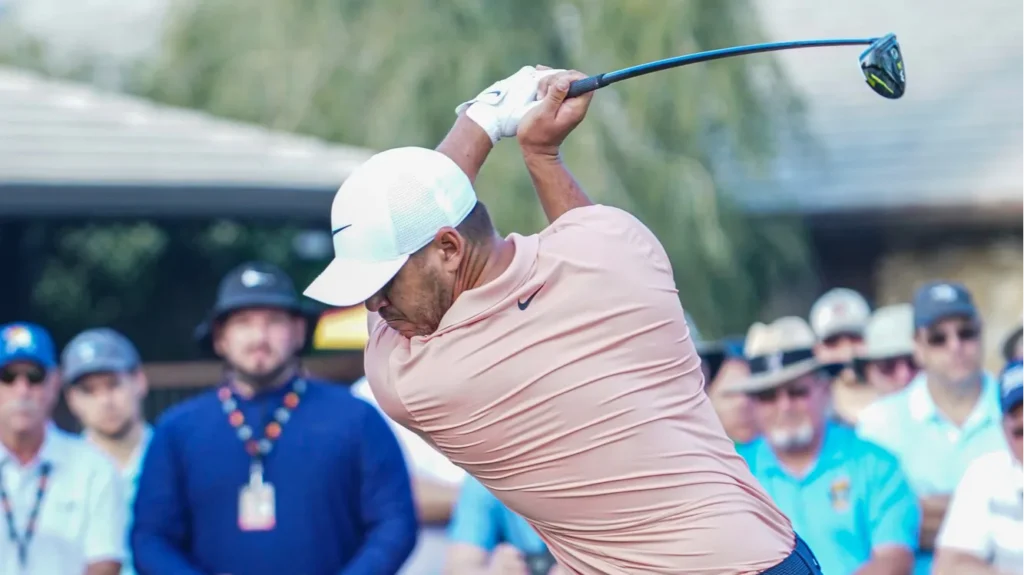
The field remains unclear
Koepka withdrew from the RBC Canadian Open, not the U.S. Open, so his Shinnecock status remained uncertain after the injury report surfaced publicly on Sunday.
That distinction matters because concern is fair, but saying he changed the U.S. Open field would go beyond the confirmed facts before Shinnecock week begins.

The injury affects more than power
Fans often focus on Koepka’s strength, but a hand injury can disturb more than distance off the tee or approach speed at Shinnecock Hills under pressure.
Short game feel, putting touch, and recovery shots all depend on comfort, especially around firm Shinnecock greens, where mistakes can grow quickly under U.S. Open pressure.
Despite Scottie Scheffler continuing his historic dominance with a win at the RBC Heritage, the world number one now faces unprecedented personal and professional stakes. Dive into the underlying factors creating this intense pressure as he navigates the 2026 season.

The next update matters
The next key sign is whether Koepka can practice normally before the opening round, because tournament week often reveals more than players’ public comments.
If he grips and swings freely, concern may ease. If discomfort remains, every shot at Shinnecock becomes part of a larger health watch for fans.
Koepka’s injury concern shows how quickly a major week can change, but Tiger Woods had an even stranger career twist. Explore how Woods’ Navy SEALs obsession reshaped his golf story.
Does Koepka’s hand issue make you doubt his U.S. Open chances at Shinnecock, or can his major experience still carry him? Share your thoughts in the comments below!
This slideshow was made with AI assistance and human editing.
Read More From This Brand: