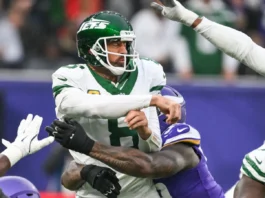

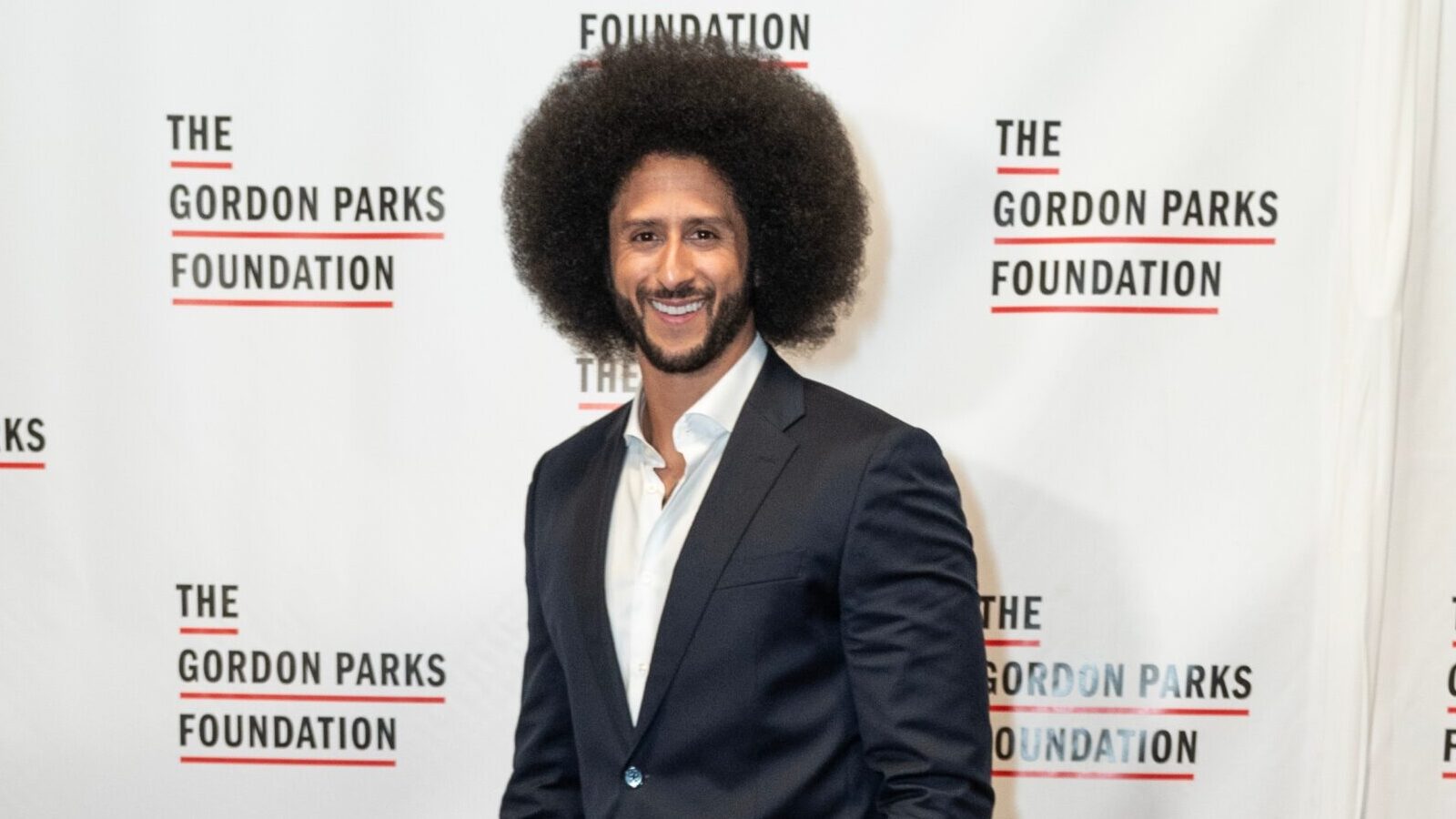
Colin Kaepernick became a household name in 2016 when he protested during the national anthem before NFL games to call attention to racial injustice and police brutality. His decision to sit, then kneel, became one of the most debated moments in modern sports.
Years after his last NFL season, Kaepernick said a proposed White House meeting with President Donald Trump was relayed to him during Trump’s first term. He said he rejected the opportunity immediately.
The revelation, shared during a recent MeidasTouch interview, added new detail to the backchannel politics surrounding Kaepernick’s protest, Trump’s public criticism, and the effort to turn a national controversy into a high-profile meeting.
Kaepernick’s protest drew fire
Kaepernick’s anthem protest drew national attention on August 26, 2016, before a preseason game against Green Bay. ESPN reported that he had sat during the anthem in each of the 49ers’ first 3 preseason games that year.
He said he would not stand for a flag representing a country that oppressed Black people and people of color. Kaepernick later shifted from sitting to kneeling, a change connected to conversations involving teammate Eric Reid and former Green Beret Nate Boyer.
Kaepernick kneeled before a preseason game against San Diego, and other players later joined similar demonstrations. He opted out of his 49ers contract in March 2017 and has not played in an NFL regular-season game since the 2016 season.
Trump turned up the heat early
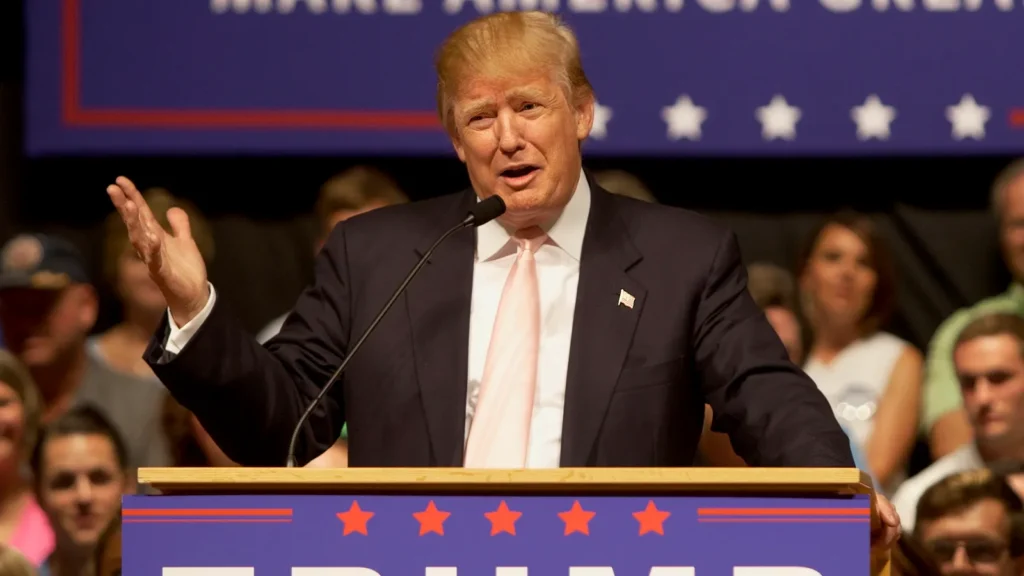
Donald Trump repeatedly attacked Kaepernick early and often, telling a Seattle-area radio station that the protest was a terrible example to set. He suggested that Kaepernick should find a country that treated him better than America does.
As a presidential candidate and later as sitting president, Trump kept up relentless pressure, arguing that kneeling players disrespected the military and the American flag. His comments pulled the entire controversy much deeper into national politics.
The Obama White House responded rather carefully to the unfolding situation at the time. Spokesman Josh Earnest said officials did not share Kaepernick’s personal views but firmly defended his constitutional right to express them freely.

A White House meeting was floated
During Trump’s first term, pastor Darrell Scott said he planned to speak with the White House about meetings involving Colin Kaepernick, Kanye West, athletes, entertainers, and musicians to discuss race. Scott said Trump was enthusiastic about the idea.
The proposal was publicly described as an effort to bring together people with different views and discuss racial issues. Reports at the time said the possible meetings were expected to take place at the White House.
The proposed race-focused meeting involving Kaepernick did not publicly materialize. Years later, Kaepernick said that outreach connected to a Trump White House meeting was real, but he immediately rejected the opportunity.
Van Jones stepped in as a broker
Kaepernick recently told the MeidasTouch podcast that outreach for an opportunity to meet Trump was relayed to him through Van Jones during Trump’s first term. Jones previously worked in the Obama White House as a special adviser for green jobs.
Kaepernick said the outreach came through Jones, though he described having limited personal knowledge of the finer details involved. What mattered most to him was how quickly he decided to reject the opportunity.
As soon as it came up, Kaepernick said the offer was rejected immediately. He framed the decision as instinctive and rooted in deep distrust of Trump’s motives.
Kaepernick called the offer a facade
Kaepernick explained that his rejection stemmed from a belief that powerful figures often try to co-opt activists and public figures working for change. He viewed the invitation as part of that pattern.
He argued the proposed meeting would have helped Trump “garner support” and create a “facade” that he was working for Black people. Kaepernick said history showed otherwise, citing Trump’s past public actions and rhetoric.
The timing also mattered. Kaepernick said the outreach came after Trump had publicly targeted him and his employment, which made the proposed meeting feel performative rather than genuine.

His career ended amid collusion claims
Kaepernick last played in the NFL during the 2016 season and opted out of his 49ers contract in March 2017. He later filed a grievance accusing NFL owners of colluding to keep him unsigned because of his anthem protest.
Eric Reid, his former 49ers teammate and fellow protester, also filed a collusion grievance after going unsigned during free agency. The NFL, Kaepernick, and Reid reached a confidential settlement in February 2019.
Little-known fact: At the time of Kaepernick’s 2016 protest, the NFL said players were encouraged, but not required, to stand during the national anthem. The league later changed its anthem policy in 2018.
Nike turned backlash into a boom
In September 2018, Nike featured Kaepernick in its 30th-anniversary “Just Do It” campaign, sparking boycotts and viral videos of some customers burning Nike sneakers and apparel online.
Edison Trends data reported by retail outlets found that Nike’s online sales rose 31% from September 2 to September 4, 2018, compared with 17% growth during the same period in 2017.
Reuters also reported that Nike sold out 61% more merchandise in the 10 days after the Kaepernick campaign appeared, according to Thomson Reuters Proprietary Research. The figures suggested the backlash did not prevent a short-term sales lift.
What this story says about power
This latest revelation adds another chapter to a long, complicated story. It shows how politics and sports can collide in surprising ways. Kaepernick continues to shape public conversation years after his protest began in 2016.
Kaepernick also once led the San Francisco 49ers to the Super Bowl. He started at quarterback in Super Bowl XLVII on February 3, 2013, when the 49ers lost to the Baltimore Ravens.
His decision to protest helped reshape how athletes use their public platforms. Many players across different sports now speak openly about social issues, and Kaepernick remains closely associated with that shift in modern American sports culture.
TL;DR
- Colin Kaepernick said he rejected outreach for a proposed White House meeting with Donald Trump during Trump’s first term.
- The outreach was reportedly relayed through CNN commentator Van Jones, a former Obama adviser.
- Kaepernick said he rejected the opportunity “immediately” and viewed it as an attempt to create a facade of support.
- Reports in 2018 described a proposed Trump-Kaepernick-Kanye West race-focused meeting that never materialized publicly.
If you liked this story, don’t forget to follow us for more exclusive content.
This article was made with AI assistance and human editing.
If you liked this, you might also like: