

Kaepernick revisits his NFL exit and protest politics
A decade after his decision to kneel during the national anthem, Colin Kaepernick is revisiting the protest that reshaped his career and sparked a national debate. In recent interviews tied to his memoir, he has discussed his NFL exit and the role he believes politics and power played in it.
Kaepernick has also explained why he still stands by his decision despite the professional consequences. From his first protest in 2016 to his latest comments, his story continues to fuel debate about sports, politics and social justice.

His protest began during the 2016 season
Kaepernick first sat during the national anthem during the 2016 preseason before later kneeling. He said the protest was intended to draw attention to racial inequality, police brutality and social injustice.
His actions quickly became a national sports story and were followed by other NFL players. Kaepernick said he was prepared for backlash but described the movement’s broader impact as something that grew beyond his initial personal decision.
Kaepernick left the 49ers after 2016
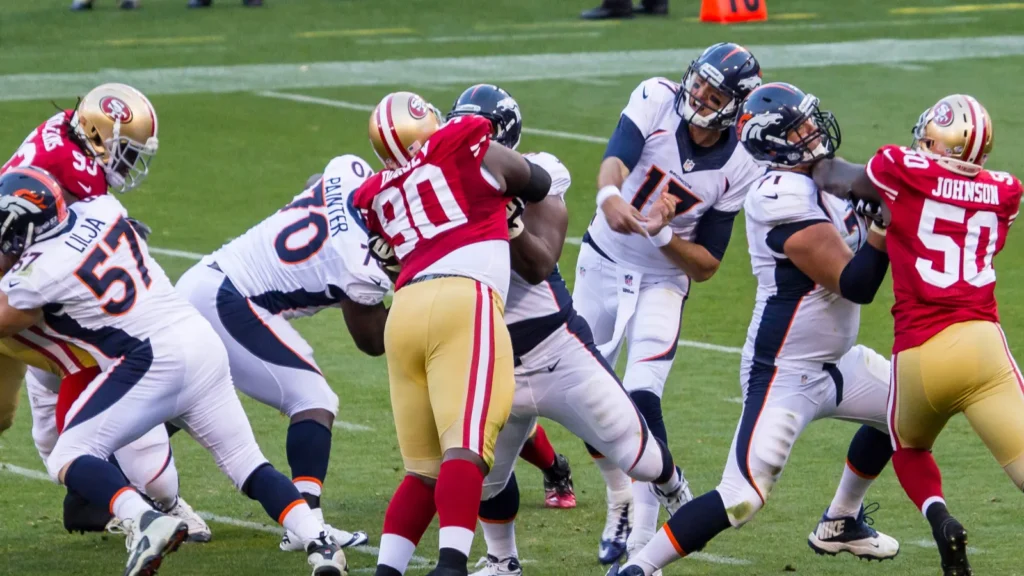
Kaepernick opted out of his San Francisco 49ers contract in March 2017 and became a free agent. He did not sign with another NFL team after the 2016 season and has not played in the league since.
During 6 NFL seasons, he helped San Francisco reach Super Bowl XLVII after the 2012 season. He remained a free agent after leaving the 49ers and has not played in the NFL since.

He later alleged collusion by NFL teams
In October 2017, Kaepernick filed a grievance alleging that the NFL and team owners had colluded to deny him employment. The filing alleged that the action was retaliation for his advocacy for equality and social justice.
The NFL and attorneys for Kaepernick and Eric Reid announced a confidential settlement in February 2019 that resolved both players’ grievances. The agreement did not disclose financial terms or include a public finding that the NFL or its teams had colluded against Kaepernick.
The NFL denied the collusion allegation
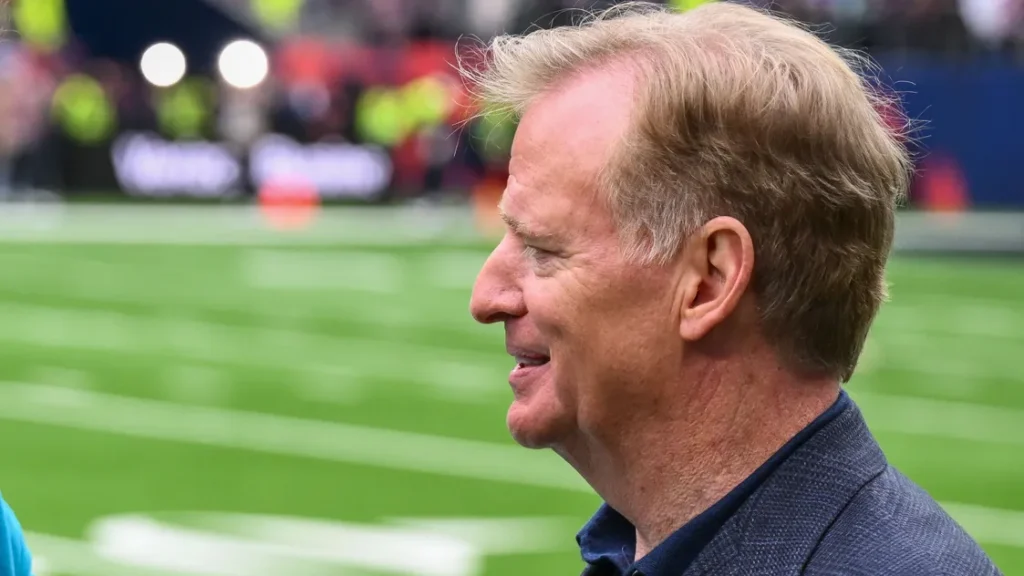
NFL Commissioner Roger Goodell said roster decisions belonged to individual clubs and that the league office did not make those decisions. The NFL and its clubs denied Kaepernick’s collusion allegations.
Because the 2019 settlement was confidential, its specific terms, including financial details, were not publicly disclosed. The settlement did not produce a public ruling determining whether the alleged collusion occurred.

Kaepernick says coaches and GMs told him teams wanted him
In his September 2026 NPR interview, Kaepernick said coaches and general managers had told him teams wanted him. He argued that the issue was not simply whether teams viewed him as a football player.
He said NFL owners and Commissioner Roger Goodell had significant power and described the situation as a question of power within the league. Kaepernick said he believed making an example of him could send a message to other players to stay in line.
Interesting fact: He was selected in the second round of the 2011 NFL Draft, after playing college football at Nevada.
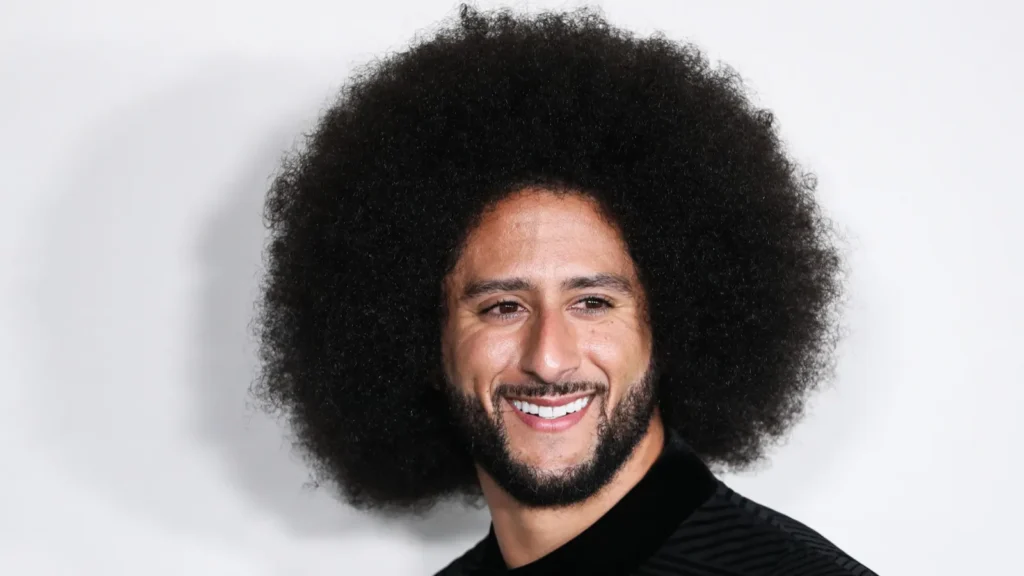
He connected the issue to NFL owners’ politics
During The View interview, Kaepernick said he believed the decision not to sign him was political and involved power. He pointed to political activity by NFL owners and said the league’s response to his protest provided context.
Kaepernick said NFL owners had donated millions of dollars to Donald Trump and his administration. Those remarks were his assessment of the situation, while the NFL has maintained that individual clubs make their own personnel decisions.
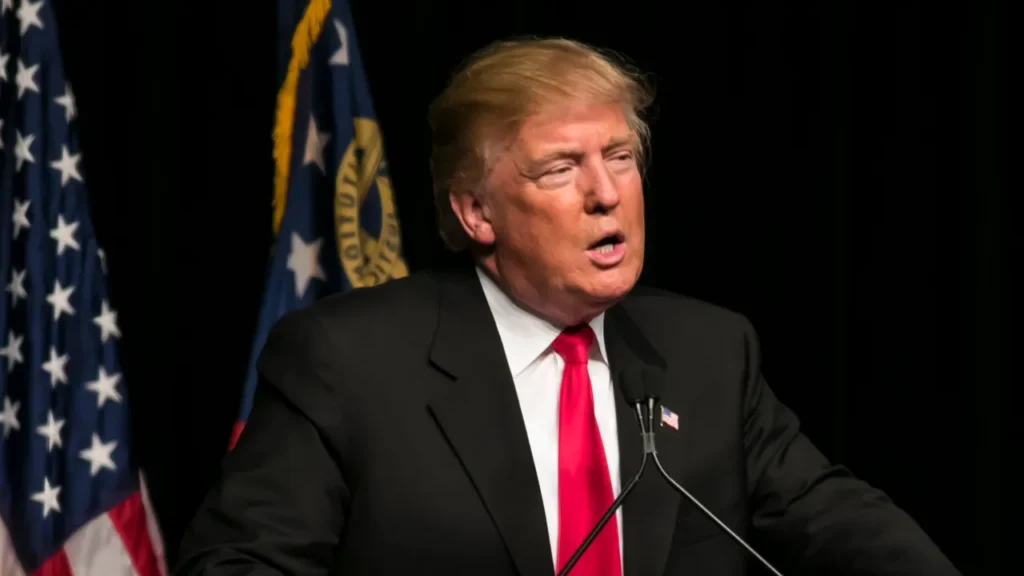
Donald Trump made anthem protests a political issue
Donald Trump repeatedly criticized NFL players who protested during the national anthem, including Kaepernick, during his 2017 presidency. At a September 2017 rally in Alabama, Trump urged NFL owners to fire players who protested during the anthem.
His comments intensified the national political debate over anthem protests. NFL players, team officials and several owners responded publicly, with some owners standing alongside players during demonstrations after Trump’s remarks.


Some NFL owners publicly joined players
In September 2017, several NFL owners appeared with players during demonstrations responding to Trump’s criticism. Owners including Shahid Khan, Jeffrey Lurie and Daniel Snyder were reported standing with their teams during or around the national anthem.
Other owners issued statements supporting players and criticizing or distancing themselves from Trump’s comments. The varied responses showed that NFL ownership did not respond uniformly to the controversy, even as Kaepernick later argued that politics influenced his treatment.
The league later changed its public response
NFL Commissioner Roger Goodell said in 2020 that he wished the league had listened earlier to Kaepernick’s message. He also said the NFL would support players who chose to kneel peacefully.
That position came after years of controversy surrounding the protests. In 2020, the NFL announced a $250 million commitment over 10 years to combat systemic racism and support social justice initiatives.
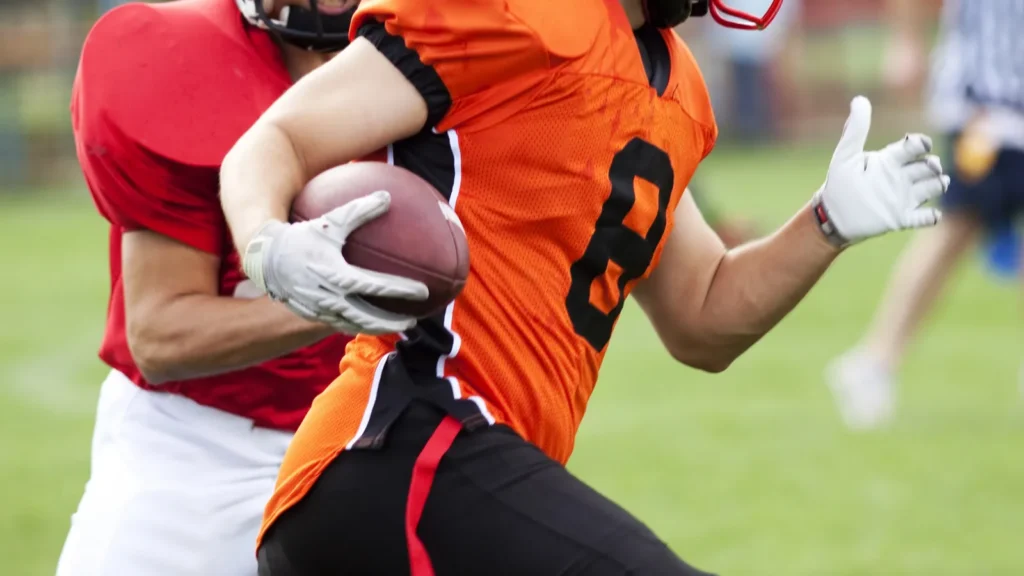
Kaepernick still trains for a return
Kaepernick said in his September 2026 NPR interview that he continues to train and prepare in case an opportunity to play returns. He has remained out of the NFL since the 2016 season.
At 38, a return would come about a decade after his last NFL season. Kaepernick’s recent comments show that he still views playing football as a possibility while continuing his activism and publishing work.

His memoir revisits the protest and its aftermath
Kaepernick’s memoir, The Perilous Fight, was released September 15, 2026, roughly 10 years after his first national anthem protest. The book examines his childhood, activism, football career and decision to kneel.
The release has renewed attention on his NFL career and the dispute over why he was not signed. Recent interviews have given Kaepernick opportunities to explain his view of the league’s response.
The internet is also talking about Sydney Sweeney’s Novig ad sparking backlash from women in sports.

A decade later, Kaepernick stands by the decision
Kaepernick told NPR that he believes taking the knee was worth it, despite the professional consequences. He continues his work through initiatives focused on education and social justice.
He has also said he does not watch the NFL because he believes the league is still blackballing him and has targeted other protesting players. The NFL has not publicly confirmed that political retaliation caused him to remain out of the league.
In other news, Deion Sanders demands improvement from Colorado after narrow Georgia Tech win.
What do you think about Colin Kaepernick’s decision to kneel and his claims about the NFL? Like this slideshow and comment with your thoughts.
This slideshow was made with AI assistance and human editing.
Read More From This Brand: