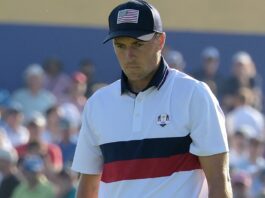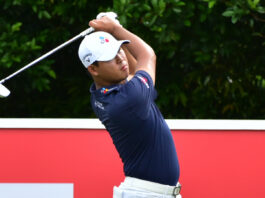


The PGA Tour’s high-stakes return to the iconic Blue Monster at Trump National Doral was intended to be a centerpiece of the 2026 season, but the Cadillac Championship has instead left officials facing a crisis of engagement.
Despite a field packed with the world’s top-ranked golfers and a massive $20 million purse, the event struggled to generate the “buzz” typically associated with the Tour’s premier Signature Events. Analysts and fans alike noted a startling lack of atmosphere, with empty fairways and a quiet gallery defining what should have been a raucous weekend in Miami.
From external sporting competition to local logistical hurdles, several factors combined to create a flat environment that has raised red flags for the Tour’s big-market strategy.
Why did the Cadillac Championship feel “juiceless” to analysts?
Prominent golf analysts have described the tournament as completely lacking in energy, citing a “juiceless” atmosphere that failed to match the prestige of a Signature Event.
Speaking on the Golf Channel Podcast with Rex and Lav, Ryan Lavner noted that despite the high expectations heading into the week, the actual experience on the ground was underwhelming. Lavner pointed out that there were noticeably few fans in attendance, creating a “zero buzz” environment that felt out of place for a tournament of this magnitude.

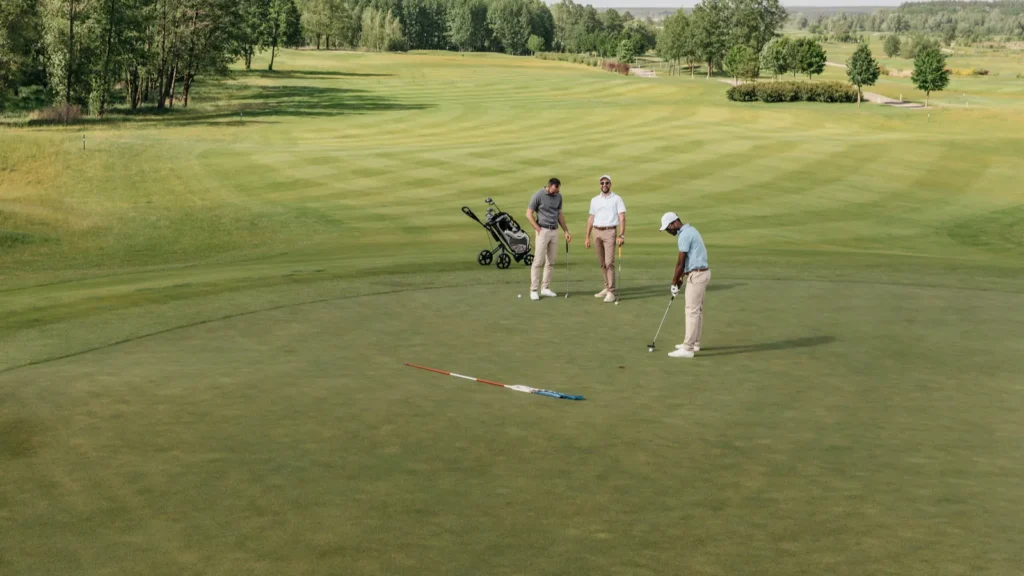
This lack of enthusiasm was particularly jarring given the historic nature of the venue. While the Blue Monster is a legendary course, the physical presence of the crowd did not reflect the $20 million investment made by the Tour and its sponsors. Experts suggest that the event felt more like a clinical exhibition than a heated competition, a sentiment echoed across social media by viewers who expected more fireworks from a top-tier field.
The absence of a traditional “tournament feel” has led to a deeper investigation into why Miami fans stayed away. Whether it was the timing of the event or the specific hurdles of the weekend, the consensus among veteran reporters is that the Cadillac Championship failed to capture the imagination of the local sports community.
Fun fact: The 18th hole at Trump National Doral is widely considered one of the hardest finishing holes on the PGA Tour, but it yielded 12 birdies on Sunday alone due to rain-softened conditions.
What external factors contributed to the low attendance?
A major challenge for the PGA Tour in Miami was the direct competition with the Formula 1 Grand Prix, which dominated the South Florida sports scene during the same week.
As Ryan Lavner observed, the “big market strategy” often backfires when a tournament is forced to compete with other massive global sporting spectacles. In a city like Miami, where there is always “more to do,” the PGA Tour found itself fighting for eyeballs and foot traffic against the high-octane draw of F1.
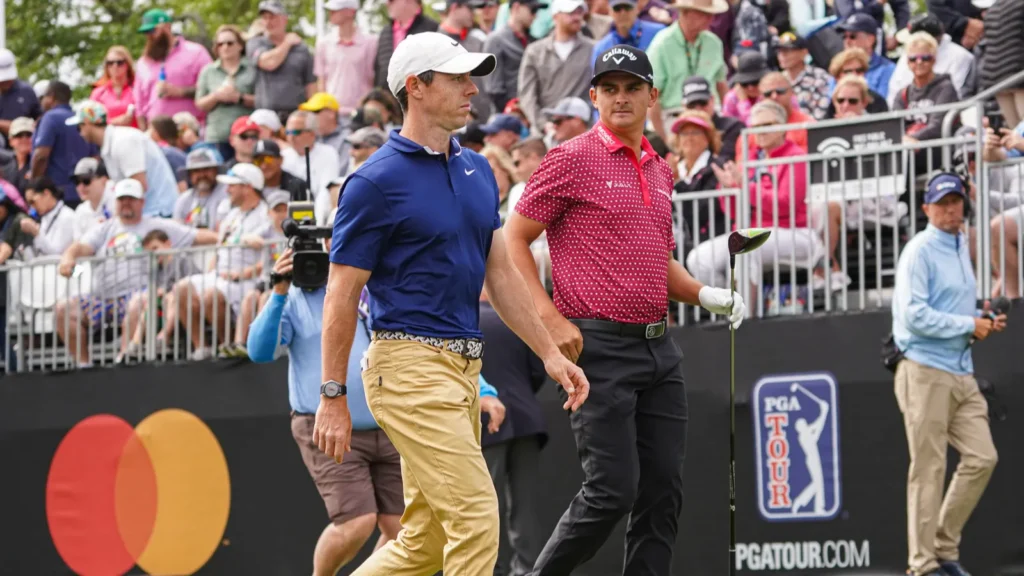
Beyond the competition for attention, logistical and environmental issues plagued the weekend. Temperatures soared into the 90s on Saturday, likely deterring casual fans from spending hours on the course, while heavy weather delays on Sunday morning further disrupted the flow of the final round. These conditions created a fractured experience for those who did choose to attend.
Furthermore, the “Trump factor” added a unique layer of complexity to the event’s logistics. The presence of the President necessitated a heavy security detail on Sunday, which may have impacted the ease of movement for spectators. Some reports and fan comments pointed to ticket prices, including single-day prices around $88, though official visitor listings showed tickets starting at $48.
Fun fact: The 2026 Cadillac Championship marked the first time in a decade that a PGA Tour event was hosted at the Trump National Doral property.
Is Signature Event fatigue becoming a reality?
There is growing concern that the 2026 schedule, which featured three Signature Events in a four-week span, may be exhausting both players and the viewing public.
This rapid succession of high-intensity tournaments can lead to a sense of “event fatigue,” where even the most prestigious stops begin to feel routine. When every tournament is a “must-see” with a massive purse, the individual identity of each stop can begin to blur.
The no-cut format of these events also continues to be a point of debate regarding fan engagement. Without the drama of players fighting to stay in the tournament on Friday, the early rounds can lack the “jeopardy” that traditionally builds tension heading into the weekend. At Doral, this lack of urgency was compounded by Cameron Young’s dominant performance, which saw him pull away from the field early and never look back.

The PGA Tour now faces the difficult task of re-evaluating how it positions these elite events within big markets. While the goal is to go “where the eyeballs are,” the experience at Doral suggests that being in a major city isn’t enough if the event is overshadowed by local happenings or hampered by high costs and logistical friction. The Tour will need to find a way to make these events feel essential again to avoid another “juiceless” showing in the future.
Fun fact: In 2006, the PGA Tour event at Doral set a record-breaking attendance mark of 145,000 fans, highlighting the stark contrast to the sparse crowds seen in 2026.
TL;DR
- Analysts described the Cadillac Championship as “juiceless,” noting a significant lack of fans and energy at the Blue Monster.
- The event struggled to compete for attention with the Formula 1 Grand Prix taking place in South Florida during the same week.
- High ticket prices, extreme heat, and heavy security on Sunday created barriers for fan attendance.
- Concerns are rising that the frequency of Signature Events is diluting their impact and exhausting the audience’s interest.
If you liked this story, don’t forget to follow us for more exclusive content.
This article was made with AI assistance and human editing.
If you liked this, you might also like: