





The Los Angeles Dodgers are no strangers to being the center of Major League Baseball’s most heated debates, but the latest spark comes from an unexpected verbal jab from Chicago Cubs manager Craig Counsell.
After Counsell publicly labeled the “Ohtani Rule” as a bizarre advantage that gives the Dodgers special treatment, Dave Roberts was quick to offer a pointed defense of his team’s roster construction. The disagreement centers on a specific roster exemption that allows Los Angeles to carry an extra pitcher because of Shohei Ohtani’s unique status as a two-way superstar.
While the Cubs are currently grappling with a wave of injuries to their pitching staff, the Dodgers are reaping the rewards of having the only player in the world who fits the criteria for this specific loophole.
Let’s take a closer look.
Why did Craig Counsell call the Dodgers’ roster “bizarre”?
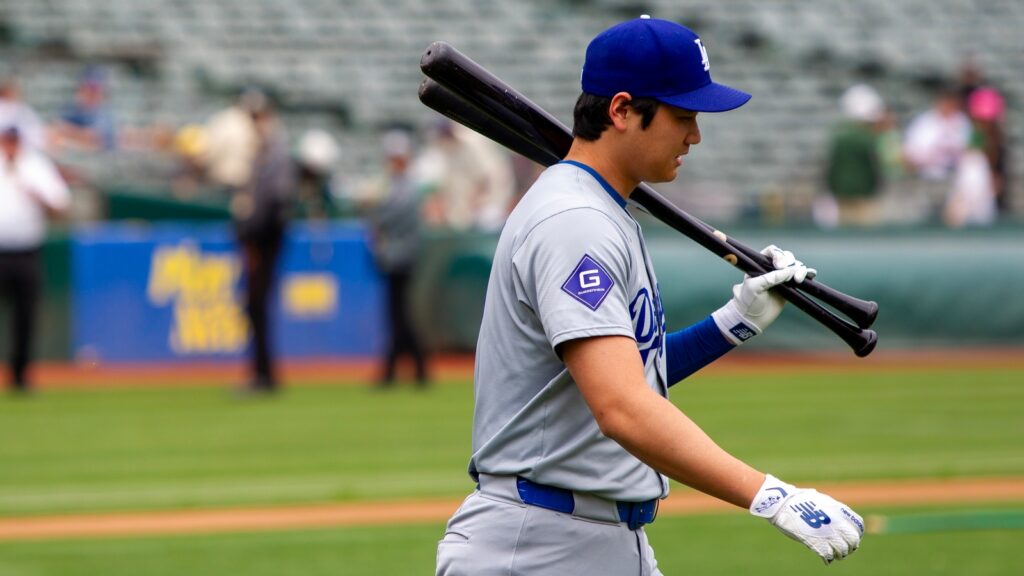
The friction began on Monday when Craig Counsell expressed his frustration with the current MLB roster limits, specifically pointing to the exemption the Dodgers receive for Shohei Ohtani.
Under current MLB regulations, teams are strictly limited to carrying 13 pitchers on their 26-man active roster to encourage more offense and prevent managers from overusing bullpens. However, players designated as “two-way players” do not count toward this 13-pitcher limit, allowing their team to carry a 14th arm.
Counsell, speaking to the media as his Cubs deal with a staggering ten pitchers on the injured list, didn’t hold back when asked about roster flexibility. He noted that the rule was intended to help the league as a whole, but in practice, it creates a lopsided advantage for one specific franchise. He called the situation “bizarre,” noting that while the league enforced the 13-pitcher cap to help offense, the Dodgers are essentially playing by a different set of rules.

How did Dave Roberts respond to the criticism?
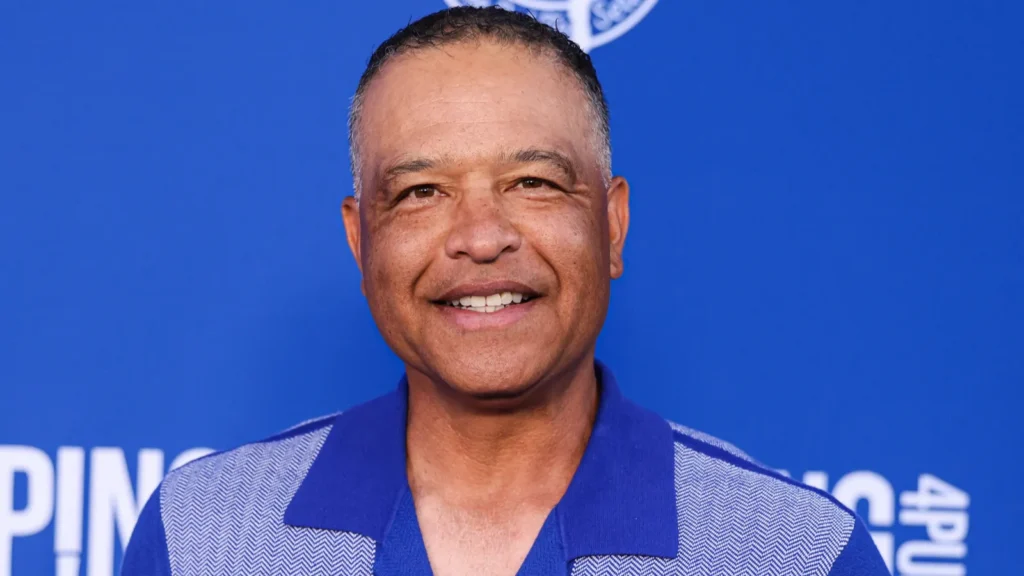
Dave Roberts wasted no time in defending his club, making it clear that the Dodgers aren’t breaking rules but rather maximizing the value of a unique player.
Speaking with reporters, Roberts admitted that the rule certainly benefits his team, but he refused to apologize for it. He pointed out that the exemption exists for anyone who can perform at Ohtani’s level, suggesting that other teams are free to find their own two-way stars.
Roberts’ tone was one of matter-of-fact confidence, noting that Ohtani is an “exceptional player” who deserves to be treated as an exception to the standard rules. He emphasized that the Dodgers are simply utilizing the tools provided by Major League Baseball to manage their roster effectively. By carrying 14 pitchers, Roberts can be more aggressive with his bullpen usage, a luxury that most managers in the league simply do not have during the grueling 162-game season.
What are the specific requirements of the “Ohtani Rule”?
To qualify for the two-way player designation and earn a roster exemption, a player must meet very specific and difficult statistical benchmarks set by MLB.
First, the player must have pitched at least 20 Major League innings in the current season or either of the two previous seasons. This ensures that the player is a legitimate contributor on the mound rather than a position player who occasionally mops up innings during blowouts.
In addition to the pitching requirement, the player must also start at least 20 games as a position player or a designated hitter, recording at least three plate appearances in each of those games. Because these requirements are so steep, Ohtani is currently the only active player in the league who qualifies for the status. This effectively makes the “two-way player” rule a “one-player” rule in the eyes of many rival executives.
Fun fact: Shohei Ohtani is the first player in Major League history to win the MVP award in both the American and National Leagues in consecutive seasons.
Is there a growing rift between the Cubs and Dodgers?
While the comments from Counsell were focused on the rulebook, they added a layer of tension to the burgeoning rivalry between two of the National League’s biggest markets.
The Cubs are trying to re-establish themselves as perennial contenders, and seeing the back-to-back champion Dodgers receive “special consideration” clearly struck a nerve. The Dodgers, meanwhile, have become accustomed to being the “villains” of baseball, a role they seem to embrace as they entered the week with baseball’s best record at 16-6, according to CBS Sports.
The timing of the comment is also notable, as the Cubs have struggled with pitching depth early in the 2026 season. When a manager is forced to shuffle Triple-A arms back and forth due to a lack of healthy bodies, seeing a powerhouse like Los Angeles have an extra spot for a fresh arm can lead to public venting.
However, Roberts’ “it is what it is” approach suggests that the Dodgers aren’t interested in a war of words; they are focused on the standings.
What does this mean for the rest of the 2026 season?
The Dodgers’ ability to carry an extra pitcher could become a major factor as the season progresses into the hot summer months.
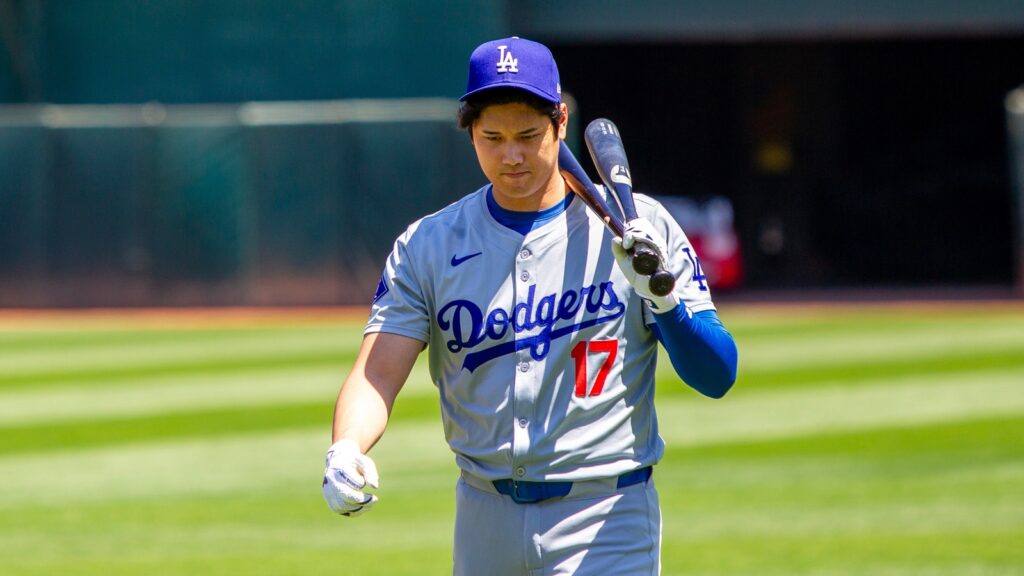
Depth is the most valuable currency in baseball, and Los Angeles has it in spades. With Ohtani currently posting a dominant 0.50 ERA through his first several starts of 2026, he isn’t just a roster loophole; he is arguably the best pitcher on the staff, making the “extra” roster spot even more of a luxury.
As the trade deadline approaches, rival managers will likely keep a close eye on how the Dodgers use this advantage. Counsell’s comments show the rule could remain a talking point as long as Ohtani is the only player who qualifies.
Fun fact: Before moving to Los Angeles, the Dodgers were famously known as the “Trolley Dodgers” in Brooklyn due to the dangerous streetcar tracks surrounding their stadium.
TL;DR
- Chicago Cubs manager Craig Counsell criticized the MLB rule allowing the Dodgers to carry 14 pitchers, calling it “bizarre” and “special treatment.”
- Dave Roberts defended the team, stating the Dodgers benefit because they have an “exceptional” player in Shohei Ohtani who meets the two-way criteria.
- The “Ohtani Rule” allows teams with a designated two-way player to exceed the standard 13-pitcher limit on the active roster.
- To qualify, a player must pitch 20 innings and start 20 games as a hitter with at least three plate appearances per game.
- Ohtani is currently the only player in MLB who qualifies, making the Dodgers the sole beneficiaries of the extra roster spot.
If you liked this story, don’t forget to follow us for more exclusive content.
This article was made with AI assistance and human editing.
If you liked this, you might also like:


