
The Walt Disney Company has officially signaled a massive strategic shift by deciding to keep ESPN in-house rather than spinning it off into a separate entity.
This decision, confirmed by leadership, ends years of industry speculation regarding the future of the Worldwide Leader in Sports. By integrating ESPN more deeply into the Disney ecosystem and launching a flagship direct-to-consumer service, the company is doubling down on live sports as its primary engine for streaming growth.
This move clarifies Disney’s long-term vision, positioning sports not just as a cable asset but as the cornerstone of its digital future.
Why is Disney keeping ESPN in-house?
Disney’s leadership believes that the network is more valuable as a core pillar of its streaming ecosystem than as a standalone company.
For several years, analysts debated whether the declining revenue of cable television would force Disney to offload the sports giant. However, the recent integration of ESPN content into Disney+ and the success of bundled offerings have proven that sports fans drive higher engagement across all platforms.
By retaining ownership, Disney can leverage its massive marketing machine to cross-promote sports with its theme parks, movies, and consumer products. The company is betting that a unified front will allow it to negotiate better with advertisers who are desperate for the live, “appointment-viewing” audiences that only sports can provide.
Fun fact: Despite the rise of streaming, ESPN remains the most expensive cable channel for providers, now costing roughly $10–$11 per subscriber each month, the highest carriage fee in the industry.
What does the new streaming service offer?
The launch of the flagship ESPN direct-to-consumer service marks the most significant change in the network’s history.
This service allows fans to access the full suite of ESPN’s linear channels without a traditional cable or satellite subscription. This is a massive departure from the previous ESPN+ model, which primarily offered niche sports and supplemental content rather than the main broadcasts seen on the flagship channel.
Fans can now stream every Monday Night Football game, the NBA Finals, and the College Football Playoff directly through the digital platform. The service is priced as a premium offering, reflecting the immense value of the broadcasting rights Disney has secured. This “all-in-one” approach is designed to capture the millions of cord-cutters who have left traditional television but still crave live professional sports.
How do league partnerships fit in?
The National Football League recently explored a deeper equity partnership with ESPN, further cementing the bond between the broadcaster and the most powerful league in America.
This partnership is a game-changer for the industry, as it essentially makes the leagues stakeholders in the platform that broadcasts their games. This move ensures that ESPN remains the primary home for major league events while giving the leagues a direct interest in the network’s digital evolution.
Disney is also reportedly exploring similar minority-stake deals with other major organizations like the NBA and MLB to help offset the astronomical costs of sports media rights. These partnerships provide ESPN with a protective moat, making it nearly impossible for newer tech competitors to fully displace them.
Fun fact: In 2026, Disney’s ESPN solidified its future with the NFL by closing a massive deal that officially made the league a 10% owner of the network
Is the cable bundle officially dead?
While the direct-to-consumer push is the priority, Disney is not walking away from traditional cable providers just yet.
The company recently renewed carriage agreements with major providers, ensuring that ESPN remains a staple of the “skinny bundle” for years to come. These deals often include provisions that allow cable subscribers to access the new streaming service at no additional cost, bridging the gap between old and new media.
This “hybrid” strategy allows Disney to collect lucrative affiliate fees from cable companies while simultaneously building its own digital subscriber base. It is a delicate balancing act, as the company must ensure it doesn’t cannibalize its own cable revenue too quickly.
What happened to the Venu Sports venture?
The ambitious Venu Sports joint venture between Disney, Fox, and Warner Bros. Discovery faced significant regulatory hurdles before its planned rollout.
Originally dubbed a “Hulu for Sports,” the project faced immediate legal challenges and an antitrust lawsuit from competitors who argued the venture would create a monopoly. Following a federal judge’s decision to block the launch, the three media giants had to pivot their strategies to focus on their individual platforms.
The collapse of the joint venture actually accelerated Disney’s plans for its own standalone service. Without the complication of partners, Disney gained total control over its pricing, user interface, and data collection. This autonomy is crucial as Disney looks to integrate sports betting and interactive features directly into its broadcasts.
Fun fact: The first-ever ESPN broadcast on September 7, 1979, began with a SportsCenter episode anchored by Lee Leonard and George Grande.
How will this affect the average sports fan?
Fans will benefit from more choices in how they consume games, though the total cost of following a team may increase.
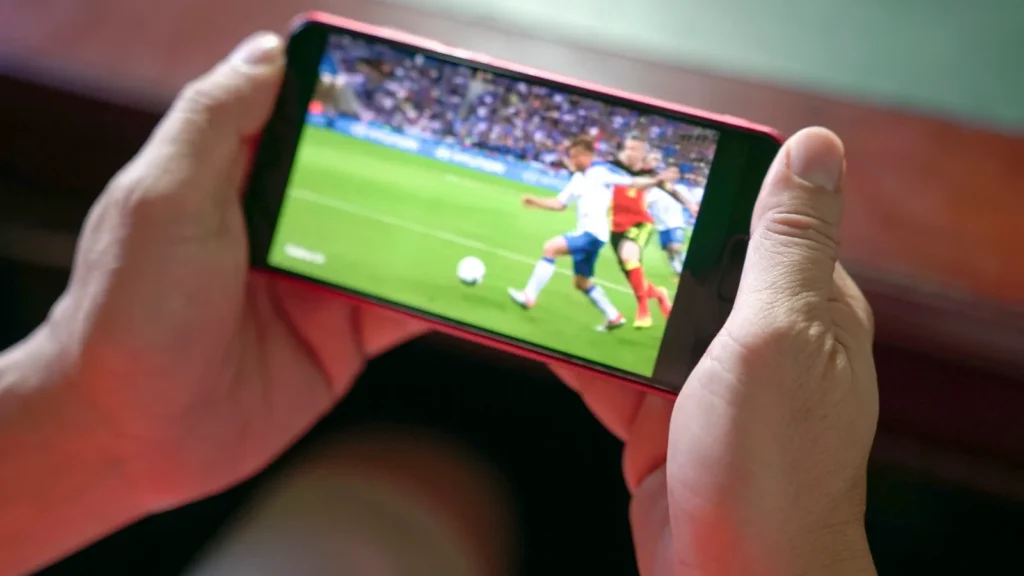
The convenience of having every ESPN-broadcast game available on a mobile device or smart TV without a cable contract is a significant win for younger audiences. However, as sports rights continue to climb in price, fans may find themselves managing multiple subscriptions to see their favorite teams across different networks.
Disney’s marketing campaigns emphasize that sports are now a year-round digital experience. Beyond just the live games, the new direction includes deeper integration of fantasy sports and real-time statistics. For the American sports fan, the “Worldwide Leader” is no longer just a channel on a dial; it is an interactive platform that lives in their pocket.
TL;DR
- Disney has canceled plans to spin off ESPN, choosing instead to integrate it into its core streaming business.
- A new flagship streaming service has launched, allowing fans to watch all ESPN channels without a cable subscription.
- Leagues are being invited as stakeholders, strengthening the ties between the network and professional organizations like the NFL.
- The Venu Sports joint venture was abandoned, giving Disney full control over its own sports streaming future.
- Disney is pursuing a “hybrid” model, maintaining presence on cable while aggressively growing its direct-to-consumer audience.
If you liked this story, don’t forget to follow us for more exclusive content.
This article was made with AI assistance and human editing.
If you liked this, you might also like: