

Donald Trump has stepped into one of golf’s most divisive debates after the sport’s governing bodies delayed their golf-ball rollback plan until January 2030. The move gave rollback critics a major opening, and Trump quickly praised the decision while calling the proposed distance cut a mistake.
That puts him on the opposite side of Jack Nicklaus and Gary Player, two golf legends who have warned for years that modern distance is changing the sport too much. Their disagreement captures the bigger fight now shaping golf: whether the game should protect tradition or keep embracing power, technology, and longer drives.
Why is the golf-ball rollback such a major issue?
The golf-ball rollback debate has been one of the most controversial topics in the sport for years. The USGA and The R&A originally announced plans to introduce new testing standards that would reduce driving distances for elite players, with implementation initially scheduled to begin in 2028.
Supporters argue that ever-increasing distances are forcing courses to become longer and more expensive to maintain. Critics counter that players should not be penalized for becoming stronger, faster, and more athletic.
This week, the governing bodies announced that the proposed rollout would be delayed until at least 2030 while additional discussions continue among stakeholders throughout the sport.

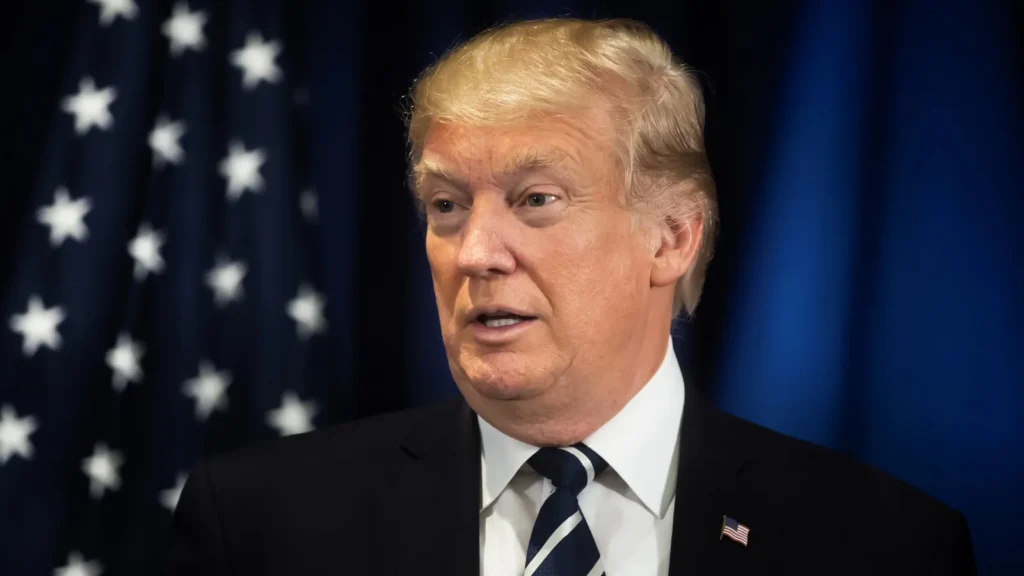
Where does Donald Trump stand?
Trump has repeatedly expressed opposition to rolling back the golf ball. The president and golf-course owner have argued that fans enjoy watching elite players hit the ball long distances and that technological progress is a natural part of sports.
His position aligns with many players, equipment manufacturers, and industry figures who believe innovation should not be restricted. Those groups have often argued that course setup, architecture, and tournament conditions offer better solutions than changing equipment standards.
The latest delay may not represent a complete victory for rollback opponents, but it does signal that governing bodies are reexamining their approach after years of pushback from various corners of the game.
Nicklaus and Player remain firmly on the other side
Few voices carry more weight in golf history than Jack Nicklaus and Gary Player. Both legends used the Masters week earlier this year to reiterate their belief that distance has become a serious issue.
Player called the situation a “tragedy” and argued that professional golf should consider dramatic reductions in distance. He suggested elite players are overpowering courses in ways that alter the sport’s original design principles.
Nicklaus echoed those concerns. He argued that the proposed rollback did not go far enough and compared the current efforts to making only minor adjustments to a much larger problem.
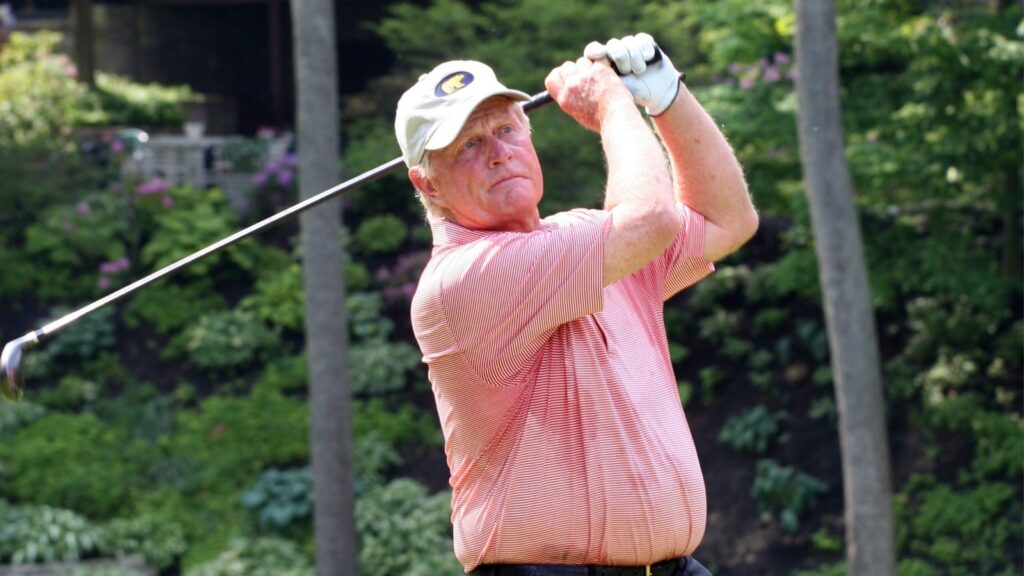
Fun fact: Gary Player owns nine major championships and remains one of only six golfers to complete the modern career Grand Slam, winning all four major tournaments during his career.
Why the delay changes the conversation
The original rollback proposal called for a phased introduction. Elite players would have seen changes first, while recreational golfers would have followed later.
That approach generated criticism from players and manufacturers who worried about creating different equipment standards across the game. The revised plan now centers on a potential single implementation date in 2030 while officials explore alternative solutions.
USGA CEO Mike Whan said the goal is to preserve unity across golf while continuing to address concerns about distance growth. Officials have emphasized collaboration rather than rushing into a rule change that lacks widespread support.
How the rollback debate affects golf course design
Beyond equipment rules, one of the biggest concerns in the rollback discussion involves the future of golf course architecture. Many classic courses were designed decades ago, long before modern players began hitting drives more than 300 yards regularly.
As distances have increased, some venues have been forced to add new tees, purchase additional land, or make costly renovations to remain challenging for elite competition.
Supporters of the rollback argue that reducing distance would help preserve the strategic elements that architects originally intended. Opponents, however, contend that course design can continue evolving without changing equipment standards.
They argue that creative layouts, tougher rough, and smarter tournament setups can maintain competitive balance while allowing technological innovation to continue.
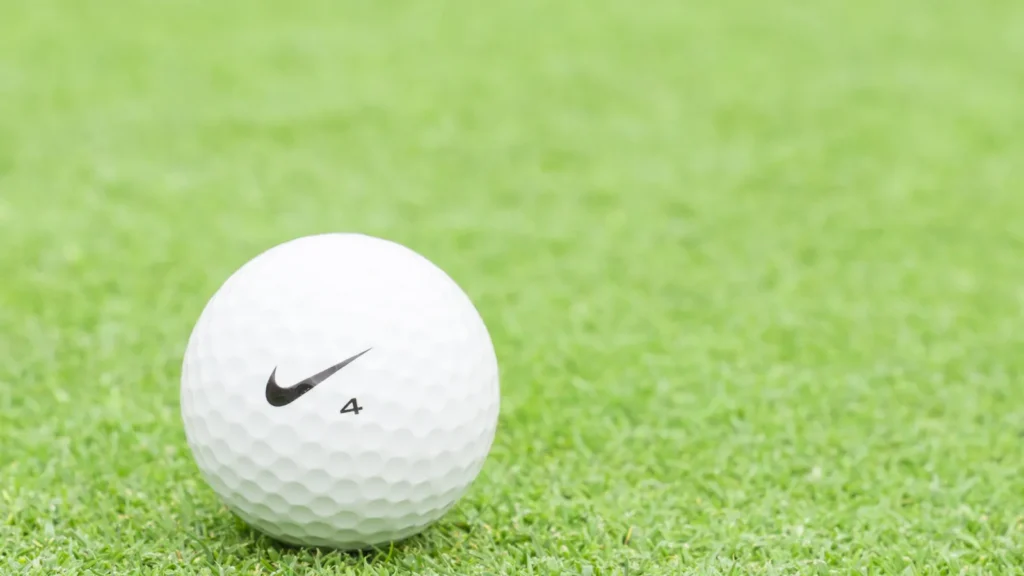
Fun fact: The average driving distance on the PGA Tour has increased significantly over the last two decades, rising from roughly 286 yards in 2004 to more than 303 yards in recent seasons.
What fans and analysts are discussing
The delay has sparked plenty of debate throughout the golf community. Some fans believe governing bodies are wisely taking more time to find a better solution. Others view the announcement as evidence that the original plan was flawed.
Several discussions have focused on whether equipment changes alone can effectively limit distance gains. Others have suggested tournament-specific equipment rules, course modifications, or adjustments to club technology as possible alternatives.
What remains clear is that the issue is far from settled. The delay has not ended the debate; it has simply opened a new chapter in one of golf’s most polarizing conversations.
TL;DR
- Donald Trump opposes golf-ball rollback efforts and favors the modern power game.
- Jack Nicklaus and Gary Player believe distance has become a major issue in professional golf.
- The USGA and R&A have delayed the proposed rollback timeline until at least 2030.
- Officials say they are exploring alternative solutions while maintaining unity across the sport.
- The debate remains one of golf’s most significant and divisive topics.
If you liked this story, don’t forget to follow us for more exclusive content.
This article was made with AI assistance and human editing.
If you liked this, you might also like: