A familiar American tradition has returned, bringing packed stadiums, passionate rivalries, and plenty of attention beyond the field. This season, however, college football became unexpectedly connected to a broader national conversation.
What began as an ordinary celebration quickly attracted scrutiny, creating an unusual collision between sports culture, presidential politics, and public expectations. The reaction revealed how even seemingly harmless moments can become politically charged.
Behind the debate lies a larger story about the relationship between government and college athletics. Trump has increasingly involved himself in collegiate sports, making his latest controversy part of something much bigger.
A post meant to celebrate the season
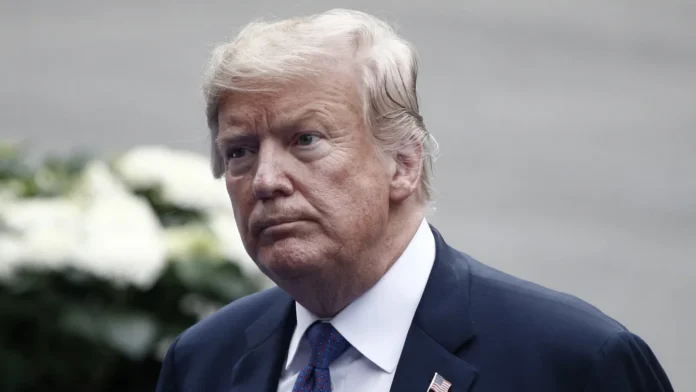
College football returned for the 2026 season, and the White House joined the buildup with social media posts featuring President Trump. One post showed Trump holding a football with the caption, “The best Saturdays in America are almost back.”
A follow-up White House post declared, “HEAR THAT? COLLEGE FOOTBALL IS BACK.” The posts appeared around the opening weekend, with the White House celebrating the return of a sport that has become a major part of Trump’s broader college-athletics agenda.
The posts also drew online criticism, with critics questioning the administration’s priorities, while supporters welcomed the celebration as Trump continued to take an unusually active role in national college sports policy.
Fans question White House’s real motives
Some fans found the entire post unnecessary, arguing that college football returns every single year without fail. One person joked that someone seemed desperate to take credit for a completely routine annual event each fall.
Critics compared the graphic to campaign-style content rather than an official government message. They argued that taxpayer-funded platforms should not resemble marketing material for a president who already dominates daily news coverage cycles nationwide.
The debate reflected a broader frustration among some Americans who feel official channels focus too heavily on entertainment. For them, the football post symbolized a broader pattern of prioritizing spectacle over substantive policy discussion.
Not everyone was upset by it
Despite the criticism, plenty of fans genuinely enjoyed the tribute. Many replies celebrated the excitement of another college football season, sharing enthusiasm for rivalry games, tailgates, and the return of Saturday traditions nationwide.
Supporters argued that a president showing enthusiasm for a beloved American pastime was harmless and even relatable. They felt critics were overanalyzing a lighthearted moment that simply celebrated something millions of fans so deeply love.
Trump’s football obsession has deep roots
This was not Trump’s first move involving college football. In March 2026, he signed an executive order titled Preserving America’s Game, aimed at protecting the traditional broadcast window for the annual Army-Navy Game.
That order, Executive Order 14396, directed federal officials to coordinate with sports organizations to secure an exclusive broadcast slot, ensuring the historic rivalry game would not compete against other major college football matchups each season.
Trump has also attended major sporting events throughout his presidency, including the Super Bowl and NBA Finals, reflecting a broader pattern of public engagement with sports that extends well beyond this single recent football post.
The roundtable set the stage for reform
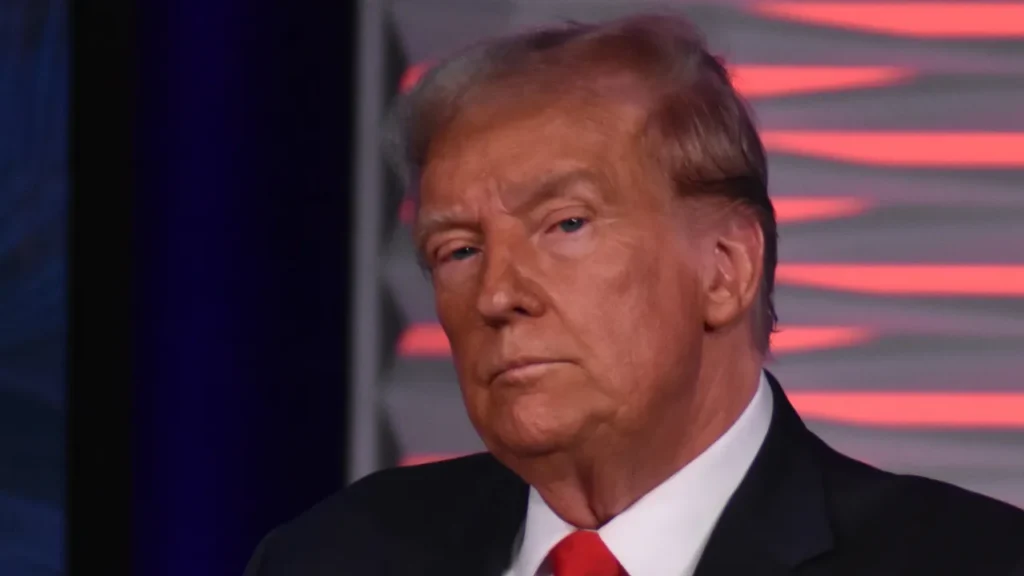
Nearly 6 months before the football post, Trump hosted a “Saving College Sports” roundtable at the White House on March 6, bringing together conference commissioners, coaches, university officials, sports executives, and other prominent figures.
Former Alabama coach Nick Saban participated in the meeting. After Trump signed his April 3 executive order, Saban called the action a “critical step towards restoring stability in college sports” and thanked Trump for his leadership.
The March roundtable focused on issues including NIL, transfers, eligibility, and the economics of college athletics. Participants also discussed the need for federal legislation to create greater national consistency across the sport.
New executive order reshapes NCAA rules
On April 3, 2026, Trump signed Executive Order 14400, titled “Urgent National Action to Save College Sports,” addressing eligibility, transfers, revenue sharing, and financial activities in collegiate athletics.
The order called on the interstate governing body to update or clarify its rules before August 1, where appropriate, including a five-year participation period and structured transfer rules. It also directed federal agencies to consider serious rule violations when evaluating grants and contracts.
Little-known fact: College sports support more than 500,000 student-athletes nationwide and generate nearly $4 billion in scholarships, a scale the administration cited as justification for federal intervention.
Legal battles could derail the order
The April executive order immediately raised questions about whether its proposed framework could withstand legal scrutiny, particularly because transfer and eligibility restrictions have repeatedly prompted litigation in college sports.
More than 3,350 players, roughly 25 percent of FBS players, entered the transfer portal during the 2026 cycle, highlighting the chaos the order attempts to address before facing likely lawsuits from various college conferences.
Trump himself has acknowledged the likelihood of lawsuits, stating during the roundtable that he hoped for a favorable judge, an admission that raises questions about the order’s long-term durability without passing new federal legislation.
Little-known fact: A co-lead plaintiff attorney representing college athletes, Steve Berman, called the executive order “an affront to the Sherman Act,” underscoring concerns that its proposed restrictions could face significant antitrust challenges in court.
What this means for fans and players
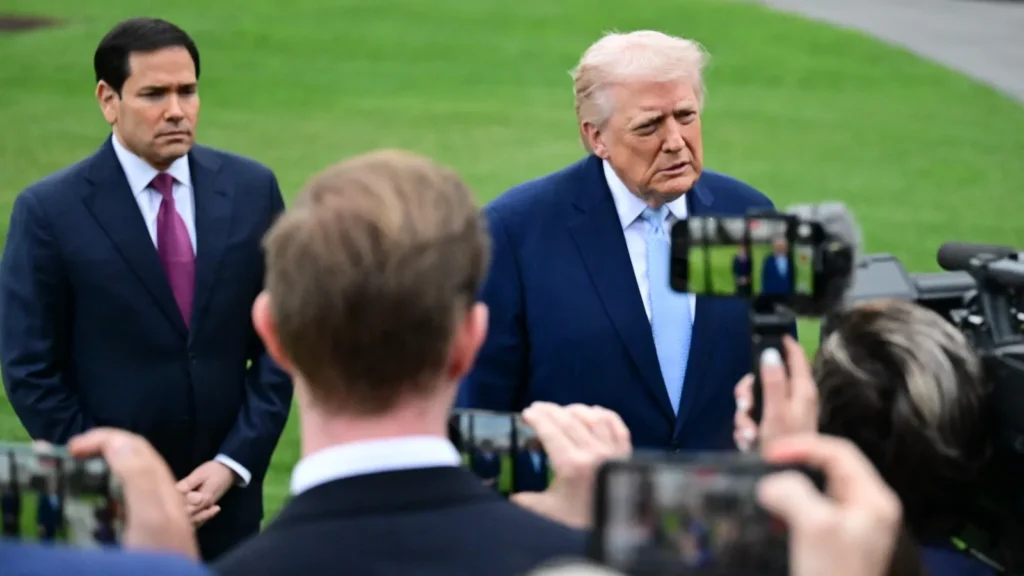
For everyday fans, the controversy shows how deeply politics and sports have become intertwined. What once felt like simple entertainment now regularly sparks national debate about leadership priorities, government messaging, and appropriate use of platforms.
For players, the stakes are much higher. New eligibility limits and transfer restrictions could reshape rosters nationwide, affecting scholarship opportunities, career timelines, and financial compensation for thousands of student-athletes across every level of competition.
Whatever side people take, one thing is clear. College football remains deeply woven into American culture, and even a simple celebratory post can ignite passionate conversations about politics and the country’s evolving relationship with sports.
TL;DR
- The White House celebrated college football’s return on August 29, 2026, drawing both criticism and support online.
- Critics questioned the administration’s priorities, while supporters viewed the post as a harmless celebration of the sport.
- Trump signed Executive Order 14396 in March 2026, seeking an exclusive broadcast window for the Army-Navy Game.
- Trump hosted a college-sports roundtable on March 6, attended by Nick Saban, conference commissioners, and other industry figures.
If you liked this story, don’t forget to follow us for more exclusive content.
This article was made with AI assistance and human editing.
If you liked this, you might also like: