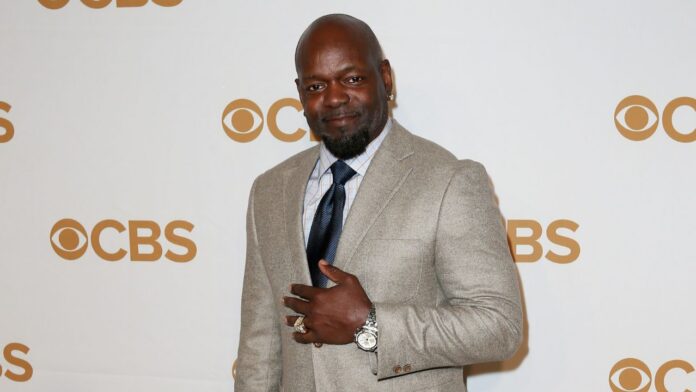
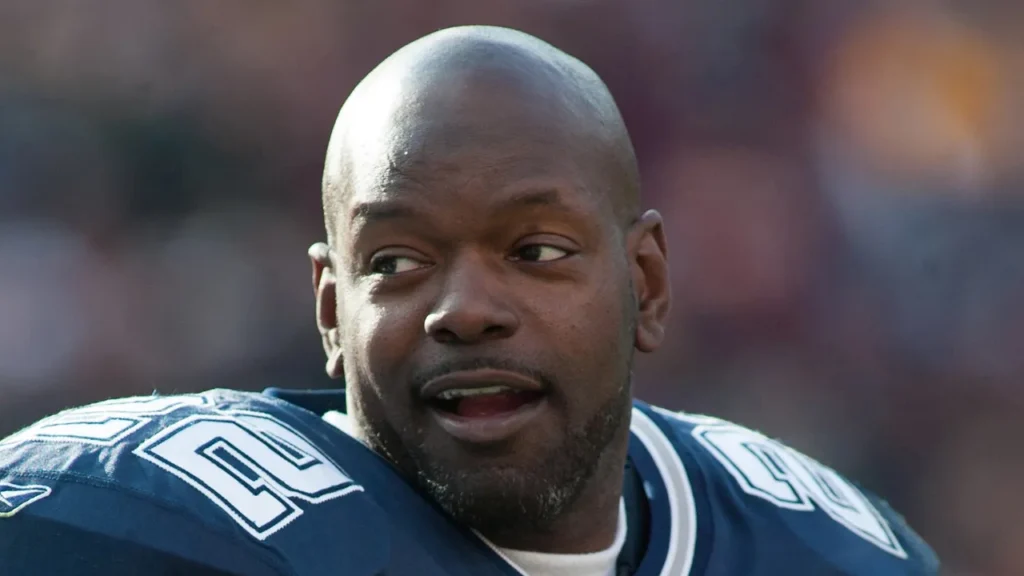
Emmitt Smith built a legendary career with the Dallas Cowboys and became the NFL’s all-time leading rusher. After retiring from professional football, he moved into business, taking on ventures in real estate and clean energy. Now a new legal battle threatens to overshadow that long-standing legacy.
A tribal investment group has filed a lawsuit accusing Smith and his longtime business partner of fraud. The case centers on a $2.5 million loan intended to fund a solar energy project in Texas. Court filings allege the money was quietly diverted to something else entirely.
A Hall of Fame career faces new scrutiny
Emmitt Smith spent most of his celebrated playing career with the Dallas Cowboys franchise. He helped the team win 3 Super Bowl titles during the 1990s. Smith retired as the all-time leading rusher in NFL history.
After leaving football, Smith stayed busy with several public projects. He worked as a television analyst and even won a season of Dancing With the Stars. He also built a commercial real estate business alongside his media career.
Smith later cofounded an energy company called 4 13 Solutions with a longtime associate. The company focused on solar power and other renewable energy projects. That venture is now at the center of a serious legal dispute.
Kituwah agreed to fund a solar venture
Kituwah LLC is the investment and economic development arm of the Eastern Band of Cherokee Indians. The group focuses on funding projects meant to benefit its wider community. In early 2023, Smith and his business partner approached Kituwah with a new opportunity.
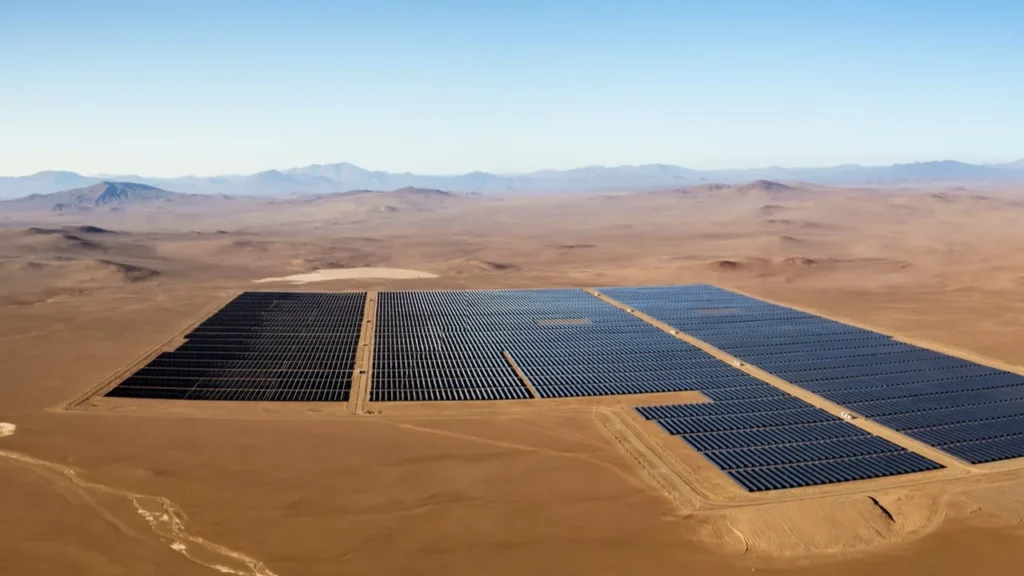
The pitch involved a large solar farm planned for rural Texas. Smith and David Mosley asked Kituwah to provide funding to help launch the project. Kituwah ultimately agreed to loan the pair $2.5 million for the venture.
According to the lawsuit, Kituwah expected the project to generate substantial returns. That trust would later become the center of a lengthy legal fight.
Project Exodus was pitched as a sure bet
The solar project was formally named Project Exodus. Smith and Mosley described it to Kituwah as a genuine joint venture. They said the farm would soon become fully operational and profitable.
According to the lawsuit, the pair claimed the Department of Energy would eventually provide permanent long-term financing. They also promised the solar farm would be up and running by the end of 2024. Kituwah says none of those promises ever came true.
The lawsuit claims Kituwah was promised full repayment within just a few months. It also alleges the group was told it would receive all future revenue from the project. None of those promises was kept, according to the formal complaint.
The loan deadline passed without any repayment
The original loan deadline was set for February 1, 2024. That date came and went without any payment from Smith or his partners. Kituwah says it still has not recovered a single dollar of its original investment.
The lawsuit states that interest on the unpaid loan has grown significantly over time. It claims the total balance now stands above $3 million.
That figure includes nearly $600,000 in accrued interest alone. According to the lawsuit, the solar project never materialized.
Lawsuit claims funds diverted to another company
The lawsuit alleges that the loan funds were never used to build the solar farm. Instead, it claims the funds were quietly sent to a company called Wilson Holdings. Smith and Mosley had reportedly partnered with that firm on earlier deals.
Court filings say the borrowed money was used to repay an older outstanding debt. Wilson Holdings of North America is now also named as a defendant in the case. The complaint alleges that the defendants failed to disclose how the loan proceeds were used.
Kituwah says it learned how the funds were used after repeatedly seeking information about the investment. The lawsuit says Kituwah incurred additional costs while investigating how the funds were used. Kituwah says its investigation into the funds led to the lawsuit.
Fun fact: Dallas selected Smith with the 17th overall pick in the 1990 NFL Draft.
Smith and partners have not yet responded
Reporters from several outlets have tried to reach Smith and the other defendants for comment. So far, those attempts have not been successful, and no public response from Smith regarding the allegations has been reported.
The lawsuit remains in its early legal stages, with the defendants yet to publicly address the claims. The court has not made any findings regarding the allegations.
Until the case moves forward, the claims outlined in the complaint remain allegations. The lawsuit itself does not establish that Smith or the other defendants committed wrongdoing.
Multiple legal claims now filed in Delaware
The lawsuit was filed on Aug. 31, 2026, in Delaware’s Court of Chancery. It names Emmitt Smith, David Mosley, 4 13 Solutions Inc., Wilson Holdings of North America LLC, and other related parties as defendants.
Kituwah’s complaint includes claims for fraudulent inducement, breach of contract, and breach of fiduciary duty. The group is seeking at least $2.5 million, plus interest, costs, expenses, attorney fees, and any additional damages awarded by the court.
The case is in its early stages, and the court will determine how the litigation proceeds.
The case highlights risks in athlete ventures
Retired professional athletes often move into business ventures once their playing days end. The partnership offered financial opportunities while also carrying potential risks.
Tribal groups like Kituwah manage funds intended to support their entire communities. When a business deal goes wrong, the financial impact can reach far beyond one single company.
Economic development money is specifically meant to build long-term community stability. The lawsuit will now proceed through the legal process.
Little-known fact: Smith wore No. 24 in high school and only switched to his famous No. 22 at Florida.
TL;DR
- Kituwah LLC sued Emmitt Smith and David Mosley for fraud.
- The lawsuit involves a $2.5 million loan for a Texas solar project.
- Kituwah claims the money was diverted to pay another company.
- The case was filed in Delaware’s Court of Chancery this week.
- Smith and the other defendants have not yet publicly responded.
If you liked this story, don’t forget to follow us for more exclusive content.
This article was made with AI assistance and human editing.
If you liked this, you might also like: