

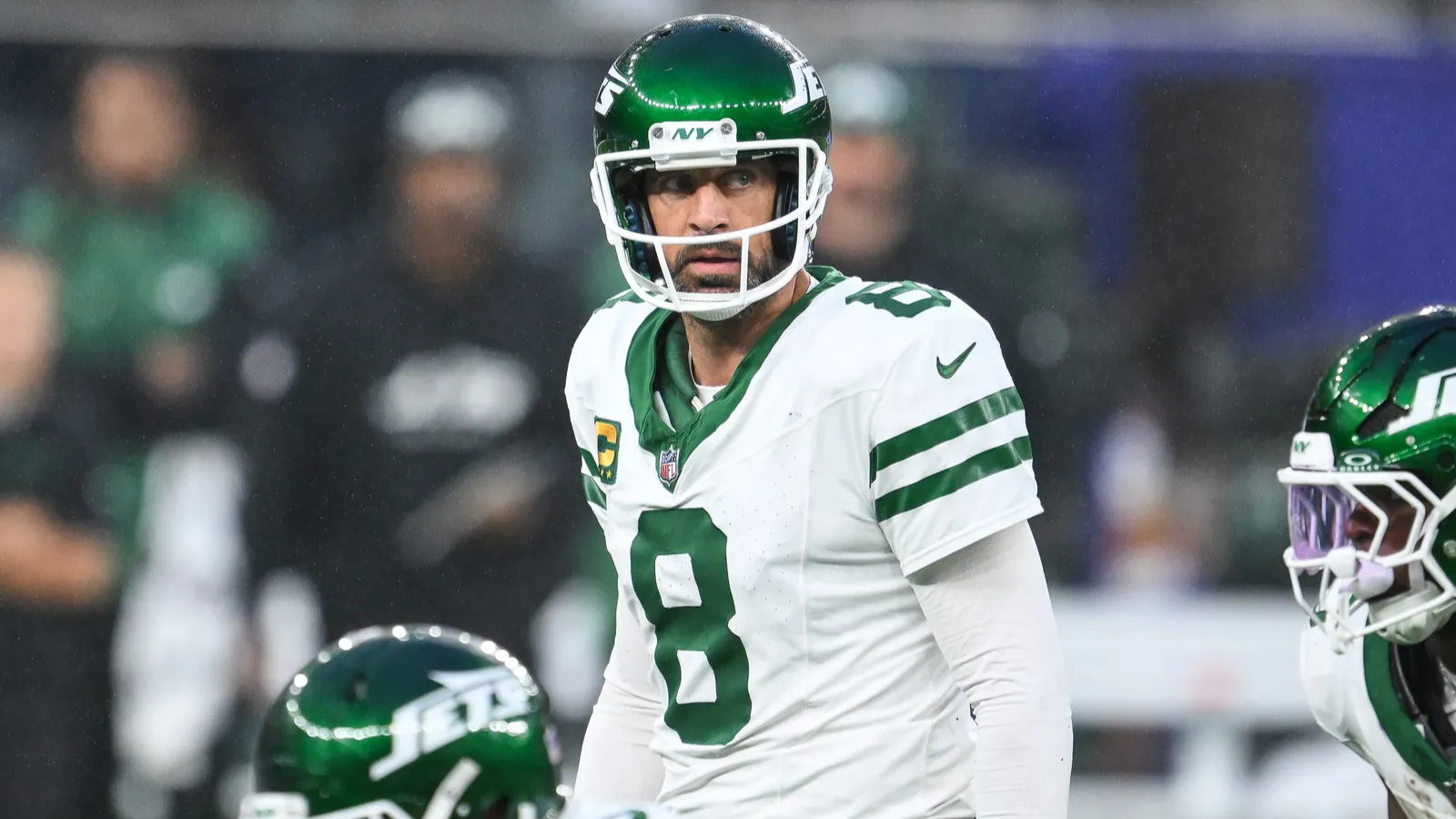
ESPN’s decision to put Jordan Rodgers on First Take to discuss his brother Aaron Rodgers’ rough Steelers start has triggered a wider media debate. Jordan, an ESPN analyst, defended parts of Aaron’s performance while acknowledging Pittsburgh’s problems. The segment arrived weeks after the brothers publicly revealed they had repaired a long-running family rift.
Aaron had spent years separated from Jordan and other relatives. That history has made Jordan’s role especially noticeable. Critics questioned whether ESPN created a conflict by assigning the segment to Aaron’s brother. Supporters pointed to Jordan’s football background and experience as an analyst on national sports television.
Why Jordan Rodgers was on First Take
Jordan appeared on the Sept. 23 edition of First Take as ESPN discussed whether Pittsburgh should be concerned about its offense after two games. The Steelers opened 1-1, beating Atlanta before losing 20-3 at New England.
Jordan argued that Aaron’s individual performance deserved more context. He said Aaron had been accurate on several downfield throws and pointed to dropped passes as part of the offense’s early struggles.
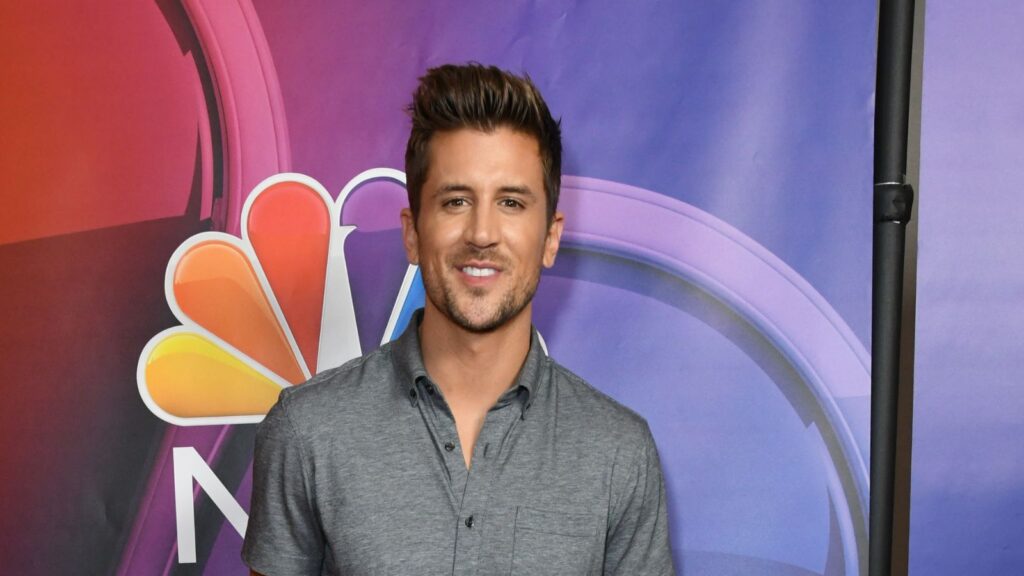
The comments drew attention because Jordan was evaluating his brother on ESPN. ESPN’s official biography identifies Jordan as a college football analyst for ESPN and ABC, including studio appearances on First Take, Get Up and SportsCenter.
Aaron Rodgers’ start has fueled the debate
Aaron opened the season with two uneven games in Pittsburgh. He completed 24 of 40 passes for 221 yards and a touchdown against Atlanta, then managed 187 yards, no touchdowns, and one interception against New England.
Through two games, NFL.com lists Rodgers at 47 completions on 79 attempts for 408 yards, one touchdown, and one interception. His passer rating is 72.1, while Pittsburgh has scored only 23 total points.
The New England loss sharpened the criticism because Pittsburgh’s offense struggled. NFL.com noted that Rodgers faced pressure behind an overwhelmed offensive line, while the Steelers also dealt with drops and an ineffective running game.
What Jordan Rodgers actually said
Jordan did not simply dismiss the criticism surrounding his brother. His central argument was that some of the quarterback’s throws had been better than the final numbers suggested, particularly when considering mistakes by Pittsburgh’s receivers.
He also acknowledged that the Steelers needed to improve. His comments focused on patience rather than claiming Aaron had played at an elite level.
That distinction shaped the reaction. Some viewers saw Jordan’s analysis as a reasonable football argument from a former quarterback, while others viewed the family connection as too significant to ignore.

Why the family history matters
The controversy carries more weight because Aaron and Jordan spent years publicly associated with a family estrangement. Jordan discussed their lack of a relationship during his 2016 appearance on The Bachelorette, bringing the issue into the national spotlight.
Aaron generally declined to discuss the dispute. In 2016, he said he considered public discussion of family matters inappropriate and chose not to engage with the subject, other than to wish Jordan well.
The relationship changed in 2026. Aaron shared photos with his parents and older brother Luke in July, then later said he had also met with Jordan after difficult conversations, marking a significant shift from the long estrangement.
Jordan’s football credentials extend beyond his family name
Jordan Rodgers is not only an analyst because of his connection to Aaron. ESPN’s official biography says he played quarterback at Vanderbilt from 2010 through 2012 after attending Butte College and helped lead the Commodores to consecutive bowl appearances.
Jordan also spent time with the Jacksonville Jaguars, Tampa Bay Buccaneers, and Miami Dolphins after college. His playing career gave him NFL quarterback-room experience before television.
His broadcasting career has since added another layer to that football background. Rodgers has worked across ESPN’s college football coverage, giving him experience analyzing the game from a television perspective rather than solely through his playing career.
Fun fact: Jordan Rodgers won a Sports Emmy for his analysis of ESPN’s SEC on ABC coverage, according to ESPN’s official biography. The award reflects his broadcasting career beyond his family connection.
Why ESPN’s choice has drawn criticism
The criticism centers less on whether Jordan can analyze football and more on whether the network should have placed him in that position. ESPN asked him to evaluate a quarterback with whom he has an unusually close personal connection, creating a perception issue for some viewers.
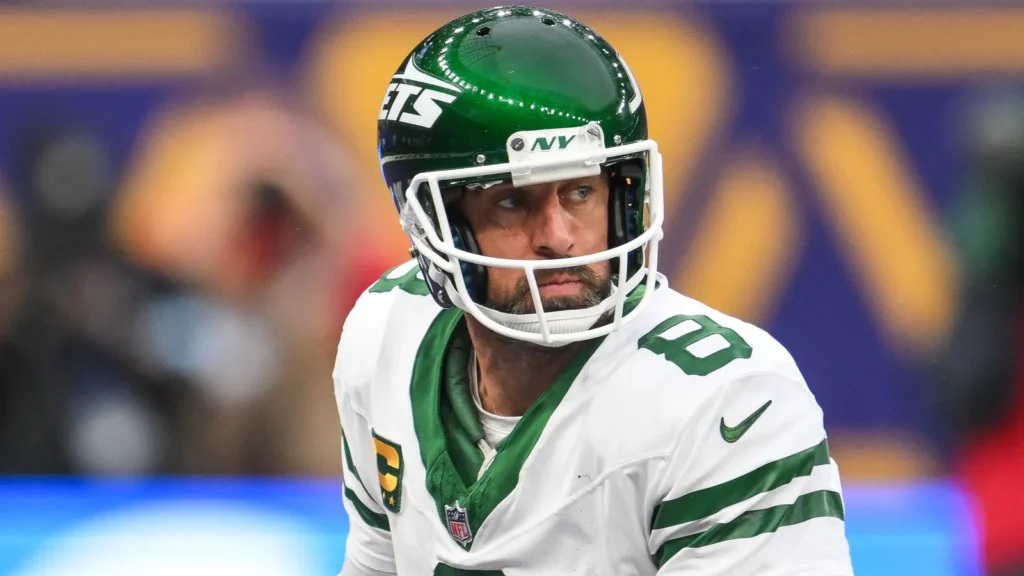
That issue became more visible because Jordan defended Aaron’s play amid Pittsburgh’s offensive criticism. Some online reactions called the segment an avoidable conflict, while other viewers argued that Jordan’s family relationship does not erase his professional football background.
The reaction reflects two interpretations of the segment. One emphasizes Jordan’s credentials and knowledge of quarterback play, while the other emphasizes the difficulty of separating professional analysis from a newly repaired family relationship.
What the controversy says about sports media
The dispute highlights a recurring challenge for sports networks when analysts have personal relationships with the subjects they discuss. Familiarity can provide insight, but it can also lead audiences to question whether an opinion is fully detached.
Jordan’s case is unusual because his brother is one of the most recognizable quarterbacks in NFL history and because their relationship had only recently been repaired. The segment carried a personal history absent from an ordinary player-analysis discussion.
ESPN continues to list Jordan as part of its college football and UFL coverage, while reactions to his First Take appearance have focused on the decision to have him discuss Aaron specifically. The criticism concerns the assignment and perceived objectivity, not Jordan’s football knowledge.
TL;DR
- ESPN featured Jordan Rodgers on First Take to discuss Aaron Rodgers and the Steelers’ 1-1 start.
- Jordan defended aspects of Aaron’s play while acknowledging Pittsburgh’s offensive problems.
- Aaron has completed 47 of 79 passes for 408 yards, one touchdown, and one interception through two games.
- The segment drew criticism because Jordan is Aaron’s brother, and the siblings recently reconciled after years of estrangement.
- Jordan has an established broadcasting career, including work with ESPN and ABC on college football and a Sports Emmy.
Read More From This Brand:
- Steelers fans call for Aaron Rodgers to be benched at halftime
- Stephen A. Smith explains why Aaron Rodgers should retire now
- Mike McCarthy takes blame for Steelers offense after Rodgers struggles vs. the Patriots
This article was made with AI assistance and human editing.