

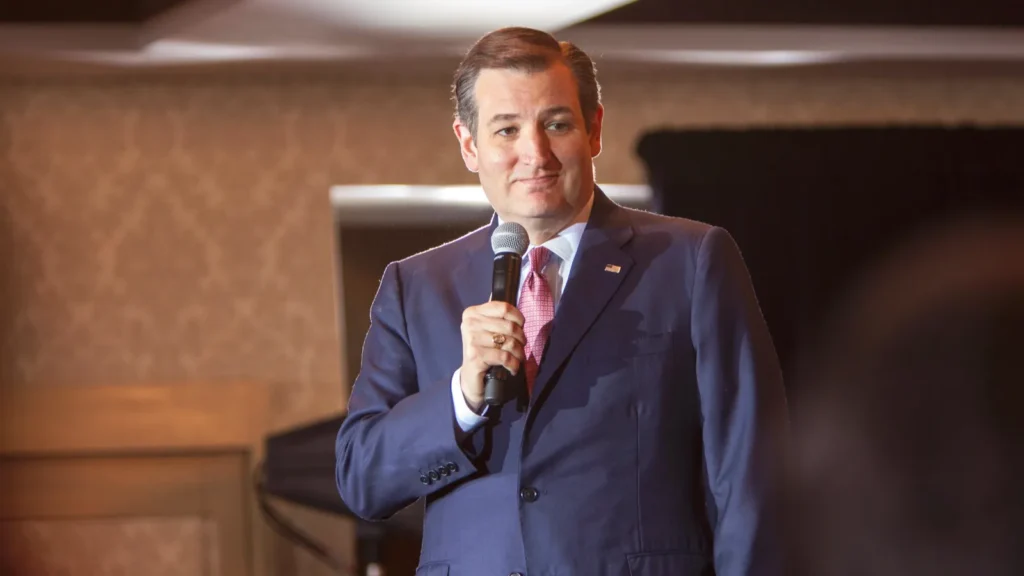
Cruz’s 9-minute ESPN interview draws backlash
ESPN’s College GameDay usually keeps the spotlight on the biggest games, players and storylines in college football. But its Sept. 12 broadcast from Austin took an unexpected turn when a prominent Texas senator joined host Rece Davis for a lengthy discussion.
The appearance quickly drew attention from viewers and sparked debate about where sports coverage ends and politics begins. With a major matchup underway and a controversial college-sports bill at the center of the conversation, the segment raised questions that reached far beyond the football field.
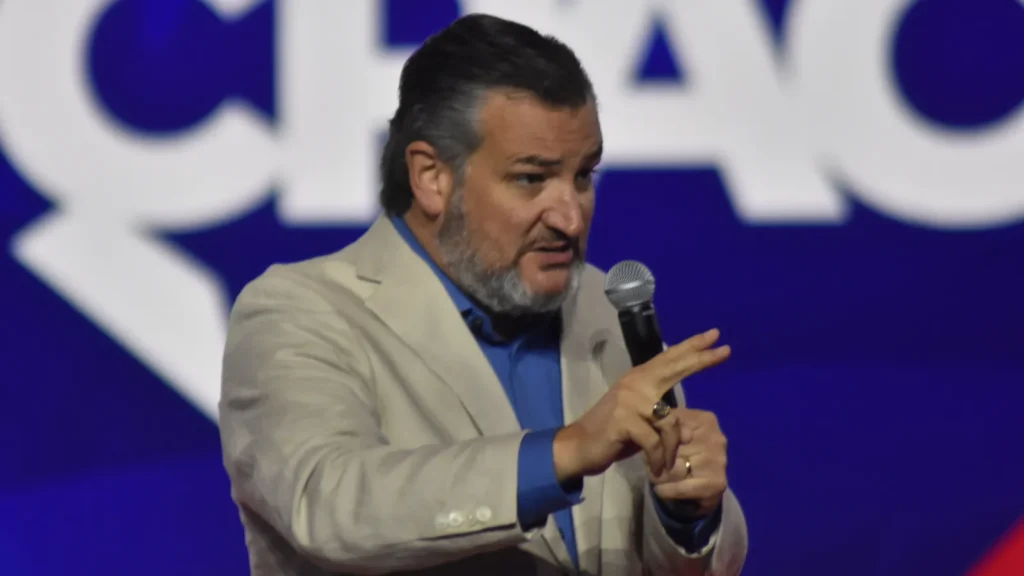
Cruz appeared before Texas and Ohio State
College GameDay was in Austin for Texas’ matchup against Ohio State on Sept. 12. ESPN announced that the program would broadcast from the University of Texas campus before the nationally significant game.
Texas entered the game ranked No. 4, while Ohio State was ranked No. 1. The broadcast was part of GameDay’s 40th season and marked Texas’ 11th time hosting the program.
Cruz used the segment to discuss college sports
Cruz discussed the Protect College Sports Act during his interview with Rece Davis. He argued that federal legislation should establish national rules governing areas including athlete transfers, NIL compensation and college sports competition.
The legislation was introduced in the Senate as S. 4668. The bill was introduced by Ted Cruz, Maria Cantwell, Eric Schmitt and Chris Coons, who were listed as its original sponsors. Later cosponsors included Shelley Moore Capito, Peter Welch, Pete Ricketts and John Hickenlooper.
The segment lasted roughly nine minutes
The Cruz interview occupied approximately nine minutes of the College GameDay broadcast. Reports described the segment as a substantial portion of the program’s live coverage from Austin.
Cruz was interviewed by Davis rather than joining the regular analyst desk. ESPN’s announced Week 2 lineup also included Texas coach Steve Sarkisian, Oregon coach Dan Lanning and returning analyst Nick Saban.
Fans loudly reacted during the interview
Cruz faced sustained boos from members of the live audience during his appearance on the program. Reports also documented chants directed at the senator while he discussed the legislation with Davis.
The reaction occurred as Cruz appeared on the lawn near the University of Texas campus. Coverage from the Houston Chronicle reported that the crowd’s response continued through much of the nine-minute interview.
ESPN defended the timing through its reasoning
A source familiar with ESPN’s thinking told Front Office Sports that the network considered Cruz’s appearance an easy programming decision. According to the report, Cruz was already scheduled to be in Austin and had expressed interest in appearing on GameDay.
The same source said ESPN viewed the appearance as timely because the show was broadcasting from Cruz’s home state. The interview also connected directly to a major college-sports policy issue involving NIL, transfers and athlete protections.

The bill had bipartisan congressional support
The Protect College Sports Act advanced from the Senate Commerce Committee in June after a 19–9 vote. The committee listed Republican and Democratic senators among those voting for the legislation.
Cruz and Cantwell reached a bipartisan agreement on the legislation before the committee vote. The measure was later revised to address issues involving revenue sharing, NIL agreements and associated entities.
Interesting fact: Cruz was first elected to the U.S. Senate in 2012 and was sworn in the following year. He won reelection in 2018 and 2024, giving him a Senate tenure that has now passed the 13-year mark.
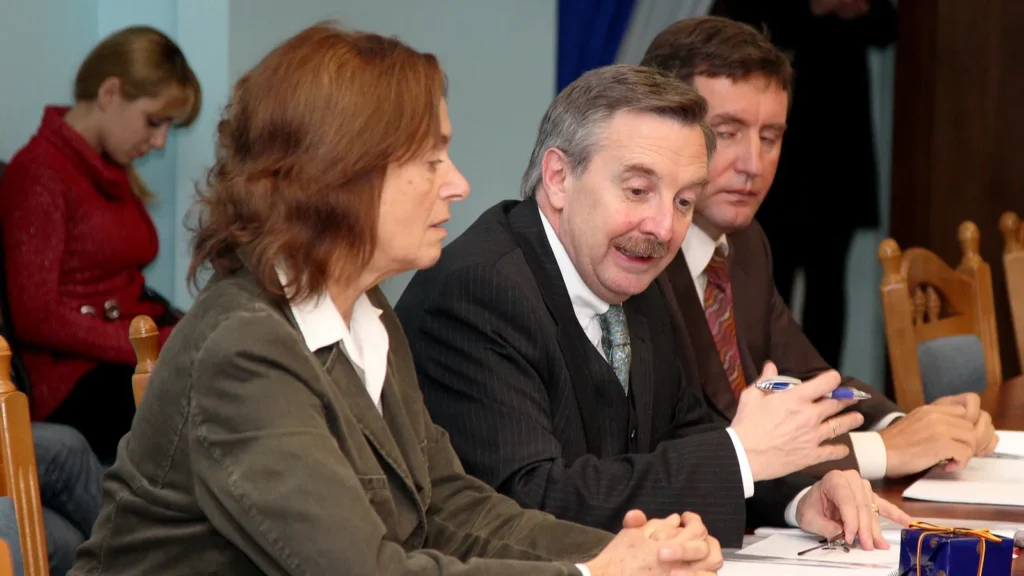
The legislation addresses NIL compensation
The bill would establish a federal framework for student-athletes’ name, image and likeness rights. It would replace the current patchwork of state rules with national standards governing NIL compensation and related agreements.
The legislation also establishes requirements for NIL contracts and creates rules intended to distinguish legitimate endorsement agreements from other payments. Supporters say the framework would provide greater legal certainty for athletes and schools.
Interesting fact: Before becoming a senator, Ted Cruz served as Texas solicitor general and ultimately argued 9 cases before the U.S. Supreme Court.
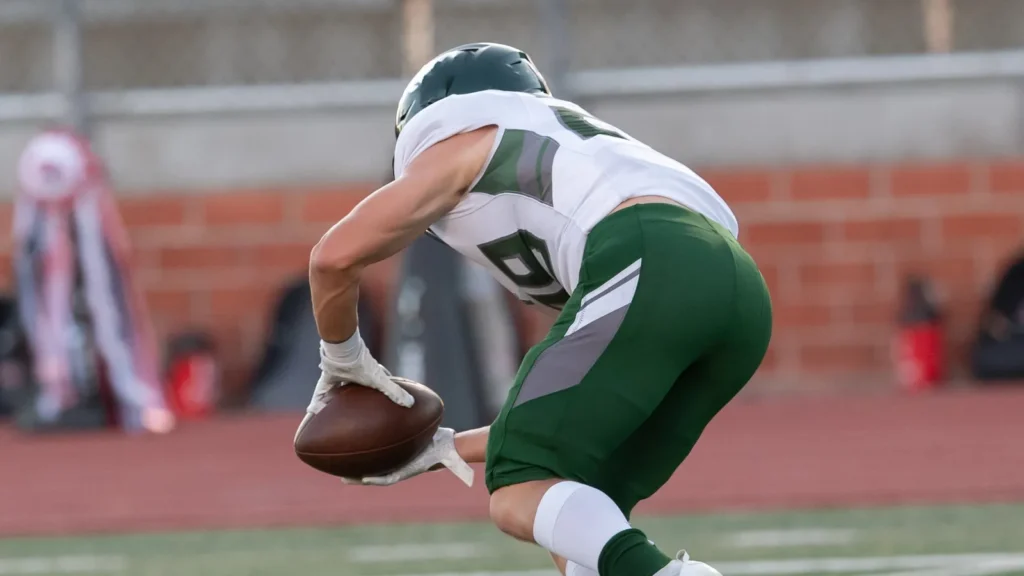
Transfer rules are another major issue
The Protect College Sports Act includes provisions addressing athlete transfers, eligibility, recruiting and tampering. Those provisions are part of the legislation’s broader effort to establish federal standards for college athletics.
The bill also addresses scholarships and health care protections for student-athletes. Senate materials say the legislation is designed to provide enforceable protections while creating a more uniform national framework for college sports.
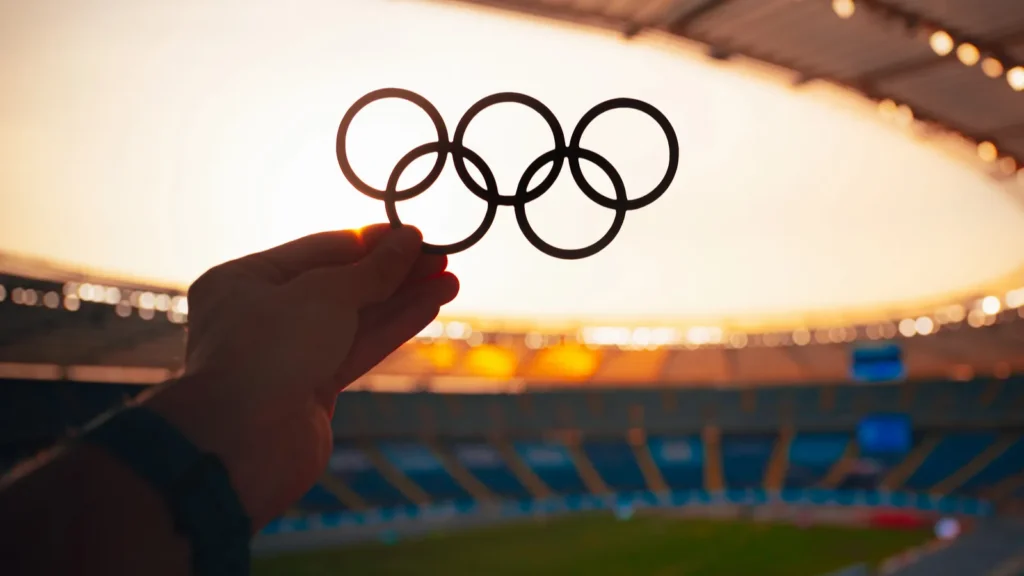
Women’s and Olympic sports are included
The legislation contains provisions intended to protect women’s and Olympic sports within college athletics. Senate materials specifically identify those sports as part of the bill’s broader student-athlete protection framework.
Cruz has repeatedly argued that non-football sports need protection as college athletics changes financially. His Senate office said the legislation addresses sports such as swimming, wrestling, rowing, gymnastics, track and field and softball.


Critics have raised concerns about athlete rights
The legislation has faced opposition from organizations representing athletes and workers. The AFL-CIO argued that the bill could give the NCAA greater authority over athletes while limiting collective bargaining and other protections.
The Congressional Black Caucus also said it could not support the legislation in its current form. Its statement raised concerns about representation and the economic effects on Black athletes, coaches, agents and historically Black colleges and universities.

The Senate had begun considering the bill
The Senate had already taken procedural steps on the Protect College Sports Act by Sept. 19. On Sept. 15, senators voted 74–24 to invoke cloture on the motion to proceed, and on Sept. 17, the Senate voted 77–22 to advance the bill, setting up debate and possible final passage.
Cruz’s Sept. 12 College GameDay appearance therefore came before the Senate’s procedural votes on the legislation. The bill had moved beyond the committee stage and was being considered by the full Senate as of Sept. 19.
The internet is also talking about Mike Tomlin revealing the NFL quarterback he would most want to coach.

The controversy centers on sports and politics
Cruz’s appearance connected a live college-football broadcast with an active federal legislative debate. A source familiar with ESPN’s thinking told Front Office Sports that the appearance made sense because Cruz was already in Austin and wanted to discuss the legislation.
The broadcast also became notable because of the audience’s sustained reaction during the interview. Separately, FCC Chairman Brendan Carr said federal equal-time rules did not apply because ESPN is a cable network and the rule applies only to legally qualified.
In other news, NFL’s Wednesday opener draws criticism over game play and scheduling.
What do you think about ESPN giving Ted Cruz airtime on College GameDay? Like this slideshow and share your thoughts in the comments.
This slideshow was made with AI assistance and human editing.
Read More From This Brand: