

Victory at the Valspar Championship
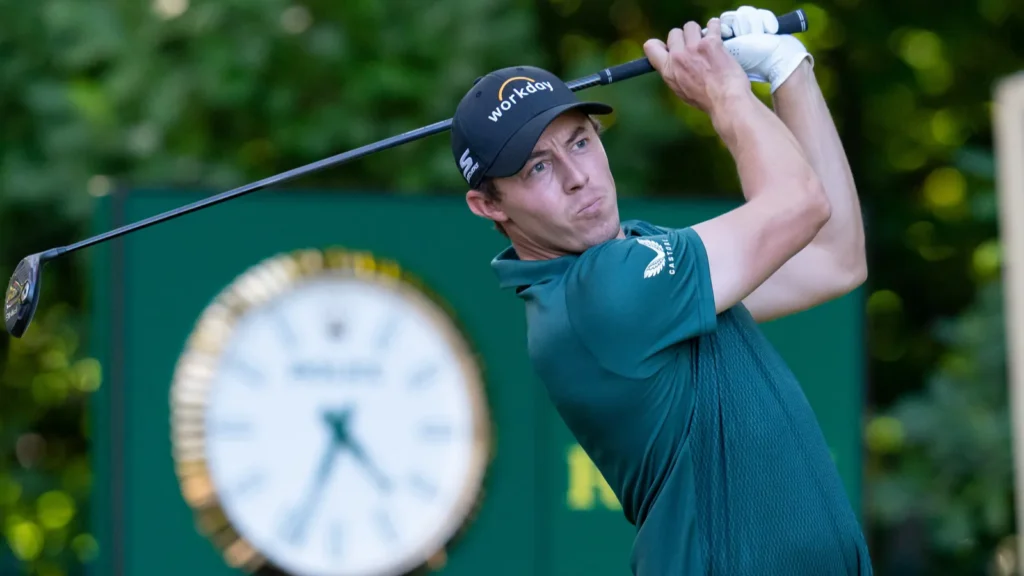
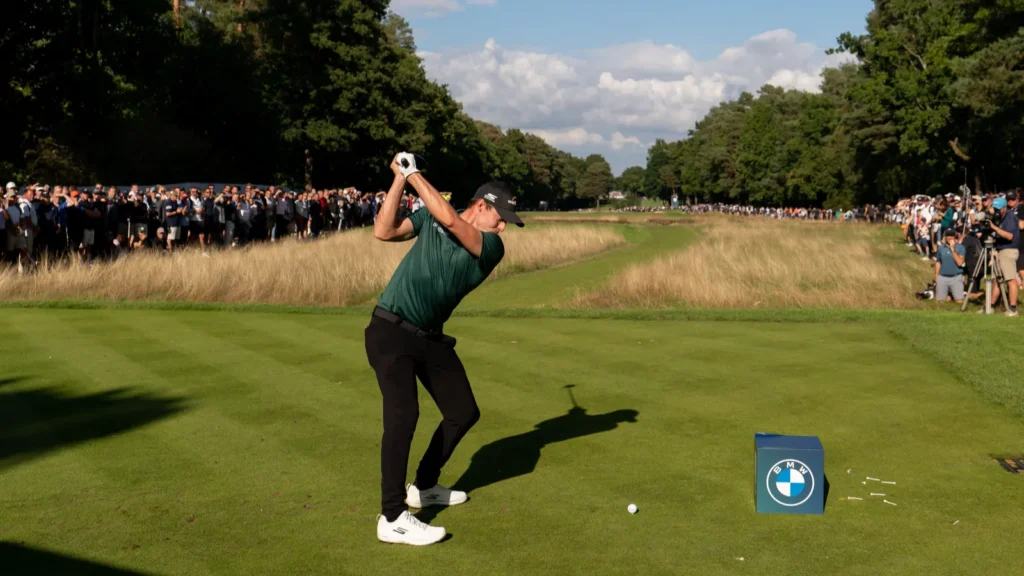
The latest weekend on the PGA Tour belonged to Matt Fitzpatrick as he captured the title at the Valspar Championship. This victory marked a significant return to the winner’s circle for the star.
His performance was a highlight of the tournament schedule as he secured his first PGA Tour win in nearly 3 years. The fans celebrated a major achievement for the talented and focused English golfer.
Frustration amidst a winning performance
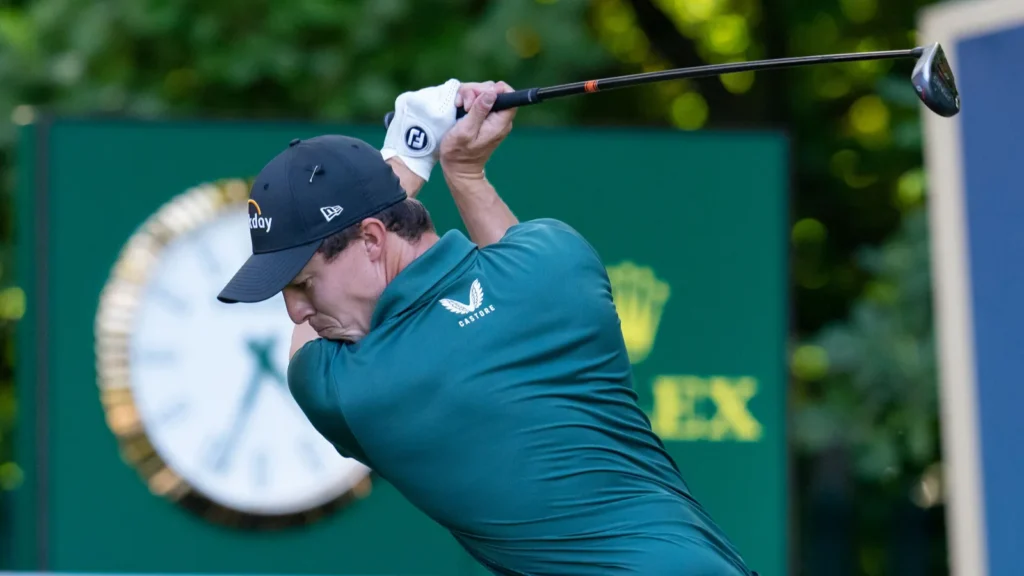
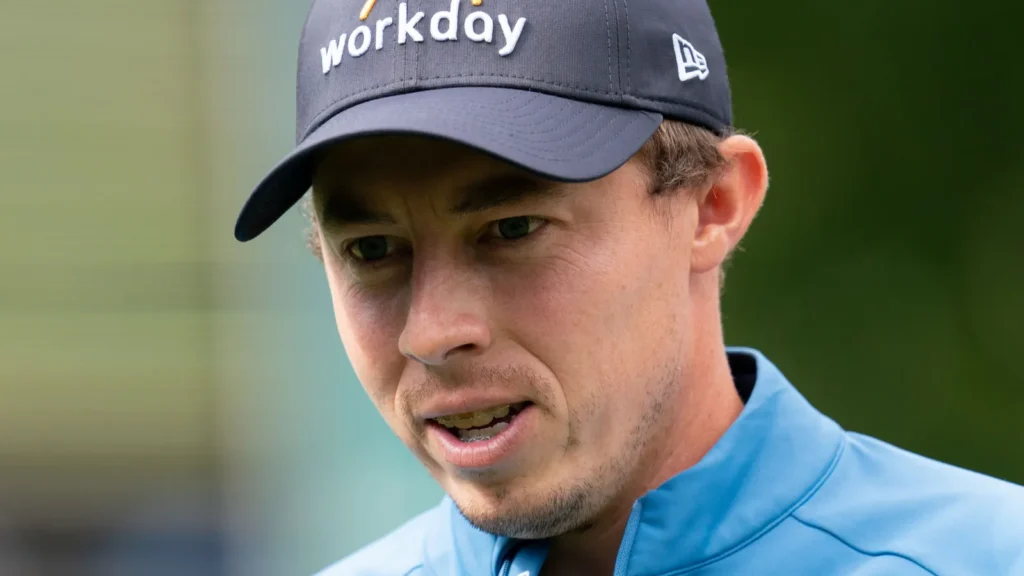
The main story following the final round was not just the trophy presentation but a heated debate regarding speed. Matt Fitzpatrick immediately addressed the pace of play during his most recent tournament appearance.
He chose his words with great care while speaking to the media about the delays on the course. It was clear to observers that he was deeply bothered by the slow movement of others.

Addressing a rules official directly
Matt Fitzpatrick took his concerns beyond the post-game press conference by seeking out a professional authority. He complained directly to a PGA Tour rules official regarding the specific pace of the round.
This move highlighted his commitment to maintaining the integrity and flow of professional competition for all athletes. He wanted to ensure that the rules regarding time were being strictly and fairly enforced.
Losing the competitive rhythm
The biggest issue for the champion was how the constant delays impacted his personal mental state while playing. Matt Fitzpatrick explained that his natural rhythm was repeatedly thrown off by the stop/start nature.
When a player is in contention for a title, every second of focus counts toward their success. He felt that the lack of readiness from others created an incredibly frustrating environment on Sunday.

Describing the stop and start nature
Matt Fitzpatrick described the final day as a series of interruptions that prevented him from playing at his best pace. He noted that the atmosphere in the course felt particularly slow on Sunday.
Being ready for a golf shot is a fundamental part of the professional game for every competitor. He believed that these constant pauses were detrimental to those who were playing well themselves.

Contrasting performances in the final pairing
The pairing of Matt Fitzpatrick and Adrien Dumont de Chassart proved to be a tale of 2 very different days. While the eventual winner was soaring, his playing partner faced significant struggles.
Fitzpatrick managed to fire an impressive 68 to secure the victory despite the difficult circumstances. Meanwhile, the other half of the group faced immense challenges from the very first opening tee shot.

Disaster strikes the opening tee
Adrien Dumont de Chassart faced an immediate setback when his first shot of the day flew out of bounds. This unfortunate error en route to a triple-bogey 8 set a difficult tone.
The errors continued to mount as the round progressed, leading to a very long day for the group. Such a rough start often leads to longer decision times for a struggling player.
Second triple bogey triggers a complaint
The tension reached a boiling point at the par-5 11th hole, where another major error occurred. Adrien Dumont de Chassart recorded a second triple-bogey 8 during this specific part of the back nine.
This was the exact moment that Matt Fitzpatrick decided to voice his frustration about the time being taken. The cumulative effect of these mistakes led to a significant slowdown in the group.
Ongoing debate over speed in golf
Pace of play has remained a constant and controversial topic of discussion within the professional golf community. Many believe that slow play is a major hurdle for the growth of the sport.
The PGA Tour has faced increasing pressure from fans and players alike to address these persistent timing issues. Every year, new ideas are proposed to keep the game moving for the audience.

Increased measures for the 2026 season
Specifically for the 2026 season, the PGA Tour has implemented new measures to speed up every round of every tournament. These changes were designed to hold players accountable for how long they take for shots.
The goal is to ensure that the broadcast remains engaging and that the players remain focused. These updated policies represent a serious attempt to fix a long-term problem in professional golf.
Fun fact: Matt Fitzpatrick is famously obsessed with data, having logged every single shot he has hit in competition since he was 15 years old. This level of meticulous tracking makes him the ultimate “human spreadsheet” of professional golf.

Strict limits in the player handbook
According to the 2026 PGA Tour player handbook, specific time limits are now strictly enforced for every athlete. A player is generally permitted 40 seconds to play a single golf shot.
There are only a few exceptions that allow for a slight increase to 50 seconds in certain situations. These rules provide a clear framework for what is expected during a professional competition.

Defining excessive shot times
The handbook also defines exactly what constitutes an excessive shot time during a sanctioned tour event. A player exceeds the limit if they take 120 seconds as the first person in a group.
Subsequent players in the same group are allowed 100 seconds to complete their specific stroke. Falling behind these markers can lead to significant consequences for any player, regardless of their rank.
While his physical health is holding up, the competitive rust has proven difficult to shake for Justin Thomas. Explore the specific mental hurdles he is overcoming and the details of his “humiliating” return.

Severe penalties for timing violations
Excessive stroke times can lead to heavy fines or even stroke penalties on the official leaderboard. If a group is put on the clock, cumulative violations can result in up to a 4-stroke penalty.
In the most extreme cases, a player can even be completely disqualified from the tournament. These high stakes ensure that everyone understands the importance of maintaining a brisk and fair pace.
These bold expectations confirm that Tiger Woods still aims for greatness at Augusta National. To explore his specific goals for the 2026 Masters and his plan for professional contention, dive into our full breakdown of the press conference.
Do you think a 4-stroke penalty is a fair deterrent for slow play, or are the 2026 PGA Tour rules too harsh? Share your thoughts on Matt Fitzpatrick’s comments and your pace of play solutions in the comments below.
This slideshow was made with AI assistance and human editing.
Read More From This Brand: