

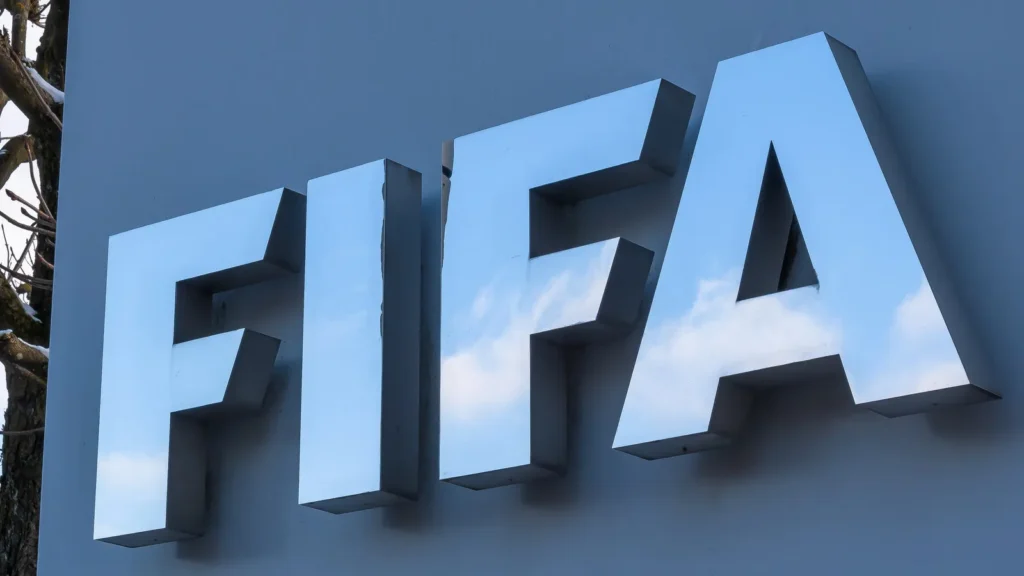
FIFA quietly sanctioned two U.S. Soccer officials following the USMNT’s World Cup exit, adding another layer of controversy after a tournament already marked by debate over disciplinary decisions.
FIFA’s handling of the situation has sparked discussion across the soccer world, with critics questioning both the timing and the lack of public explanation. While the on-field results ended the United States’ campaign, the conversation has continued well after the final whistle.
FIFA’s latest disciplinary move drew attention
FIFA suspended 2 members of the U.S. Soccer staff from the team’s round-of-16 match against Belgium. The sanctions were disclosed before the United States was eliminated in a 4-1 defeat.
The staff members were USMNT team manager Sam Zapatka and U.S. Soccer vice president of security Frank Pannell. FIFA did not publicly explain the reason for the suspensions, while U.S. Soccer said the matter was unrelated to the decision involving Folarin Balogun’s automatic 1-match ban.
The lack of a detailed explanation shifted attention toward the transparency of FIFA’s disciplinary process.

The Balogun decision had already become a major talking point
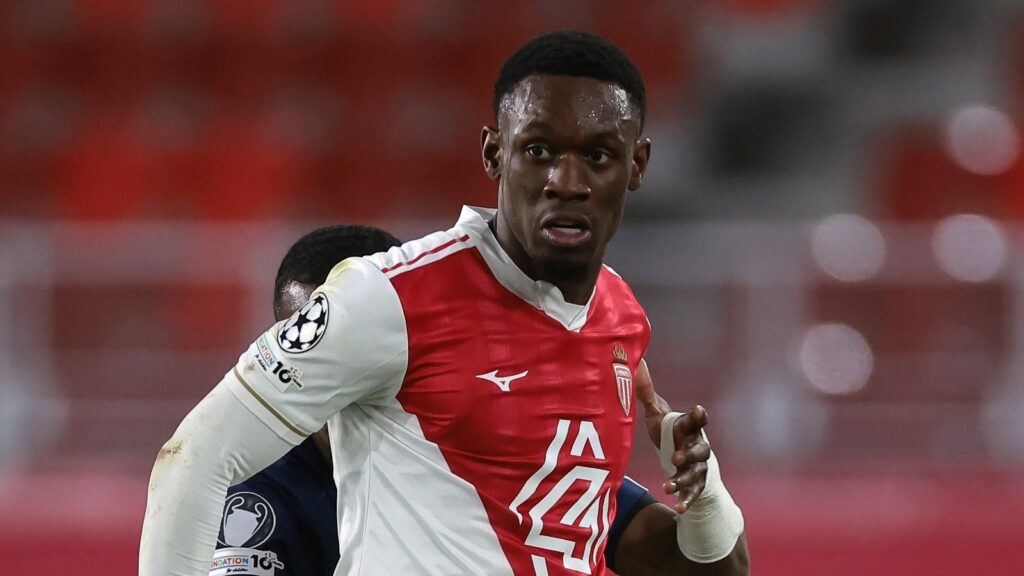
Before the United States exited the tournament, FIFA had already faced criticism over its handling of Folarin Balogun’s disciplinary case. Balogun received an automatic 1-match suspension after being sent off against Bosnia and Herzegovina, but FIFA placed the ban on probation for 1 year, allowing him to face Belgium.
That ruling quickly became one of the tournament’s biggest off-field stories. Rather than calming tensions, the reversal prompted debate over whether FIFA had consistently applied its disciplinary standards.
The discussion extended beyond the United States. Coaches, former players, and analysts from several countries questioned the decision-making process and whether similar cases had received equal treatment.
Prominent soccer voices questioned FIFA’s approach
Belgium head coach Rudi Garcia became one of the strongest critics before his team’s match. Speaking to reporters, Garcia sarcastically compared FIFA’s decision to an April Fools’ joke while arguing that football’s integrity should remain the priority.
He also praised the Belgian federation’s public response, saying it was defending the integrity and ethics of the sport rather than simply protecting its national team. His comments quickly spread throughout international soccer media.
Former Manchester United and England star Wayne Rooney also criticized FIFA’s handling of the Balogun situation. Rooney questioned the consistency of the disciplinary process, echoing concerns that many fans had already raised online.
Interesting fact: FIFA’s disciplinary committees operate separately from match officials, meaning decisions on suspensions can still be reviewed even after a game has ended.
The quiet suspensions created even more questions
Once reports emerged that Zapatka and Pannell had been suspended, attention shifted again. Because neither FIFA nor U.S. Soccer provided detailed public explanations, observers were left trying to understand why the sanctions were issued.
U.S. Soccer said the suspensions were unrelated to FIFA’s decision to place Balogun’s automatic 1-match ban on probation. That clarification ruled out a direct connection but did not explain why the 2 staff members were barred from the Belgium match.
Sam Zapatka has worked with U.S. Soccer since 2015 and became the USMNT’s administrative manager in 2020. His long tenure made the announcement particularly surprising, given his established role within the national team setup.
Why the lack of details has become part of the story
One reason the disciplinary action has continued generating discussion is the absence of a detailed public explanation. FIFA confirmed the sanctions, while U.S. Soccer stated only that they were unrelated to Folarin Balogun’s successful appeal. Without additional context, attention quickly shifted from the punishment itself to the limited information surrounding it.
That doesn’t mean conclusions can be drawn about the reasons behind the suspensions. Instead, the situation highlights how transparency has become an important expectation during major international tournaments. Fans, media members, and national federations often look for clear explanations so disciplinary decisions are understood rather than becoming ongoing talking points after the competition ends.
Why transparency matters in global tournaments
Disciplinary decisions at major tournaments can directly affect team personnel and competitive conditions. Clear explanations help players, teams, and the public understand how the relevant rules were applied.
In this case, the confirmed information remains limited. FIFA suspended 2 U.S. Soccer staff members from the Belgium match, and U.S. Soccer said the sanctions were unrelated to the disciplinary decision involving Balogun. Neither organization publicly disclosed the reason for the staff suspensions.
The focus now shifts beyond one tournament
For the United States, attention will gradually move toward preparing for future international competitions. The World Cup exit has already prompted discussions about performances, player development, and long-term planning for the national program.
Off the field, however, FIFA’s disciplinary process has become part of the tournament’s lasting story. The criticism from respected figures such as Garcia and Rooney ensured that conversations extended well beyond a single match or a single appeal.
Fun fact: FIFA oversees disciplinary matters for 211 member associations, making consistency across international competitions one of its biggest ongoing challenges.
TL;DR
- FIFA suspended U.S. Soccer officials Sam Zapatka and Frank Pannell after the USMNT’s World Cup exit.
- U.S. Soccer said the suspensions were not connected to Folarin Balogun’s successful red-card appeal.
- FIFA’s handling of Balogun’s disciplinary case had already drawn widespread criticism.
- Belgium coach Rudi Garcia and England legend Wayne Rooney publicly questioned FIFA’s approach.
- Limited public explanations have fueled continued discussion about transparency and consistency in FIFA’s disciplinary process.
If you liked this story, don’t forget to follow us for more exclusive content.
This article was made with AI assistance and human editing.
If you liked this, you might also like: