
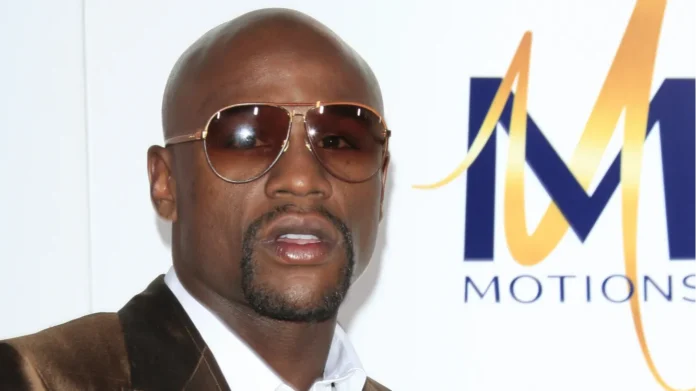

Floyd Mayweather protects financial records
Floyd Mayweather Jr. won a July 24, 2026, federal discovery ruling that kept broad financial records from early disclosure. Judge Vernon S. Broderick found that CSI had not justified sweeping insolvency-related requests at that stage.
The Southern District of New York denied requests involving bank statements, ownership interests, legal fee payments, and tax liens. The court allowed narrower production concerning planned events, bout terms, logistics, and formal negotiations.

CSI files its contract lawsuit
CSI Entertainment filed its federal lawsuit on June 18, 2026, accusing Mayweather and First Apex Ventures of breach of contract and unjust enrichment. CSI also sought court orders restricting certain future boxing appearances.
Court records show the dispute involves agreements signed in 2025 and 2026 regarding proposed events featuring Mike Tyson and Manny Pacquiao. CSI claimed those agreements created promotional, payment, and exclusivity obligations.

CSI claims exclusive event rights
CSI argued that Mayweather agreed not to enter another professional or exhibition event before the Tyson appearance without written approval. Mayweather disputed CSI’s interpretation and questioned whether the proposed headline events were firmly scheduled.
The July rulings did not decide whether either side breached the contracts. Judge Broderick addressed temporary relief and limited discovery while leaving the underlying contract claims for later federal court proceedings.
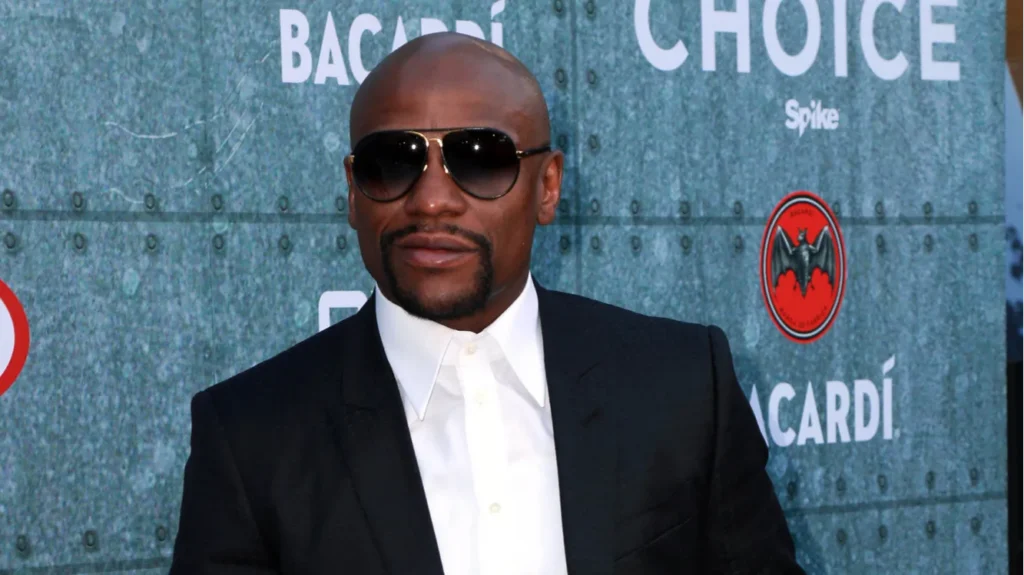
Zambidis event triggers the dispute
CSI sought to stop a June 27, 2026, exhibition between Mayweather and Mike Zambidis in Athens, Greece. The event was called off before the court ruled on CSI’s request for temporary restrictions.
Judge Broderick denied the request on July 2 because CSI had not shown irreparable harm. The court found that the company’s claimed losses appeared economic and potentially recoverable through monetary damages.
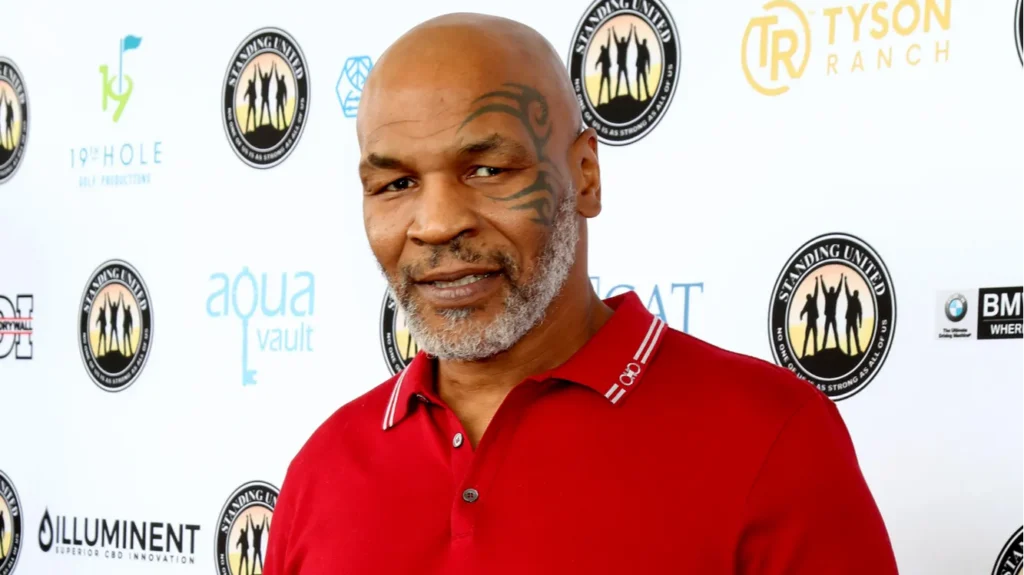
CSI says its events would lose value
CSI argued that proposed events involving Tyson and Pacquiao would lose value if Mayweather appeared elsewhere first. The company also claimed another appearance could damage its reputation and reduce the appeal of planned broadcasts.
Judge Broderick found those asserted injuries too speculative for temporary relief. The opinion noted that CSI had operated for more than 20 years, weakening its claim that one disputed event threatened lasting reputational harm.

Insolvency claim lacks firm proof
CSI claimed Mayweather was functionally bankrupt and might be unable to satisfy a future judgment. The company used that theory to seek records involving accounts, assets, controlled entities, legal fee payments, and tax liens.
Judge Broderick denied those requests because CSI raised the insolvency argument late and lacked concrete supporting evidence. The order also noted that Mayweather was not in bankruptcy, receivership, or another formal insolvency proceeding.
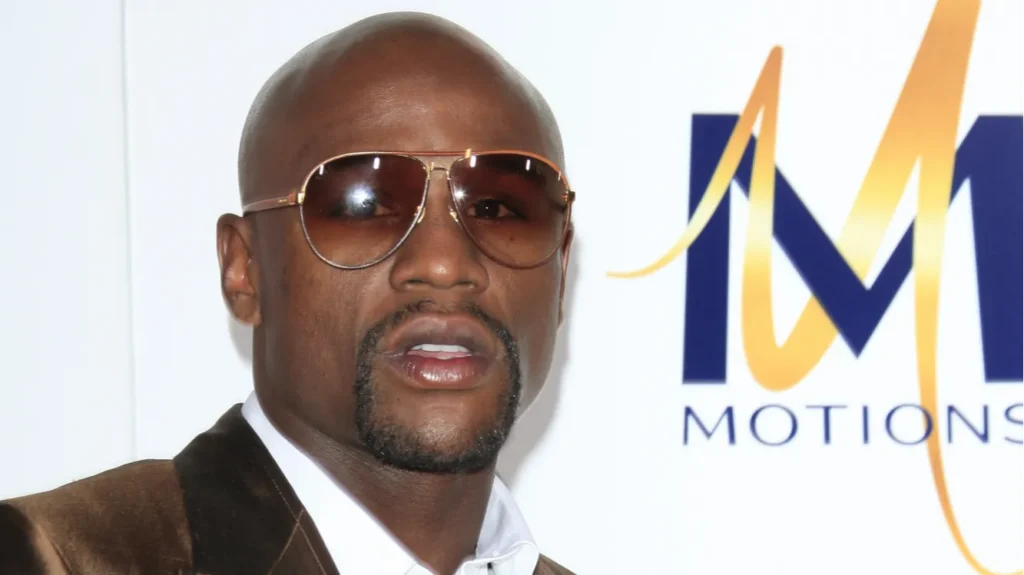
Espinoza disputes financial concerns
Walter Jordan submitted a sworn declaration stating that there was no basis to conclude Mayweather faced insolvency or could not satisfy a monetary judgment. The court described Jordan as Mayweather’s current manager.
Judge Broderick denied CSI’s requests for materials aimed at testing Stephen Espinoza’s credibility. The order found those requests unnecessary for deciding irreparable harm and said credibility issues could be examined later during ordinary discovery.

Mayweather challenges CSI’s logic
Mayweather’s lawyers argued that CSI’s position contradicted itself. CSI claimed he might not pay a future judgment while also seeking to block boxing appearances that could produce income available to satisfy any eventual award.
The defense also argued that CSI’s alleged injury was financial and measurable. Judge Broderick agreed that the claimed losses appeared to be economic, meaning that monetary damages could provide an adequate remedy if CSI later prevailed.

Narrow event records must be shared
The July 24 order did not protect every requested document. Judge Broderick required Mayweather to produce contracts and related records sufficient to describe the proposed Zambidis event’s rules, structure, terms, and logistics.
The required production covered details such as the number of rounds, glove size, and kicking limits. Those records may help determine whether the planned appearance fell within restrictions contained in the disputed agreements.

Other negotiations face disclosure
Judge Broderick also ordered records concerning scheduled events or formal negotiations with opponents other than Tyson and Pacquiao. The covered documents must be from June 9, 2026, through the July 24 order and relate to fights or potential fights scheduled between July 24, 2026, and January 31, 2027.
The production includes contracts, term sheets, and communications in Mayweather’s possession, custody, or control. It applies only to scheduled events or formal negotiations for appearances planned during the period defined by the court.

Tyson date remains unconfirmed
CSI told the court it intended to stage a Tyson exhibition on September 26, 2026, at American Airlines Center in Dallas if Mayweather agreed. The date and venue remained proposed rather than confirmed.
Earlier planning connected the Tyson appearance to the Democratic Republic of the Congo. CSI’s lawsuit said Tyson sustained a hand injury, affecting a previously targeted May 30, 2026, deadline for the event.

Millions remain central to dispute
CSI alleged that it paid Mayweather $4.65 million in advances connected to proposed Tyson and Pacquiao events. The amount remains an allegation in the contract lawsuit and was not established as a judicial finding.
Separate reporting has placed Mayweather’s career earnings near $1.2 billion. That estimate does not establish current liquidity, and Judge Broderick declined to treat CSI’s financial concerns as proof of actual or imminent insolvency.
The arrests deepened concerns surrounding the alleged plot targeting President Donald Trump’s UFC event. Dive into how investigators identified additional suspects and what authorities say the group planned.
Privacy victory does not end case
Mayweather holds a 50-0 professional record and captured major titles across five weight classes. His final professional contest occurred in 2017, followed by several exhibition appearances after he left sanctioned competition.
His most recent completed exhibition took place against John Gotti III in Mexico City on August 24, 2024. The CSI case remained active after the July 24 discovery order, with broader financial production denied for now.
Conor McGregor’s tense exchange with Max Holloway added another layer to UFC 329’s growing rivalry. Explore what triggered the glasses grab and why their face-off quickly drew attention.
Should courts protect financial privacy when insolvency claims lack firm evidence, or should broader disclosure apply in major contract disputes? Share your thoughts in the comments below!
This slideshow was made with AI assistance and human editing.
Read More From This Brand: