





The 2026 FIFA World Cup wrapped up with unforgettable soccer, dramatic finishes, and a brand-new champion crowned in style. Yet not every major figure walked away with praise from the tournament’s toughest critics.
ESPN’s Mark Ogden published detailed final grades covering national teams, head coaches, and standout players across the entire event. Most names received respectable marks, but one controversial figure landed at the very bottom instead.
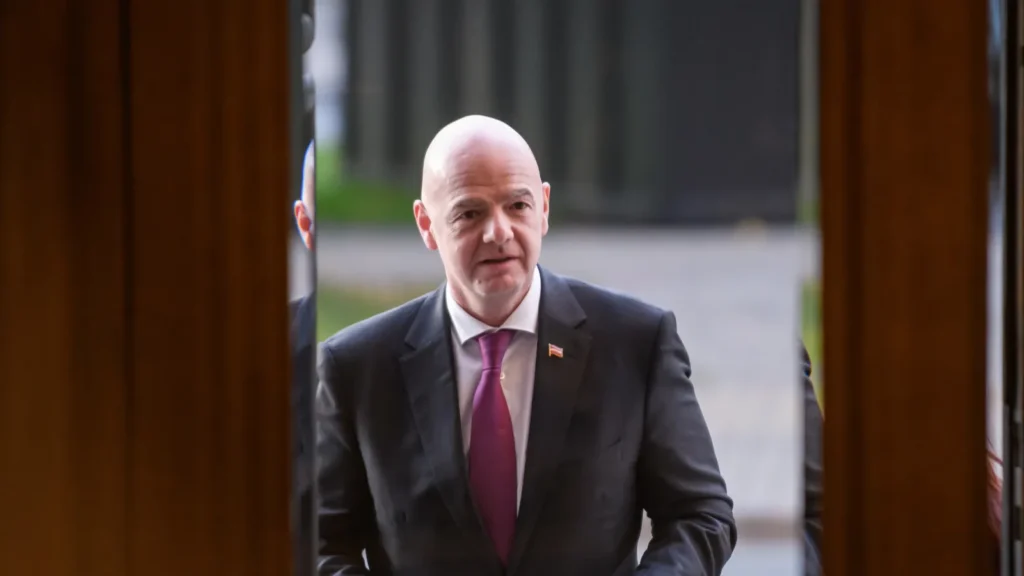
FIFA president Gianni Infantino received a rare and harsh failing grade, joining just one other person on Ogden’s overall harshest list. His hydration breaks, halftime show, and constant spotlight-seeking drew sharp, pointed criticism throughout.
ESPN’s report card turns brutal
Ogden’s grading feature ran shortly after Spain lifted the trophy in a dramatic, emotional fashion. It broke down performances across the entire tournament, praising winners while calling out disappointments from the sport’s biggest global stage.
The format followed a simple letter grade system, similar to a traditional school report card. Categories ranged from thrilling breakout stars to underwhelming favorites, giving readers a fun, digestible recap of six action-packed weeks.
Spain topped the entire list after their dominant run through the knockout stages toward a final win. Infantino, meanwhile, sat at the opposite end, proof that administrative missteps can overshadow even the sport’s greatest moments.

Hydration breaks draw sharp criticism
Hydration breaks quickly became one of the most debated additions to this entire World Cup. Infantino introduced them to protect players during hot afternoon matches, but many pundits still felt they slowed the game down.
Critics argued that the breaks disrupted the natural rhythm and gave broadcasters extra advertising time instead of truly helping athletes. Some coaches welcomed the pause, while others called it an unnecessary interruption to the flow of competitive soccer.
Supporters of the change insist player safety should always come first during periods of extreme heat. Still, the debate shows how a small rule tweak can spark a much larger argument about tradition versus progress.
Halftime show sparks fan backlash
The World Cup final featured a massive halftime show packed with global music stars performing for millions of viewers worldwide. Many felt the spectacle overshadowed the sporting achievement on the field.
Soccer purists argued the tournament should center entirely on the players and the competition itself, nothing more. Adding a concert-style production, they said, pulled focus away from what fans actually tuned in to watch.
Others enjoyed the added entertainment value and said it helped attract casual viewers who might not normally watch a full match. The clash between tradition and spectacle quickly became a defining storyline of this tournament.
Attention-seeking antics anger critics
Beyond hydration breaks and the halftime show, Ogden accused Infantino of constantly chasing attention throughout the entire competition, suggesting the president treated the World Cup like a personal stage built for his powerful friends.
Photos regularly showed Infantino posing alongside politicians, actors, and retired athletes throughout the matches, and critics said these frequent appearances distracted from the game itself and made the president look more like a celebrity than an official.
This was hardly the first time Infantino faced this kind of criticism. His close ties to political leaders have followed him for years, especially during earlier tournaments held in countries with controversial human rights records.
Fun fact: Infantino carries Swiss, Italian, and Lebanese citizenship, the last gained through his family heritage rather than birth
Infantino’s jet-setting World Cup tour
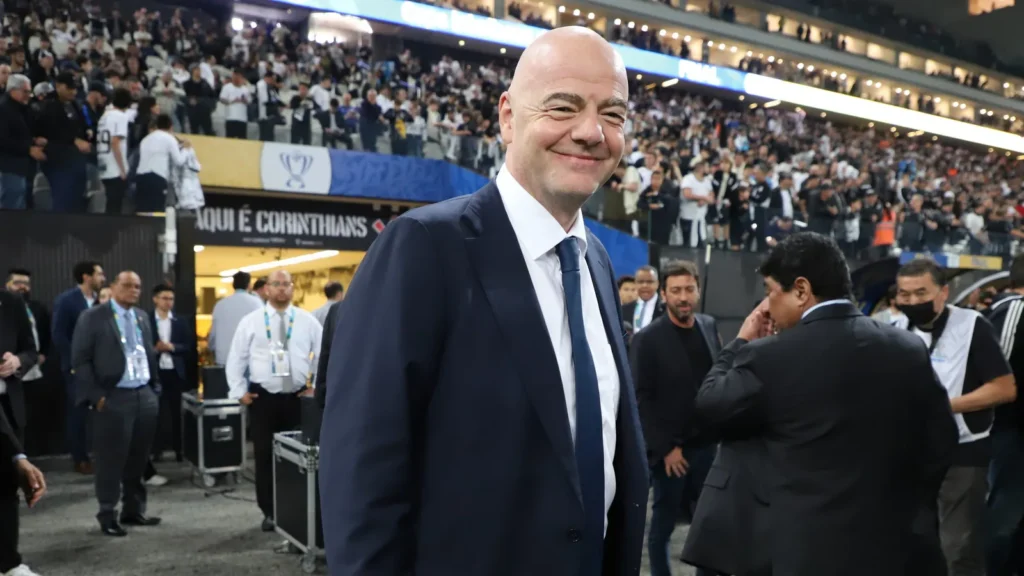
During the 2026 tournament, Infantino logged more than 65,000 miles aboard his private jet chasing matches across three host nations, flying from opening day through the tournament final.
His journey spanned 16 host cities across four time zones in Canada, Mexico, and the United States, and he often attended two full games in a single day to maximize his tournament presence.
Infantino’s original goal was reportedly to attend as many matches as possible using his private jet. He fell short of that ambitious plan but still managed one of the busiest travel schedules in FIFA history.
UEFA reportedly moves to unseat Infantino
Reports indicate UEFA, the powerful European soccer confederation, is quietly working behind the scenes to remove Infantino from office. The effort would end his decade-long run as the most powerful figure in world football.
Infantino has led FIFA since 2016, after taking over during the corruption scandal that ended former president Sepp Blatter’s long career, and his tenure has brought massive revenue growth alongside constant governance-related controversy and public criticism.
European federations have grown increasingly frustrated with what they view as unchecked authority inside FIFA leadership circles, and if UEFA succeeds in its campaign, it would mark one of the biggest shakeups in modern soccer governance.
Little-known fact: Infantino was elected an IOC member in January 2020, giving him direct influence over Olympic sport decisions, too.
Balogun’s suspension sparks controversy
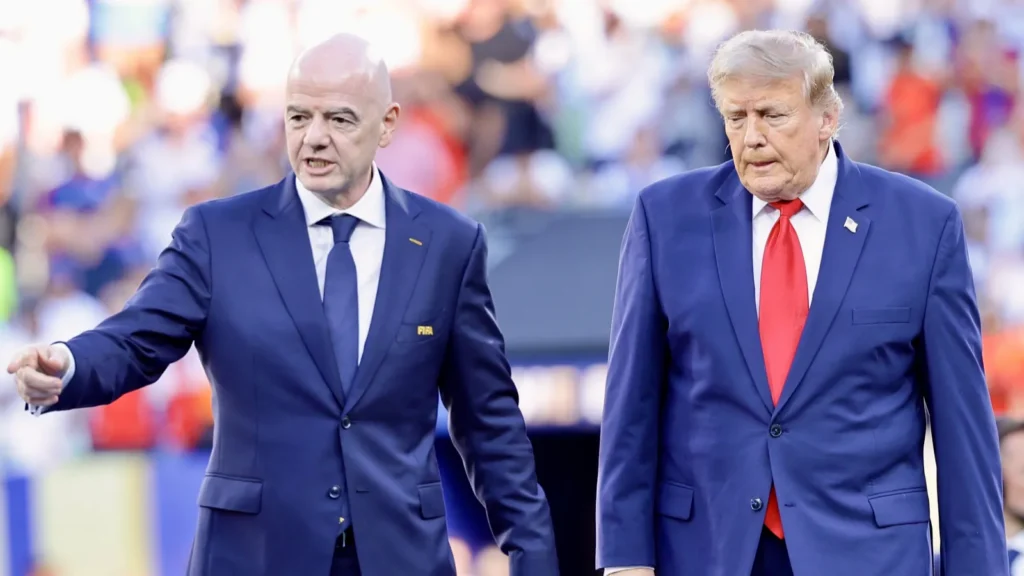
FIFA lifted Folarin Balogun’s red card suspension midway through the tournament following a phone call from President Donald Trump to Infantino. Infantino faced global criticism for appearing to bend FIFA rules under political pressure, and Trump later publicly praised the decision alongside Infantino, calling it one of his many good decisions.
Critics said the moment clearly highlighted how closely Infantino aligned himself with powerful political figures during the entire tournament. Belgium eventually eliminated the United States before the controversy could escalate further into a much larger legal dispute, an outcome that likely spared Infantino from facing even harsher consequences over the decision.
What does a bigger World Cup mean next
The 2026 tournament expanded from 32 teams to 48 teams, roughly a 50% increase, marking the biggest format change since the 32-team format was used from 1998 through 2022.
CONMEBOL president Alejandro Dominguez has said the 2030 World Cup will expand further to 64 teams, about a 33% increase from this year, though it remains a proposal rather than a finalized FIFA decision.
That larger format would require 128 matches, doubling the previous match count used for decades, a full 100% jump. The 2030 tournament also marks the World Cup’s 100th anniversary since its 1930 debut.
TL;DR
- ESPN’s Mark Ogden gave Infantino an F grade for the 2026 World Cup, tying Uruguay coach Marcelo Bielsa.
- Hydration breaks and a star-studded halftime show drew heavy criticism from soccer purists.
- Ogden accused Infantino of chasing attention near celebrities and politicians throughout the tournament.
- Infantino logged more than 65,000 miles across 16 host cities during the tournament.
- UEFA is reportedly working to unseat Infantino and end his decade-long run as president.
If you liked this, don’t forget to follow us for more exclusive content.
This article was made with AI assistance and human editing.
If you liked this, you might also like:


