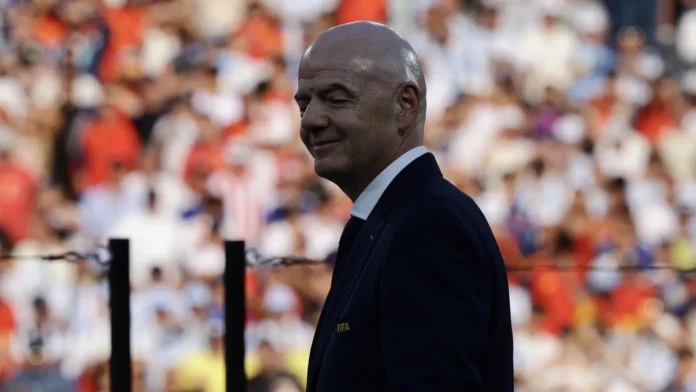
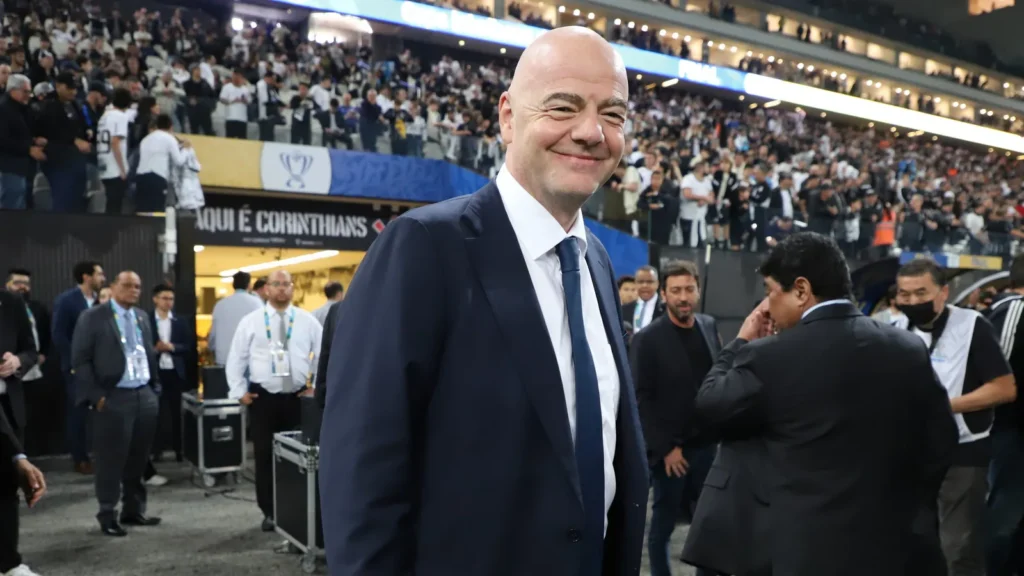
Gianni Infantino faces FIFA scrutiny
FIFA President Gianni Infantino faced renewed scrutiny in October 2026 over a disciplinary decision involving United States forward Folarin Balogun. The controversy followed Balogun’s dismissal during the 2026 FIFA World Cup in California.
President Donald Trump confirmed contacting Infantino about the incident. FIFA subsequently suspended Balogun’s automatic match ban, allowing the American striker to face Belgium in the round of 16 in Seattle on July 6.
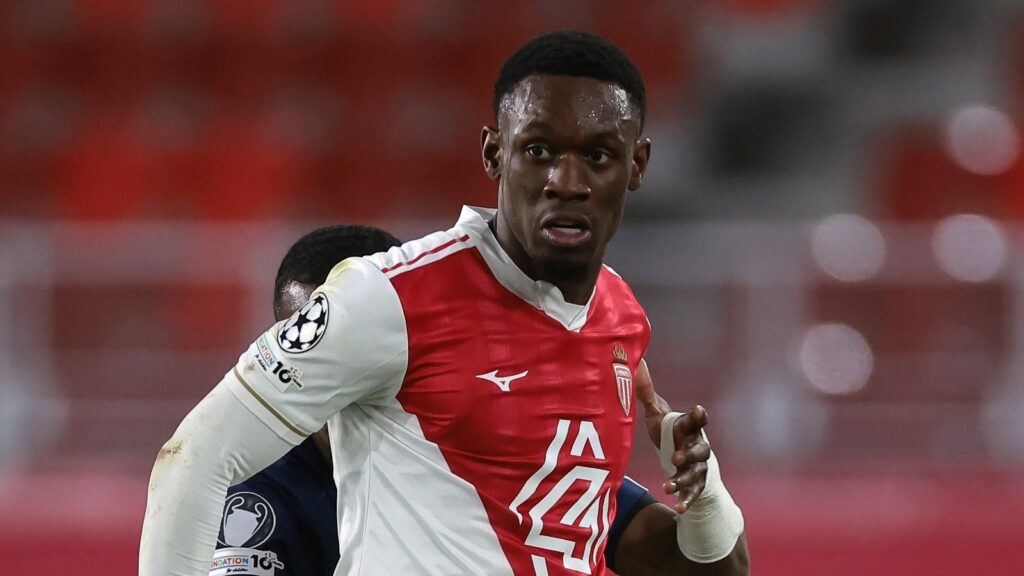
Folarin Balogun was sent off against Bosnia
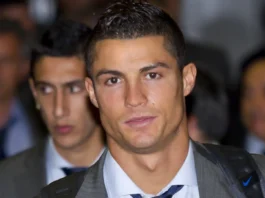
United States forward Folarin Balogun received a red card against Bosnia and Herzegovina on July 1, 2026. Referee Raphael Claus dismissed him after reviewing a challenge involving defender Tarik Muharemović during the match.
The United States won the World Cup round of 32 match by 2 goals to 0. Balogun had scored earlier, but his dismissal normally triggered an automatic suspension for the following knockout match.
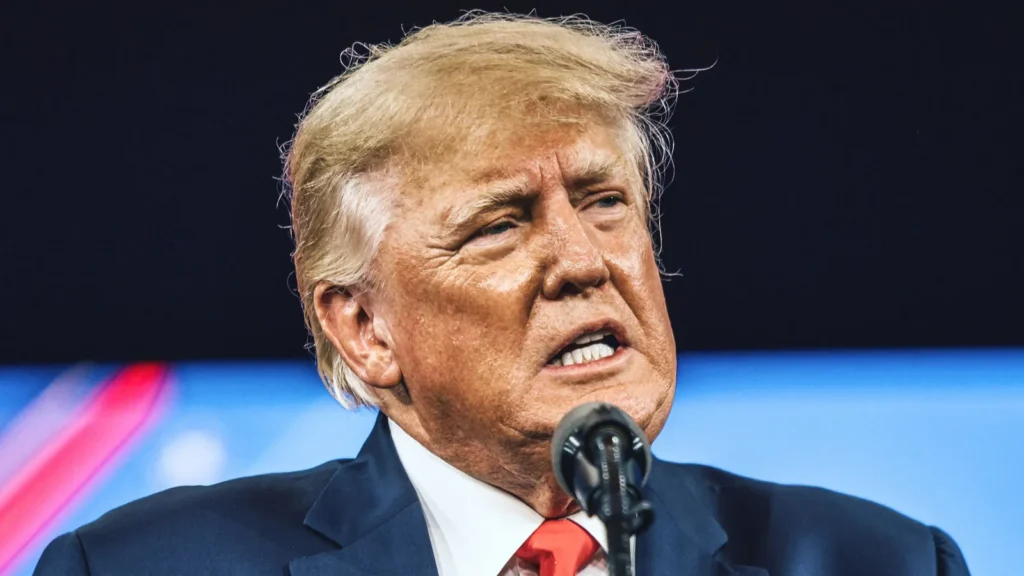
Donald Trump requested a FIFA review
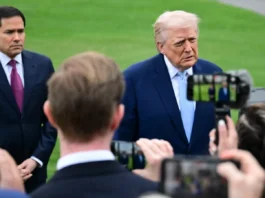
President Donald Trump confirmed on July 6 that he had asked FIFA President Gianni Infantino to review Folarin Balogun’s red card. Trump said he watched the incident and disagreed with the referee’s decision.
Trump argued that the players collided while running and questioned the resulting suspension. He also said he had not instructed Infantino to reach a particular outcome, leaving the formal decision to FIFA’s disciplinary authorities.
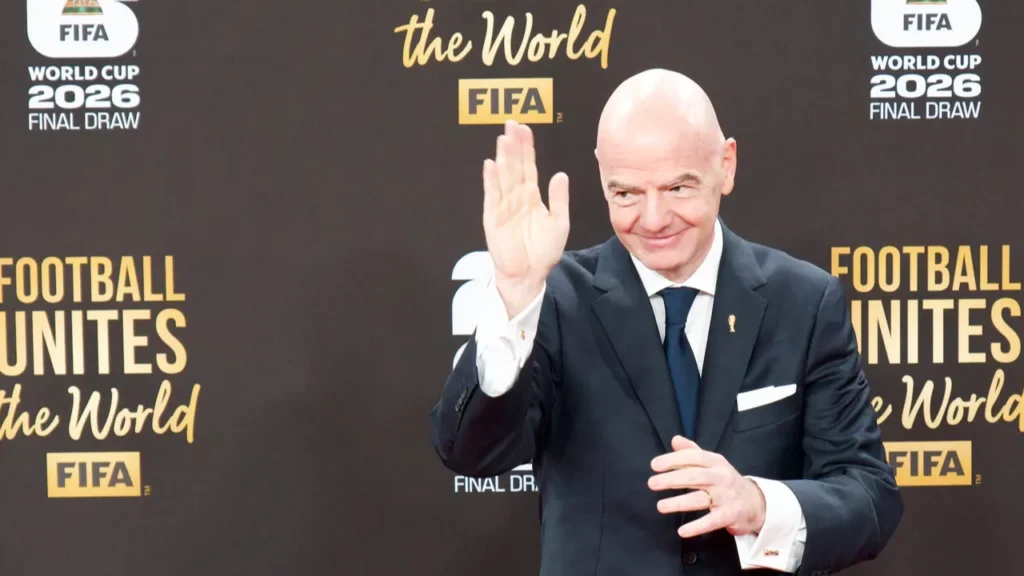
Gianni Infantino defended judicial independence
Gianni Infantino confirmed receiving Donald Trump’s call about Folarin Balogun in a statement issued July 6. The FIFA president said the disciplinary case was already being handled through the organization’s established judicial process.
Infantino maintained that FIFA’s judicial bodies operate independently under its regulations. His explanation placed responsibility for disciplinary decisions with those bodies rather than claiming that he personally determined whether Balogun could play against Belgium.
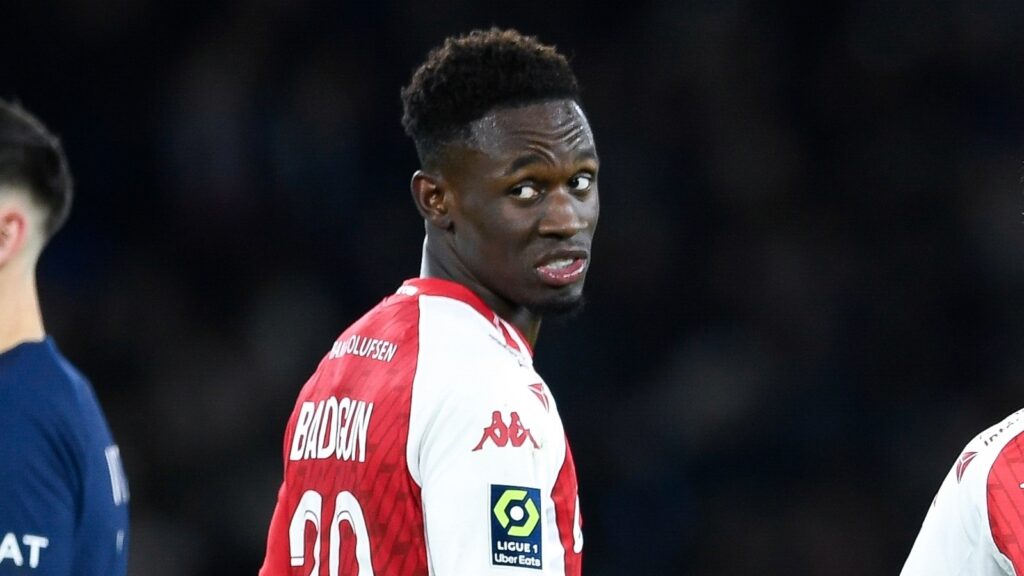
FIFA suspended Balogun’s automatic match ban
FIFA announced on July 5 that Folarin Balogun’s automatic 1-match suspension would not take immediate effect. The disciplinary committee instead suspended implementation of the punishment for a probationary period lasting 1 year under FIFA rules.
The decision allowed Balogun to face Belgium in the World Cup round of 16. His original dismissal remained recorded, and a comparable offense during probation could activate the suspended penalty alongside any additional disciplinary sanctions.
FIFA cited Article 27 for decision
FIFA cited Article 27 of its Disciplinary Code when explaining the decision involving Folarin Balogun. The provision allows disciplinary authorities to suspend implementation of certain sanctions under conditions established by the governing body’s rules.
The decision prompted disagreement over whether that discretion applied to automatic suspensions following red cards. UEFA argued that a mandatory 1-match ban should not be suspended through an exception introduced during an ongoing tournament.
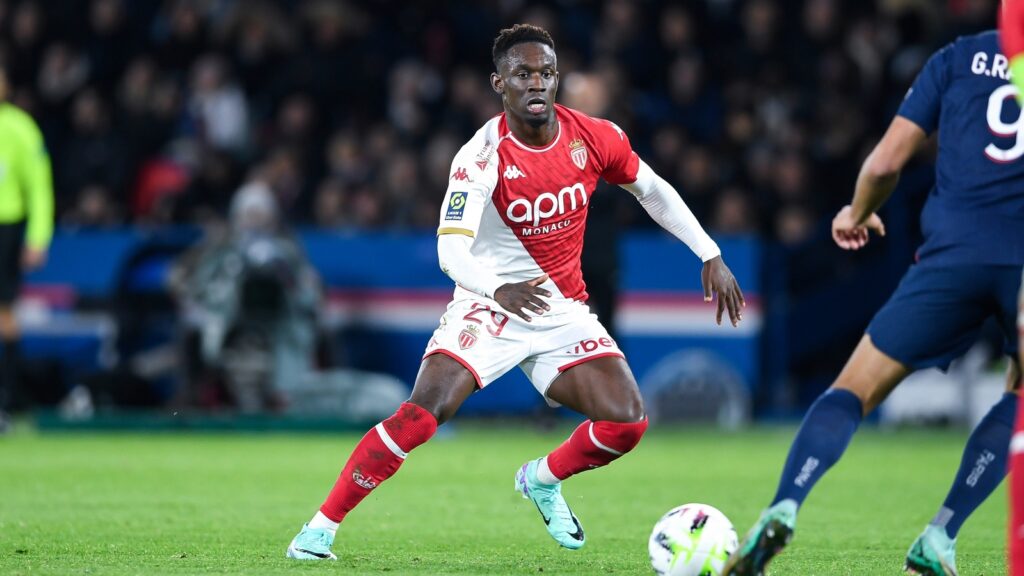
Folarin Balogun received a $40,000 fine
FIFA’s Disciplinary Committee imposed a $40,000 fine on Folarin Balogun following his dismissal against Bosnia and Herzegovina. The proceedings concerned the red card offense and his return to the field to celebrate with teammates after the match despite having been sent off.
U.S. Soccer was declared jointly liable for payment of the fine. FIFA also imposed a 1-match suspension but suspended its implementation for a 1-year probationary period, allowing Balogun to play against Belgium.
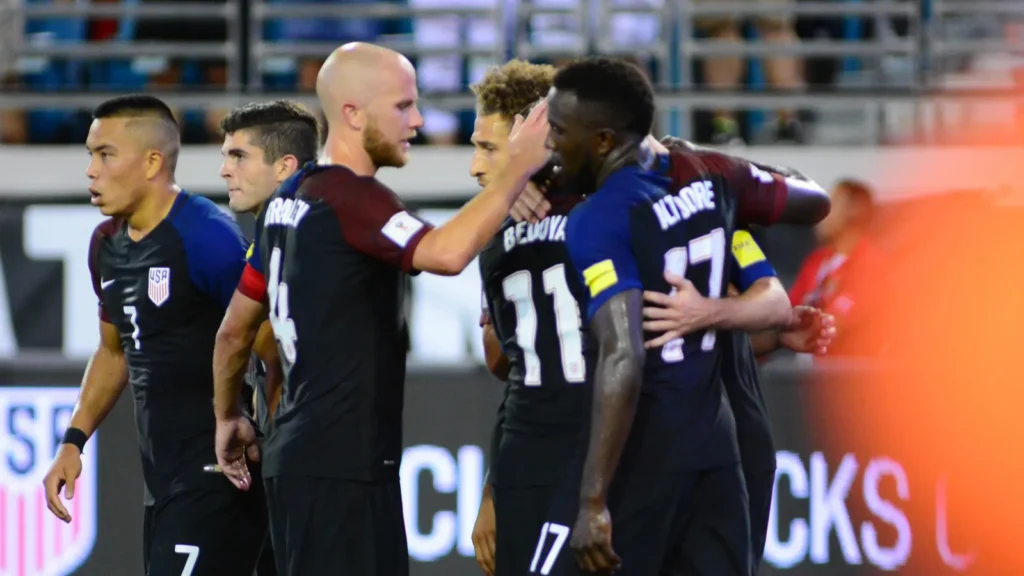
Belgium defeated the United States 4 to 1
Belgium defeated the United States 4 to 1 in the World Cup round of 16 on July 6, 2026. The knockout match took place in Seattle after FIFA restored Folarin Balogun’s eligibility to play.
The defeat ended the United States’ campaign before the quarterfinals. Balogun’s availability had attracted attention because his original red card against Bosnia and Herzegovina would ordinarily have prevented him from appearing against Belgium.
Fun fact: The 2026 FIFA World Cup was the first edition featuring 48 national teams, with matches hosted across 3 countries.
UEFA challenged FIFA’s disciplinary decision
UEFA publicly criticized FIFA’s decision concerning Folarin Balogun on July 6. European soccer’s governing body argued that an automatic suspension following a red card should apply consistently to every team participating in the World Cup.
UEFA described the exception as a threat to transparent and fair competition. Its statement focused on FIFA’s application of disciplinary regulations, rather than attempting to reverse the referee’s original decision during the Bosnia match.
Belgium federation challenged FIFA’s handling
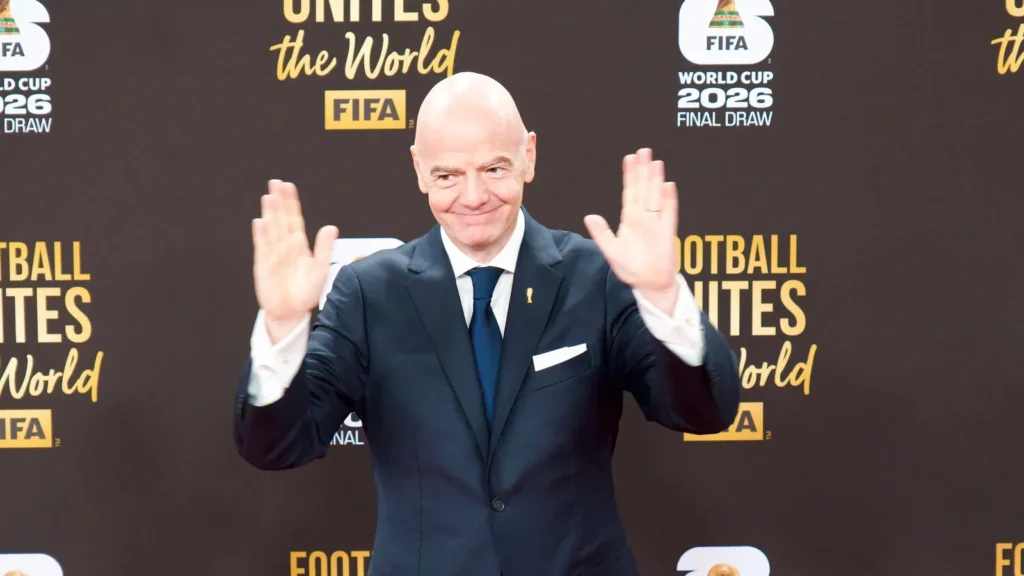
The Royal Belgian Football Association challenged FIFA’s handling of Folarin Balogun’s suspension before the July 6 match. FIFA’s Appeal Committee rejected Belgium’s request because the federation lacked standing to appeal the disciplinary decision.
In September, Belgium’s federation announced that it could not support Gianni Infantino’s reelection campaign. Its concerns included the Balogun case and FIFA Forward Enterprise, a separate proposal involving the organization’s commercial operations and financing.
European lawmakers requested an ethics inquiry
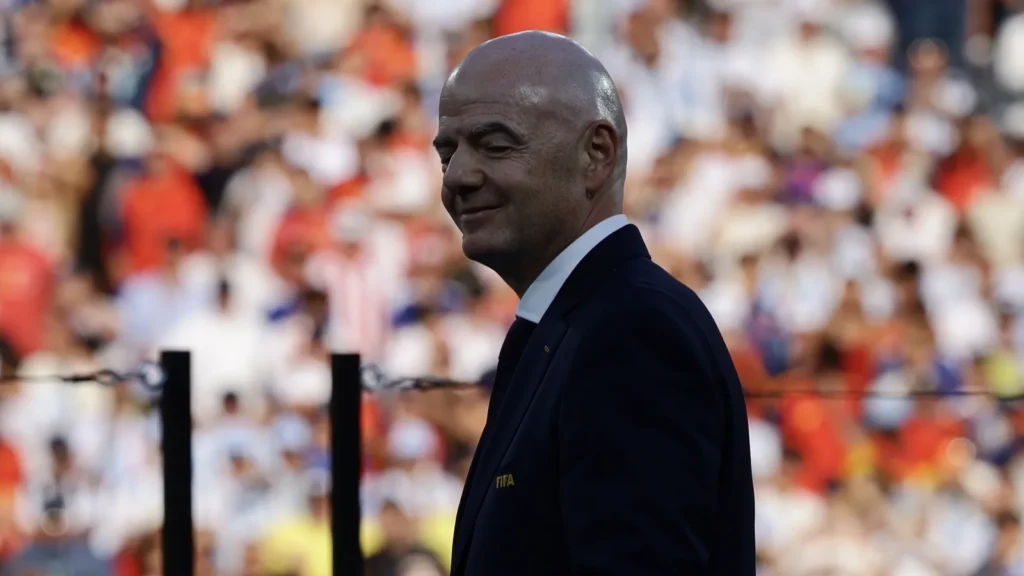
A group of 72 members of the European Parliament called for an ethics investigation into Gianni Infantino in July 2026. Their concerns included Donald Trump’s contact with FIFA over Folarin Balogun’s World Cup suspension.
The lawmakers sought scrutiny of possible political influence and whether FIFA applied its rules consistently. Their request did not establish that Infantino personally directed the disciplinary decision or that an ethics violation had been proven.
FIFA Council considers suspension rule changes
Reuters reported on October 14 that FIFA’s 37-member Council was expected to consider changing regulations governing automatic suspensions after red cards. The proposal followed international criticism of the decision involving Folarin Balogun.
The proposed change would prevent disciplinary officials from suspending automatic 1-match bans in comparable future cases. Reports ahead of the October 15 meeting described the measure as planned rather than an already adopted amendment.
Wondering who could eventually replace Gianni Infantino as FIFA president? Explore possible successors to Gianni Infantino as FIFA president and the names being discussed for the role.
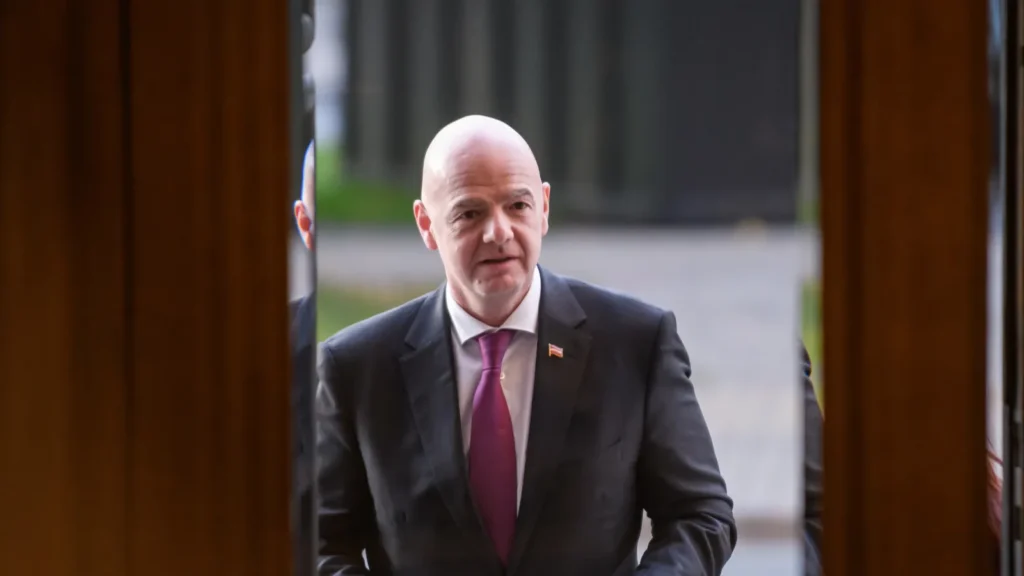
Gianni Infantino faces transparency demands
FIFA President Gianni Infantino faced demands in October 2026 to disclose records regarding the disciplinary decision involving Folarin Balogun. FIFA Vice President Debbie Hewitt was among officials seeking greater transparency about the committee’s handling of the case.
Infantino maintained that FIFA’s judicial bodies acted independently. The dispute continued over whether the governing body’s rules were applied consistently and whether the documents surrounding the decision would provide a fuller account of the process.
Scrutiny of FIFA’s governance has raised further questions about its leadership. Explore why Gianni Infantino faced significant challenges within FIFA.
Do you think FIFA handled Folarin Balogun’s red card suspension fairly? Share your thoughts in the comments below.
This slideshow was made with AI assistance and human editing.
Read More From This Brand: