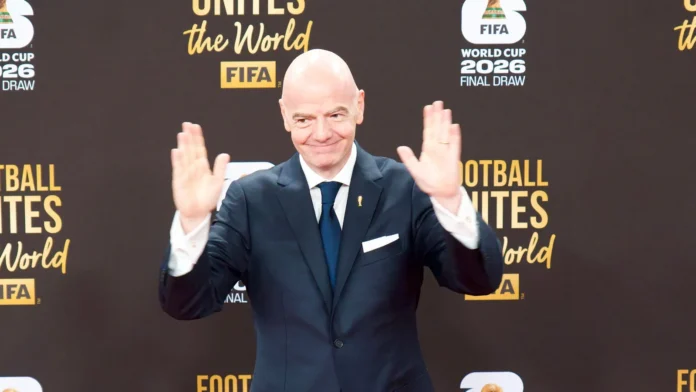
Gianni Infantino is under growing pressure after renewed scrutiny of his political relationships collided with broader concerns about FIFA’s leadership and governance. What began as criticism over his public ties to political figures has expanded into questions about transparency, decision-making, and the future direction of world soccer’s governing body.
Recent events have intensified the conversation among national federations, executives, and fans alike. While Infantino continues to retain support in several regions, opposition has become increasingly organized.
Why have Infantino’s political ties become a major talking point?
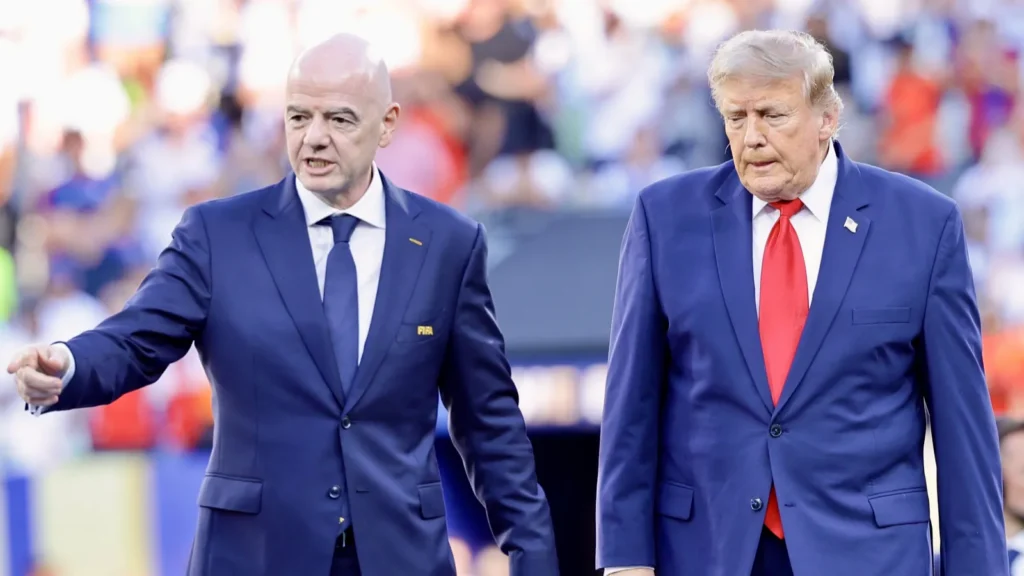
The latest debate surrounding Infantino centers on his close public relationship with U.S. President Donald Trump. Their appearances together during the 2026 FIFA World Cup and several earlier public statements have prompted renewed discussion about whether FIFA’s president has maintained the political neutrality expected of the role.
Those concerns are no longer limited to public opinion. Ethics complaints filed by the nonprofit organization FairSquare argue that Infantino’s public endorsements and interactions crossed FIFA’s neutrality standards and should be formally reviewed. FIFA has not announced disciplinary action, and Infantino has not been found to have violated any ethics rules.
Leadership concerns now extend beyond politics
The political discussion is only one part of the larger picture. Much of the recent pressure actually stems from FIFA’s abandoned proposal to create FIFA Forward Enterprise, a plan that would have involved outside investment in future World Cup commercial rights.
The proposal triggered strong opposition across global soccer. UEFA accused FIFA of poor governance and a lack of transparency during the process, while several member associations questioned how such a significant proposal could advance without broader consultation. After widespread backlash, FIFA dropped the plan, but criticism of the leadership process has continued.
Interesting Fact: Gianni Infantino became FIFA president in 2016 after the organization underwent sweeping reforms following the corruption scandals that reshaped world soccer’s leadership.
More federations withdraw support for Infantino
In mid-July, Infantino appeared headed toward another comfortable re-election after more than 200 of FIFA’s 211 member associations reportedly submitted letters supporting his candidacy. Those endorsements did not guarantee how the associations would ultimately vote, and several have since withdrawn their backing.
Wales became the first national federation to formally withdraw its support following the FIFA Forward Enterprise controversy. Serbia and Sweden followed, and England and Albania had also officially withdrawn their support by August 6. Croatia joined the group on August 7.
The withdrawals have significantly altered a race that had appeared a formality only weeks earlier. However, no clear challenger to Infantino had emerged as of August 7.
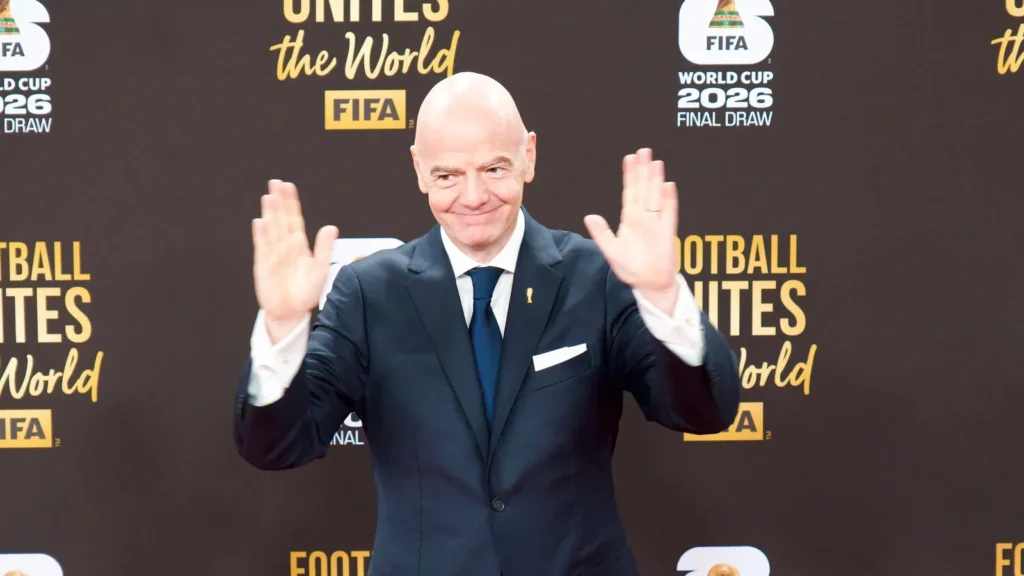
UEFA has become a leading voice of opposition
UEFA has taken one of the strongest public positions against Infantino’s current leadership. After FIFA abandoned the private-investment proposal, UEFA said it had lost confidence in his presidency and demanded stronger guarantees that similar initiatives would not be pursued again without proper consultation.
UEFA also issued a document-preservation order related to the controversy. Reports have raised the possibility of legal action, but UEFA had not publicly confirmed that it would pursue a lawsuit as of August 7. The confederation also maintained its threat to boycott FIFA competitions as long as the governance dispute remained unresolved.
FIFA’s election structure makes building a global coalition essential. Each eligible member association has equal voting weight in a presidential election, meaning a small football nation’s vote counts the same as that of a traditional powerhouse.
Interesting fact: Every FIFA member association receives one vote during presidential elections, regardless of the country’s size or soccer success. That means smaller football nations carry the same voting power as traditional giants.
Infantino retains significant support outside Europe
Infantino continues to receive substantial backing despite the revolt against his leadership. On August 6, the Confederation of African Football unanimously backed him, giving Infantino the support of a bloc representing 54 of FIFA’s 211 member associations.
Support outside Africa is more mixed. Mexico and Argentina publicly backed Infantino on August 7. Paraguay also reaffirmed its support, and Asian associations, including Qatar, Indonesia, and the Philippines, have supported him. However, the Asian Football Confederation itself has raised concerns about consultation, while CONMEBOL has criticized repeated unilateral decision-making.
FIFA Forward remains important to many associations. Under the 2023-26 cycle, each member association can receive up to $8 million in development support for operational costs, projects, and, where eligible, travel and equipment. That financial structure helps explain why relationships between FIFA leadership and smaller associations remain an important factor in presidential politics.
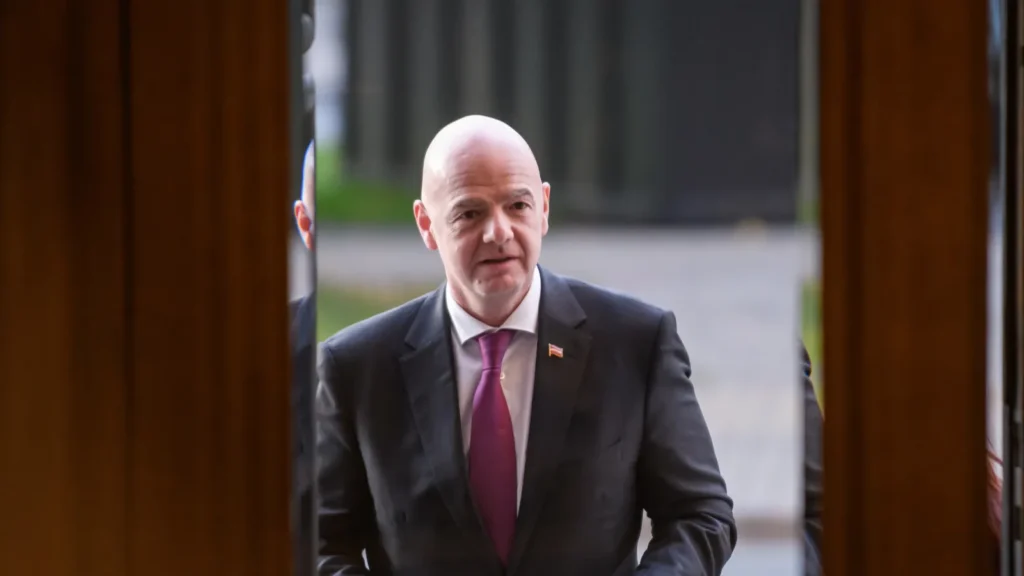
FIFA heads toward a contested political period before the 2027 election
The next FIFA presidential election will take place at the 77th FIFA Congress in Rabat, Morocco, on March 18, 2027. Infantino has announced that he will seek another term, and no clear challenger has emerged as of August 7.
His position remains complicated. Several European federations have withdrawn their endorsements, UEFA has said it has lost confidence in his presidency, and Norway’s federation president has called for his resignation. At the same time, CAF has unanimously backed him, and several associations in other regions have publicly reaffirmed their support.
Governance, transparency, consultation, and political independence are therefore likely to remain central issues before the election.
Interesting fact: FIFA includes 211 member associations, making it larger than the United Nations, which has 193 member states.
Why this story continues to attract attention
The conversation surrounding Infantino is no longer just about one political relationship or one abandoned commercial proposal. It reflects broader questions about how global sports organizations should balance commercial ambitions, political visibility, and institutional independence.
For soccer fans, administrators, and national federations, the coming months will be closely watched as FIFA prepares for another leadership election. Whether additional federations withdraw their support or rally behind Infantino, the discussion has already become one of the defining governance stories in world soccer during 2026.
The outcome will shape not only FIFA’s leadership but also ongoing debates about transparency and accountability at the highest levels of the sport.
TL;DR
- Gianni Infantino is facing scrutiny over both his relationship with U.S. President Donald Trump and broader concerns about FIFA’s governance.
- FairSquare has filed complaints alleging breaches of political neutrality rules, including a FIFA ethics complaint regarding Infantino’s public support for Trump.
- FIFA abandoned its FIFA Forward Enterprise proposal after fierce opposition to plans involving private investment in World Cup and other competition rights.
- Several European federations have now withdrawn support for Infantino, while Norway’s FA president called for him to resign on August 7.
- Infantino nevertheless retains substantial backing, including unanimous support from the CAF and endorsements from associations such as Mexico, Argentina, Paraguay, Qatar, Indonesia, and the Philippines.
- Infantino plans to seek re-election at the FIFA Congress in Rabat on March 18, 2027, and no clear challenger has emerged as of August 7.
If you liked this story, don’t forget to follow us for more exclusive content.
This article was made with AI assistance and human editing.
If you liked this, you might also like: