





Giants legend Jeff Kent has finally earned his spot in the National Baseball Hall of Fame after years of waiting.
On Sunday, December 7, at the 2025 Winter Meetings in Orlando, the Contemporary Baseball Era Committee voted to elect Kent, marking his induction into Cooperstown. Kent received 14 of 16 votes, surpassing the 75 % threshold needed for election.
It’s a milestone that finally recognizes one of the most feared hitters at second base in MLB history. But the celebration came with a big name left out: Barry Bonds, along with several other notable candidates.
Let’s break it down.
Jeff Kent’s road to Cooperstown
Jeff Kent earned Baseball Hall of Fame induction this offseason.
The Contemporary Baseball Era Committee, which reviews candidates overlooked by the Baseball Writers’ Association of America (BBWAA), voted Kent in as the lone inductee from its 2026 ballot. Kent, who played 17 seasons across six teams, hit 377 career home runs and was counted among the game’s top power-producing second basemen.
Kent’s election reflects both his body of work and evolving Hall of Fame perspectives. After finishing his BBWAA eligibility in 2023 with a high of 46.5 % of the vote, Kent waited for this committee’s chance and seized it. His induction signals respect for his offensive production and contributions to wins, especially during his peak years.


Why Kent’s election matters
Kent’s Cooperstown nod cements his place among baseball’s all-time greats at his position.
He still holds the record for most home runs by a second baseman, with 351 coming while initiating play at that position. His blend of power, run production, and durability made him a perennial run producer throughout his career.
His election also rewards perseverance. Many players who excel statistically never make it into the Hall of Fame; Kent’s eventual election acknowledges that consistent, high-level production over time deserves recognition. His emotional reaction to the announcement underscored how meaningful this honor was to him personally.
The Bonds question: Why was Barry Bonds left out
Barry Bonds was again excluded from Hall induction.
Despite being the all-time home run leader with 762 long balls and a record seven MVP awards, Bonds failed to garner enough support from the Contemporary Era Committee, receiving fewer than five votes and making him ineligible for reconsideration until 2031.
Bonds’ exclusion reflects ongoing controversy over his association with performance-enhancing drugs (PEDs). While he has denied knowingly using steroids, his era and statistics remain heavily scrutinized. The Hall’s modern voting rules now stipulate that getting fewer than five votes effectively removes a candidate from subsequent ballots for that committee cycle, tightening the window for PED-associated players.
Other notable snubs and near misses
Kent wasn’t the only big name on the Contemporary Era ballot.
Players like Roger Clemens, Gary Sheffield, Don Mattingly, Dale Murphy, Carlos Delgado, and Fernando Valenzuela were also considered. Delgado led the non-elected candidates with nine votes, while Mattingly and Murphy both received six.
Clemens and Sheffield, like Bonds, also fell short. Both veterans received fewer than five votes, effectively barring them from eligibility under the current rules until the next appropriate cycle. These outcomes continue to fuel debate about how PED associations and era context affect Hall of Fame voting decisions.

The rules shaping this election cycle
This year’s ballot operated under recently updated Hall of Fame voting rules.
The Hall adjusted eligibility and committee procedures earlier in 2025, tightening criteria for players to remain on future ballots if they received very limited support. A player getting fewer than five votes cannot be reconsidered on that specific committee’s ballot for the next three years.
These changes were intended to streamline the committee process. The goal is to focus attention and ballot space on candidates with realistic paths to induction while keeping the ballot from being clogged by perennial longshots. Critics argue this risks prematurely ending chances for players whose reputations may evolve over time.
Kent’s legacy and fan reactions
Fans and analysts have reacted strongly to the results.
Many celebrate Kent’s overdue honor, noting his statistical accomplishments and role in Giants history. Social media and fan forums were filled with congratulations and recognition of his long career. But there’s also widespread frustration about Bonds’ continued exclusion.
Among Giants fans and broader baseball circles, Bonds remains a polarizing figure. Some argue his impact on the game is undeniable and should outweigh era controversies, while others insist Hall voters must adhere strictly to the integrity and character considerations in the Hall’s voting guidelines.
What this means for Cooperstown’s class of 2026
Kent is now the first announced member of the Hall of Fame class to be inducted in 2026.
He’ll be officially enshrined in Cooperstown on July 26, 2026, the same day inductees from the BBWAA ballot will also be honored. His plaque will celebrate a career defined by power, consistency, and resilience.
For many fans, Kent’s journey from overlooked ballot candidate to Hall of Famer symbolizes the importance of era committees in recognizing worthy players beyond traditional writer voting. Staunch supporters of Bonds and Clemens, however, will likely continue to press for broader reforms and reconsideration in future cycles.
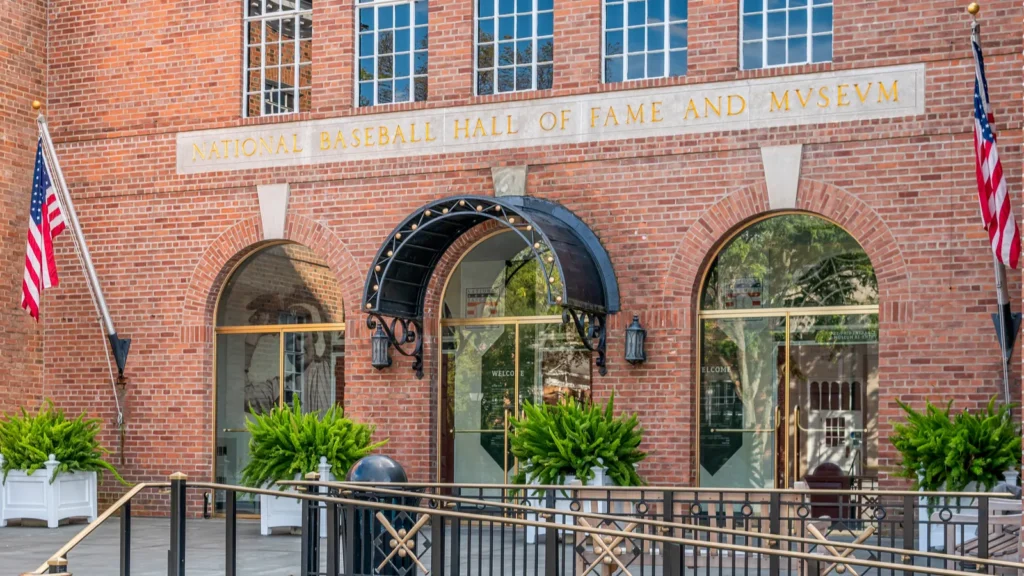
Legacy and future Hall debates
Kent’s election may reshape how voters consider similar candidates.
As discussions continue about how to weigh era, statistical performance, and off-field context, Kent’s success could influence future debates about players with complex legacies.
Baseball’s Hall of Fame remains a touchstone for fans and historians alike. While Kent finally gets his rightful recognition, questions about Bonds and other legendary talents ensure that Cooperstown conversations remain lively and unresolved for years to come.
TL;DR
- Jeff Kent was elected to the Baseball Hall of Fame by the Contemporary Baseball Era Committee.
- He received 14 of 16 votes and will be inducted in Cooperstown in July 2026.
- Barry Bonds, Roger Clemens, and others failed to reach the vote threshold, with Bonds barred from eligibility until 2031.
- New voting rules make fewer-than-five votes a barrier to future ballot consideration.
- Kent’s election highlights ongoing debates over how Hall voters handle PED-era candidates.
Read More:
MLB’s iconic home runs that became legendary
Rivalries that fueled baseball’s golden eras
Why MLB Opening Day Still Feels Like a National Holiday
This article was made with AI assistance and human editing.


