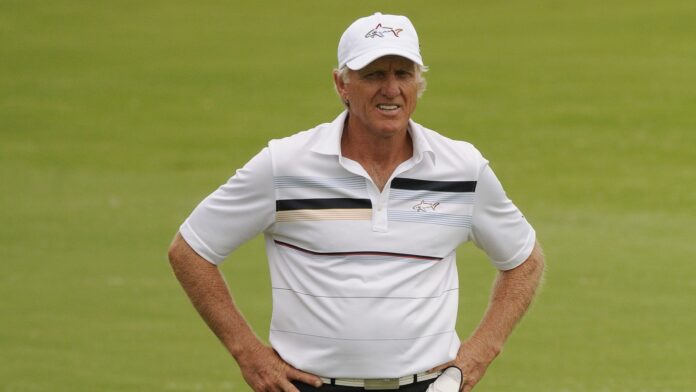
Greg Norman says LIV Golf’s future without Saudi PIF backing will depend on CEO Scott O’Neil’s ability to attract new investors. His comments come as PIF confirms it will fund LIV only through the remainder of the 2026 season.
For a league that shook professional golf to its core just four years ago, the stakes could not be higher. The man who started it all, Greg Norman, is not staying silent. The two-time major winner and LIV’s founding CEO spoke candidly about what needs to happen next, and who needs to make it happen.
Read on to get the full story.
Norman’s bold verdict on LIV’s future
The Great White Shark did not mince words when asked if LIV Golf can survive without Saudi money. Norman appeared on the Dan on Golf show with Dan Rapaport and delivered a clear-eyed assessment. He said LIV’s continued existence will “totally depend” on current CEO Scott O’Neil and his ability to attract outside investors.
It was a rare moment of unfiltered honesty from the man who built the league. He also laid out exactly what O’Neil must do. Norman said the new boss needs to hit the road, run a full fundraising roadshow, and bring in partners who can reduce LIV’s total reliance on the PIF. Without that, the league’s future is uncertain at best.
The Saudi PIF pulls the plug
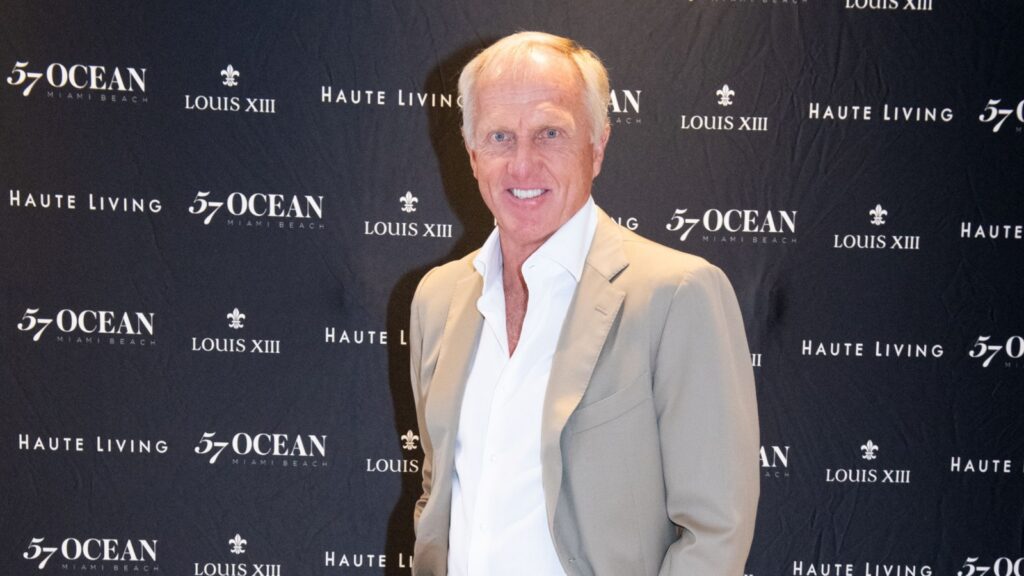
LIV Golf’s financial backbone just cracked, and the timeline is shorter than most fans realize. The Saudi Public Investment Fund has confirmed it will stop bankrolling LIV Golf at the conclusion of the 2026 season, which ends in August. That means the league has just months to secure the funding it needs to keep operating in 2027.
The urgency is unlike anything the tour has faced before. The PIF’s pivot is tied to a broader shift in its investment strategy. Its new five-year plan targets 80% domestic investment, pulling international allocations down from around 30% to just 20%. Golf, it appears, no longer fits that vision.
How much has LIV Golf actually lost?
LIV Golf Ltd., the U.K.-based entity tied to LIV’s international operations, reported heavy losses in available filings: $461.8 million in 2024, $395.9 million in 2023, and $243.7 million in the 18 months to the end of 2022. Those filings show more than $1.1 billion in documented losses, but they do not include every part of LIV’s full business or all player-signing costs.
The PIF has reportedly invested about $5.3 billion into LIV Golf since its 2022 launch, while Saudi Arabia’s fund has confirmed it will support the league only through the remainder of the 2026 season. LIV has said it expects 10 of its 13 teams to be profitable this year, but the available filings still show the league’s international business has depended heavily on outside financial backing.
Norman’s blueprint for survival
Norman pointed directly to the PGA Tour’s deal with Strategic Sports Group as the model O’Neil should follow. He said getting a major US financial institution involved would be “very advantageous” for the league’s long-term stability. A similar private equity structure could replace the PIF’s role while also giving LIV credibility in American markets.
The suggestion is grounded in reality. The PGA Tour’s SSG deal created PGA Tour Enterprises and gave players access to equity in the new entity. Norman believes a comparable arrangement could do the same for LIV, if O’Neil moves quickly enough to make it happen.
Little-known fact: Tiger Woods reportedly turned down a $700 to $800 million offer from LIV Golf in 2022, making it one of the largest rejected contracts in sports history.
The early years were even harder
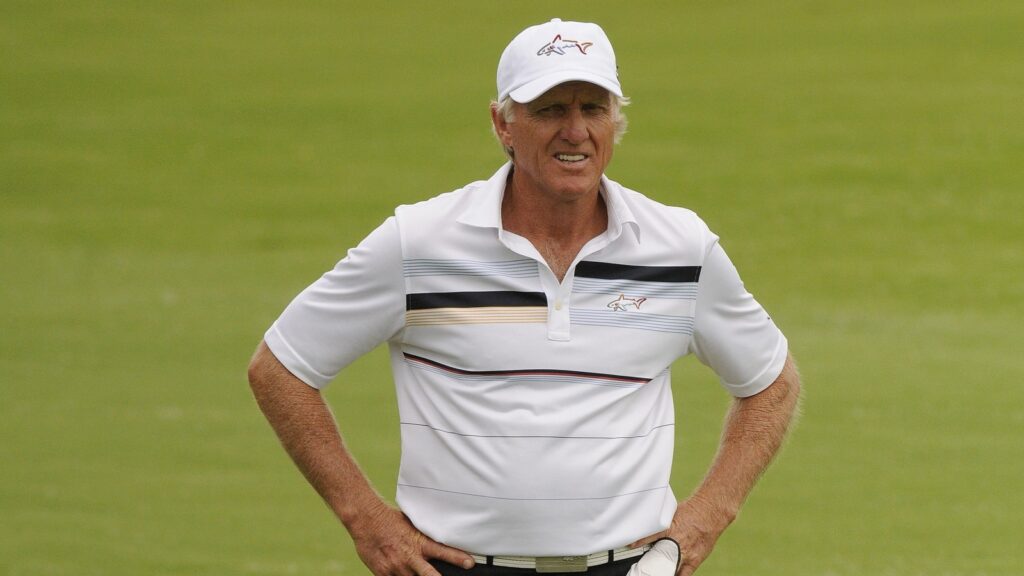
LIV Golf’s American chapter did not begin with fanfare; it began with resistance. Norman was candid about just how difficult the launch was on US soil. He told Rapaport that in the early days, the league could not even get vendors to sign basic service contracts.
He described the environment as “100% radioactive” in the United States, a stark contrast to how the tour was received in Australia and other international markets. LIV found its warmest reception outside of America. Norman recalled how events in Adelaide generated nearly nine figures in local economic impact over a single three-day event. The global appeal was real even when the domestic one was not.
What LIV did right, according to its founder
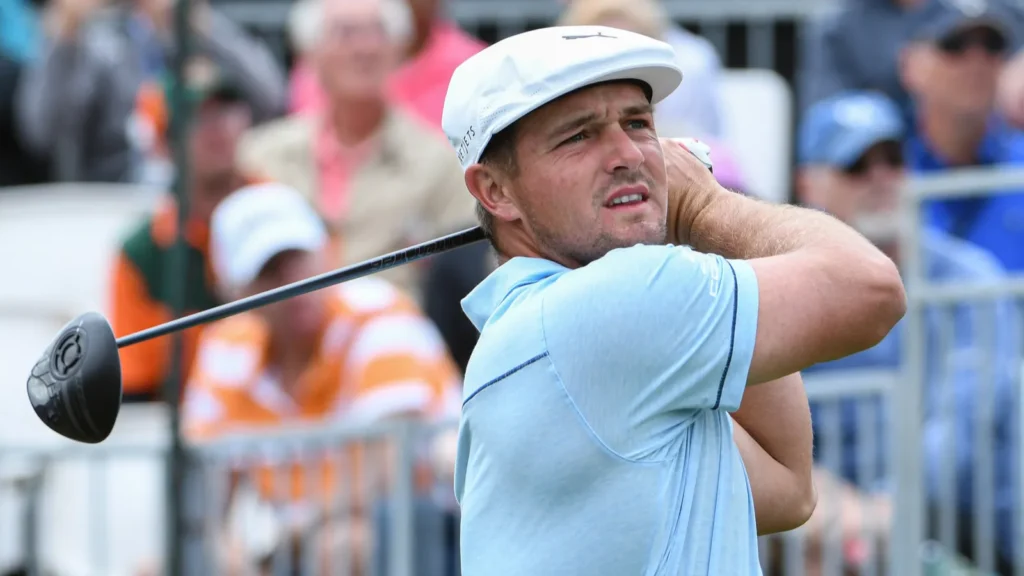
Norman pointed to Bryson DeChambeau as his clearest example of LIV’s positive impact. After joining the league, DeChambeau regained ownership of his own intellectual property and used that freedom to build a massive YouTube following. Norman argued that kind of opportunity simply would not have existed under the PGA Tour’s structure.
He also gave credit to the new PGA Tour CEO, Brian Rolapp, for acknowledging what LIV exposed. Rolapp has publicly said LIV “revealed flaws” inside professional golf’s traditional power structures. For Norman, that acknowledgment was a long-awaited moment of vindication for everything the league set out to accomplish.
Fun fact: Greg Norman won 91 professional tournaments across different tours worldwide during his playing career, a number that fueled his lifelong belief in global golf’s untapped potential.
DeChambeau and the player uncertainty
Bryson DeChambeau’s contract with LIV Golf expires at the end of the 2026 season. His future is deeply tied to whatever funding arrangement the league secures before August. DeChambeau has said publicly he is confident a solution will be found, but his situation adds another layer of pressure to an already complicated offseason ahead.
DeChambeau is not just a player at risk. He is a symbol of what LIV promised its athletes. If the league folds or shrinks dramatically, the players who gave up PGA Tour careers face an uncertain path forward. The stakes extend well beyond one contract or one tournament season.
TL;DR
- Greg Norman says LIV Golf’s survival “totally depends” on CEO Scott O’Neil securing new investment before the 2026 season ends in August.
- The Saudi PIF is pulling its funding after spending over $5.3 billion on the league since 2022.
- LIV Golf lost $461.8 million in 2024 alone and has never turned a profit since launching.
- Norman recommends O’Neil pursue a US private equity deal similar to the PGA Tour’s arrangement with Strategic Sports Group.
If you liked this story, don’t forget to follow us for more exclusive content.
This article was made with AI assistance and human editing.
If you liked this, you might also like: