
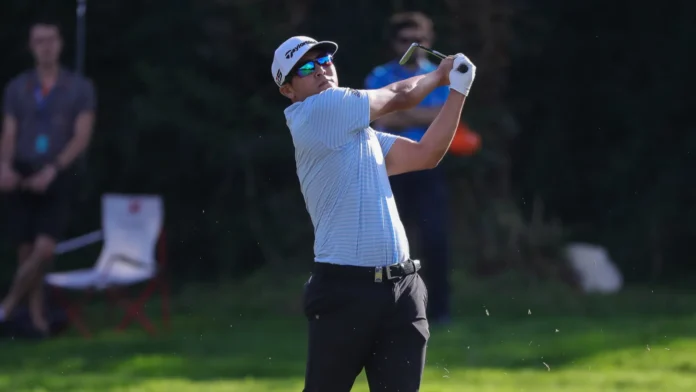
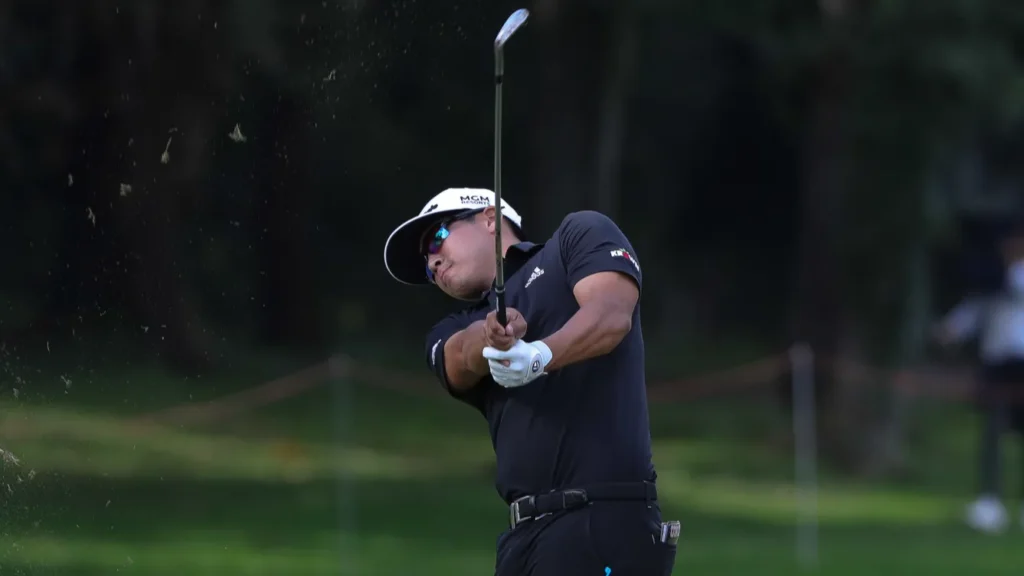
A quiet Sunday turns historic
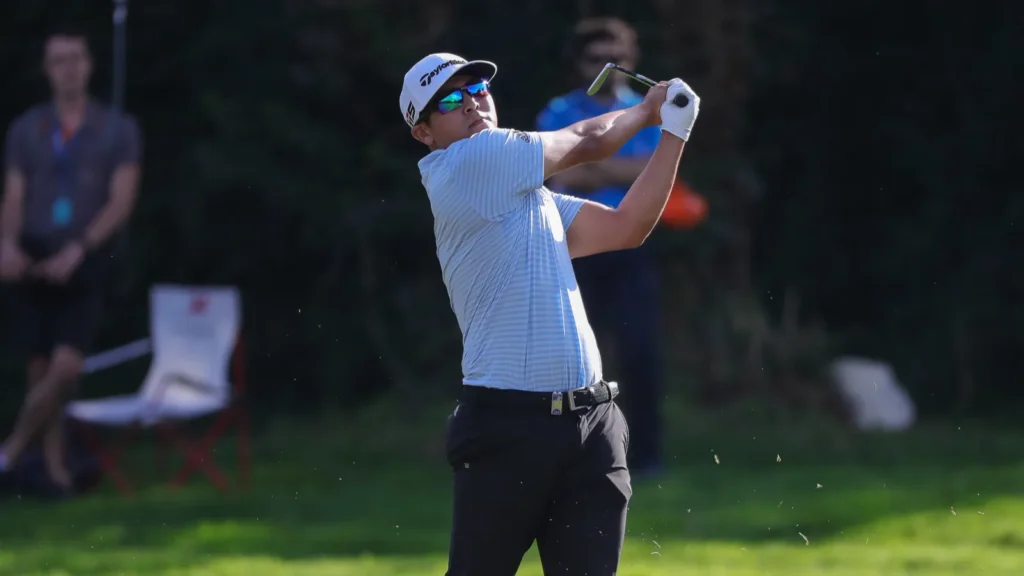
Kurt Kitayama began the final round at Aronimink far from the main winning conversation, but his scorecard quickly made the early tee time impossible to ignore for fans.
His bogey-free 63 tied the lowest final round score in major championship history, moving one steady round into a record book usually reserved for legends and closers.

The round started with instant heat
Kitayama opened with three quick birdies, turning a distant position into something fans could track before the leaders even reached the most stressful holes later Sunday morning.
That early charge mattered because it changed the Sunday rhythm. Instead of one quiet morning score, the PGA Championship had a serious benchmark sitting in plain view.
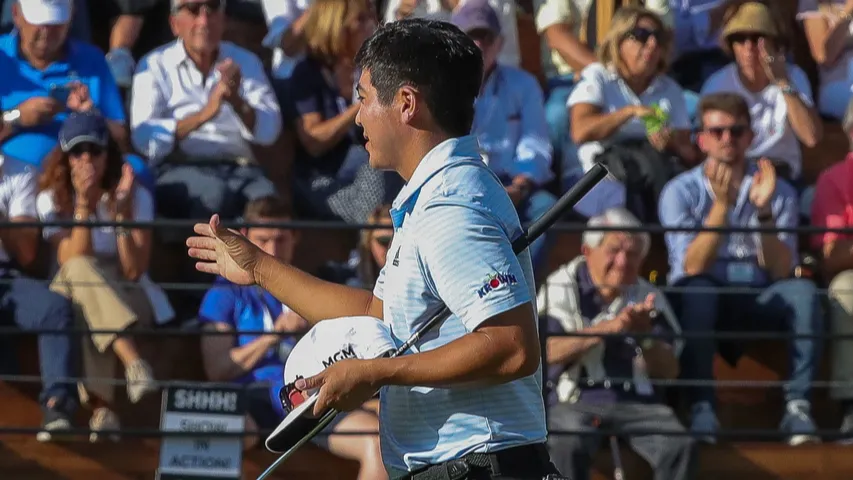
Calmer weather opened the door
The first three rounds at Aronimink played tougher because the wind forced players to think harder on approaches, chips, and even putts across sloped greens all week long.
Kitayama said the lighter wind made scoring feel easier, but the record still required sharp control. Good weather helped, while execution made history possible under final round pressure.
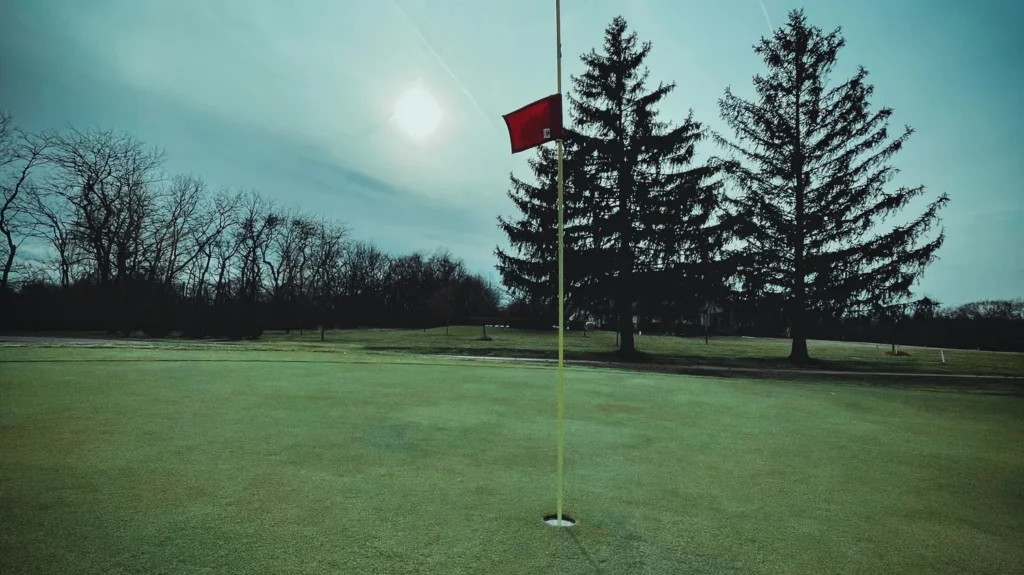
Putting carried the charge
The score did not come from wild power alone. Kitayama leaned on a hot putter, giving himself chances and converting enough looks to keep momentum alive late.
He even joked about putting a force guiding the day, but the larger point was simple. Major history can turn on touch, patience, and nerve under pressure.

A major record gets company
Kitayama became the ninth player to shoot 63 in the final round of a major, joining a short list spread across different eras, players, and demanding courses.
That matters for PGA history because records gain weight when they connect generations. One round at Aronimink now sits beside famous finishes from earlier championships in memory.
The PGA Championship list grows
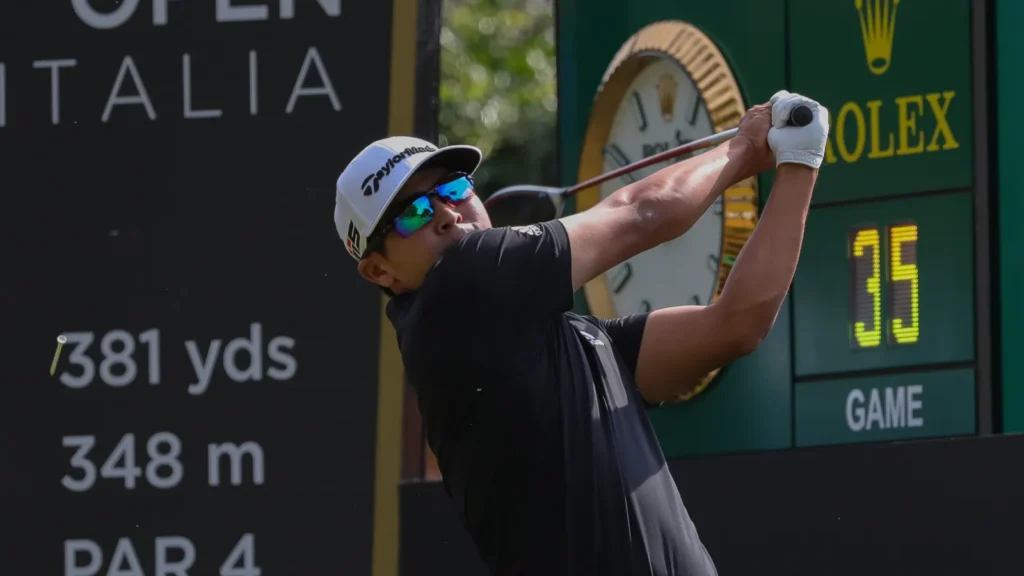
Inside PGA Championship history, Kitayama’s 63 carried extra weight for the record book. He became only the second player to shoot 63 in the final round of this major.
Brad Faxon held that rare PGA Championship place from 1995, so Kitayama did more than post a low number. He revived a nearly forgotten line in golf history.
The week finally had a low mark
Kitayama’s 63 finished two shots lower than any previous round that week, which made the number stand out beyond its place in major history books and context.
Major championships often punish players slowly, so one clean score can feel louder than a leaderboard lead. His card showed what Aronimink still allowed under Sunday pressure.

The surge changed his finish
He began Sunday at four over par, which usually means attention shifts elsewhere. By the time he signed, he had climbed into the top 10 despite starting back.
That jump matters because a record round did more than decorate the tournament. It changed his result, his profile, and the way fans clearly remembered Sunday afterward.
The win still belonged elsewhere
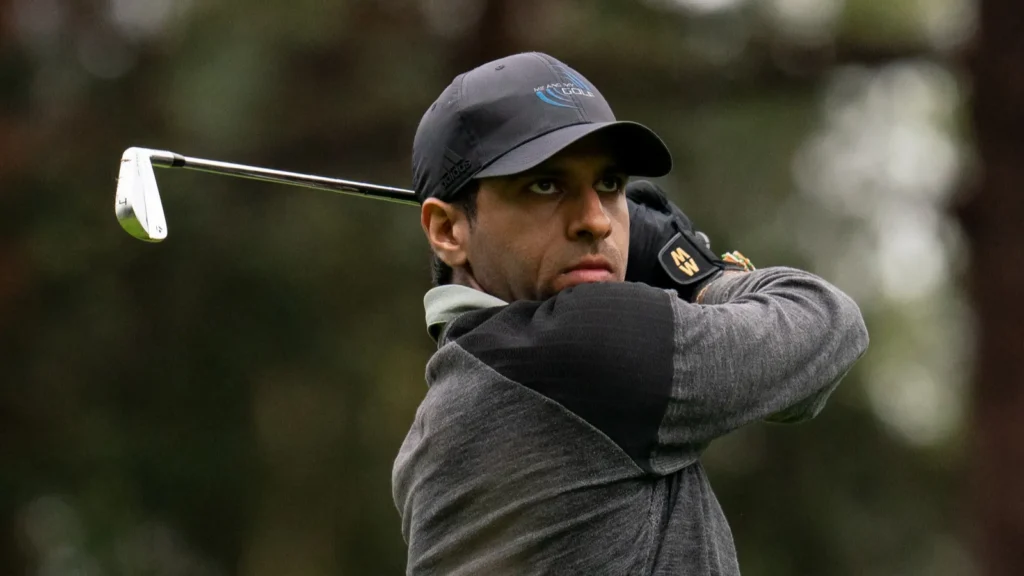
Kitayama’s history did not become a trophy ceremony, and that keeps the story grounded. Aaron Rai won the 2026 PGA Championship at Aronimink instead with steadier play.
That contrast adds depth to the record. Golf history can celebrate the champion while still saving room for one round that dramatically bent the scoreboard.

A proven career gains another layer
Kitayama already owned PGA Tour wins at the 2023 Arnold Palmer Invitational and the 2025 3M Open before his Aronimink record push arrived on a bigger stage.
Those victories matter because the 63 did not appear from nowhere. It fit a career built through resilience, late surges, and uncomfortable leaderboards against elite fields.
Fun fact: Kurt Kitayama once had his brother caddie for him, and their family admits Kurt “fired” him multiple times during chaotic golf trips together.
The 3M Open hinted first
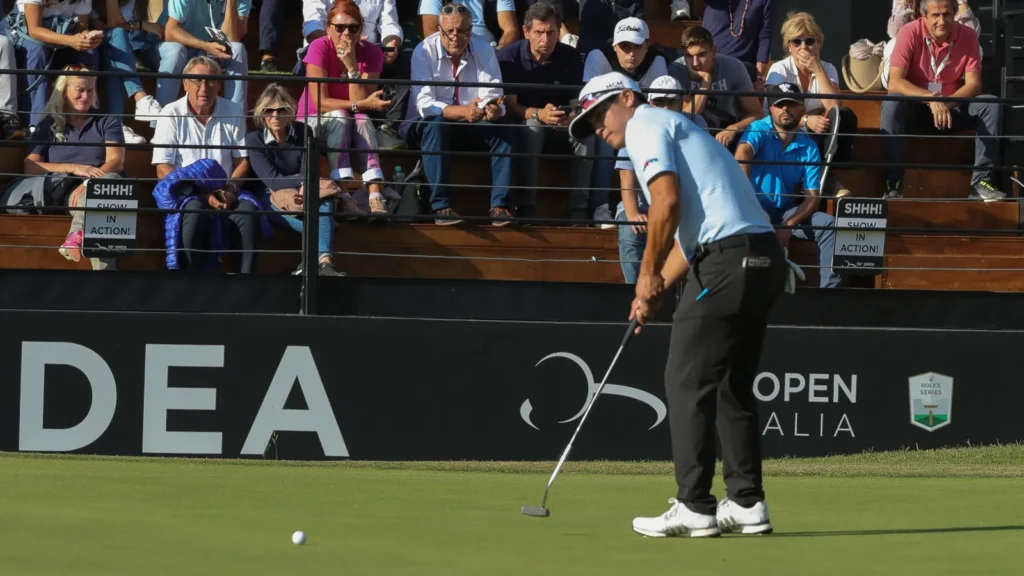
At the 2025 3M Open, Kitayama shot a career-best 60 on Saturday, then closed with 65 to claim his second PGA Tour victory by one stroke.
That weekend showed his scoring ceiling before Aronimink. When he later caught fire at the PGA Championship, the record round felt surprising, not statistically random at all.
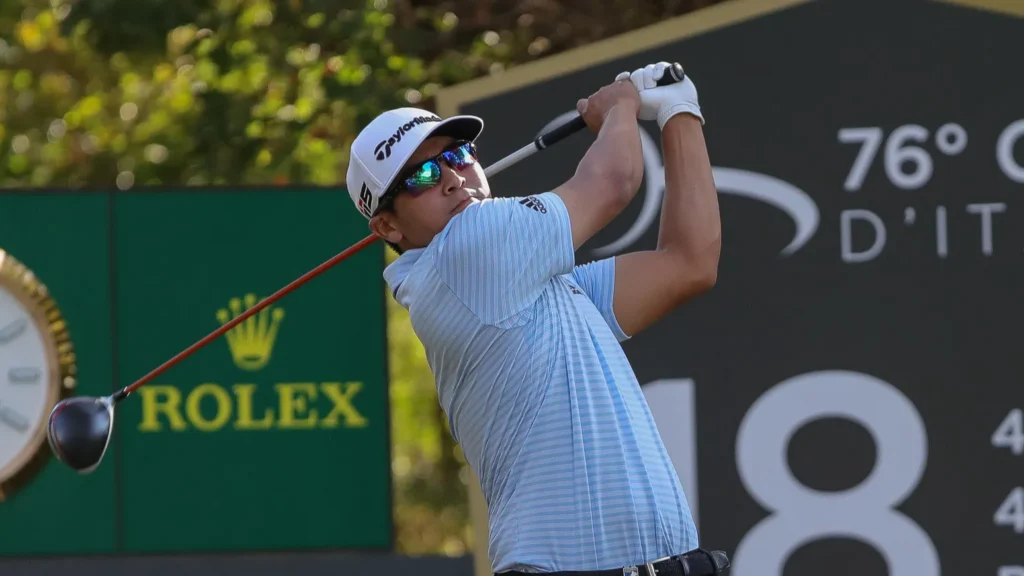
The record reshapes expectations
A round like 63 changes how viewers read Kitayama’s name on future leaderboards. He is no longer just a steady contender chasing position from behind on Sundays.
The next time he starts a final round outside the spotlight, this score will linger. PGA history has a way of changing expectations quickly after one round.
Despite their loyalty, stars like Rory McIlroy and Scottie Scheffler are increasingly choosing rest over Signature Events. Explore how recent scheduling demands and logistical burnout are forcing the PGA Tour to confront a growing crisis with its most iconic players.
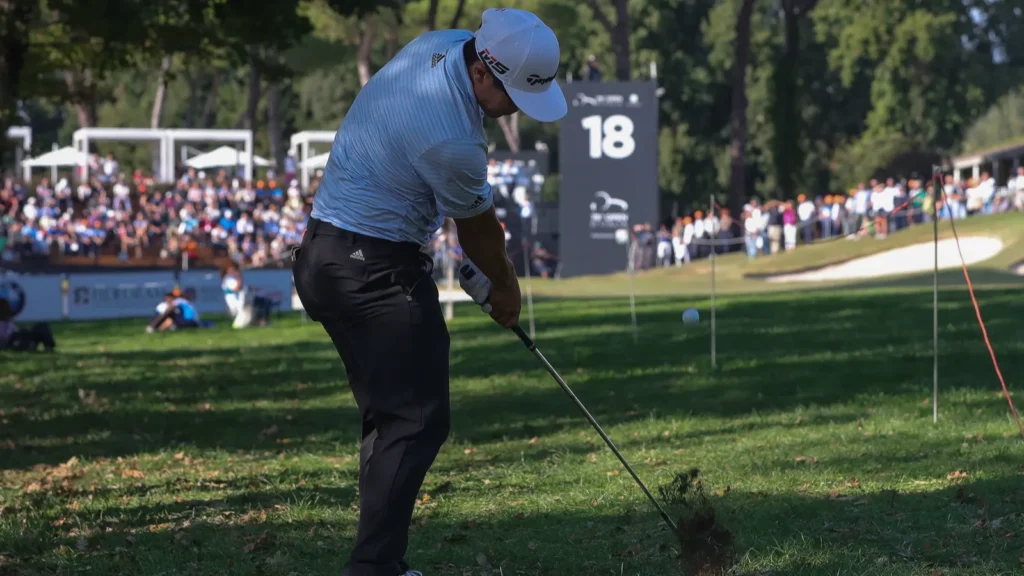
The book stays open
Kitayama’s 63 did not settle every debate about his career, but it gave PGA history another sharp page from an unexpected Sunday climb at Aronimink Golf Club.
The lasting impact is simple. A player can miss the trophy, still rewrite a record line, and leave a championship with something permanent behind for the history books.
Scottie Scheffler showed incredible grit at the RBC Heritage, overcoming a three-shot deficit to force a playoff before ultimately falling to Matt Fitzpatrick. Dive into our analysis of the mental toll this high-stakes battle takes on the world No. 1.
Kurt Kitayama did not win the PGA Championship, but his record-tying 63 still became one of the tournament’s biggest stories. Does a historic round matter as much as a victory? Share your thoughts in the comments below!
This slideshow was made with AI assistance and human editing.
Read More From This Brand: