

Understanding how penalties evolve through the season reveals important insights about player discipline and referee patterns.
The NHL season brings constant adjustments. Players learn what officials will call. Coaches adapt systems to avoid unnecessary penalties. Teams fighting for playoff spots become more disciplined with every passing game.
These changes matter more than many realize. A team taking fewer penalties in February versus October can mean the difference between making the postseason or going home early.
Let’s explore how these trends develop.
Tight Standings Force Teams to Play Cleaner
Playoff races push teams toward better discipline as each point becomes critical.
When teams are separated by just a few points, nobody wants to give opponents free power play chances. Teams are reluctant to take penalties when competitive balance is tight. Players become smarter about stick work and body positioning.
Veteran leadership helps maintain this discipline. Captains remind teammates that retaliation penalties hurt the whole group. Coaches emphasize staying composed during intense moments. The result is cleaner hockey when games matter most.

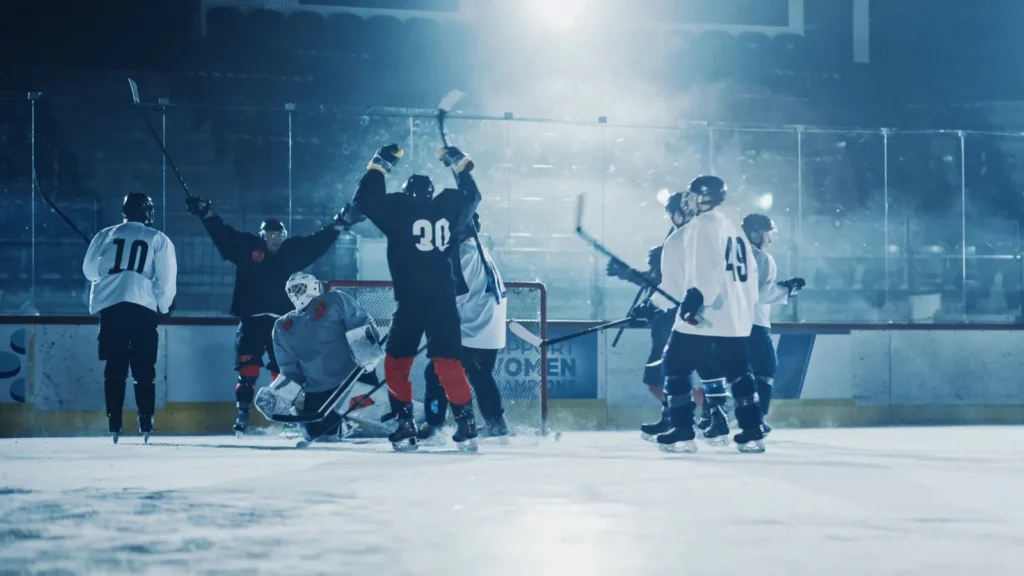
Early Season Laziness Gives Way to Desperation
Teams shift from careless infractions to only unavoidable penalties as seasons progress.
Early games often feature lazy hooks and unnecessary slashes. Players test boundaries and build chemistry. Referees establish standards while teams work through exhibition mode habits that linger into October.
By midseason everything changes. Every penalty becomes a desperate play or an accident from competing hard. Teams eliminate retaliation and focus purely on winning battles. The difference shows clearly in penalty statistics.
Power Play Success Makes Teams Cautious
Teams are converting at historic rates, making opponents more careful about infractions.
NHL teams are scoring on 21.6% and above of power plays this season. This represents the best conversion rate since 1985. Five to six teams operate above 25%, creating fear among penalty kill units everywhere.
Smart coaches recognize these numbers and adjust accordingly. Players avoid questionable stick checks that might draw calls. Defensemen use positioning rather than grabbing. The math is simple: fewer penalties mean fewer goals against.
Players Adapt to Officiating Standards
Understanding what referees will call helps teams avoid unnecessary penalties midseason.
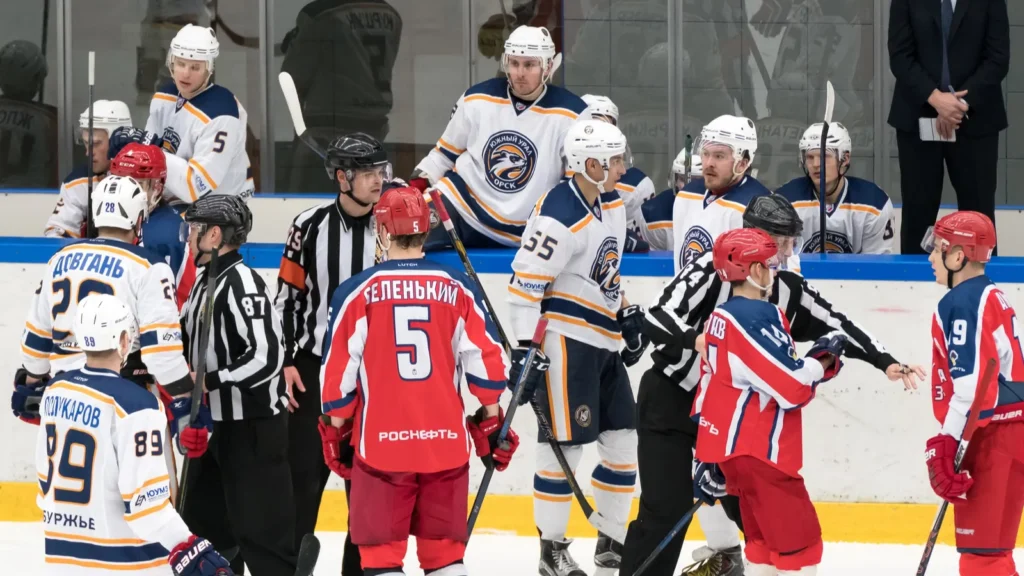
Each officiating crew has tendencies. Some call interference tightly while others let physical play continue. Players and coaches study these patterns religiously. Video sessions highlight what specific referee pairs emphasize or ignore.
This knowledge accumulates throughout the year. Teams compile data on officials and adjust strategies accordingly. By February, players know exactly how much contact they can initiate. The learning curve directly impacts penalty totals.
Speed Replaces Obstruction In Modern Hockey
Faster skating abilities reduce the need for holding and hooking penalties.
Modern NHL rosters feature better skaters than ever before. Players defend using footwork rather than sticks. The days of slow defensemen clutching skilled forwards are gone. Agility and positioning replace grab-and-hold tactics.
This evolution is evident in declining penalty rates across multiple seasons. Players can keep up without resorting to obstruction. The game flows faster and cleaner. Teams that embrace speed gain advantages while taking fewer penalties.
League Enforcement Priorities Shift Annually
The NHL emphasizes different infractions each season, changing penalty patterns.
Some years, the league cracks down on cross-checking. Other seasons focus on slashing. The 2024-25 campaign has no major enforcement emphasis. Officials maintain consistent standards without targeting specific infractions for increased scrutiny.
This absence of focus contributes to historically low penalty rates. Players operate within established boundaries. Referees call obvious fouls but avoid borderline situations. The game settles into its natural rhythm without artificial manipulation.
Coaching Strategies Evolve With the Calendar
Teams implement different systems as they learn opponent tendencies and referee patterns.
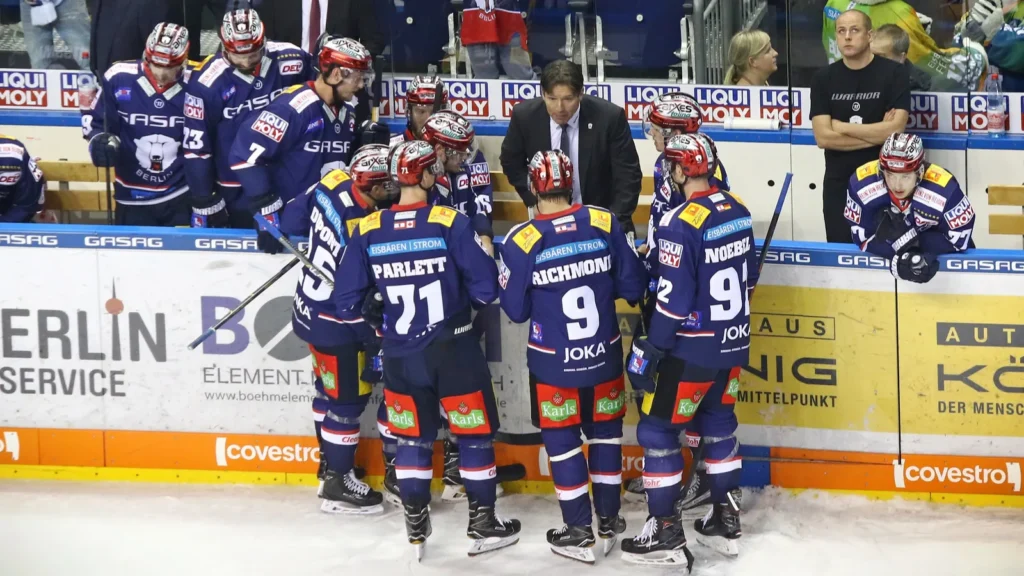
Early-season systems often prove too aggressive. Coaches identify which tactics draw penalties and make adjustments. Forecheck angles change. Defensive zone coverage adapts. Every tweak aims to maintain effectiveness while reducing infractions.
Midseason brings refined approaches based on accumulated data. Teams know which opponents dive and which referees buy embellishment. Penalty kill units improve through repetition. Everything becomes more efficient as experience builds throughout the campaign.
Video Review Changes Penalty Strategies
New coach challenge rules for delay of game penalties alter team behavior.
Coaches can now challenge puck-over-glass penalties. Failed challenges result in additional minor penalties. This creates strategic decisions about when to risk reviews. Teams weigh potential benefits against costly mistakes.
The rule impacts how defensemen clear pucks under pressure. Players become more careful about clearance attempts near the glass. Some accept icing rather than risk delay-of-game calls. The adjustment continues evolving as seasons progress.
Historical Patterns Reveal Cyclical Trends
Penalty rates fluctuate in waves over decades, following predictable patterns.
Former referee Don Jackson describes penalty trends as waves. High rates follow low ones in regular cycles. The current historic lows will eventually reverse. Understanding these patterns helps teams anticipate future changes.
The 2005-06 season saw massive penalty spikes after rule emphasis changes. Then rates gradually declined over subsequent years. Teams and players constantly adapt to whatever standards officials enforce. The cycle repeats endlessly.
TL;DR
- Tight playoff races force teams to play cleaner and avoid penalties.
- Early-season laziness transforms into desperate, unavoidable infractions by midseason.
- Historic power play success rates make teams more cautious about taking penalties.
- Players learn referee tendencies and adjust their play accordingly.
- Modern speed and skating ability reduce obstruction penalties.
- League enforcement priorities shift yearly, impacting penalty rates.
- Coaching strategies evolve based on accumulated data throughout seasons.
- New video review rules change how teams approach certain situations.
Read More:
- The Truth About NHL Home Ice Advantage
- The weirdest NHL superstitions that actually work
- Craziest Overtime Moments in NHL History
This article was made with AI assistance and human editing.