
There was a time when NBA players simply laced up their shoes and played. Nobody talked about royalties or lifetime contracts worth billions. The court was the only stage that mattered. Then a rookie from North Carolina walked into a Nike meeting in 1984 and quietly changed everything about sports.
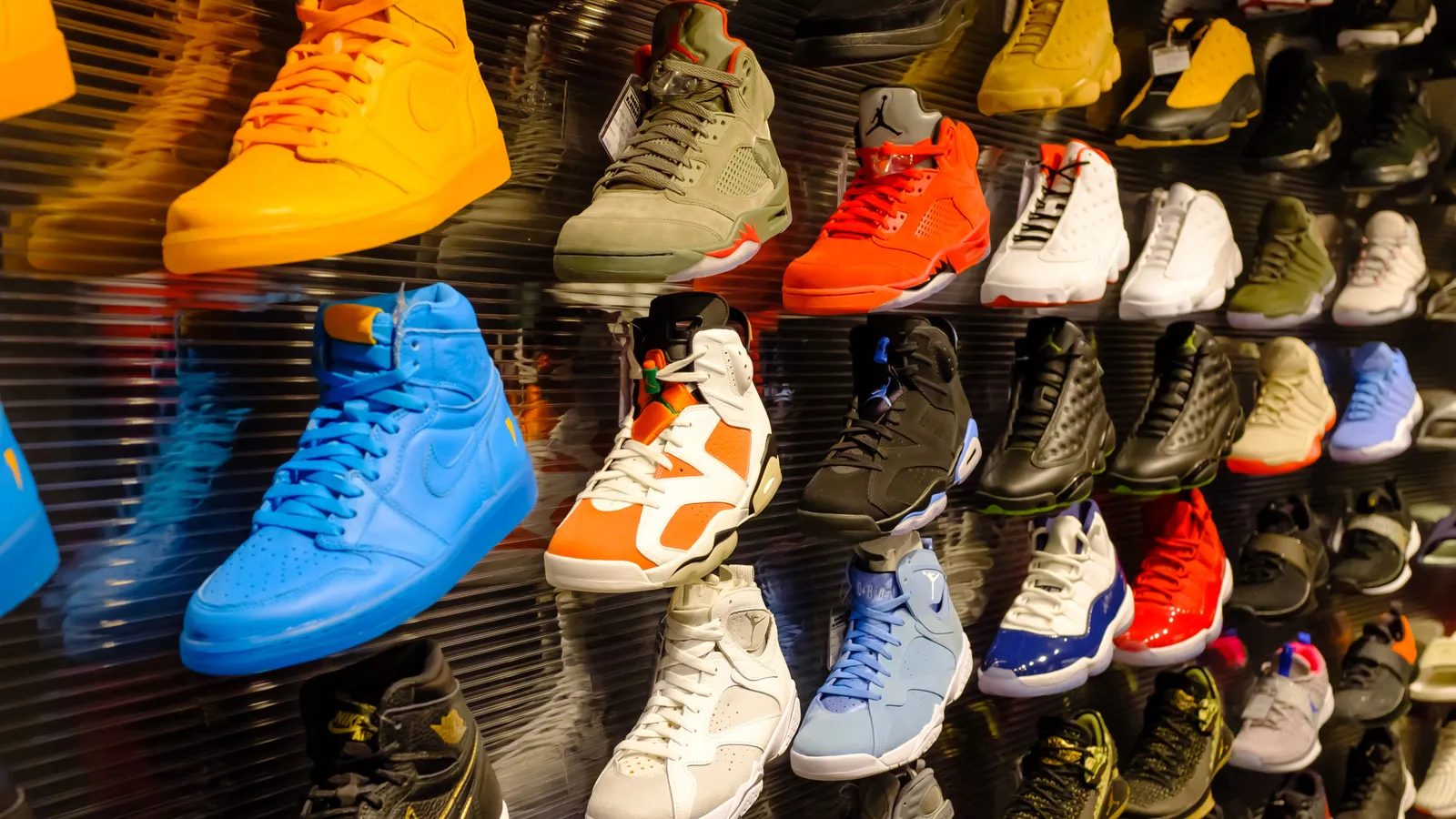
Signature shoes became one of the most lucrative business engines in modern sports. They turned elite players into global brand partners, and for the biggest stars, shoe royalties and endorsement income can rival or exceed what they earn from their NBA contracts.
Keep reading to find out exactly how it all went down.
The origins of the NBA signature shoe
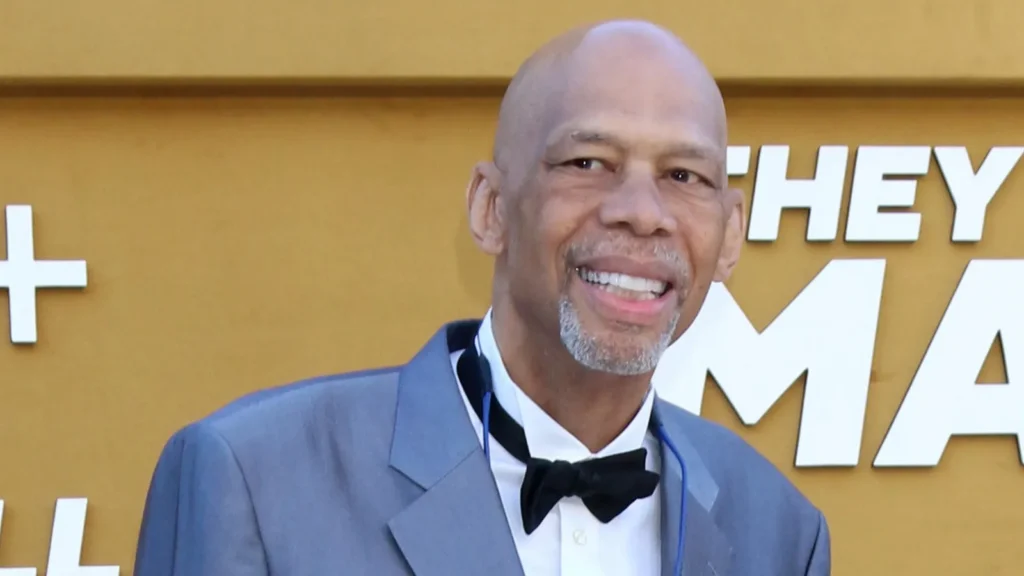
The history of signature basketball shoes stretches back further than most fans ever realize. In 1971, Kareem Abdul-Jabbar became the first NBA player to sign with Adidas, laying the foundation for every endorsement deal that would follow. His partnership helped establish that a player’s identity could genuinely sell a product.
Adidas launched the Jabbar sneaker in 1978, making it the first basketball shoe to feature a player’s face on the tongue. It was a bold move in an era when players simply wore whatever brands provided. That shoe planted a seed that would eventually grow into a multibillion-dollar global industry.
Fun fact: Adidas passed on signing Michael Jordan in 1984 because executives felt he was too short for their brand image. That single decision handed Nike a stranglehold on basketball culture that Adidas has spent four decades and billions of dollars trying to reclaim.

The deal that rewrote the rules
Nike signed Jordan to a five-year deal worth $500,000 a year, and the Air Jordan 1 reached retail in April 1985. The company expected only modest early sales, but the line generated about $126 million in its first year and far outperformed projections.
The NBA objected to Jordan wearing black-and-red Nike shoes that did not comply with league uniform rules, and Nike turned the controversy into a defining marketing moment. The company’s “Banned” campaign helped frame Jordan’s footwear as rebellious, distinctive, and central to his growing star power.
How the Jordan brand became a business unto itself
Nike spun off Jordan Brand as its own standalone division in 1997. The results were extraordinary over time. Jordan Brand generated $6.59 billion in revenue in fiscal year 2023, with Jordan earning over $150 million in royalties annually. He now makes far more from shoes than he ever earned playing.
The Jordan Brand model proved that a signature line could outlast a player’s career by decades. Retro releases, limited drops, and collector demand have kept classic silhouettes commercially relevant, and rare original Jordans now command high prices on the resale and auction markets.
LeBron James and the birth of the lifetime deal
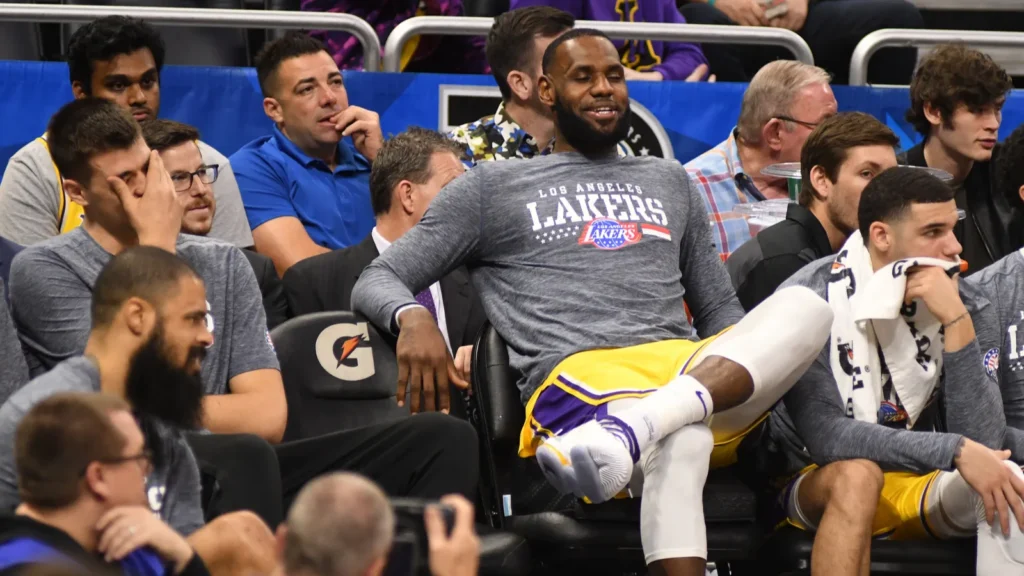
James signed a seven-year, $87 million deal with Nike in 2003 before playing an NBA game. Reebok made a massive competing pitch that included a $100 million package with a $10 million signing bonus, and in December 2015, LeBron agreed to a lifetime Nike deal that his business partner later indicated was worth more than $1 billion.
Nike called it the largest single-athlete guarantee in all of company history. Annual sales of LeBron footwear and apparel alone topped $400 million in 2015. His business partner confirmed the deal was genuinely historic for both parties closely involved. LeBron did not just wear a shoe. He became a franchise.
How signature shoes created a new class of athlete wealth
The royalty model transformed how NBA stars build lasting wealth. Derrick Rose signed a 14-year Adidas deal reportedly worth $185 million after his MVP rise, giving him a long-term stream of off-court income even as injuries changed the course of his playing career.
Stephen Curry’s Under Armour partnership was once reported to be worth around $20 million a year, while Klay Thompson signed a reported 10-year Anta extension worth up to $80 million in 2017. Since then, Curry and Under Armour have split, and Anta announced a lifetime partnership with Thompson in 2026.
The rise of global brands
Chinese brands like Anta, Li-Ning, and Rigorer spent years building credibility before targeting NBA talent. The strategy paid off significantly in recent seasons. Kyrie Irving, Austin Reaves, and Klay Thompson all signed overseas deals. Each player recognized the value in reaching global markets that Nike and Adidas do not fully serve.
Austin Reaves became Rigorer’s first NBA athlete and launched his debut signature shoe, the AR1, in August 2023 ahead of the 2023-24 season. The limited “Ice Cream” release sold out quickly, showing that newer global brands could generate real momentum with NBA-backed signature footwear.
Players who bet on themselves
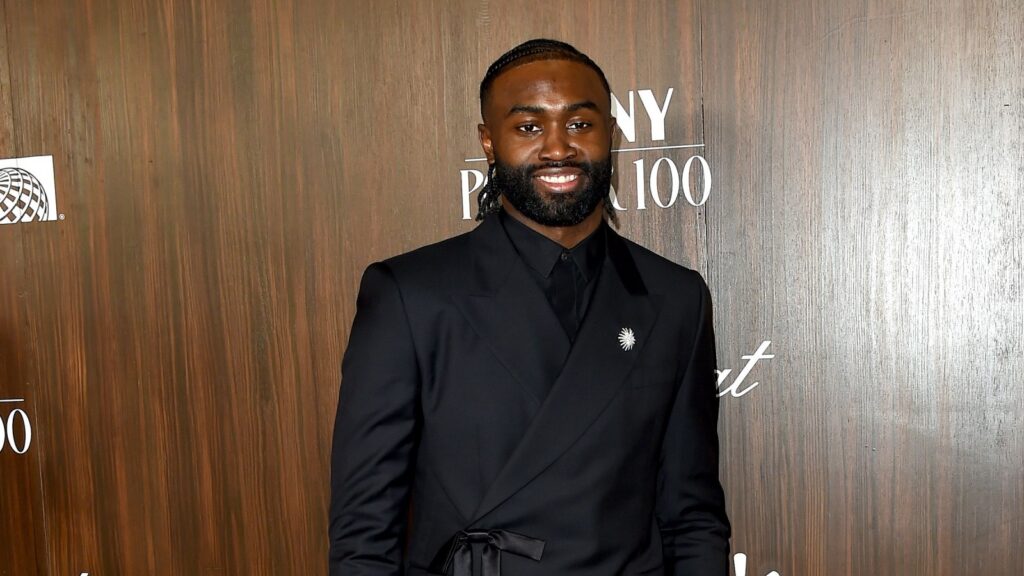
Jaylen Brown turned down tens of millions in endorsement offers to launch his own shoe brand called 741. The 2024 NBA Finals MVP walked away from guaranteed money to control his own story fully. It stood as one of the boldest financial decisions any active NBA player had ever made.
Langston Galloway spent nearly two years building his brand, Ethics, and unveiled his first shoe at the NBA Finals. He enrolled in the NBA’s joint Harvard Business School program for athletes. Patrick Ewing built Ewing Athletics decades earlier. Independent player-owned shoe brands are now a genuine and growing league trend.
Fun fact: Stephon Marbury launched the Starbury in 2006 for just $14.98, the cheapest NBA signature shoe ever made. He sold over one million pairs in the first six months and wore them every single game to prove that performance did not require an expensive price tag.
What it all means
Signature shoes did not just change player finances; they fundamentally altered what the NBA is as a brand. Every televised NBA game is now a product showcase. Every highlight clip captures a colorway. Fans worldwide buy LeBron shoes without knowing who the Lakers played last night. A player’s shoe has become bigger than the team jersey.
The NBA is still a sports league, but signature footwear has become one of its most visible commercial languages. Nike and Jordan remain dominant forces in basketball shoes, while brands such as Anta and Rigorer have expanded the competitive field and helped make the market more diverse than it was in earlier eras.
TL;DR
- Kareem Abdul-Jabbar signed with Adidas in 1971 as the first NBA player to ink a brand deal, with his signature Jabbar shoe launching in 1978.
- Air Jordan generated about $126 million in its first year after Nike had projected only modest early sales for the line.
- Jordan Brand now generates $6.59 billion annually and pays Michael Jordan over $150 million per year in royalties long after his playing career ended.
- LeBron James signed Nike’s first-ever lifetime deal in 2015, reportedly worth over $1 billion, after his original $87 million rookie deal in 2003.
This article was made with AI assistance and human editing.
If you liked this, you might also like: