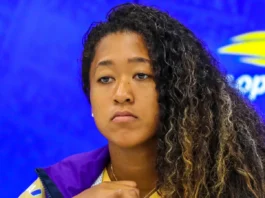


The U.S. Open has increasingly embraced content creators as the tournament looks to reach audiences beyond traditional tennis coverage. That strategy came under scrutiny after activity in a hospitality suite disrupted Naomi Osaka’s first-round match against Anastasia Zakharova.
Chair umpire Kader Nouni stopped play after noise and filming from the suite became noticeable during a point. The incident quickly spread online, while players and officials discussed the importance of balancing new audiences with match etiquette. The backlash comes as the USTA expands its creator program, putting greater attention on how social-media activity can coexist with professional competition.
What happened during Osaka’s match?
The incident occurred during Osaka’s 2026 U.S. Open opener against Zakharova at Arthur Ashe Stadium on Aug. 31. During the second set, people in a suite were making noise and recording content, prompting Nouni to address them and ask them to take their seats.
Osaka later said she could hear people shouting clearly. After the interruption, she struggled with her ball toss and apologized to Zakharova before losing the point. Osaka recovered to win the match 7-6(6), 7-6(3).
Why creators are suddenly a bigger part of the Open
The controversy arrived as the USTA expanded its creator program. The association introduced its U.S. Open creator credential in 2025, issuing 54 credentials to content creators. That number rose to close to 100 in 2026.
USTA media operations director Jeanmarie Daly said traditional media and content creators reach different audiences. The tournament has also embraced digital collaborations, including a Giant Tennis project featuring YouTube star MrBeast and American player Frances Tiafoe ahead of the main draw. The initiative reflects the U.S. Open’s effort to reach more audiences through social platforms.
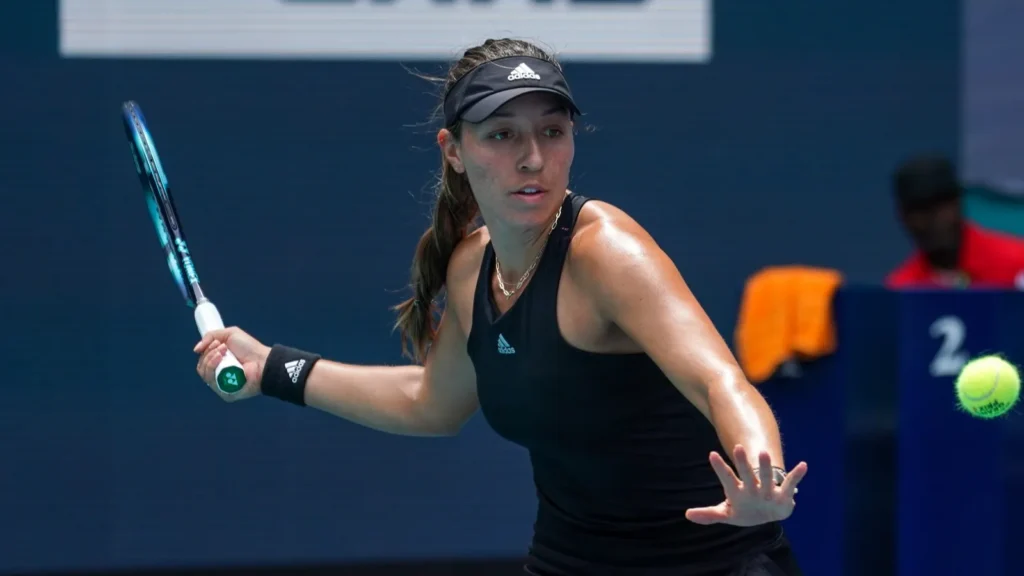
Jessica Pegula said she appreciates influencers showcasing the U.S. Open experience but criticized videos involving selfie lights during matches, saying such activity can be disrespectful to players. Coco Gauff has similarly said she has no problem with influencers but emphasized the importance of following tennis etiquette.
Coco Gauff has also recognized the value of creators while stressing proper etiquette. Both players have indicated that bringing new audiences to tennis can be positive while emphasizing that content activity should not interfere with matches.

Fans are reacting to more than one moment
The online response has expanded beyond the Osaka incident. Viral videos showing ring lights, filming and people posing during matches have prompted fans to question whether some attendees are treating the U.S. Open as a content destination rather than primarily a tennis event.
That criticism shouldn’t apply to every creator or spectator. Many fans record content without affecting play, and USTA spokesman Brendan McIntyre said disruptions happen infrequently.
When an umpire has to stop play, however, the clip can become more memorable than the match itself. That has intensified concerns about how the tournament’s atmosphere is changing. For longtime spectators, the issue is less about cameras themselves than about whether they distract from the competition.
The challenge of mixing creators with competition
Tournament officials have emphasized that fan enjoyment must coexist with competitive focus. USTA spokesperson Brendan McIntyre said chair umpires can address disruptions when crowd activity interferes with competition. The USTA has also increased signage and contacted ticket and suite holders with reminders against activities that can disrupt play, including flash photography and ring lights.
The response comes as the USTA expands its creator program and seeks to increase social-media engagement around the tournament. Clearer guidance is intended to help spectators and creators understand the expectations during matches.

There is a case for bringing creators closer to sporting events. They can showcase players, traditions and attractions while introducing the tournament to audiences who may not follow tennis closely. But professional matches still need protected space, and the USTA’s recent reminders reinforce the need to keep content activity from interfering with play.
The bigger test is whether those reminders remain effective as the creator program grows and social media becomes an even larger part of the U.S. Open experience. Clearer guidance may help prevent individual incidents from becoming broader public-relations problems..
Fun fact: The 2026 U.S. Open is offering $108 million in total player compensation, the largest package in professional tennis history. Singles champions will receive $5.5 million each, while first-round singles players receive $140,000.
TL;DR
- Activity by people in a suite disrupted Naomi Osaka’s first-round match at Arthur Ashe Stadium, prompting chair umpire Kader Nouni to intervene.
- The USTA increased creator credentials from 54 in 2025 to close to 100 in 2026.
- Jessica Pegula and Coco Gauff have both supported broader engagement while stressing the importance of tennis etiquette.
- The USTA has added reminders about disruptive behavior, including flash photography and ring lights.
- The controversy highlights the challenge of expanding tennis’s social reach without interfering with competition.
- The USTA is working to balance creator engagement and fan access with the need to protect play from disruptions.
If you liked this story, don’t forget to follow us for more exclusive content.
This article was made with AI assistance and human editing.
If you liked this, you might also like: