

Mets trade deadline strategy takes shape amid uncertainty
The New York Mets are heading into a pivotal stretch of the season where every win and loss could shape what happens next at the trade deadline. Behind the scenes, front office decisions are starting to take form, but the direction is still far from locked in.
With questions swirling about roster direction, pitching depth, and long-term planning, the coming weeks could reveal a surprising shift in strategy. What the Mets ultimately decide may change not just their season, but the shape of their future.
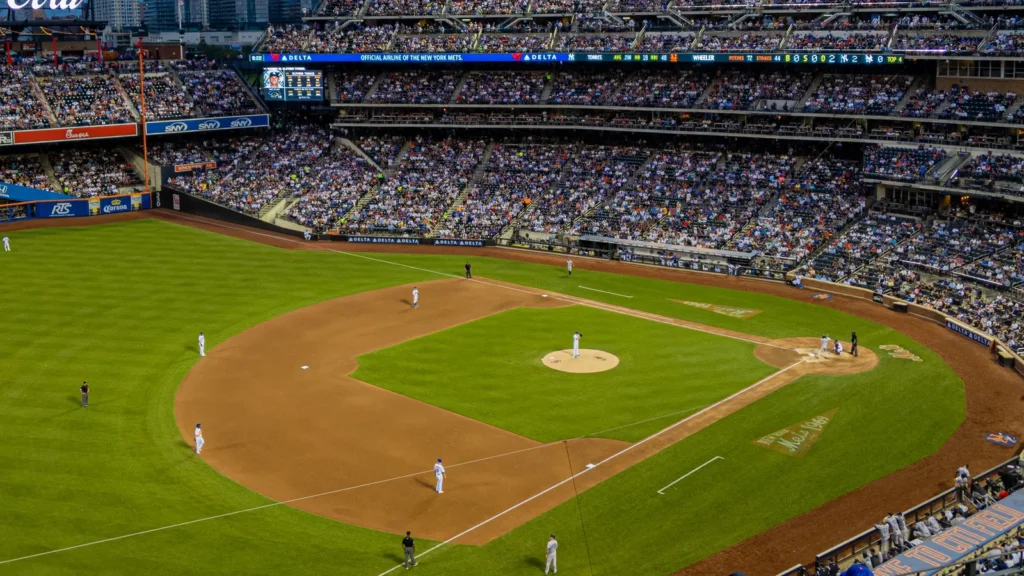
Trade decisions depend on standings momentum
MLB trade deadline strategy is heavily influenced by how a team performs in the weeks leading up to July. Teams rarely make early decisions because standings can shift quickly during the season.
Organizations prefer to evaluate momentum, injuries, and roster stability before choosing to buy or sell. This ensures decisions reflect current competitiveness rather than early-season performance.

Front offices maintain flexibility before deadline
MLB front offices generally avoid committing too early to a trade direction. This flexibility allows teams to adjust plans based on midseason performance changes.
The Mets follow the same league-wide approach of keeping multiple options open. This ensures they can respond to either a playoff push or a decline in standings.
NL East competition raises strategic pressure
The National League East is consistently one of baseball’s most competitive divisions. This competitiveness increases pressure on teams when evaluating relevant trade deadline positioning.
Division standings often determine whether a team prioritizes short-term upgrades or significant long-term roster moves. The Mets’ decisions are heavily influenced by this broader competitive environment.

Pitching depth is a key evaluation point
Pitching remains one of the most important factors in MLB roster construction. Teams evaluate rotation stability and bullpen effectiveness before the trade deadline hits.
Organizations often decide whether to add pitching support or trade pitching assets depending on their standings outlook. The Mets operate under this same league-wide evaluation model.

Expiring contracts create trade opportunities
Players on expiring contracts are commonly considered trade candidates across MLB. Contending teams often target these players for short-term playoff runs.
This creates value opportunities for teams deciding whether to sell or retain assets. The Mets’ roster structure includes typical contract situations seen across the league.
Interesting fact: The New York Mets have won two World Series championships, in 1969 and 1986. The 1969 team became famous as the “Miracle Mets” after a surprising championship run.

Salary commitments affect trade flexibility
High-salary contracts can limit trade movement during the season. Fewer teams are willing to absorb large financial commitments midyear.
This factor plays a major role in shaping deadline decisions across MLB. It influences whether players can realistically be moved or retained.
Interesting fact: The New York Mets have called Citi Field home since 2009, when the stadium opened to replace Shea Stadium.
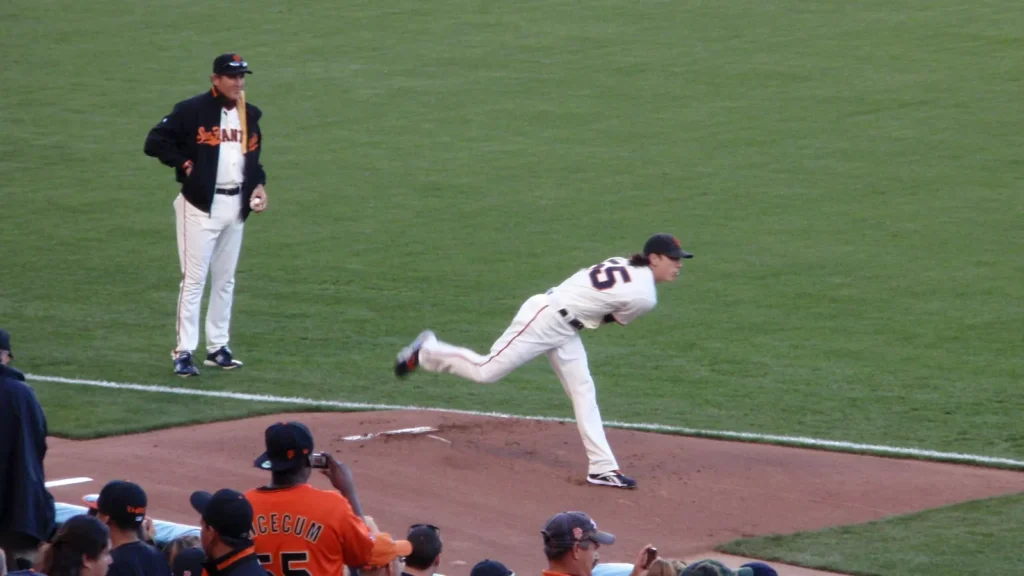
Balanced approach is common across MLB
Most MLB teams use a balanced evaluation approach at the trade deadline. This involves weighing both short-term competitiveness and long-term roster development.
Organizations often continue monitoring standings, injuries, and player performance right up to late July before making final moves. The Mets operate under this same league-wide framework, where flexibility is prioritized over early commitment to a single direction.

Trade market value increases closer to deadline
Player trade value typically increases as the MLB trade deadline approaches because more teams become active buyers. Contending clubs often identify roster weaknesses later in the season, which raises demand for available players.
This rising demand can lead to stronger return packages for teams willing to trade veterans or expiring contracts. As a result, front offices closely monitor market shifts to determine the most profitable timing for potential deals.
Historical trades inform current strategy
MLB teams regularly review past trade deadline decisions to guide present-day strategy and avoid repeating costly mistakes. These historical comparisons help front offices understand how midseason moves impact long-term roster building.
The Mets, like other organizations, use prior trade outcomes to evaluate risk levels and potential return value when considering roster changes. This method ensures decisions are based on established patterns rather than short-term emotion or pressure.

Analysts differ on trade direction outlook
MLB analysts often disagree on whether underperforming teams should become buyers or sellers at the trade deadline. These differing opinions come from contrasting evaluations of team potential, roster talent, and playoff probability models.
The Mets frequently appear in these discussions because of their large payroll and high expectations entering each season. As a result, media projections vary widely depending on statistical models and subjective roster assessments across different outlets.

Late-season performance determines direction
Teams rely heavily on performance in the final weeks before the trade deadline. Winning or losing streaks can significantly shift front office strategy.
This ensures decisions reflect real-time competitiveness rather than early-season assumptions. The Mets’ approach aligns with this standard MLB timing model.
The internet is also talking about Albert Pujols’ passing on a massive contract following the St. Louis Cardinals’ departure.

Mets avoid premature roster dismantling
MLB teams generally avoid full roster sell-offs unless playoff chances are significantly reduced. This prevents unnecessary loss of long-term value.
The Mets are expected to follow the same measured approach used across the league. Final decisions depend on performance trends leading into late July.
In other news, Trevor Bauer continues to complicate his path back to Major League Baseball.
If you enjoyed this breakdown, take a moment to like the slideshow and share your thoughts in the comments. Do you think the Mets should stay aggressive and try to compete, or consider a more cautious approach at the deadline?
This slideshow was made with AI assistance and human editing.
Read More From This Brand: