

In May 2026, a beloved public golf course in the heart of the nation’s capital became the center of a major legal showdown. The Trump administration’s reported plans to close and renovate East Potomac Golf Course triggered an emergency court hearing that quickly caught the attention of the entire country.
The story raises serious questions about public land, presidential ambition, and who truly gets to decide the future of America’s most cherished green spaces. These are the key facts behind the case, the courtroom drama, and what could happen next.
What is East Potomac Golf Course?
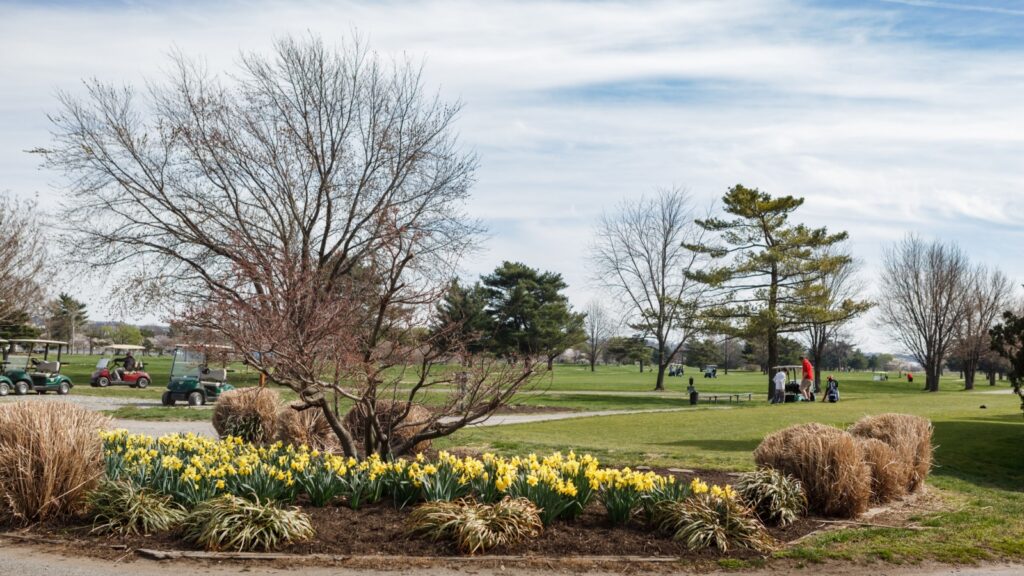
East Potomac Park Golf Course officially opened in July 1920; its first nine holes were completed in 1917, and its second nine by 1923. East Potomac Golf Links is on Hains Point, with the Potomac River on one side and the Washington Channel on the other. It offers sweeping views of the Washington Monument. For over a century, it has served everyday Washingtonians as one of the most affordable and accessible public golf courses.
Congress established the area for the “recreation and pleasure of the people. That founding language has now become the legal backbone of the fight to protect it today. For locals, this course is far more than a leisure spot; it is a true community institution.

Trump’s vision for the course
In January 2026, President Trump said he wanted to transform East Potomac Golf Course into a world-class, U.S. Open-caliber venue capable of hosting major golf events. The idea would mark a major shift for a course long known as an affordable public option for everyday golfers, with multiple course layouts and relatively accessible green fees.
Fundraising materials tied to the National Garden of American Heroes Foundation have shown renderings and concepts for a much broader redesign of the East Potomac site. Supporters have framed the proposal as a historic upgrade, while critics warn that a championship-style overhaul could reduce public access, raise affordability concerns, and change the character of a park that has served Washington residents for generations.
Recent reporting says the proposal remains conceptual and would still need to go through federal review and approval processes.
Little-known fact: East Potomac Park played a real role in civil rights history. In 1941, three Black golfers walked onto the segregated course in protest, an act that directly led to the desegregation of all of Washington D.C.’s public golf courses.
The lease termination that started it all
In December 2025, the Interior Department terminated the lease of the National Links Trust, a nonprofit that signed a 50-year operating agreement with the National Park Service in 2020. The trust was only five years into that deal. Co-founder Mike McCartin said the government gave his organization no direct communication.
The trust had been investing in these courses with respected golf architects like Tom Doak and Gil Hanse. Their goal was to restore the courses while keeping access affordable for all visitors. After the lease ended, the trust continued running the courses on a temporary holdover basis while its future stayed unresolved.
The emergency motion that forced the hearing
The Trump administration planned to close East Potomac Golf Course as early as Sunday evening, May 3, 2026. Tree clearing and maintenance work were reportedly set to begin the very next morning. That report set off a fast-moving legal response from the D.C. Preservation League.
The league filed an emergency motion late Sunday night, asking Judge Ana Reyes to block the administration from touching the historic course. The filing argued the administration was irreparably destroying priceless American history. Reyes ordered the DOJ to respond overnight and called an emergency hearing scheduled for early Monday morning.
Little-known fact: President Warren G. Harding was one of the very first golfers to play East Potomac when it opened in 1921.

The odd and memorable emergency hearing
Monday morning’s hearing had the intensity of a courtroom thriller and just enough wit to keep everyone on their toes. Judge Reyes opened with a Star Wars quip, May the 4th be with everybody, before launching sharp and focused questioning. She called National Mall Superintendent Kevin Griess to testify under oath about current plans. Reyes stated plainly early on that she did not care about golf at all.
Griess testified that only a routine safety assessment was currently underway at the park. He described the dead trees as very dangerous because branches regularly break off in the wind. When asked about activity beyond assessments, Griess confirmed nothing was in writing, and no major action had been formally directed.
The closure signs that changed the mood
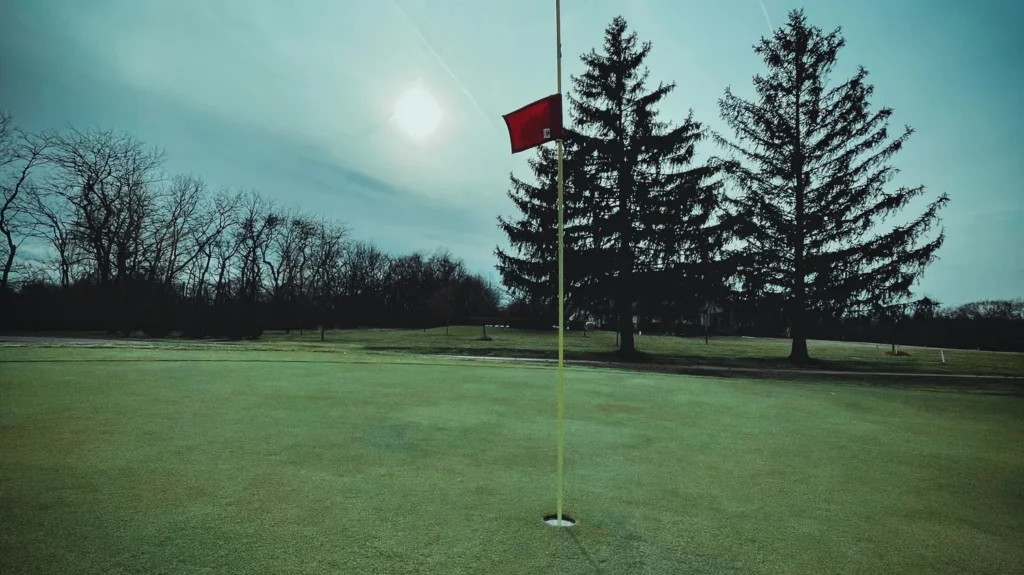
Judge Reyes received a note from her clerk indicating that closure signs had been spotted at the golf course over the weekend. She immediately questioned Griess about it on the record. He responded that he had not ordered any signs and could not explain who may have put them up.
Government lawyers told the court they were unaware of any closure. Griess stepped away to check with his maintenance staff and later reported back that his team could not locate the signs either. The moment underscored the core tension of the entire hearing, as government statements and ground-level facts did not match.
The Judge’s Stern warning to the DOJ
Reyes addressed DOJ attorney Michael Robertson directly and told him to put the agency defendants on notice. She was blunt and specific about what she did not want to happen. She said she did not want a situation where something had already occurred before the court could step in to act.
She warned that if the government acted first and apologized later, there would be serious consequences. Reyes ordered the administration to notify the court before cutting more than ten trees or bringing heavy machinery. She described heavy machinery as anything larger than her personal sedan, leaving no room for misinterpretation.
Where things stand now and what comes next
After the emergency hearing, the immediate threat of closure eased. A May 9 agreement kept Washington, D.C.’s three public golf courses open, while giving National Links Trust a new long-term lease for Langston Golf Course and Rock Creek Park Golf. The nonprofit will also continue operating East Potomac Golf Links on an interim basis until the National Park Service
is ready to begin what officials have described as a historic restoration of the waterfront course.
Judge Ana Reyes allowed routine maintenance at East Potomac to continue, but made clear that the administration could not move ahead with major changes without notifying the court. Her warning came after questions were raised about possible closure signs and the scope of future work at the site.
For now, East Potomac remains open, but uncertainty remains over what the proposed restoration will ultimately look like. The new agreement keeps day-to-day golf operations in place, while leaving larger questions about public access, affordability, environmental review, and the future design of the historic course unresolved.

TL;DR
- Judge Ana Reyes held an emergency hearing on May 4, 2026, after reports that the Trump administration planned to close East Potomac Golf Course.
- The D.C. Preservation League filed the emergency motion, arguing the administration was about to destroy a historic and beloved public park.
- Superintendent Kevin Griess testified that only a routine safety assessment involving dead and dangerous trees was underway.
- Reports of closure signs raised questions during the hearing, but officials said they were unaware of any closure order and later could not confirm the signs.
If you liked this story, don’t forget to follow us for more exclusive content.
This article was made with AI assistance and human editing.
If you liked this, you might also like: