
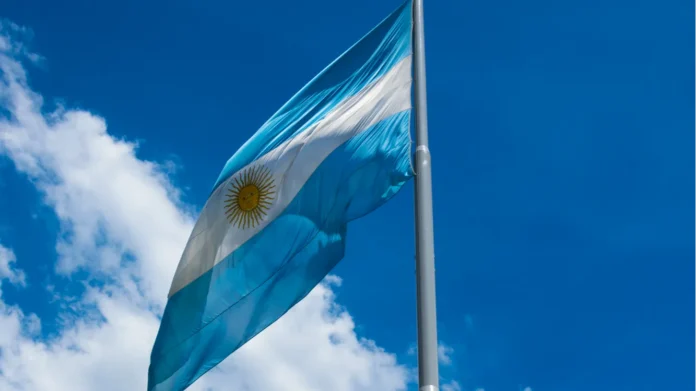
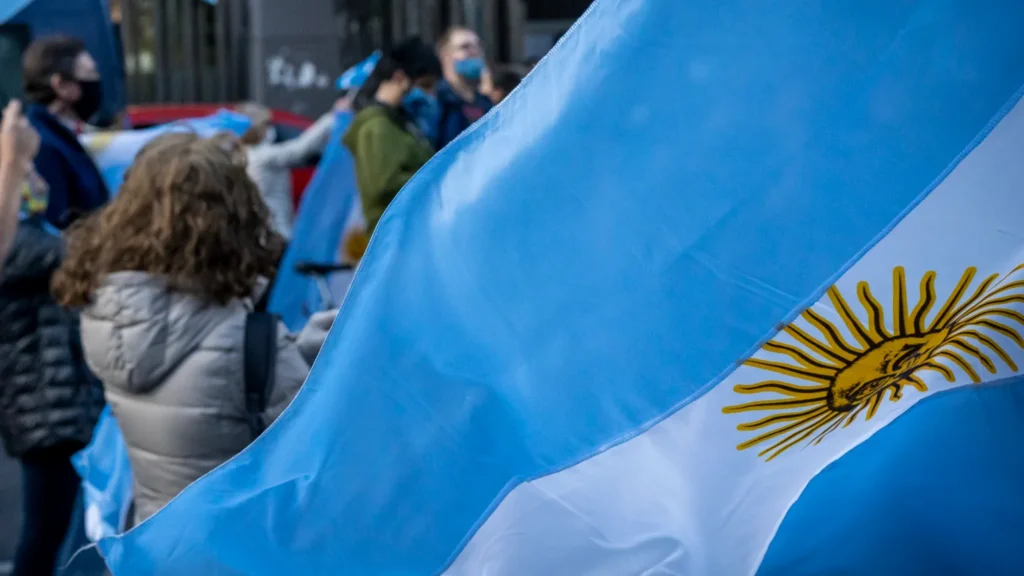
Argentina faces FIFA investigation
Argentina’s national football team faced a FIFA investigation after confrontations followed its 1-0 extra-time loss against Spain in the World Cup final on July 19, 2026, in East Rutherford, New Jersey.
A separate online petition demanded Argentina’s permanent exclusion from future World Cups and reported 23,316,108 signatures. The campaign had no authority to determine FIFA eligibility, sanctions, or disciplinary decisions.
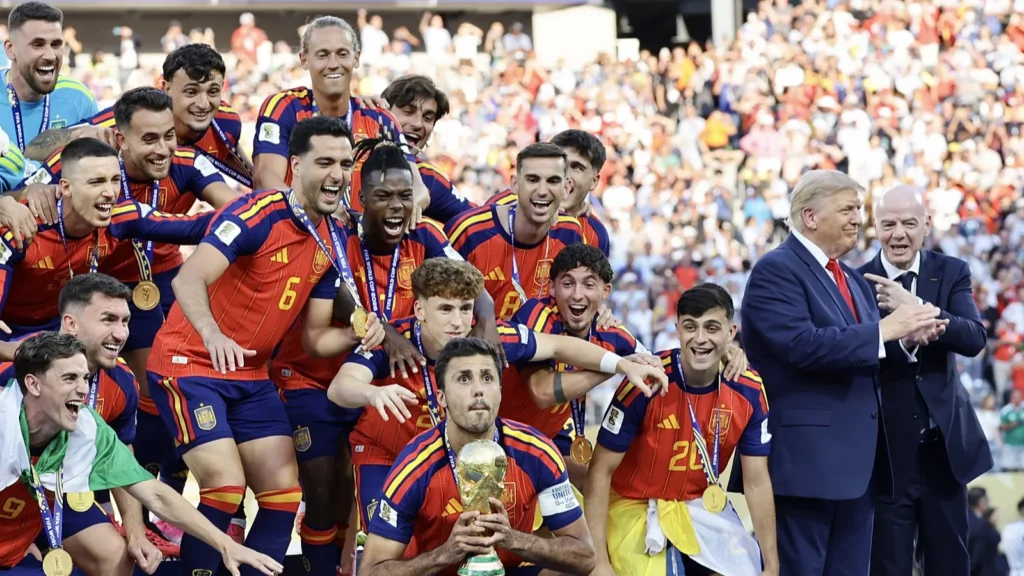
Spain wins final in extra time
Spain won its second men’s World Cup when Ferran Torres scored in the 106th minute. Argentina recorded no shots on target during regulation time and played extra time with 10 players after Enzo Fernández was sent off.
Fernández received a second yellow card in stoppage time at the end of normal time. Emiliano Martínez made 12 saves, but Torres finally ended the scoreless contest in New Jersey.
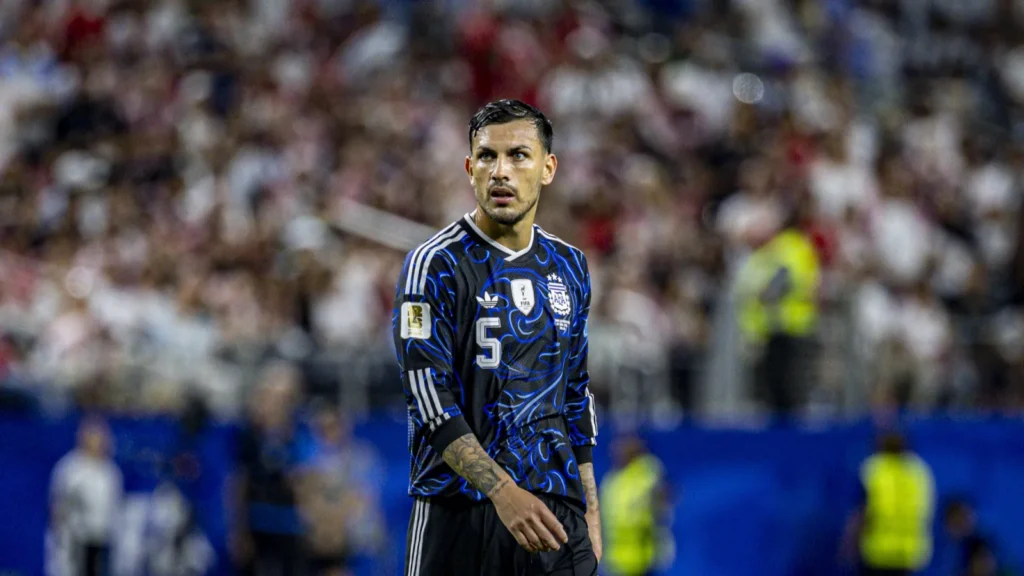
FIFA examines postmatch disorder
FIFA opened disciplinary proceedings after the final whistle. Leandro Paredes was among the Argentina figures scrutinized after clashes involving Spain players, including Eric García and Gavi, before the dispute expanded to others.
FIFA received a report from an appointed disciplinary and ethics prosecutor and charged several Argentina figures by July 29, 2026. As of July 30, final sanctions had not been announced, leaving possible penalties on individuals or associations unresolved.
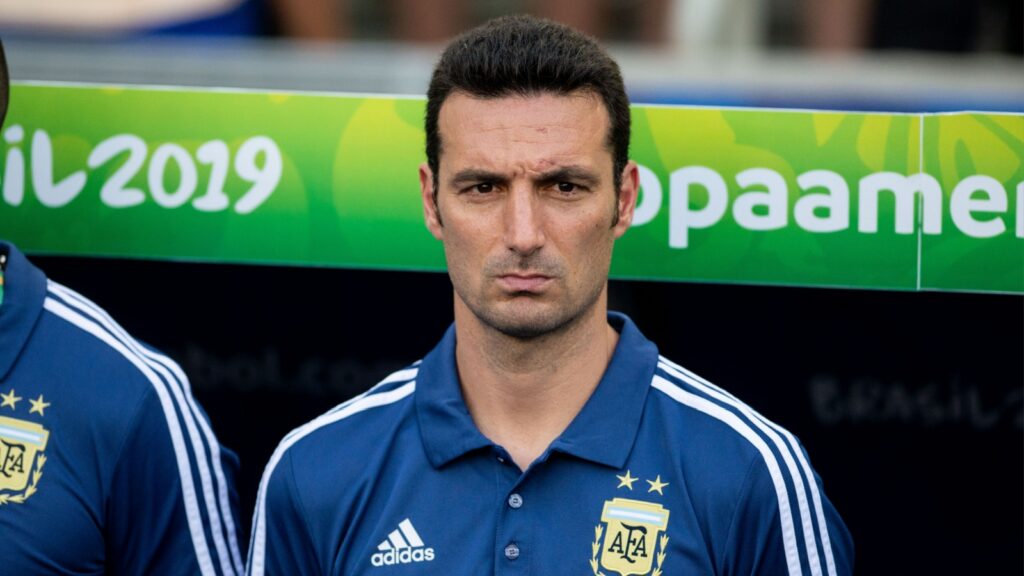
Argentina figures face scrutiny
Reports connected Nahuel Molina, Leandro Paredes, Thiago Almada, and assistant coach Roberto Ayala with post-final misconduct allegations. FIFA’s July 29 disciplinary action also listed Spain’s Gavi among those facing an unsporting behavior case.
Spain coach Luis de la Fuente described Argentina’s conduct as unacceptable. Ayala also faced a FIFA charge after the post-final disorder, while the wider disciplinary process continued.
Argentina remains eligible to compete
FIFA’s investigation concerns post-match conduct rather than Argentina’s tournament eligibility. No official announcement was made during the ongoing disciplinary review process regarding the permanent removal of the national team from future World Cups.
Online signatures can express public anger, but they cannot replace evidence reviews, hearings, appeals, or formal decisions. FIFA’s judicial bodies retain authority over penalties involving individuals, teams, or national associations.

Argentina petition claims 23 million names
The Argentina Out petition reportedly reached 23,316,108 signatures from roughly 170 countries. Its organizers accused referees and FIFA of favoring Lionel Messi and Argentina, but public reports did not present any verified evidence to support those claims.
The campaign demanded Argentina’s permanent exclusion from future World Cups. The petition produced no official change to Argentina’s status in international football competition.
Argentina petition approaches old total
The petition’s reported total approached the Guinness World Record for a hand-signed campaign. Jubilee 2000 collected 24,319,181 signatures from 166 countries in support of debt relief for the world’s poorer nations.
Argentina Out reported 1,003,073 fewer signatures than Jubilee 2000. However, Guinness classifies the older campaign as hand-signed, so the online petition does not represent a directly comparable record category.
Argentina faces officiating questions
Argentina’s path to the final included scrutiny over officiating. IFAB later said video review was incorrectly used before Breel Embolo’s dismissal during Switzerland’s quarterfinal loss on July 11 in Kansas City.
IFAB explained that video review could address mistaken identity, but could not reassess the caution under existing rules. Argentina won 3-1 after extra time, but the ruling concerned one decision.

Argentina banner draws criticism
Argentina drew criticism after defeating England in the semifinal. Argentina players displayed a banner reading “Las Malvinas son Argentinas” during team celebrations, referring to the disputed Falkland Islands.
FIFA opened disciplinary proceedings against Argentina’s football association over alleged breaches tied to the political banner and other conduct. As of July 30, 2026, final sanctions had not been announced.
Argentina dispute joins wider criticism
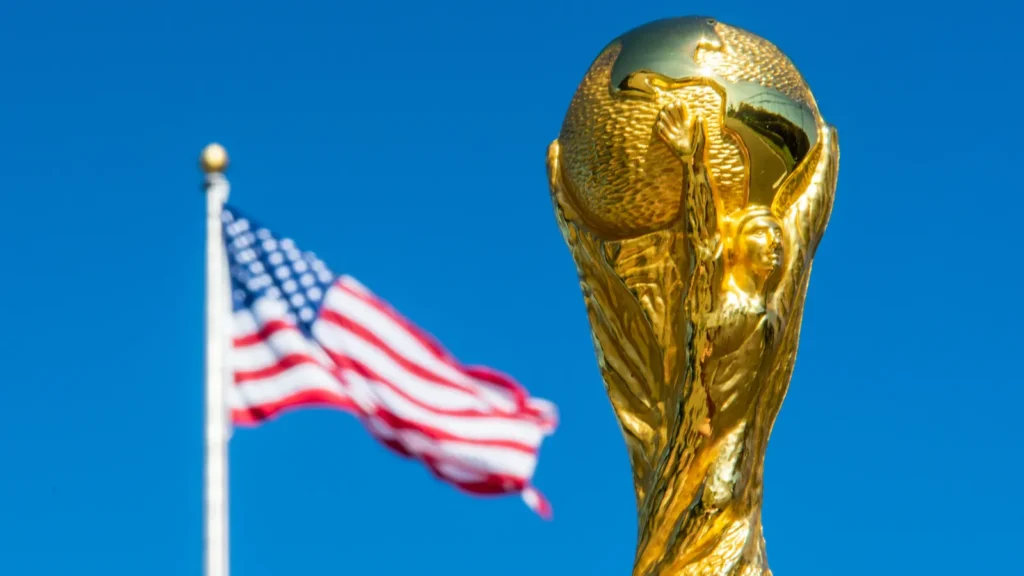
The 2026 tournament generated debate beyond Argentina. Reported concerns included ticket prices, visa denials, political displays, disciplinary decisions, and hydration breaks during periods of extreme summer heat across North America.
The expanded competition included 48 teams, 104 matches, and 16 host cities across the United States, Canada, and Mexico. Spain completed the 39-day tournament by winning its second men’s title.
Spain sets defensive tournament record
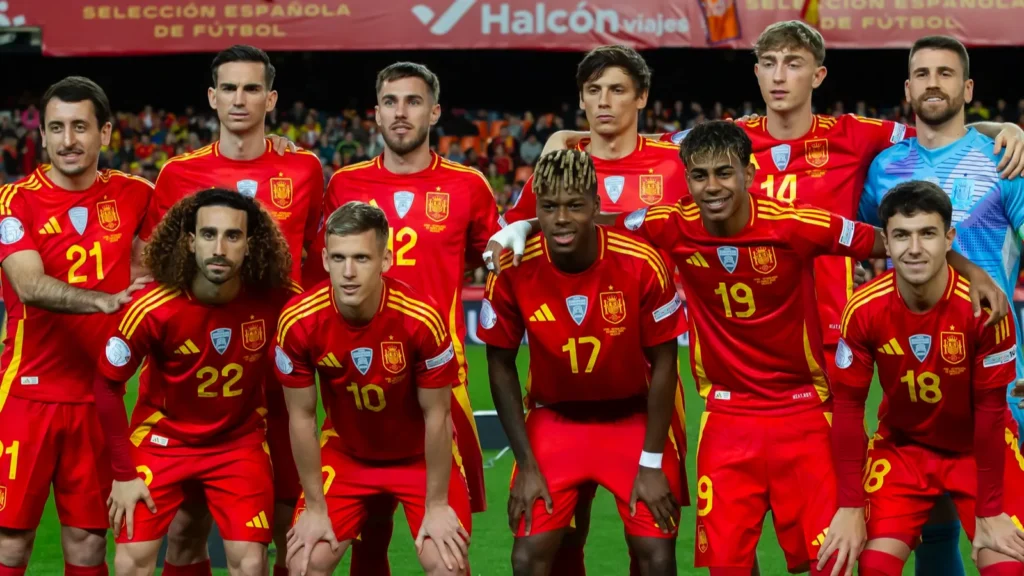
Spain entered the final unbeaten and completed the tournament with a defensive record. The champions conceded only one goal across eight matches, the fewest allowed by any men’s World Cup winner.
Spain also became the first country to hold the men’s and women’s World Cup titles simultaneously. Its women won in 2023, while the men ended a 16-year wait for a championship in 2026.
Argentina finishes second again
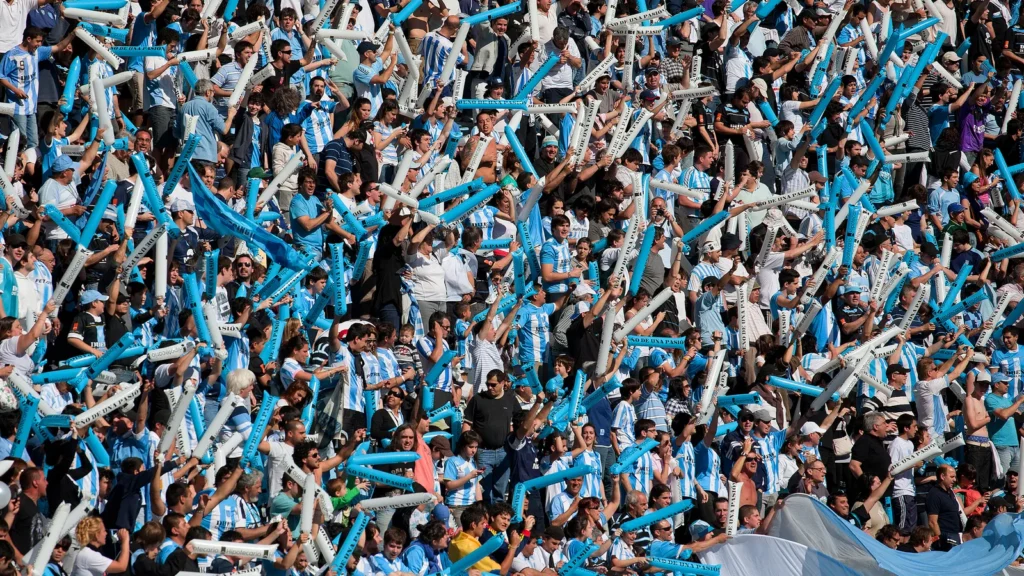
Argentina finished as runner-up for the fourth time, after second-place finishes in 1930, 1990, and 2014. The team entered the 2026 tournament as defending champion following its victory in Qatar.
Lionel Messi became the oldest outfield player to appear in a World Cup final at 39 years and 25 days. The result prevented Argentina from becoming the first repeat champion since 1962.
Ferran Torres’ “Make Spain Great Again” cap shifted attention beyond the celebration. Dive into why the message drew scrutiny and how it became part of Spain’s wider World Cup story.
Argentina ban demand has no authority
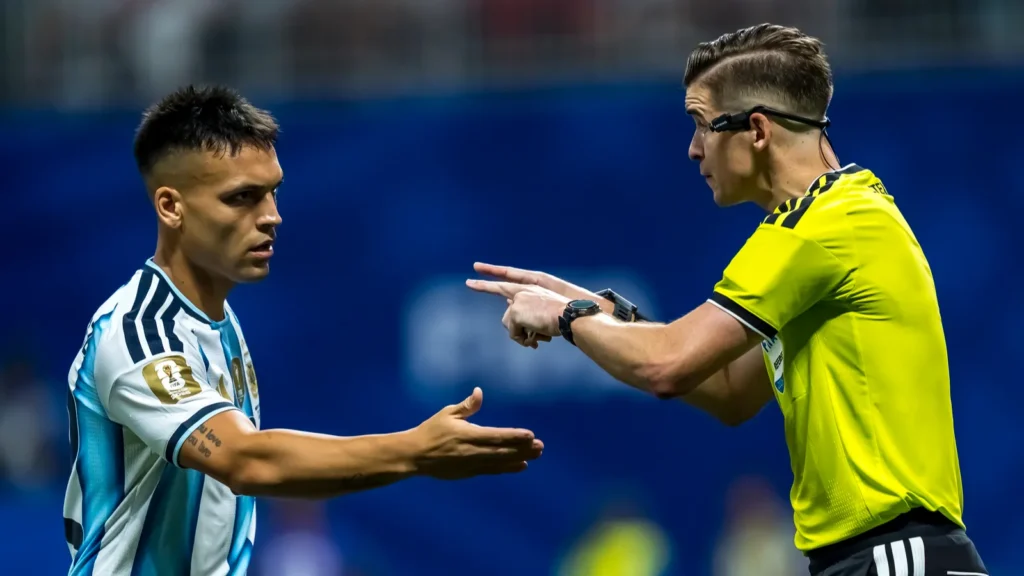
Public reaction after the final combined verified disciplinary incidents, with unproven allegations of favoritism. FIFA’s disciplinary process concerns specific conduct during the tournament and after the final, not public claims that officials predetermined Argentina’s results.
Argentina remained eligible for future competition as of July 30, 2026. Any formal sanctions would need to come through FIFA’s disciplinary process rather than a viral petition or social media campaign.
Kylian Mbappé’s season stands out across multiple competitions. Dive into the numbers behind his three scoring leads and discover which record best captures the scale of his performance.
Should FIFA focus on individual conduct, or do Argentina’s wider tournament controversies justify stronger action? Like the post and share your thoughts in the comments below!
This slideshow was made with AI assistance and human editing.
Read More From This Brand: