
A Sunday round changed everything
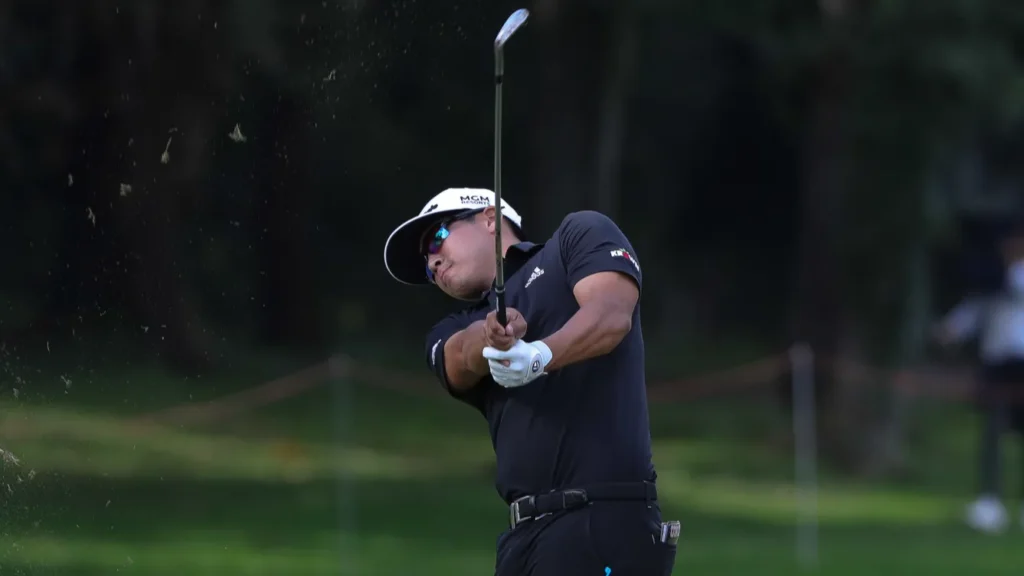
Kurt Kitayama began the final round far from the main spotlight, but his bogey-free 63 quickly became one of the loudest stories at the PGA Championship for fans everywhere.
The leaders still controlled the trophy chase, yet Kitayama stole attention by posting a number so sharp that everyone behind him suddenly had something serious to chase afterward on course.

He started with almost no pressure
Kitayama began Sunday well outside the central leaderboard drama, teeing off hours before the final pairing and 10 shots behind third-round leader Alex Smalley at Aronimink Golf Club.
That distance from the lead gave him freedom, but it also made the round harder to notice at first. He had to force the tournament to look again.
The opening birdies set the tone
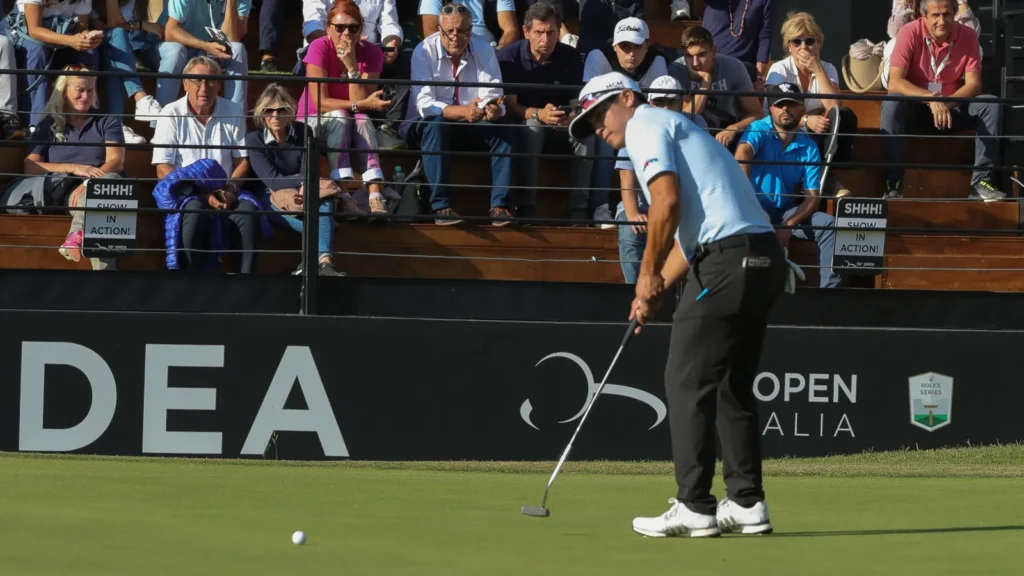
Kitayama did not ease into the round quietly. He opened with three birdies, immediately turning an early tee time into a scoreboard problem for everyone still waiting nearby on Sunday.
That fast start mattered because it changed the mood around his day. Instead of playing for position only, he suddenly looked like the course’s hottest player before the leaders teed off.

The clean scorecard mattered most
The 63 stood out because it came without a single bogey, which made the round feel controlled rather than lucky. Kitayama avoided the mistake that wrecks major Sundays.
At a championship where pressure can punish one loose swing, staying clean for 18 holes was the real achievement. The birdies were spectacular, but discipline made them count late.
He tied a major record
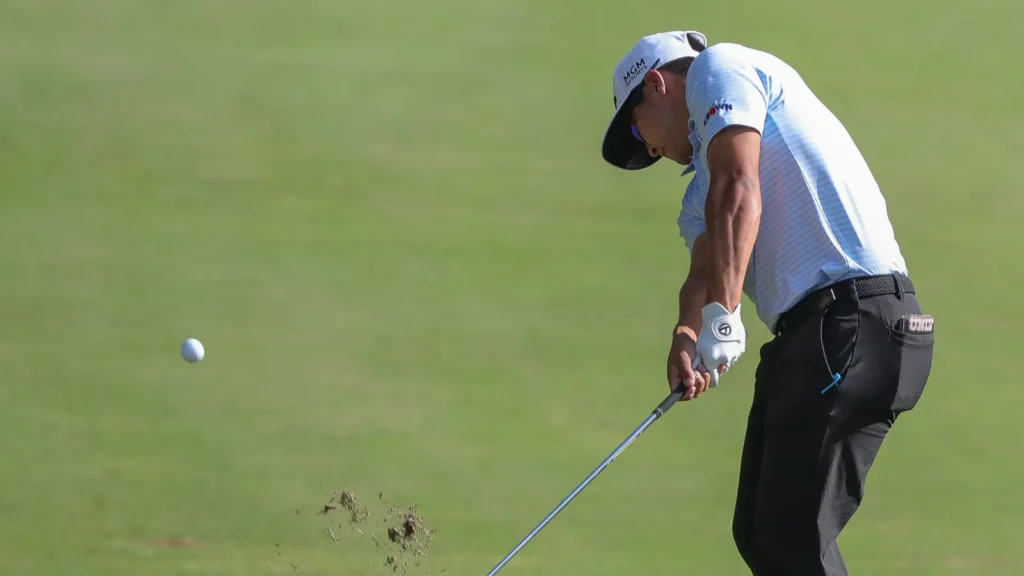
Kitayama’s 7-under 63 tied the record for the lowest final-round score in major championship history, giving his Sunday charge a place far beyond one leaderboard jump.
That kind of mark changes how a round is remembered. Even without winning, he placed himself in a small piece of major history that will keep resurfacing later.

The PGA record list got bigger
Reuters reported Kitayama became only the second player to shoot 63 in the final round of a PGA Championship, joining Brad Faxon’s 1995 mark in history.
That comparison gives the number more weight. This was not just a personal best or a hot afternoon. It was a performance matching rare championship history on Sunday.

His putter became the story
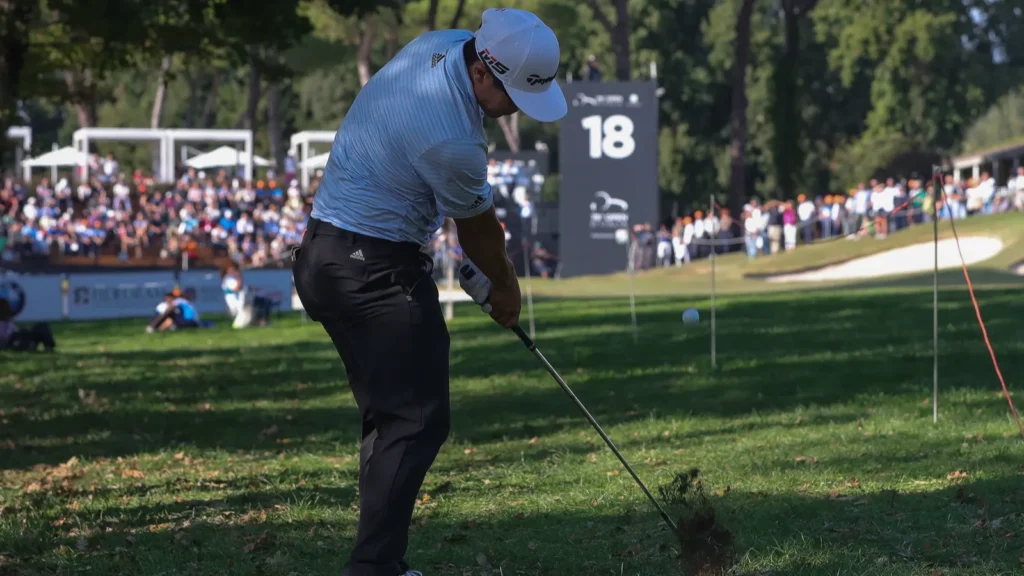
Afterward, Kitayama credited his putting and joked about help from the “putter God,” which perfectly captured how magical the round must have felt at Aronimink Golf Club.
Golfers rarely describe record rounds as fully planned. Sometimes the stroke feels free, the reads look clear, and every important putt seems slightly easier than normal across 18 holes.
Calmer conditions helped him attack
Kitayama also said calmer conditions made a difference compared with the windy earlier rounds. That gave him better chances to judge putts and trust his lines more fully.
The weather did not hand him a 63, but it opened the door. He still had to walk through it with precision, patience, and serious nerve.
The leaderboard jump was massive
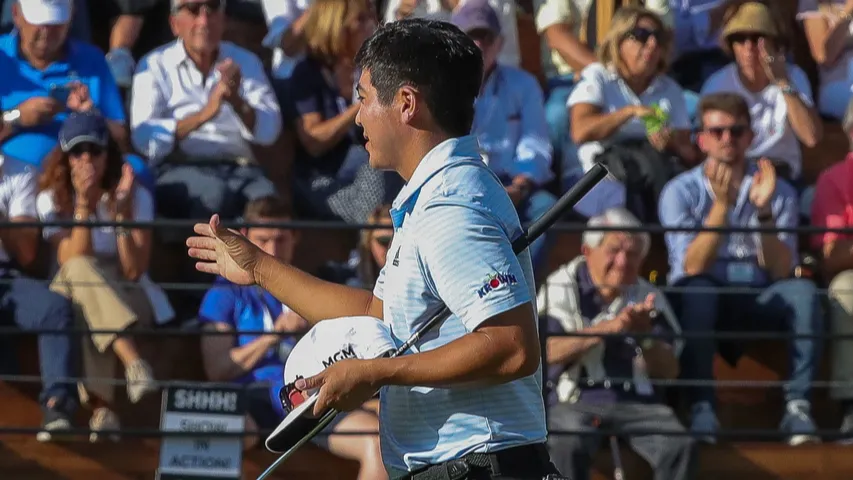
The New York Post reported Kitayama moved up 57 places after the round, climbing into a tie for seventh at 3-under when he finished Sunday.
That rise explains why his day felt so dramatic. He did not merely improve his finish. He completely changed how his week would be discussed by golf fans.

The chase still depended on others
Even after the 63, Kitayama could not control the entire championship. He finished before many contenders and had to wait while the leaders played through Sunday.
That waiting game made the round more fascinating. His number was already in the clubhouse, forcing everyone else to answer it under final-round pressure as tension grew.
Fun fact: Before becoming a PGA Tour winner, Kurt Kitayama bounced between mini tours across Asia and Europe, basically turning missed flights and cheap hotels into an accidental personality trait.
He showed why early scores matter
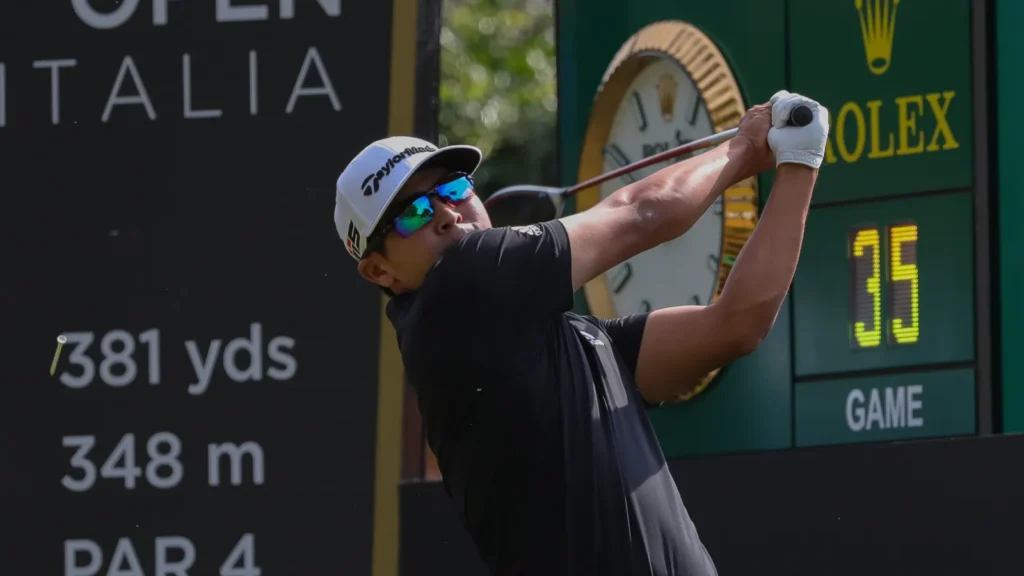
Kitayama’s charge proved that an early final-round tee time can still shake a major. A player does not need the final group to change the conversation.
Posting a historic score early creates a different kind of pressure. It turns a distant contender into the standard everyone else must measure against as nerves shift.

The performance changed his week
Before Sunday, Kitayama’s PGA Championship was not the tournament’s main storyline. After the 63, his name became attached to one of the week’s defining moments.
That is the power of one flawless round. It can rewrite the memory of an entire major appearance, even when someone else eventually lifts the trophy.
Despite their loyalty, stars like Rory McIlroy and Scottie Scheffler are increasingly choosing rest over Signature Events. Explore how recent scheduling demands and logistical burnout are forcing the PGA Tour to confront a growing crisis with its most iconic players.

Why the 63 stole attention
Kitayama stole attention because his round had everything golf fans notice, including history, precision, sudden movement, and a score that looked almost impossible under major pressure.
The bogey-free 63 did not just improve his final standing. It gave the PGA Championship a surprise Sunday chapter that felt record-worthy from the moment it landed.
Scottie Scheffler showed incredible grit at the RBC Heritage, overcoming a three-shot deficit to force a playoff before ultimately falling to Matt Fitzpatrick. Dive into our analysis of the mental toll this high-stakes battle takes on the world No. 1.
Do you think Kurt Kitayama’s bogey-free 63 was the most impressive round of the PGA Championship, or does a performance like that deserve even more attention in major golf history?
This slideshow was made with AI assistance and human editing.
Read More From This Brand: