





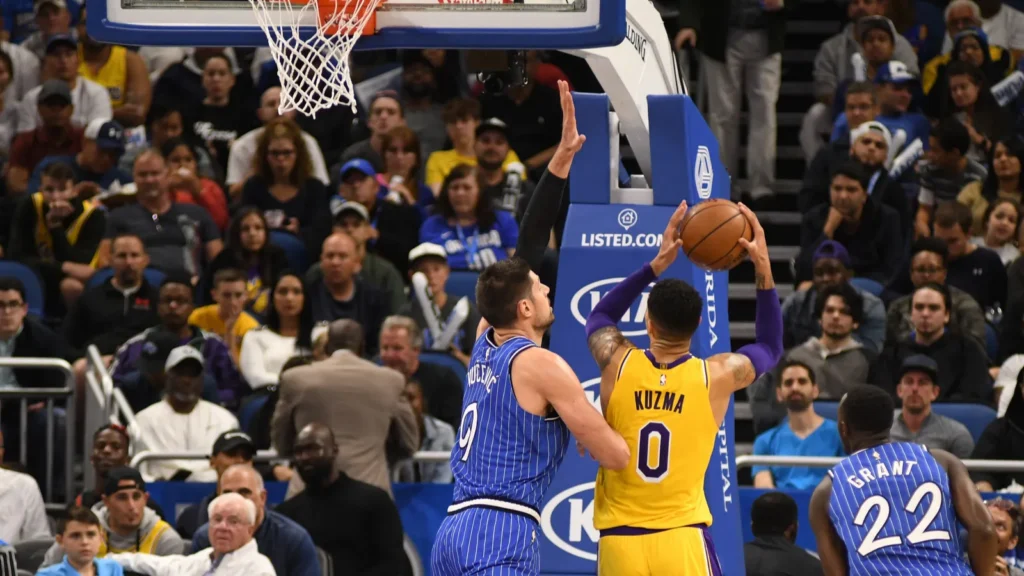
Milwaukee Bucks forward Kyle Kuzma criticized former President Barack Obama’s campaign message in Michigan, arguing that economic hardship and poverty deserve more attention than candidates’ religious identities. Kuzma posted his criticism on X on October 25, a day after Obama campaigned for Democratic candidates at Cass Technical High School in Detroit.
The disagreement highlighted differing views about the role of religious representation and economic concerns in political messaging. Kuzma argued that Michigan voters deserve greater attention to issues affecting their daily lives as candidates campaign ahead of the November 3, 2026, midterm elections.
Kyle Kuzma criticizes Obama’s campaign message
Kuzma, who was born in Flint, Michigan, criticized Obama’s campaign message in a post on X on October 25. The Milwaukee Bucks forward described the message as a “desperate psyop” and called it “unbearable to watch,” expressing frustration with the emphasis on religious identity during the campaign discussion.
Kuzma objected to the attention given to the religious backgrounds of Abdul El-Sayed, the Democratic Senate nominee, and Senator Elissa Slotkin. He argued that economic challenges, including poverty, deserved more attention in political messaging directed at Michigan voters.
His comments brought an NBA player into a political discussion involving a competitive Senate race. The response also raised questions about how candidates and their supporters address religious representation alongside issues such as living costs and financial hardship.
What Barack Obama said at the Michigan rally
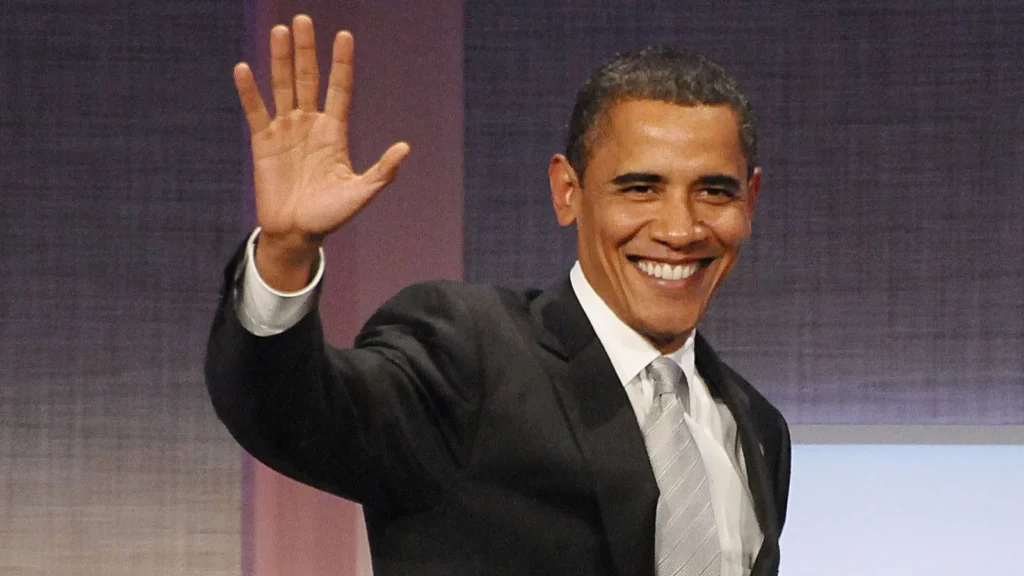
Obama appeared at Cass Technical High School in Detroit on October 24 to support Democratic candidates, including El-Sayed and gubernatorial nominee Jocelyn Benson. His visit was part of his campaign appearances ahead of the November 3 midterm elections, which include important congressional and state-level contests.
During the event, Obama discussed El-Sayed’s Muslim faith and Slotkin’s Jewish background. His remarks highlighted their different religious identities as he encouraged support for Michigan Democrats and addressed criticism directed at El-Sayed.
Obama also defended El-Sayed against attacks involving his name, religion and political views. According to published coverage of the rally, the former president compared the criticism facing El-Sayed with false claims about his own birthplace that circulated during his presidential campaigns.

Kuzma says economic issues deserve more attention
Kuzma argued that poverty among Black Michigan residents should receive greater attention in political discussions. In his post, he questioned why the religious identities of political figures were receiving attention while economic hardship remained a concern.
He wrote that “the last thing that Michiganders care about is a religious identity,” expressing his view that voters should hear more about issues affecting their daily lives. His statement reflects his personal opinion and does not establish that all Michigan residents share his priorities.
Kuzma also claimed that 1 in 4 Black people in Michigan lives below the poverty line. The U.S. Census Bureau’s 2024 American Community Survey estimated that 26.3% of Black or African American residents in Michigan lived below the poverty line, broadly consistent with his rounded figure.
Why Obama highlighted religious representation
Obama’s remarks came as El-Sayed faced criticism involving his Muslim faith and political positions. By discussing El-Sayed’s background alongside Slotkin’s Jewish identity, Obama drew attention to religious representation in American political life.
The former president also defended El-Sayed against attacks involving his identity and compared them with false claims about his own birthplace during his campaigns. His comments placed the controversy within a broader discussion about how candidates are treated during political campaigns.
Kuzma interpreted the emphasis differently, arguing that economic problems deserved greater attention. Their contrasting reactions illustrate how the same campaign message can prompt different views about the importance of religious representation and material concerns.
The Michigan Senate race adds to the controversy
El-Sayed is the Democratic nominee for the U.S. Senate in Michigan, where he is challenging Republican Mike Rogers. The open-seat contest is part of the November 3, 2026, midterm elections, which will help determine the balance of power in Congress.
Obama’s Detroit appearance was intended to support El-Sayed, Benson and other Democratic candidates. His visit brought additional national attention to Michigan as candidates campaigned on economic conditions, public policy and other issues affecting voters.
Kuzma’s criticism became part of that wider political discussion. Although his post did not change the election schedule or the candidates’ official positions, it added a public reaction to the debate over which issues should receive the most attention during the campaign.
Kuzma brings his hometown perspective into politics
Kuzma was born in Flint, Michigan, and has maintained a connection to his home state throughout his basketball career. His background provides context for his interest in the economic challenges he referenced in his post, although it does not establish that his views represent those of other Michigan residents.
The forward has also used social media to comment on issues beyond basketball. His response to Obama showed how athletes can use their public platforms to express political opinions and participate in discussions about issues affecting their communities.
In this case, Kuzma focused on poverty and the priorities of political campaigns. His comments reflect his personal assessment of the message delivered during Obama’s Michigan campaign appearances rather than an independent measurement of Michigan voters’ concerns.
Religion and economic concerns shape the debate
The disagreement reflects two different approaches to political messaging. Obama discussed religious identity while defending El-Sayed against criticism involving his faith, whereas Kuzma argued that economic hardship should receive greater attention.
Supporters of Obama’s approach may view his comments as a defense of religious diversity and a response to prejudice. Those who agree with Kuzma may believe that campaigns should devote more attention to poverty, wages, housing costs and other material concerns.
These positions are not necessarily mutually exclusive. Voters can consider economic policy and religious freedom important at the same time, and their priorities may vary according to their circumstances and beliefs.
The response brings sports and politics together
Kuzma’s comments attracted attention because professional athletes can reach large audiences through social media. His post brought basketball into a political discussion involving religion, poverty and the messages candidates use during election campaigns.
Obama has continued to participate in Democratic campaigning since leaving the White House, appearing at events to support candidates and encourage voter participation. His Detroit appearance was one of his campaign activities ahead of the 2026 midterm elections.
For Kuzma, the central issue was the message being presented to Michigan voters rather than a basketball-related matter. His criticism added another perspective to the public discussion, although its broader effect on the campaign remains uncertain.
The debate continues ahead of Election Day
The exchange took place as Michigan candidates prepared for the final stretch of campaigning before November 3. The Senate race and the contest for governor are among the major political races drawing attention to the state.
Obama used his appearance to support Democratic candidates and defend El-Sayed against criticism involving his background. Kuzma responded by arguing that poverty and other economic concerns deserved more attention in campaign messaging.
The two public figures approached the issue from different perspectives. Ultimately, Michigan voters will decide which candidates and policy positions best reflect their priorities when they cast their ballots.
Fun fact: Kyle Kuzma won an NBA championship with the Los Angeles Lakers in 2020.
TL;DR
- Milwaukee Bucks forward Kyle Kuzma criticized Barack Obama’s campaign message in Michigan, arguing that economic hardship deserves more attention than candidates’ religious identities.
- Obama appeared at Cass Technical High School in Detroit on October 24, 2026, to support Democratic candidates ahead of the November 3 midterm elections.
- Obama highlighted the potential partnership between Abdul El-Sayed, who is Muslim, and Senator Elissa Slotkin, who is Jewish.
- Kuzma argued that poverty and other economic concerns should receive greater attention in political messaging.
- The 2024 American Community Survey estimated that 26.3% of Black or African American residents in Michigan lived below the poverty line, broadly consistent with Kuzma’s “1 in 4” claim.
- The disagreement reflects differing views on religious representation and economic priorities in political campaigns.
This article was made with AI assistance and human editing.
Read More From This Brand:


