

The white C patch on an NFL jersey represents far more than ceremonial recognition.
These leaders shape team culture, bridge coaching gaps, and set standards that define championship organizations. From coin tosses to locker room speeches, captains influence every aspect of team success.
Their leadership extends beyond game day into practices, film sessions, and community presence. Understanding how elite captains lead reveals timeless lessons about influence, accountability, and building winning environments.
Let’s explore what makes these leaders indispensable.
Captains Set the Tone Through Daily Accountability
Effective captains understand their role as cultural caretakers who enforce team standards relentlessly.
Captains must hold themselves accountable for poor performances while refusing to take personal credit for victories. They confront teammates privately about effort issues and publicly celebrate those meeting standards. This uncomfortable but necessary accountability keeps teams from mediocrity.
Personal responsibility distinguishes real leaders from those with titles. Great captains admit their mistakes immediately and inspire teammates through consistent ownership. Their willingness to accept criticism while delivering constructive feedback builds trust. This authenticity transforms good teams into championship contenders through sustained accountability.

Leading By Example Outweighs Motivational Speeches
Actions speak louder than words when building credibility with teammates and coaches.
The fiercest competitors become captains because nobody outtrains or outperforms them in practice. Players naturally emulate the work ethic their captains demonstrate daily. Champ Bailey led without speeches but commanded respect through consistent excellence. This quiet leadership style proves equally effective as vocal approaches.
Tom Brady revolutionized quarterback leadership through preparation and composure under pressure. His 20 seasons as New England captain produced six Super Bowl victories through relentless example. Teammates followed his lead because his commitment was unquestionable. Example-based leadership creates lasting influence beyond any pregame speech.
Communication Bridges the Gap Between Coaches and Players
Captains serve as vital liaisons who translate coaching vision into player execution.
Strong captains relay coaching strategies while communicating player concerns to management. This two-way communication fosters unity and prevents misunderstandings that derail seasons. They must balance supporting coaching decisions while advocating for teammates’ needs. Effective communication requires emotional intelligence and timing.
Drew Brees exemplified this during challenging periods with New Orleans. His ability to unite players around shared goals kept the Saints competitive. Captains who master communication create environments where everyone feels heard. This inclusivity strengthens team bonds and improves on-field performance dramatically.
Building Team Unity Across Diverse Backgrounds
Championship teams require captains who connect players from different experiences and perspectives.
NFL rosters include players from varied socioeconomic, educational, and cultural backgrounds. Captains must bridge these differences through genuine relationships and shared purpose. Ray Lewis built brotherhood in Baltimore through passion and inclusive leadership. His entrance dances and speeches created identity and belonging.
Teams with strong captains demonstrate better unity and cohesion than those without clear leadership. Captains facilitate connections between offensive, defensive, and special teams units. They organize team activities and resolve conflicts before they escalate. This unity building transforms 53 individuals into one cohesive force.

Handling Adversity Reveals True Leadership Character
How captains respond during losing streaks and injuries defines their lasting impact.
Championship captains maintain composure when facing elimination or devastating losses. They provide stability when emotions run high and confidence wavers. Peyton Manning’s absence showed how much the Colts relied on his steadying presence. True leaders emerge strongest when circumstances present the greatest challenges.
Captains cultivate a positive culture that enhances performance under pressure through trust and accountability. They prevent panic by focusing teammates on controllable factors. This mental toughness permeates the entire roster during crucial moments.
Mentoring Younger Players Accelerates Team Development
Veteran captains provide guidance that speeds up the learning curve for rookies.
Young players need more than coaching instruction to succeed professionally. Captains share wisdom about preparation, recovery, and handling media attention. They help rookies understand unwritten team rules and cultural expectations. This mentorship prevents costly mistakes and builds confidence.
Great captains invest time in developing future leaders rather than hoarding knowledge. They recognize that team success requires multiple generations working together. Younger players who receive proper mentoring become better teammates and leaders. This cycle of development sustains winning cultures across roster changes.
Representing Team Values On And Off The Field
Captains embody organizational principles through community involvement and professional conduct.
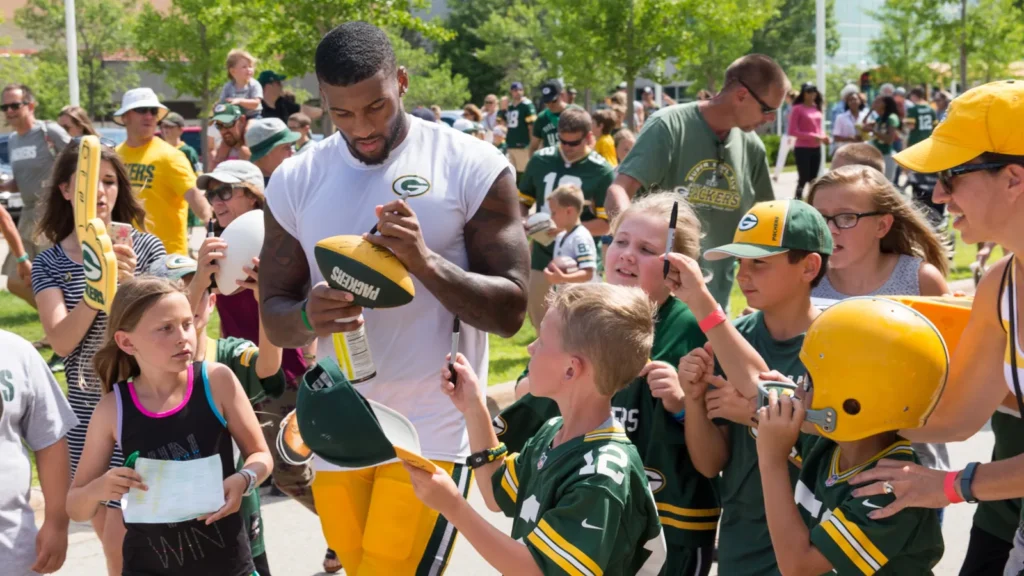
Leadership extends beyond the stadium into personal behavior and community engagement. Captains represent their teams at charity events, hospital visits, and youth programs. Their conduct reflects team values even during off-season activities. This consistent representation builds organizational credibility.
Players who fail to uphold standards off the field undermine their leadership credibility. Great captains understand they are always representing something bigger than themselves. They make decisions considering how those choices affect teammates and fans. This awareness separates respected captains from those wearing the patch without influence.
Creating Sustainable Success Through Leadership Development
The best captains prepare successors who will maintain winning standards after they retire.
Championship organizations develop multiple leaders rather than depending on a single individual. Captains who mentor younger players create sustainable leadership pipelines. They teach leadership principles that outlast their playing careers. This forward-thinking approach ensures continuity during roster transitions.
Teams that develop leadership throughout the roster handle adversity better than top-heavy organizations. The NFL captain system allows up to six leaders to share responsibilities across units. This distribution prevents overwhelming any single person with leadership burden. Sustainable success requires continuous leadership investment at every roster level.
TL;DR
- NFL captains influence team success through daily accountability and consistent example.
- Effective communication bridges gaps between coaching staff and player perspectives.
- Building unity across diverse backgrounds creates cohesive teams from individual talents.
- Leadership character shows most clearly during adversity and challenging circumstances.
- Mentoring younger players accelerates development and builds sustainable winning cultures.
- Representing team values on and off the field builds organizational credibility.
- Developing future leaders ensures continuity and sustained excellence beyond individual careers.
Read More:
- The Role of Team Chemistry in NFL Success
- Why Special Teams Coaches Are More Important Than Fans Realize in NFL
- The Science of NFL Concussions and Player Safety Evolution
This article was made with AI assistance and human editing.