


LeBron James explains how NBA defenses adjust to Wembanyama
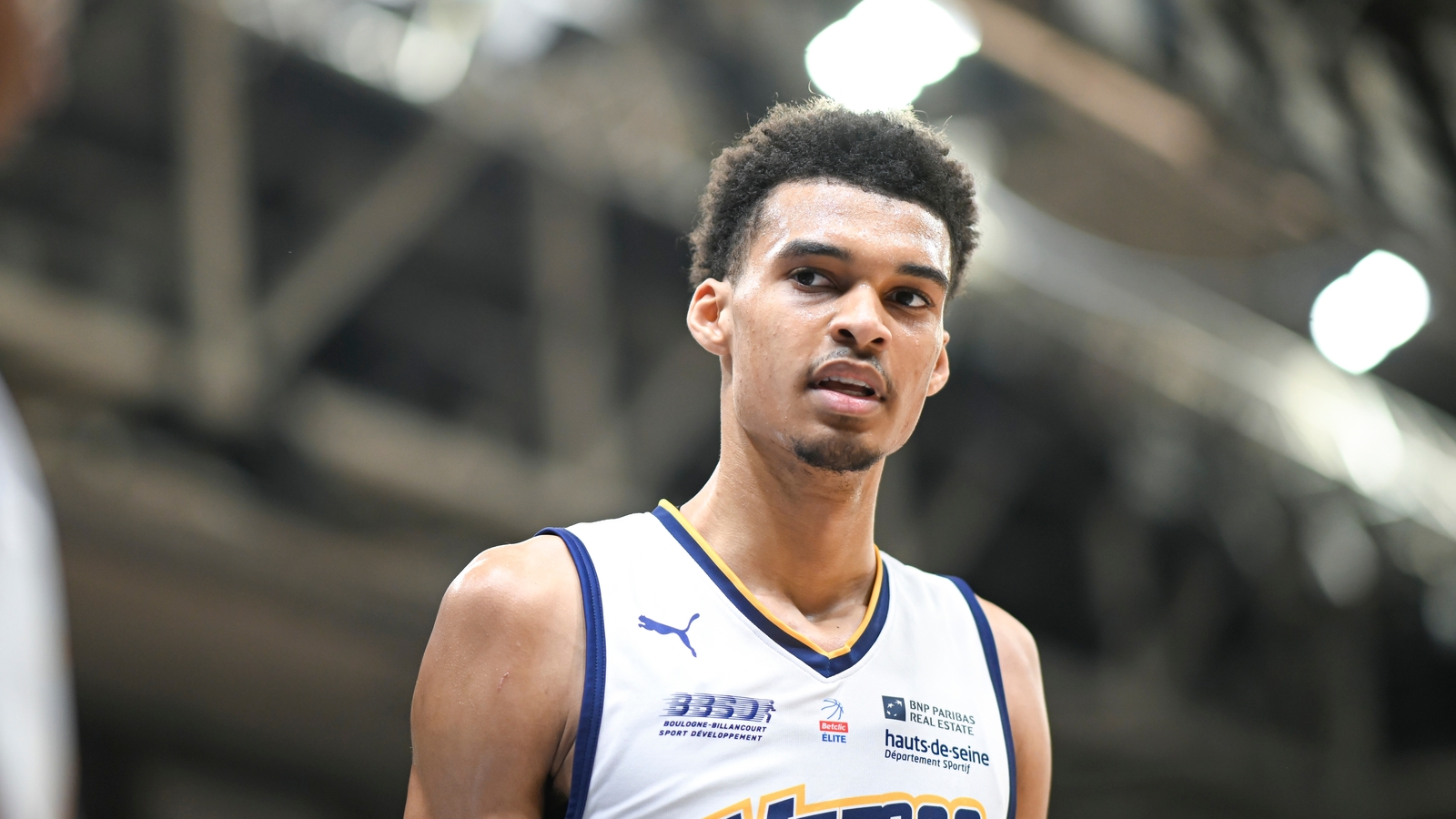
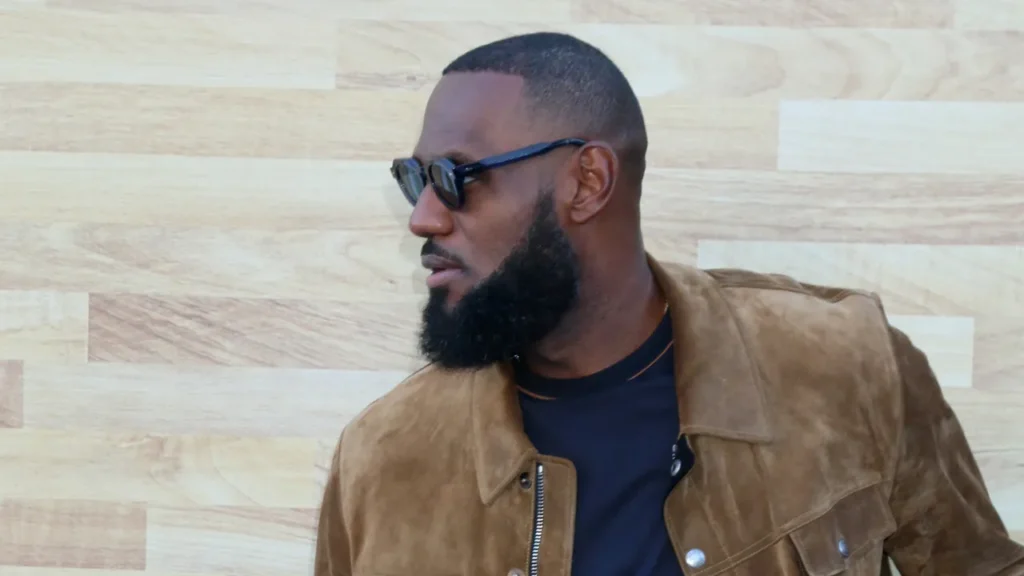
LeBron James has been closely studied for his perspective on how the NBA evolves when a player changes the balance of the game. Victor Wembanyama has quickly become one of those rare forces who forces teams to rethink spacing, defense, and matchups every night.
Recent conversations around LeBron’s analysis highlight how elite teams adjust to unique challenges rather than relying on a single solution. This slideshow breaks down the key ideas behind those discussions and what they reveal about modern defensive thinking in today’s NBA.

Wembanyama’s size and coordination create matchup challenges
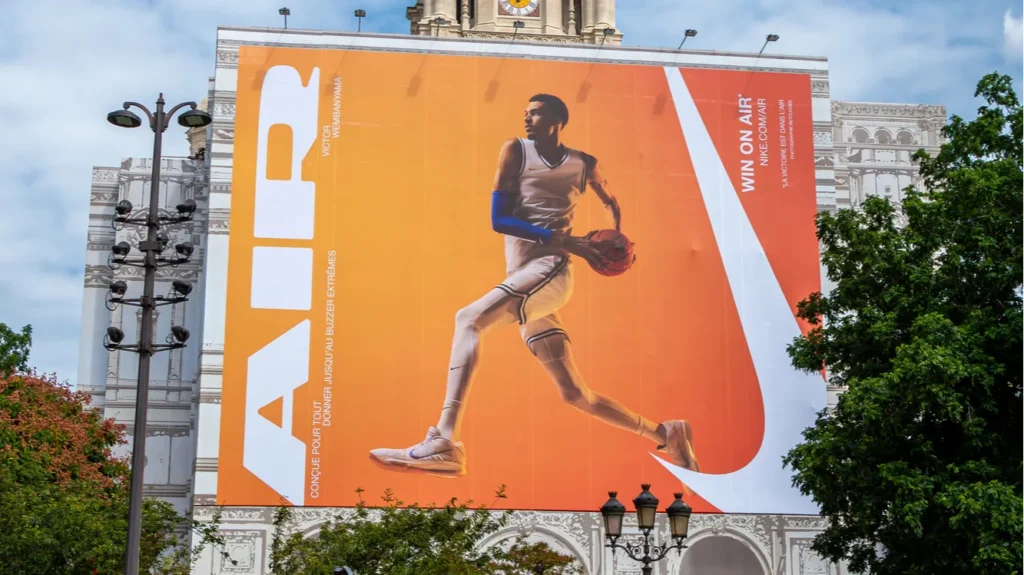
Victor Wembanyama’s height and mobility allow him to contest shots at the rim and on the perimeter. His ability to move fluidly for a player of his size creates constant adjustments for opposing offenses. Teams often change shot selection patterns when he is on the floor. This has been widely noted in NBA scouting reports.
LeBron described Wembanyama’s coordination as a defining part of his game, especially when finishing plays around the basket. Analysts note that his movement efficiency helps him recover quickly on defense. These traits contribute to his strong early defensive reputation. His skill set continues to draw league-wide attention.
Defensive spacing shifts when Wembanyama is on court
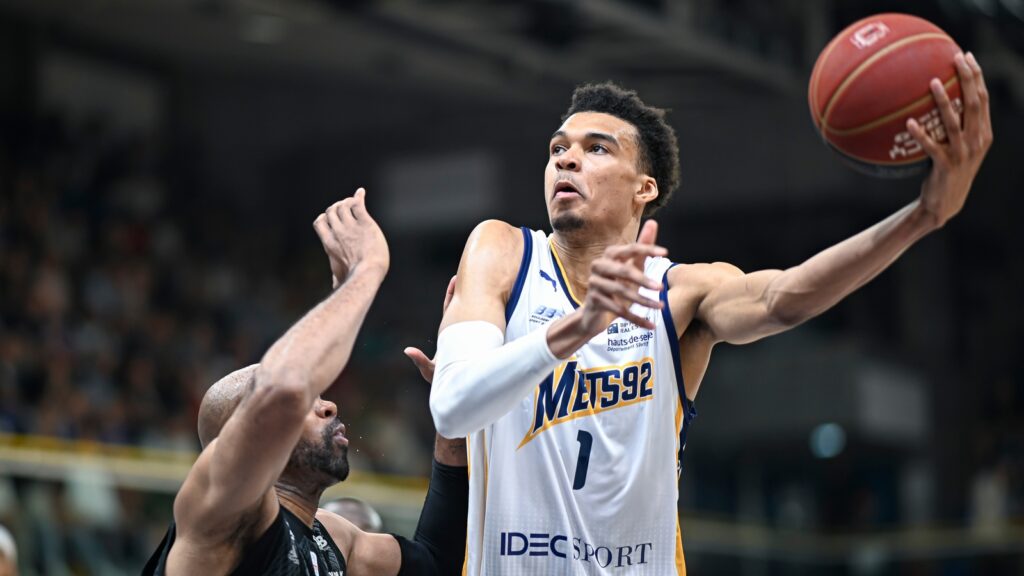
Opposing teams frequently adjust spacing to avoid high-percentage attempts near the rim. Wembanyama’s shot-blocking ability forces offenses to rely more on perimeter shooting. This shift is part of standard NBA game planning against elite interior defenders. Coaches often design sets to reduce paint congestion.
LeBron’s discussion aligns with the idea that spacing is critical against versatile defenders. Teams must balance attacking the rim with avoiding turnovers in crowded areas. This creates a more perimeter-oriented offensive approach in many matchups. The impact is visible across multiple game situations.
Low-man rotations remain a key defensive concept
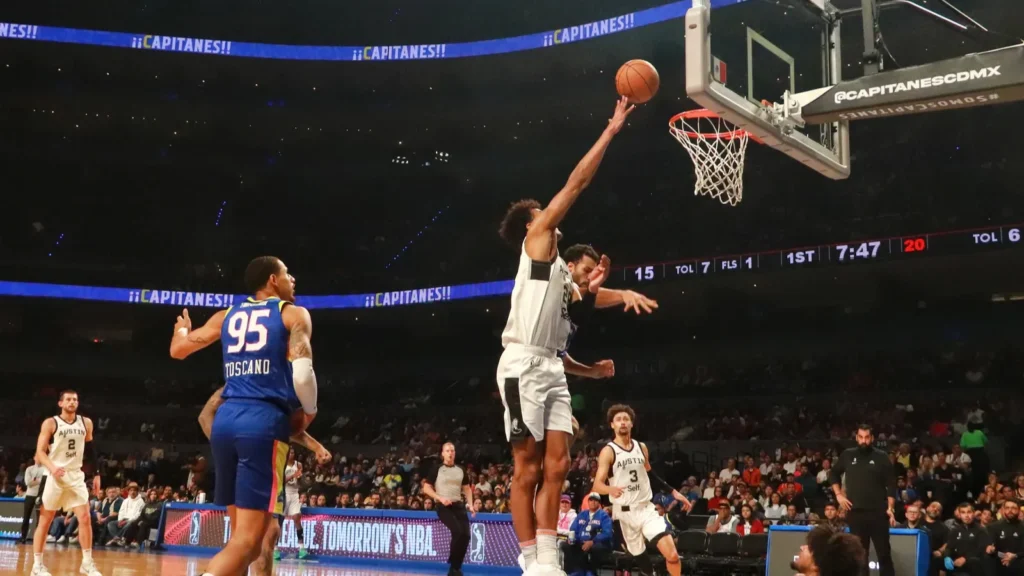
NBA defenses rely heavily on help-side positioning, often called low-man rotations, to protect the rim. These rotations are a standard part of team defensive structure across the league. Against strong interior players, timing and positioning become especially important. This principle is widely used regardless of the opponent.
In discussions around Wembanyama, analysts highlight how help defense must stay disciplined. Overcommitting can lead to open perimeter shots for opponents. Underhelping can lead to efficient scoring near the rim. This balance is central to modern defensive systems.
Physical defense is used within standard NBA rules
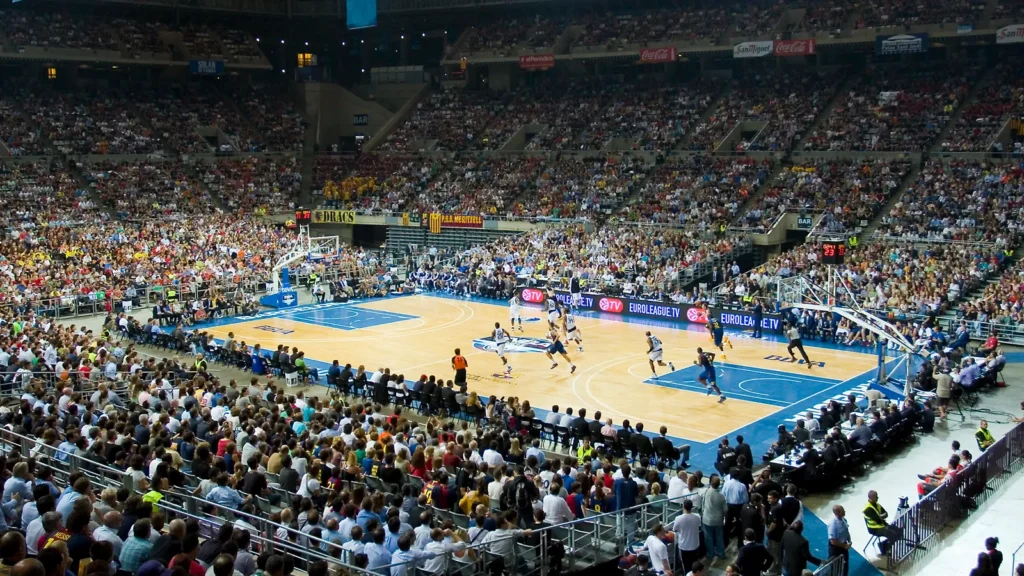
Teams often use controlled physicality to challenge interior scorers. This includes body positioning, contest timing, and verticality at the rim. These techniques are part of standard NBA defensive practice. They are applied to all elite post and rim threats.
Wembanyama faces similar defensive pressure as other dominant big men. Coaches aim to contest without fouling to maintain defensive efficiency. The effectiveness of physical defense varies by matchup and game flow. Discipline remains essential in these situations.
Double-team coverage depends on game context
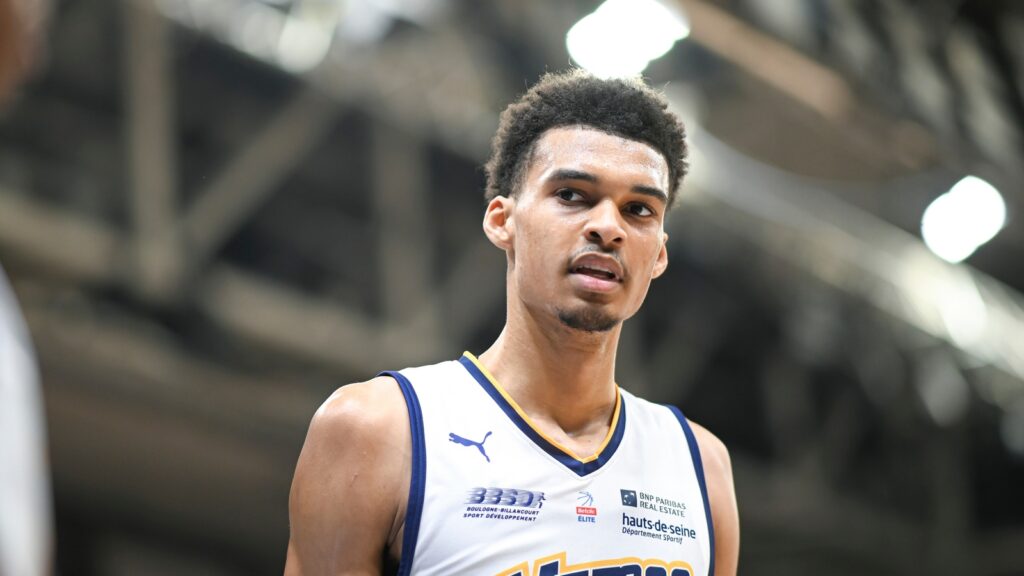
Defenses sometimes send help or double teams to disrupt post or paint touches. The timing of these rotations depends on personnel and coaching strategy. Teams must also consider perimeter shooters when collapsing into the paint. This creates trade-offs in defensive decision-making.
Wembanyama’s presence can draw additional attention in certain situations. However, defensive schemes vary widely depending on opponent lineups. There is no universal double-team rule applied to any single player. Coaches adjust dynamically during games.

Team defense is central to limiting elite players
NBA defensive success relies on five-man coordination rather than individual matchups alone. Communication and rotation speed are key factors in stopping efficient scoring. Help defense and recovery positioning determine overall effectiveness. These principles apply across all elite matchups.
Against players like Wembanyama, team structure becomes even more important. Defensive breakdowns often result in high-percentage scoring opportunities. Consistent execution reduces but does not eliminate impact. This reflects standard NBA defensive philosophy.
Efficiency is the main measure of defensive success
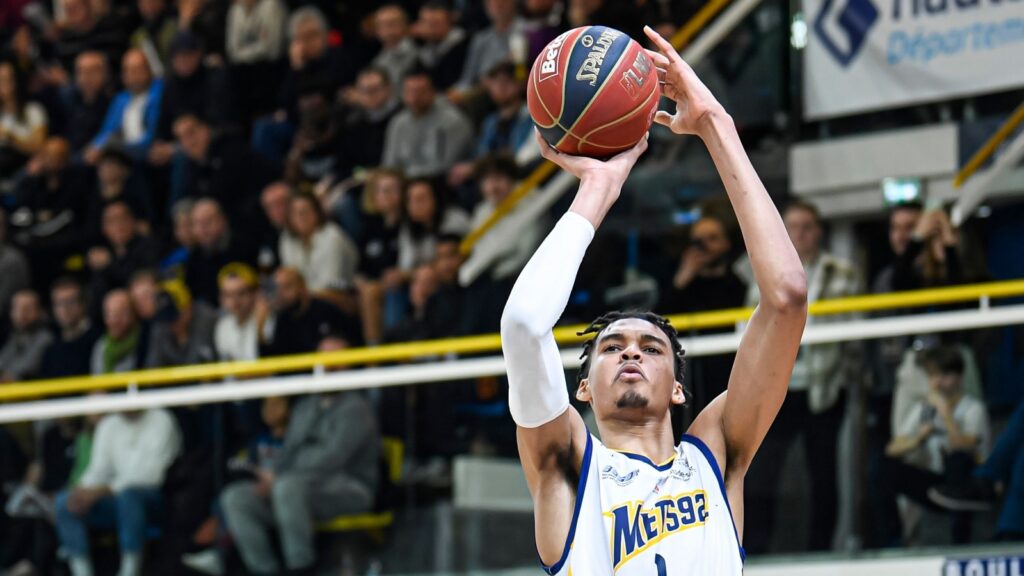
Modern NBA analysis evaluates defense through efficiency rather than complete stoppage. The goal is to reduce high-quality scoring opportunities. Rim protection and shot selection influence overall offensive efficiency. These metrics are widely used across the league.
Wembanyama’s presence has been associated with changes in shot distribution around the basket. Teams often attempt fewer contested interior shots when he is defending. This reflects measurable defensive influence. It is consistent with league-wide analytical approaches.
In-game adjustments shape modern matchups
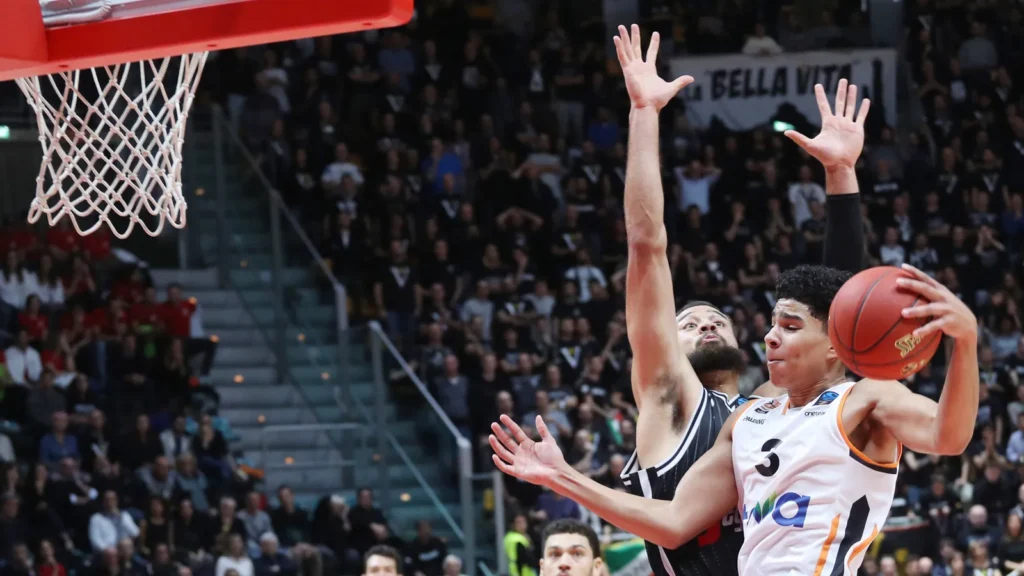
NBA games often feature multiple tactical adjustments from both teams. Defensive schemes are frequently modified based on offensive response. This ongoing adaptation is a core part of professional basketball strategy. Coaches react continuously during games.
Wembanyama, like other emerging stars, continues to adjust to defensive pressure. Early-career evaluation suggests growth in decision-making and shot selection. These adjustments are expected as players gain experience. Adaptation is a standard part of NBA development.
Interesting fact: LeBron James was selected first overall in the 2003 NBA Draft by the Cleveland Cavaliers, marking one of the most highly anticipated entries into the league in NBA history.
LeBron’s commentary reflects broader NBA analysis
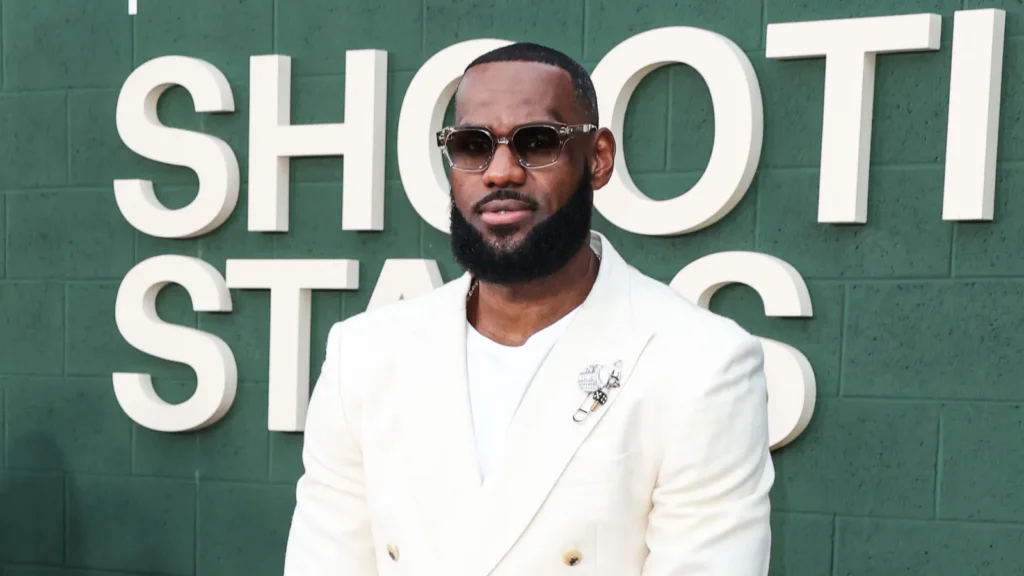
LeBron James’ observations about Wembanyama reflect common league-wide scouting perspectives. Analysts consistently highlight his defensive versatility and rim protection. These traits are central to modern defensive evaluation. His comments align with general NBA discussion.
No formal coaching blueprint from LeBron has been documented. His remarks are best understood as high-level basketball analysis. They contribute to ongoing conversations about league strategy. This reflects his experience as a veteran player.
Interesting fact: LeBron James has won four NBA titles in his career, 2012 and 2013 with the Miami Heat, 2016 with the Cleveland Cavaliers, and 2020 with the Los Angeles Lakers.

Offensive personnel influences defensive outcomes
Team success against elite defenders often depends on offensive roster construction. Spacing, shooting ability, and playmaking all influence effectiveness. Teams with multiple threats can challenge defensive coverage more effectively. This is a widely accepted NBA principle.
LeBron has previously emphasized the importance of versatile lineups in modern basketball. These concepts apply broadly across matchups, including against Wembanyama. Balanced offensive systems are harder to contain. This is consistent with league strategy trends.


Modern basketball emphasizes versatility on both ends
The NBA continues to evolve toward positionless basketball. Players are expected to contribute across multiple roles on offense and defense. This increases the importance of adaptability in rotations. Versatility is a key evaluation factor for teams.
Wembanyama represents this evolution through his ability to protect the rim and defend space. His skill set reflects modern defensive expectations. Teams increasingly prioritize players with multi-level impact. This trend is shaping roster construction league-wide.
The internet is also talking about LeBron James breaking the silence on the NBA future.
Wembanyama’s impact continues to shape league strategy
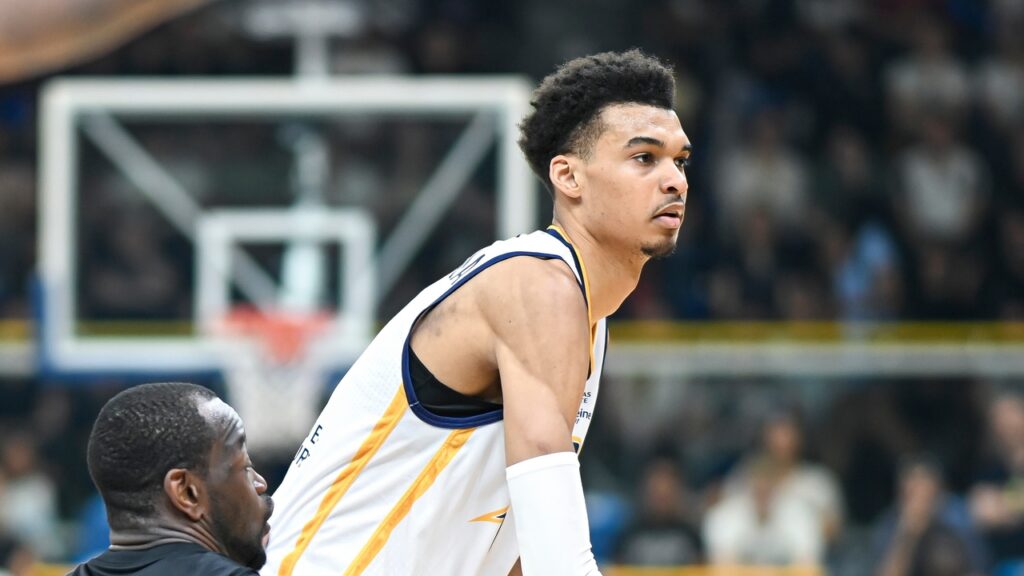
Victor Wembanyama’s early career performance has already influenced how teams approach defensive planning. His combination of size and movement continues to draw significant attention. Coaches and analysts study his impact on spacing and shot selection. This reflects his growing role in the NBA landscape.
LeBron James’ commentary adds perspective from one of the league’s most experienced players. The broader discussion highlights how elite talent reshapes strategy over time. Teams continue to adjust approaches as the league evolves. Wembanyama remains a central figure in that ongoing shift.
In other news, here’s why Tiger Woods’ silence about his future has fans talking again.
Drop your thoughts in the comments and join the discussion. If you enjoyed this breakdown of LeBron James’ perspective and modern defensive strategy, don’t forget to like this slideshow.
This slideshow was made with AI assistance and human editing.
Read More From This Brand: