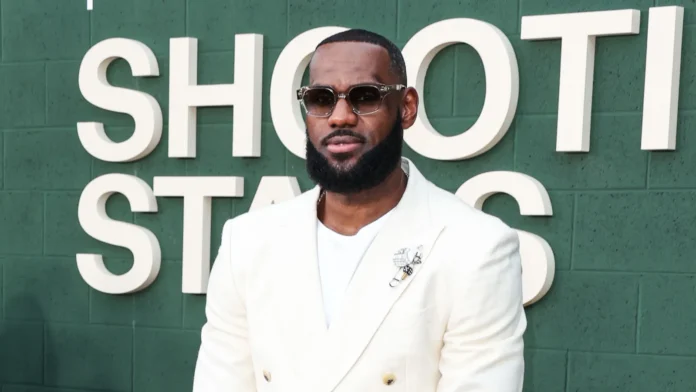
A new Bloomberg report just revealed something that sounds shocking on the surface. LeBron James reportedly borrowed close to $300 million years before he ever signed with the Lakers.
The headline may seem dramatic at first glance, but the actual story reveals a much more captivating narrative. It’s not just a straightforward issue about money; some deeper layers and complexities make the situation truly fascinating.
Bloomberg report sparks sudden scrutiny
On Tuesday, August 25, Bloomberg published a report claiming LeBron James borrowed close to $300 million. The story instantly grabbed headlines across the sports and business world. Fans began asking hard questions about his money.
The report focused on a company that James controls, King James Funding. That company issued bonds worth nearly $300 million back in 2018. This happened just months before James signed with the Lakers that summer.
How the loan actually worked
James did not walk into a bank and ask for a personal loan. Instead, his company sold bonds backed by future income streams. Those future streams included endorsement money and his lifetime Nike shoe contract.
Two Midwestern life insurance companies purchased those bonds in exchange for steady future payments. This gave James immediate access to a large amount of cash. He did not have to sell part of his business.
The original bonds carried an interest rate of 4.8 percent when they were first issued. They were scheduled to mature decades later, in the year 2049. That structure allowed James to plan carefully, well ahead financially.
Why do athletes borrow against future earnings?
Wealthy athletes often borrow against their guaranteed future income rather than sell valuable assets outright. This clever strategy lets them access large sums of cash right away. It also keeps full ownership intact for later use.
Selling a stake in a business or personal brand often means losing valuable future upside forever. Borrowing against expected income avoids that problem entirely. It remains a common move among ultra-wealthy entertainers and executives.
Financial advisors often refer to this method as asset-backed lending across the industry. It works best when future income is predictable and contractually guaranteed. James had exactly that kind of security through his sponsorship deals.
The Mark Walter Guggenheim connection
The two insurers who bought the bonds were advised by an arm of Guggenheim Partners. That firm was led at the time by Mark Walter. His name later became very familiar to all Lakers fans.
Walter became a minority owner of the Los Angeles Lakers back in 2021. He later took majority control of the entire franchise in 2025. That timeline overlaps very closely with James’ earlier financing arrangement.
Guggenheim Partners also invested money in James’ own media company, SpringHill, back in 2020. That earlier connection deepened the relationship between James and Walter’s wider business world well before any talk of Lakers ownership even began.
Little-known fact: Guggenheim backed LeBron’s SpringHill media venture in 2020 before Walter ever bought into the Lakers.
Lakers ownership ties raise eyebrows
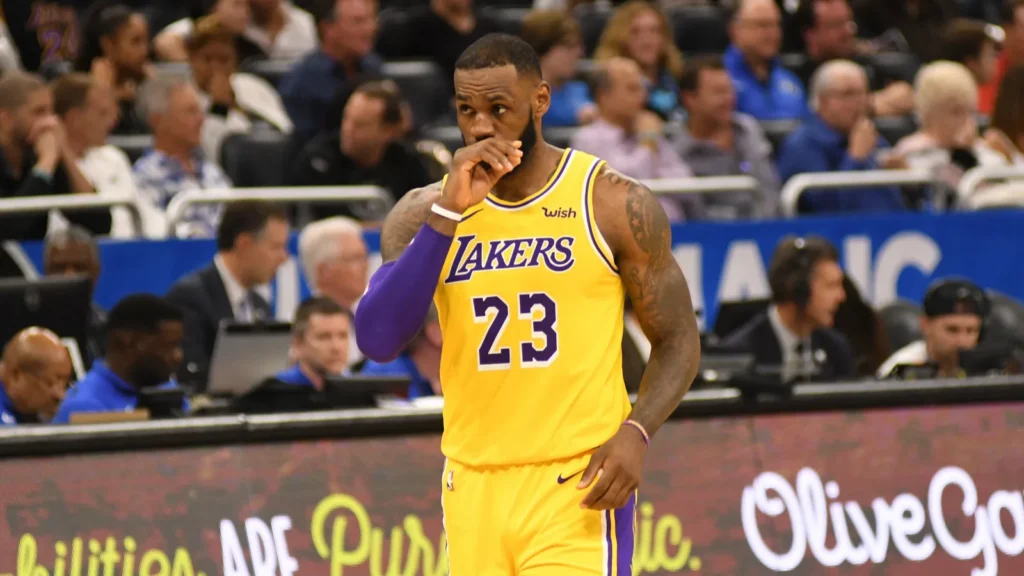
Some fans quickly wondered whether this financial arrangement had somehow influenced James’s decision to join the Lakers in the first place. Bloomberg’s own reporting found no direct evidence connecting the loan to his final decision to sign there.
During James’ entire free agency period in 2018, a longtime business partner of Walter reportedly met with him. That partner turned out to be basketball legend Magic Johnson, who helped recruit James to Los Angeles.
Even so, the timeline raised plenty of eyebrows among many curious fans and sports reporters alike. A huge loan and a major franchise move happened almost right there, side by side, that same busy year.
The 2022 contract extension deal
The financial relationship between James and those same insurers did not simply end in 2018. In August 2022, James also signed a huge new extension worth $97 million total with the Lakers.
Around the same time, his company and the insurers quietly completed yet another separate transaction. The bonds were restructured for a longer 34-year term with a new interest rate of 5.75 percent.
By the very end of 2025, roughly $245 million in bonds still remained outstanding between the two sides. That number clearly shows how much of the original financing had already been paid down over time.
Walter now faces a federal investigation
Mark Walter’s massive business empire recently came under intense public scrutiny from both federal prosecutors and top securities regulators. Investigators are reportedly examining large loans connected to his companies worth well over $20 billion.
Walter recently sold his entire ownership stake in the Lakers this year for a reported $12.5 billion. The buyers were Josh Kushner and Bob Iger, two very well-known names in sports and global entertainment.
None of the current public reporting suggests James did anything wrong or improper in these two transactions. His financing deal was simply one small piece of a much larger and far more complicated business story.
What does this mean for LeBron?
Despite the dramatic headline, James was never actually in any real, serious financial trouble. He simply used a smart, widely used strategy that many wealthy athletes and business owners rely on regularly.
His overall net worth remains firmly in the billion-dollar range thanks to endorsements, other business ventures, and his very long NBA career. Borrowing against future income did not change that overall picture much.
James left the Lakers for Philadelphia earlier this past summer, closing one long chapter of his storied career. His financial dealings with Walter’s business world still remain an interesting footnote to that entire Lakers era.
Fun fact: LeBron James’s lifetime deal with Nike is reportedly worth well over $1 billion, according to his business partners.
TL;DR
- Bloomberg reported that LeBron’s LLC borrowed nearly $300 million in 2018, before he joined the Lakers.
- The money came from bonds backed by future income, not a personal loan or debt trouble.
- The original rate was 4.8 percent, maturing in 2049, arranged through Guggenheim Partners.
- Guggenheim was led by Mark Walter, who later became the Lakers’ majority owner in 2025.
If you liked this story, don’t forget to follow us for more exclusive content.
This article was made with AI assistance and human editing.
If you liked this, you might also like: