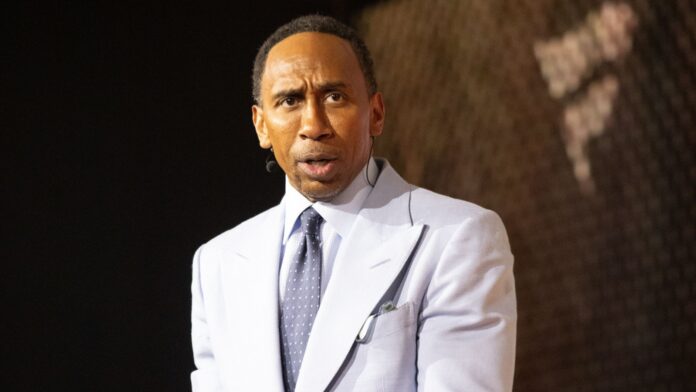
President Trump stunned the sports world by calling NBA legend LeBron James “maybe a racist” during an Oval Office interview. The comment came shortly after James announced his move to the Philadelphia 76ers.
What made the moment surprising was who stepped up to defend James. Stephen A. Smith, who has a long, well-documented feud with James, refused to stay silent, setting aside years of personal tension to call out what he viewed as divisive rhetoric from the nation’s highest office.
Trump’s Oval Office remark sparks outrage
President Trump recently called LeBron James “maybe a racist” during a live Oval Office interview with several reporters present. The surprising remark came right after someone asked him to compare James directly with Michael Jordan.
Trump praised Jordan warmly, calling him a longtime personal friend, while questioning James without offering any clear reasoning behind the wild accusation. He admitted openly that he only likes people who genuinely like him back.
James had recently left the Los Angeles Lakers to join the Philadelphia 76ers, a major move that dominated national sports headlines everywhere. Trump’s timing surprised many fans, since the controversial remark arrived just days later.
Smith breaks from the feud to defend James
Stephen A. Smith and LeBron James share a famously rocky relationship built on years of public disagreements and pointed criticism. Their feud even included a heated courtside confrontation, yet Smith still chose to defend James anyway.
Smith openly admitted he does not particularly like James, calling their relationship strained during an earlier February podcast interview. Still, he insisted that personal feelings should never stop anyone from calling out obvious injustice.
On his own show, Smith clarified he wasn’t defending James out of friendship or genuine personal admiration. He was defending a much broader principle instead, arguing presidential rhetoric always deserves scrutiny regardless of personal history.
Inside the long rivalry between them
Smith previously feuded with James over his coverage of James’s son, Bronny, a young Lakers player facing constant comparisons. That confrontation happened courtside during a regular-season game between the Lakers and the New York Knicks in March 2025.
Despite years of tension, Smith has said their disagreements never crossed into questioning James’s character or integrity, since he separates basketball criticism from personal attacks. Their rivalry has fueled entertainment segments for years, though this moment showed real limits once national politics entered the picture.
Little-known fact: Before becoming an NBA superstar, LeBron was an elite high school football player. Several major college football programs reportedly showed interest in recruiting him as a wide receiver because of his exceptional size, speed, and athleticism
What exactly did Trump say about LeBron?
President Trump called LeBron James “maybe a racist” during an Oval Office interview with reporters present. The remark came right after a reporter asked him to compare James directly with Michael Jordan.
Trump praised Jordan warmly, calling him a longtime friend, while questioning James without offering any clear reasoning. He said he only likes people who like him back. James had just left the Los Angeles Lakers to join the Philadelphia 76ers, and Trump’s comment came just hours after that news broke.
Smith’s fiery response on his show
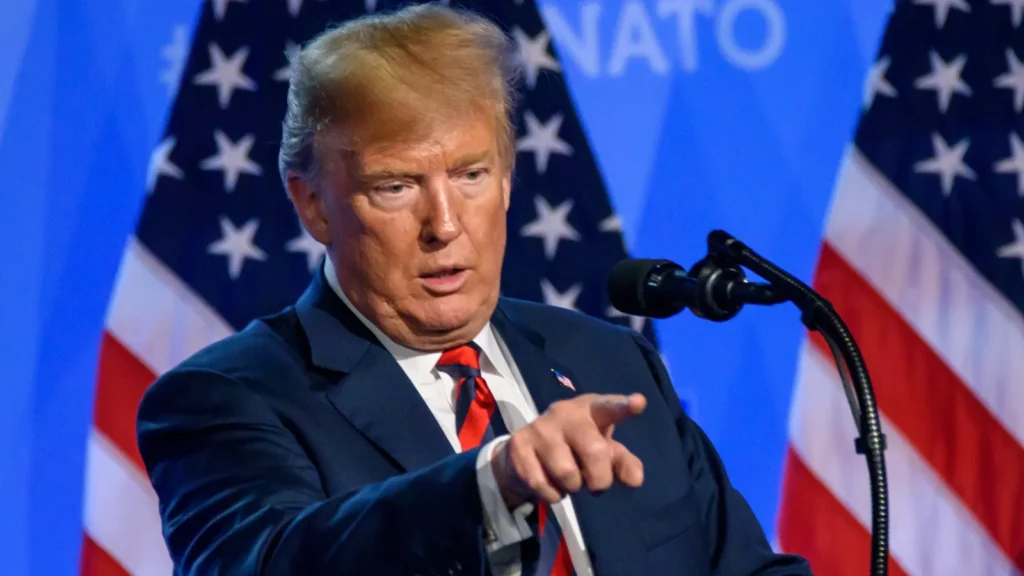
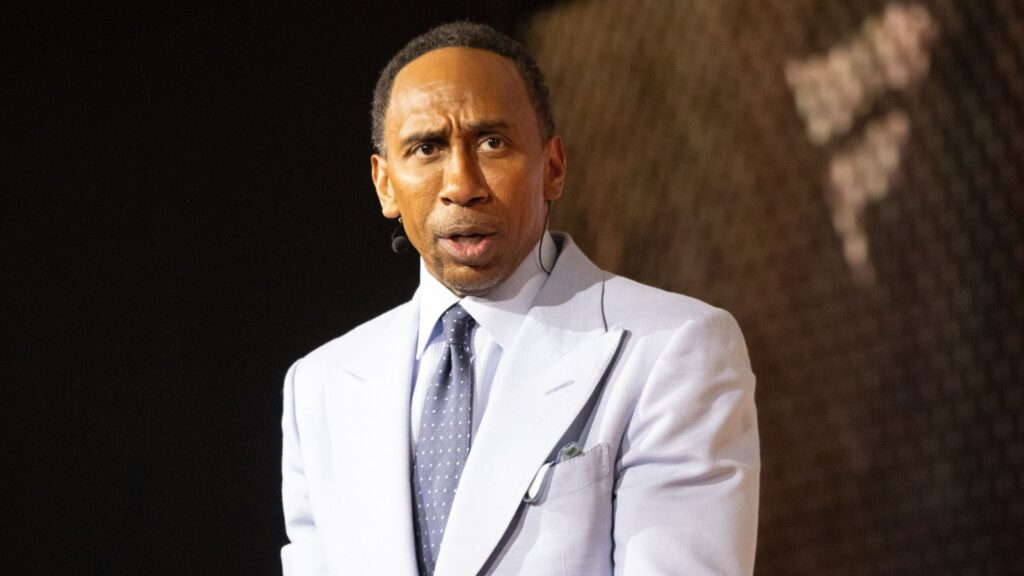
Smith opened his podcast bluntly, declaring the sitting president “trifling” before directly addressing the controversial comment head-on. He said calling James a racist crossed a clear, unacceptable, and deeply troubling line entirely, without question.
He described Trump’s rhetoric as increasingly divisive, arguing that leaders should unite citizens rather than provoke unnecessary conflict for attention. Smith said staying silent would make him complicit in normalizing genuinely harmful behavior nationwide over time.
Smith closed his commentary by insisting accountability matters regardless of anyone’s political affiliation or personal loyalty toward leadership. He urged viewers to recognize distraction tactics, saying leaders often deflect from failures using controversial public statements instead.
Little-known fact: Long before ESPN, Smith worked as a reporter for the Winston-Salem Journal, Greensboro News & Record, New York Daily News, and The Philadelphia Inquirer
White House responds to Smith’s criticism
A White House spokesperson responded when reporters formally requested comment on Smith’s pointed criticism of the sitting president. Instead of addressing the substance directly, they simply referenced an older public social media post.
That earlier post had called Smith an arrogant fool with supposedly low intelligence, dismissing his commentary entirely without engaging with it. Critics noted that the response ignored James’s actual situation entirely, focusing solely on personal insults.
The exchange highlighted a familiar pattern in which Trump frequently resorts to insults rather than substantive rebuttals during periods of public criticism. Observers said the response actually reinforced Smith’s argument about divisive communication rather than countering it.
LeBron’s history of criticizing Trump
LeBron James has publicly criticized Trump for several years now; public friction escalated significantly during Trump’s first term in office. His criticism intensified significantly during more recent national election cycles and heated campaign seasons.
In 2024, James shared content on social media highlighting Trump’s controversial historical record regarding race relations across America. That particular post openly supported candidate Kamala Harris ahead of that year’s presidential election contest.
James has said Trump’s rhetoric gives certain people an unfortunate opportunity to express open racism publicly and freely. Supporters of the president have consistently rejected these criticisms, calling them partisan, exaggerated, and politically motivated.
Why this feud matters beyond sports
This clash reveals how sports and politics increasingly intersect in modern American culture and public conversation nationwide. Athletes now face intense scrutiny extending far beyond their actual performance on courts and playing fields.
Smith’s willingness to defend a longtime rival demonstrates that, for some people, certain principles outweigh personal grievances entirely. It highlighted an unexpected unity forming against rhetoric that many genuinely considered inappropriate, unnecessary, and simply unacceptable.
As both figures remain prominent public voices, further exchanges seem likely given ongoing political tensions nationwide. Audiences will undoubtedly continue to watch closely whenever sports and politics fully collide publicly again in the future.
TL;DR
- Trump called LeBron James “maybe a racist” during an Oval Office interview after being asked to compare him with Michael Jordan.
- Stephen A. Smith, despite a long public feud with James, called Trump’s comment “trifling,” “disgusting,” and “unpresidential” on his show.
- The White House responded by resurfacing an old post calling Smith “an arrogant fool” rather than addressing the criticism.
- James has criticized Trump for years, including a 2024 social media post in support of Kamala Harris.
If you liked this, don’t forget to follow us for more exclusive content.
This article was made with AI assistance and human editing.
If you liked this, you might also like: