

LIV Golf has announced a potential financial lifeline after months of uncertainty. CEO Scott O’Neil said an unidentified lead investor signed a board-approved agreement intended to support the league’s next phase. The final terms have not closed, although O’Neil hopes to complete them in September and establish a funding structure through 2030.
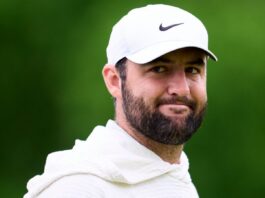
LIV has not resolved all financial and contractual issues. O’Neil also declined to provide definitive updates on Bryson DeChambeau and Jon Rahm. Their positions remain important because DeChambeau’s current contract expires after this season, while Rahm has a longer agreement with undisclosed remaining obligations.
LIV Golf announces a preliminary investor agreement
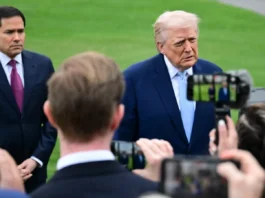
O’Neil announced a preliminary investment agreement at Trump National Golf Club Bedminster before LIV Golf New York. He did not identify the investor or disclose the investment amount. He said LIV’s board had approved the signed term sheet.
The announcement followed PIF’s decision to stop funding LIV after the 2026 season. Before providing future funding, the new investor would finalize the agreement. Officials have not released key financial details.
O’Neil said he hopes to finalize the deal in September. He also said more than a dozen parties have expressed interest in minority investments. The investor identities and ownership terms remain undisclosed.
Financial obligations still cloud LIV’s future
The “Financial Times” reported that BC Partners’ credit division is the potential lead investor. The report also said additional minority investors could join the deal. LIV Golf, PIF, and BC Partners have not confirmed the investor’s identity.
LIV still faces significant financial commitments under player contracts. Reports say Jon Rahm could be owed up to $150 million under his deal. However, LIV’s total player obligations have not been publicly confirmed.
The final agreement could include contract changes, equity, and other financial restructuring. The “Financial Times” also reported that bankruptcy options had been discussed, though no filing has been made. The new term sheet does not remove LIV’s financial uncertainty.
Bryson DeChambeau faces a contract decision
DeChambeau’s reported $125 million LIV contract expires after the 2026 season. That makes his next deal important to LIV’s future plans. The terms of player contracts remain private.
Reports say DeChambeau took part in investor discussions and attended meetings at Bedminster. He also led a players-only meeting after LIV executives met with team captains. The full details of those discussions were not made public.
DeChambeau’s management agency denied helping secure LIV’s new lead investor. That does not rule out his personal involvement in investor talks. He has expressed support for LIV but has not announced a 2027 contract.

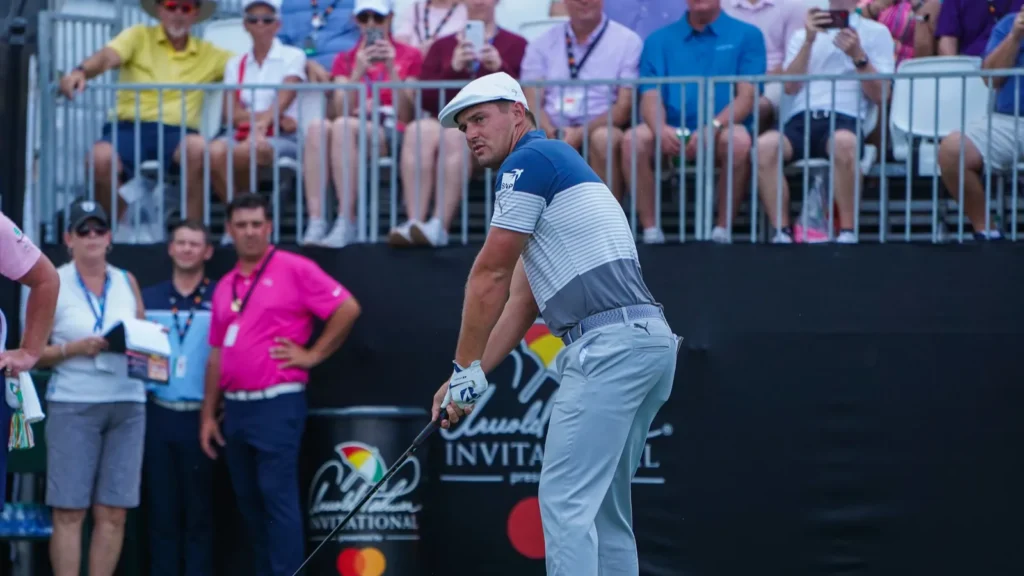
Jon Rahm remains tied to a longer contract
Rahm has confirmed that his LIV agreement extends for several years beyond 2026. He has not publicly confirmed that it expires specifically in 2029. His situation differs from DeChambeau’s because Rahm said he saw few ways to leave under the contract as currently written.
The Financial Times and subsequent reports said Rahm may still be owed up to $150 million. That figure is based on reporting about a private, back-loaded contract rather than an official LIV disclosure. It remains unclear how the proposed investors, PIF and Rahm, would handle all outstanding payments or any possible contractual changes.
Rahm said his role was to play golf rather than participate in investor meetings. He acknowledged that a new LIV business plan could require concessions from captains and players. He has not announced a departure, but neither has LIV publicly guaranteed that his existing agreement will continue unchanged.
Potential investors reportedly want star-player assurances
The “Financial Times” reported that potential investors want assurances that top players will remain with LIV. Jon Rahm and Bryson DeChambeau have been identified as key to the league’s value. LIV has not disclosed any binding player-retention terms.
PIF has invested more than $5 billion in LIV since its launch. The proposed “LIV Golf 2.0” would feature fewer events, lower spending, and multiple investors. Whether that model will be financially sustainable remains uncertain.
O’Neil is working to resolve player contracts as LIV plans its future. Those decisions could affect media, sponsorship, and team values. However, claims about investor requirements remain unconfirmed.
Fun fact: LIV Golf’s inaugural tournament began at Centurion Club near London in June 2022.
Players are considering alternatives amid the uncertainty
Some LIV golfers or their representatives have explored options involving other tours. A return to the PGA Tour would not be automatic, as the tour currently imposes an ineligibility period on players who competed in unauthorized LIV events. LIV’s uncertain future nevertheless gives players a reason to examine alternative schedules.
DeChambeau said that if LIV ceased operating, he would concentrate on growing his YouTube channel and play in tournaments willing to accept him. He did not say that he had already chosen YouTube over professional tournament golf. His statement described a contingency plan rather than a current departure.
Other players have also publicly acknowledged alternatives. Cameron Smith said he would return to the PGA Tour if LIV were no longer available, while Lucas Herbert’s management reportedly held precautionary discussions with the PGA Tour. It is therefore inaccurate to say that few players have made visible moves or comments.

The proposed structure would give players majority equity
O’Neil said the restructured LIV would make players majority equity holders. He described it as a league built “by and for the players.” That characterization reflects his view rather than an independently verified industry first.
Equity could give players a stake in LIV’s future value. It may also become part of contract negotiations. Whether it will convince players to stay remains unknown.
LIV has not explained how the equity would be distributed or valued. Player eligibility and ownership rights also remain unclear. Those details depend on the final restructuring agreement.
Major questions remain after the announcement
O’Neil said no final decision had been made on the Michigan Team Championship. The event remains scheduled for August 27–30, though reports suggest cancellation is possible. LIV has not officially announced any change.
O’Neil hopes to finalize the lead-investor agreement in September. That remains a target rather than a confirmed deadline. No official timeline has been released for player contract decisions.
Rahm and DeChambeau remain key figures in LIV’s future plans. However, the league’s long-term outlook also depends on financing, scheduling, media rights, and existing obligations. The investor announcement is an important step, not a final solution.
Little-known fact: O’Neil became LIV Golf’s second CEO in January 2025, succeeding the league’s first CEO and commissioner, Greg Norman.
TL;DR
- LIV Golf confirmed a new lead investor but did not name the firm or reveal the deal size.
- Bryson DeChambeau’s current contract expires at the end of this season, leaving his future open.
- LIV reportedly owes Jon Rahm nearly $150 million under his contract.
- New investors reportedly want firm guarantees that the league’s top stars will remain in place.
- LIV hopes to finalize a full agreement by September, along with a new players’ equity ownership plan.
If you liked this story, don’t forget to follow us for more exclusive content.
This article was made with AI assistance and human editing.
If you liked this, you might also like: