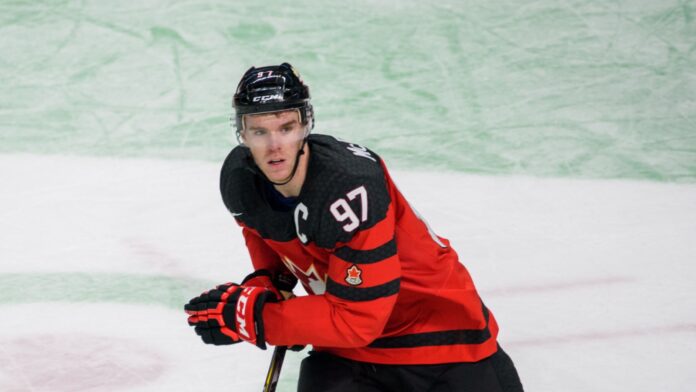
Connor McDavid’s public demand for a full review of how the league handles suspensions has cracked open a debate that hockey fans and players have quietly simmered over for many years. What started as one controversial ruling quickly became a full-blown crisis of confidence in the NHL’s entire disciplinary system.
The league can no longer afford to look the other way. A dangerous hit, a lenient punishment, and a global superstar speaking out have all collided at once. This is a story about power, accountability, and whether the NHL is truly willing to protect its players when it matters most.
Let’s break it all down.
The hit that started it all
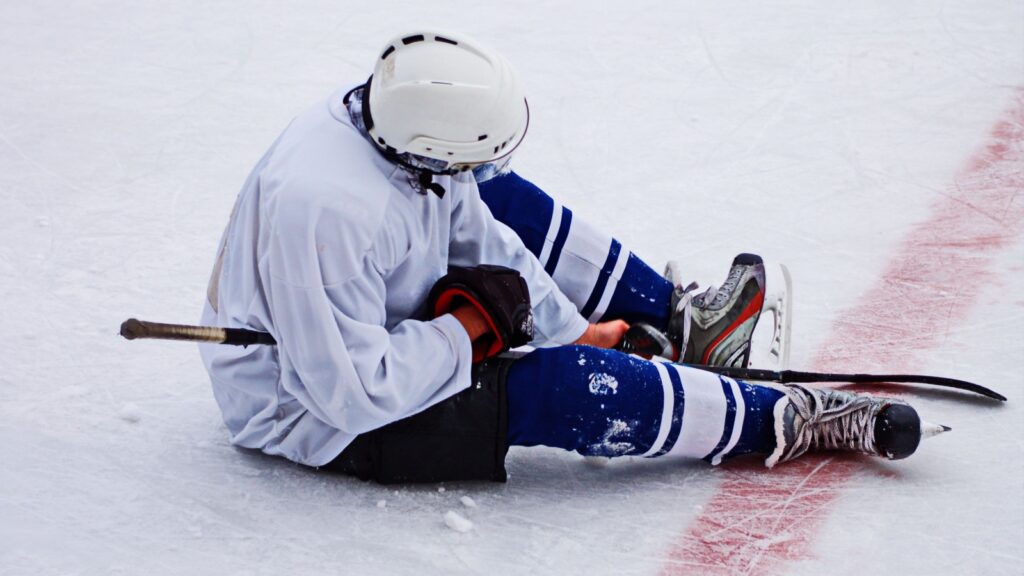
On March 12 2026, Anaheim Ducks defenseman Radko Gudas delivered a forceful knee-on-knee hit to Toronto Maple Leafs captain Auston Matthews late in the second period at Scotiabank Arena. Matthews was in obvious pain and did not return to play. Every single hockey fan felt the weight of that moment.
The Maple Leafs announced that Matthews had suffered a Grade 3 MCL tear and a quad contusion that ended his regular season entirely. He had been Toronto’s leading scorer with 27 goals that year. Losing their captain with 16 remaining games hit the entire franchise hard, both emotionally and competitively.
A suspension that shocked everyone
The Department of Player Safety reviewed the play and scheduled a phone hearing with Gudas. Under the Collective Bargaining Agreement, a phone hearing limits any possible suspension to a maximum of five games. The department determined five games was the right punishment, and that is exactly what was handed down.
The outrage across the entire hockey world was immediate. Matthews’ agent Judd Moldaver called the ruling laughable and preposterous in a statement released to ESPN. He said the decision resulted in a further loss of confidence in the disciplinary process and suggested the Player Safety Department itself should be suspended.
Gudas has been here before
His most severe ban came in 2017 when he slashed Winnipeg Jets forward Mathieu Perreault in the neck while Perreault was lying prone on the ice. That single incident earned Gudas a full 10 games. The fact that a player with that history received only a phone hearing angered many people.
Under NHL rules, a player is considered a repeat offender for 18 months after his most recent suspension. Because Gudas had not been suspended since 2019, that designation did not apply here, even though the league can still consider a player’s broader disciplinary history.
Fun fact: Gudas openly embraces the nickname “The Butcher,” a moniker he has discussed publicly on NHL Now. For a player with five career suspensions, it is hard to argue with the label.
McDavid speaks up
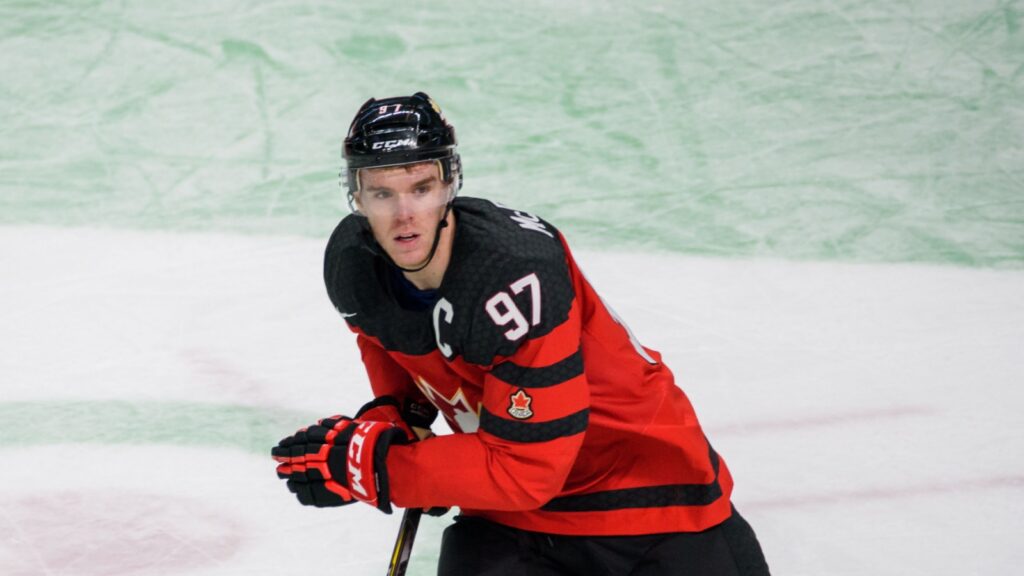
Edmonton Oilers captain Connor McDavid addressed the situation publicly on Sunday, March 15. He acknowledged that the Department of Player Safety has a genuinely difficult job, saying player safety has done its best and that it is not easy, while also making clear he believes the process should be reviewed.
McDavid issued a direct challenge to the league. He said that if every single suspension leads to widespread frustration, then the NHL and the players’ association should find a better way to keep both parties fully satisfied. For a player of his global stature to publicly demand structural reform was significant.
Fun fact: McDavid was never supposed to play youth hockey at age three. His parents lied about his age so he could join a league that required players to be at least five. By age six, he was already competing against nine-year-olds.
Agents and analysts pile on
The backlash did not stop with McDavid. Prominent NHL agent Allan Walsh publicly blasted George Parros after his comments at the general managers’ meetings, calling the league’s response tone-deaf, while criticism of the suspension’s consistency spread widely across hockey media and online discussion.
Leafs head coach Craig Berube called the hit dirty and firmly said the punishment did not fit the crime at all. Matthews’ frequent linemate Matthew Knies agreed. The two teams are scheduled to face each other again on March 30 in a game that will carry a very charged atmosphere.
How the discipline system actually works
Understanding the system helps explain why so many players and fans are frustrated with how it operates. The NHL’s Department of Player Safety was established before the 2011-12 season under Brendan Shanahan, and it reviews on-ice incidents that may warrant supplemental discipline. The department monitors every NHL game from a video room at league headquarters in New York City.
The process splits hearings into two distinct types. A phone hearing caps the suspension at five games. An in-person hearing applies to bans of six or more games. Critics argue that offering Gudas only a phone hearing for a hit that ended a superstar’s entire season reveals a serious flaw.
Why this moment matters
This is bigger than one hit, one suspension, or even one superstar’s very public and pointed opinion. The NHL has faced years of criticism over its entire disciplinary process, but having its very best player publicly demand reform is something genuinely different. McDavid’s willingness to speak out reflects a growing sense among players that the current system simply does not protect them adequately when it really matters.
Whether the league acts or continues to defend a system that even its own players openly distrust will define how the NHL is viewed for years to come. The outrage is simply not fading. McDavid has made sure of that, and the league now faces a choice it cannot avoid.
TL;DR
- Radko Gudas received a five-game suspension for a knee-on-knee hit that ended Auston Matthews’ season with a Grade 3 MCL tear.
- The NHL gave Gudas a phone hearing, capping the maximum suspension at five games despite four prior suspensions totaling 21 games.
- Connor McDavid publicly called on the NHL and NHLPA to review the entire discipline process due to widespread frustration.
- The controversy has reignited calls for reform, especially around how repeat-offender history is weighed and why a phone hearing can cap discipline at five games in severe cases.
This article was made with AI assistance and human editing.
If you liked this, you might also like: