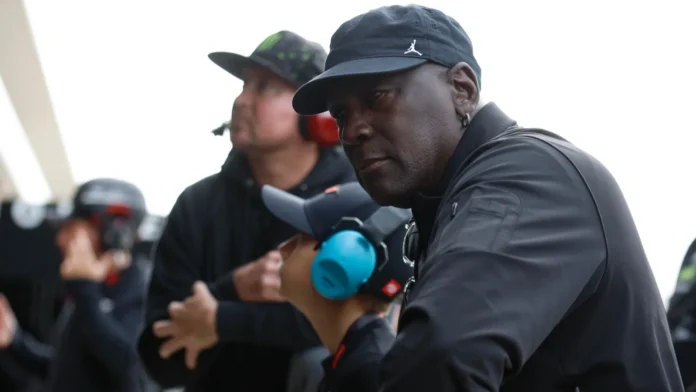
Michael Jordan built a reputation as the most fearless competitor in NBA history. For decades, he insisted he never feared any opponent on the basketball court. But in a candid interview years after retirement, Jordan finally admitted something different.
He named one player who genuinely intimidated him. That player was Shaquille O’Neal. The confession surprised fans who had only ever seen Jordan project total confidence.
A confession years later
Jordan made this admission during a conversation with journalist Jackie MacMullan on her Icons Club podcast. He said he had never shared the story publicly before that moment. The setting felt more personal than a typical postgame interview.
Jordan spoke openly about a rare moment of doubt early in a game against O’Neal. This was a notable shift for a man famous for projecting invincibility. Throughout his career, Jordan rarely admitted weakness to reporters or opponents.
The Last Dance documentary reinforced this image, showing a player who backed himself in every challenge. His honesty about O’Neal added a human layer to his legendary competitive story.
The return from baseball
The story took place during the 1995 season, right after Jordan returned to the NBA. He had spent roughly 1.5 years playing minor league baseball. Coming back to basketball meant facing a completely different physical landscape.
Younger, bigger players like O’Neal had entered the league during his absence. O’Neal was in his third season with the Orlando Magic at the time. He was already dominating the league physically, averaging close to 30 points and 11 rebounds per game.
His combination of size and athleticism was unlike anything Jordan had faced before his baseball detour.
Seeing Shaq for the first time
Jordan described O’Neal as the biggest player he had ever seen in terms of raw physicality. He explained that O’Neal’s size created genuine hesitation about how to approach him on offense. Jordan said he was unsure whether to attack O’Neal directly or pull up for a jump shot.
That uncertainty was rare for a player known for decisive, aggressive scoring. Jordan usually attacked defenders with total confidence, regardless of their size or reputation. Facing O’Neal’s massive frame for the first time forced him to pause and reconsider his usual approach to attacking the basket.
Knocked straight to the floor
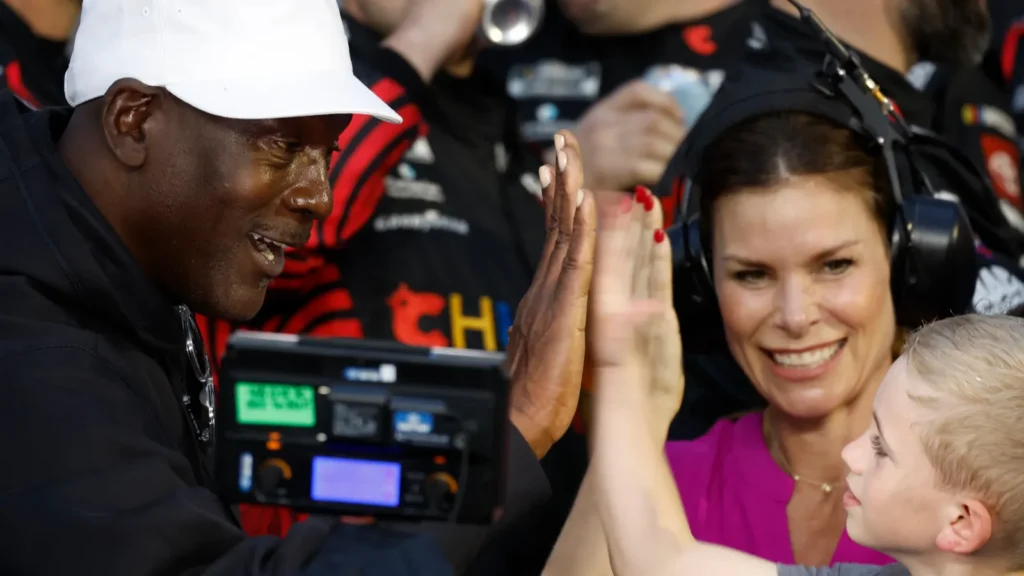
Jordan eventually decided to drive straight at O’Neal instead of settling for a jump shot. The result was immediate and physical. O’Neal knocked him straight to the floor during the collision.
It was a jarring moment for a player used to controlling most matchups. What happened next stuck with Jordan for years afterward. O’Neal reached down and helped him back up off the floor.
That gesture of respect stood out to Jordan, who was accustomed to facing much more physical and aggressive resistance from rival big men during that era of basketball.
Fun fact: Jordan was fined $5,000 per game just for wearing his banned Air Jordans as a rookie.
Why the fear faded
Jordan later explained that his intimidation of O’Neal did not last long. He said if O’Neal had stepped over him instead of helping him up, the fear might have continued. Jordan admitted he expected a colder response, similar to what other dominant centers might have done in that same situation.
Instead, O’Neal’s kindness changed everything for Jordan. He described O’Neal as having too good a heart to be a true intimidator. In Jordan’s mind, real killers on the court did not extend a hand to help fallen opponents.
That single gesture removed O’Neal’s psychological edge almost instantly.
Their head-to-head history
Jordan and O’Neal faced off 21 times over the course of their careers. Ten of those meetings came during playoff series between their teams. Jordan held the edge overall, winning 12 of those matchups compared to O’Neal’s nine victories.
He also thrived offensively against O’Neal’s teams throughout their rivalry. Jordan averaged around 27 points per game across those 21 contests. His highest scoring output against O’Neal’s Orlando Magic reached 64 points in a single game.
Despite his early intimidation, Jordan clearly adjusted and went on to have sustained success against O’Neal for the remainder of their careers.
Jordan’s reputation for fearlessness
Jordan spent his entire career cultivating an image of total fearlessness against every opponent. He often said no player ever truly rattled him during games. This reputation made his admission about O’Neal even more significant to fans and analysts who followed his career closely.
The Orlando Magic actually beat Jordan’s Bulls in the 1995 playoffs shortly after his return. It remained the only postseason series Jordan lost between 1991 and 1998. That loss reportedly motivated Jordan to train relentlessly before the following season, according to ESPN’s coverage of The Last Dance documentary.
What other rivals feared
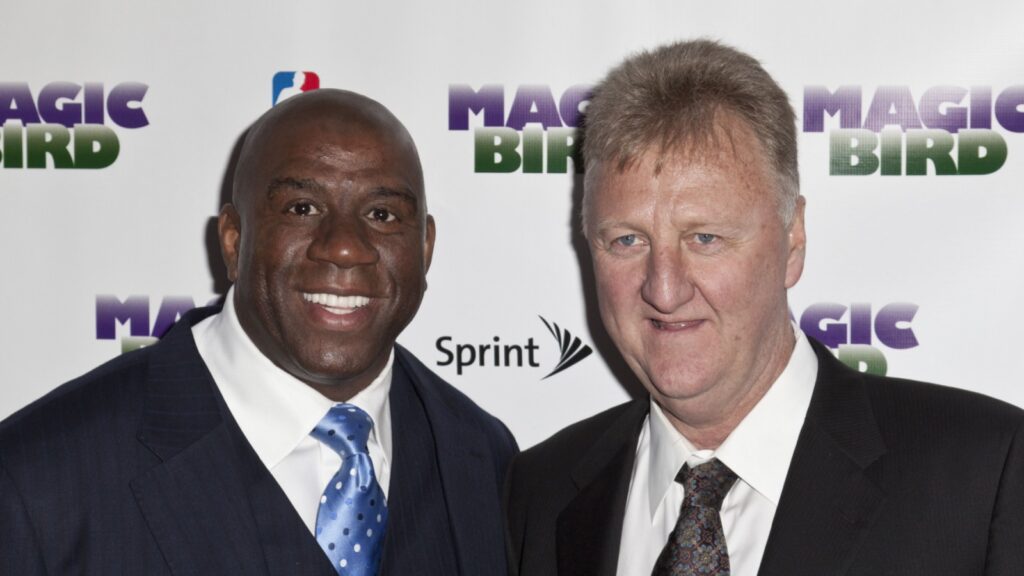
Interestingly, other legends have shared their own intimidation stories involving different opponents. Larry Bird once named Magic Johnson and Julius Erving as the only two players who ever intimidated him. Jordan was notably absent from that list, since their primes did not fully overlap during Bird’s career.
Jordan himself later joked about a different kind of intimidation, this time in golf. He named Ryder Cup star Ian Poulter as someone who unsettled him off the basketball court. These stories, reported by outlets like Sportscasting, show that even legends admit to occasional moments of doubt.
Little-known fact: Shaq once called Jordan a “little guy,” saying he only gets compared to bigger centers, not MJ.
TL;DR
- Michael Jordan named Shaquille O’Neal as the only opponent who intimidated him.
- The admission came during an interview on Jackie MacMullan’s Icons Club podcast.
- O’Neal’s massive size overwhelmed Jordan right after his return from baseball.
- O’Neal helped Jordan up after a hard collision, which quickly reduced the intimidation.
- Jordan still won 12 of their 21 career matchups against O’Neal’s teams.
If you liked this story, don’t forget to follow us for more exclusive content.
This article was made with AI assistance and human editing.
If you liked this, you might also like: