Michael Jordan’s dominance helped define modern professional basketball. His six championships, five MVP awards, six Finals MVP awards, and global influence made him one of the most important figures the NBA has ever had.
But Jordan’s legacy is not only about winning. It is also about the tension that followed him. Some rivals never got over old playoff battles. Some teammates struggled with his demanding style. Some stars looked at his comeback years and decided joining his world was not worth the risk.
Jordan was so competitive, so influential, and so difficult to stand next to that being connected to him could shape another player’s reputation for years.
The Dream Team controversy
Isiah Thomas remains the most famous example of Jordan-related tension. Thomas had the résumé for the 1992 Olympic Dream Team. He was a two-time NBA champion with the Detroit Pistons, a Finals MVP, and one of the best point guards of his era.
His exclusion became one of the most debated decisions in Olympic basketball history. The Bulls and Pistons had built one of the fiercest rivalries of the late 1980s and early 1990s, and the relationship between Jordan and Thomas never recovered from those battles.
The story became even more complicated years later. Jordan was later heard on tape saying he told Rod Thorn he would not play if Thomas was on the team. Jordan’s reported opposition became a major part of the Dream Team controversy, even if the official decision involved more than one person.
The Pistons’ walk-off changed everything
The Bulls finally swept the Pistons in the 1991 Eastern Conference Finals. Instead of staying to shake hands, several Detroit players walked off the floor before the final buzzer. That moment became one of the defining images of the rivalry.
Jordan made it clear in The Last Dance that the walk-off still bothered him years later. For him, it was not just a bad sportsmanship moment. It was proof that the Pistons had made the rivalry personal and then refused to show respect when Chicago finally broke through.
Thomas has explained the moment differently over the years, but the damage was already done. The walk-off helped turn an intense basketball rivalry into a personal feud that still follows both men decades later.
Barkley declined the Wizards’ idea
Charles Barkley’s story is different. He did not avoid Jordan as an opponent. He avoided the idea of joining him during the Washington Wizards’ comeback years.
When Jordan returned to play for Washington, the idea of teaming up with Barkley created natural interest. They were close friends, both were huge stars, and the pairing would have been a major NBA headline. But Barkley has said he knew his body could not handle another NBA season.
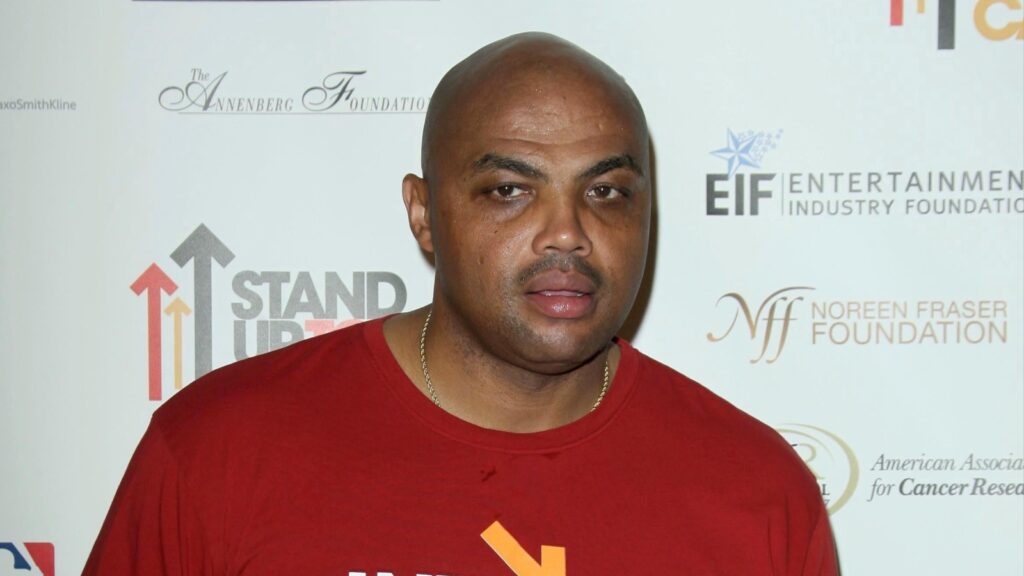
That decision was not about fear. It was about self-awareness. Barkley understood that Jordan’s Wizards years were not the same as the Chicago Bulls dynasty. Joining a struggling team late in his own career could have damaged his body and added little to his legacy.
Kwame Brown felt the pressure early
Kwame Brown’s name is still tied to Jordan’s Wizards era. Brown became the first high school player selected No. 1 overall in the NBA Draft when Washington took him in 2001. Jordan was running the Wizards’ basketball operations at the time, which made the pick part of his front-office legacy.
Brown entered the league as a teenager with huge expectations. Playing under Jordan’s shadow made that pressure even heavier. Over the years, Brown has criticized the way his early career was handled and has pushed back against the way people talk about him.
He played in Jordan’s orbit at one of the most difficult moments of his life. His experience shows how demanding Jordan’s world could be for a young player still trying to grow.
Robert Parish was not intimidated
Robert Parish had already won championships with the Boston Celtics before he joined the Bulls late in his career. He was not a young player trying to impress Jordan. He was a veteran with rings, pride, and his own place in NBA history.
Parish has recalled that he did not treat Jordan like someone untouchable. That matters because many players around Jordan accepted his intensity as part of the price of winning. Parish came from a different championship culture and did not feel the need to shrink in front of him.
Bryon Russell stayed away from the documentary
Bryon Russell is remembered by many fans because of Jordan’s famous shot over him in Game 6 of the 1998 NBA Finals. Russell faced Jordan on the biggest stage, so he clearly does not belong in a story about players avoiding Jordan on the court.
The more accurate story is about The Last Dance. Russell did not become a major voice in the documentary, even though his role in Jordan’s final Bulls championship was historically important. That allowed Jordan’s version of the moment to remain the dominant version for many viewers.
Russell’s absence shows how Jordan’s control over his own story still matters. Years after the final shot in Utah, the way people remember that moment is still shaped heavily by Jordan’s voice.
Scottie Pippen’s frustration added another layer
Scottie Pippen was Jordan’s most important teammate during the Bulls dynasty. Together, they won six NBA championships and formed one of the greatest duos in sports history. But even that relationship became more complicated after The Last Dance.
Pippen later criticized the documentary and argued that it placed too much focus on Jordan while not giving enough credit to the rest of the Bulls. His frustration showed that even the players closest to Jordan could feel overshadowed by the way his legacy was presented.
Why this part of Jordan’s legacy matters
Jordan’s greatness created admiration, but it also created pressure. Rivals wanted to beat him. Teammates had to meet his standards. Other stars had to decide whether joining him helped or hurt their own legacies.
That is why these stories still matter. They show that Jordan’s influence did not end when the games were over. His competitive personality shaped team decisions, locker-room dynamics, documentaries, rivalries, and public memory.
Fun fact: Jordan’s 63-point game against the Boston Celtics on April 20, 1986, remains the highest-scoring game by one player in NBA playoff history.
TL;DR
Isiah Thomas was excluded from the 1992 Dream Team after Jordan refused to play alongside him due to their intense Pistons and Bulls rivalry. Charles Barkley declined to join Jordan on the Washington Wizards, believing his body could not handle another NBA season and recognizing weak championship potential. Kwame Brown endured harsh treatment from Jordan, who drafted him to trade for Elton Brand and created a hostile environment that damaged the young player’s confidence. Tiger Woods refused Jordan’s basketball challenge, preferring to maintain his golf dominance rather than compete in a contact sport against MJ. Bryon Russell declined to appear in “The Last Dance” documentary to avoid contradicting Jordan’s narrative despite their championship-era battles together.
If you liked this story, don’t forget to follow us for more exclusive content.
This article was made with AI assistance and human editing.
If you liked this, you might also like: